

Nile Fever Virus: What Patients Need to Know

Nile fever virus most commonly means West Nile virus infection. Many infected people have no symptoms, while others develop fever, headache, body aches, or rash.
Key Takeaways
- Nile fever virus most commonly means West Nile virus infection.
- Many infected people have no symptoms, while others develop fever, headache, body aches, or rash.
- A small number of patients develop severe illness affecting the brain, spinal cord, or nerves.
- Diagnosis is based on symptoms, exposure history, and laboratory testing.
- There is no specific antiviral treatment for most cases; care is usually supportive.
- Preventing mosquito bites is the best way to reduce risk.
Nile fever virus usually refers to West Nile virus, a mosquito-borne infection spread mainly through the bite of an infected mosquito. Most people have no symptoms or a mild flu-like illness, but some develop more serious disease that needs prompt medical evaluation.
Overview: what nile fever virus means
Nile fever virus is a term many patients use when referring to West Nile virus, an infection carried mainly by mosquitoes. It belongs to a group of viruses called flaviviruses. People usually become infected after being bitten by a mosquito that previously fed on an infected bird.
In most cases, the infection is mild or causes no symptoms at all. However, a smaller number of people develop a more noticeable illness with fever, headache, fatigue, and body aches. In rare cases, the virus can affect the brain, spinal cord, or nerves, leading to serious complications.
West Nile virus is not usually spread through casual contact such as touching, hugging, or sharing food. Because symptoms can overlap with other viral illnesses, a medical review may be needed, especially during mosquito season or after travel to areas where the virus is known to circulate.
Symptoms and how the illness can feel
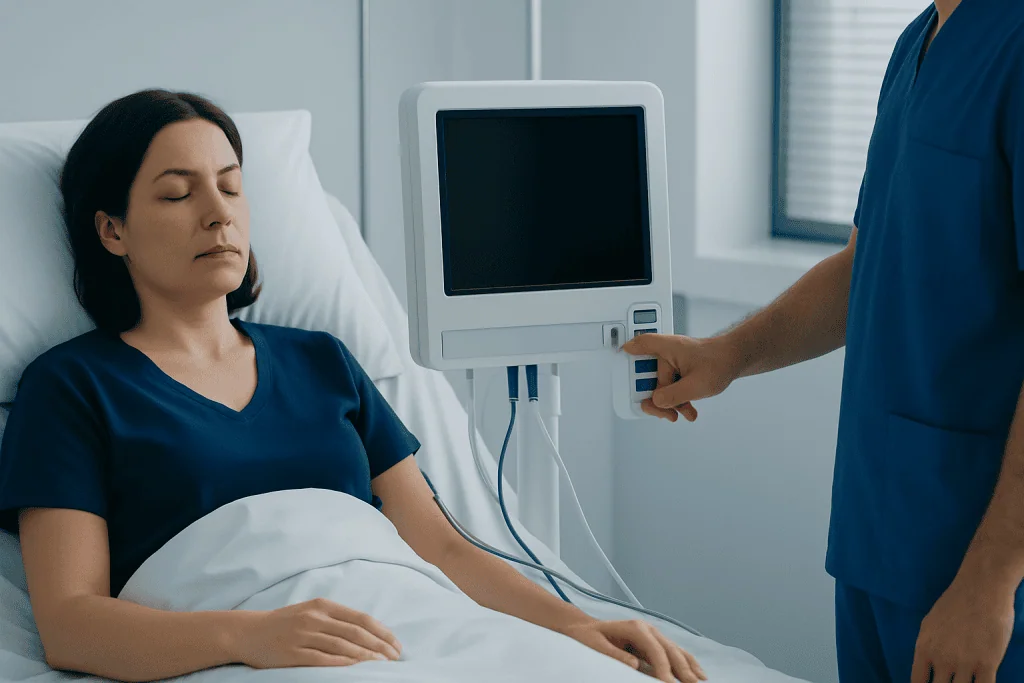
Many people with nile fever virus never realize they were infected. When symptoms do appear, they often begin several days after a mosquito bite. Mild illness may resemble a seasonal viral infection, which is why patients may not immediately suspect a mosquito-borne cause.
Common symptoms can include fever, headache, tiredness, muscle aches, joint pain, nausea, vomiting, swollen lymph nodes, or a skin rash. These symptoms may last a few days or, in some people, several weeks. Fatigue can sometimes take longer to improve.
A small proportion of patients develop severe disease. This can involve inflammation of the brain or surrounding tissues, or effects on the spinal cord and nerves. Warning signs include high fever, severe headache, confusion, stiff neck, weakness, tremors, seizures, trouble walking, or sudden changes in alertness. These symptoms require urgent medical attention.
- No symptoms at all are common.
- Mild cases may feel like flu or a non-specific viral infection.
- Severe neurological symptoms are uncommon but important to recognize early.
How it spreads, causes, and risk factors
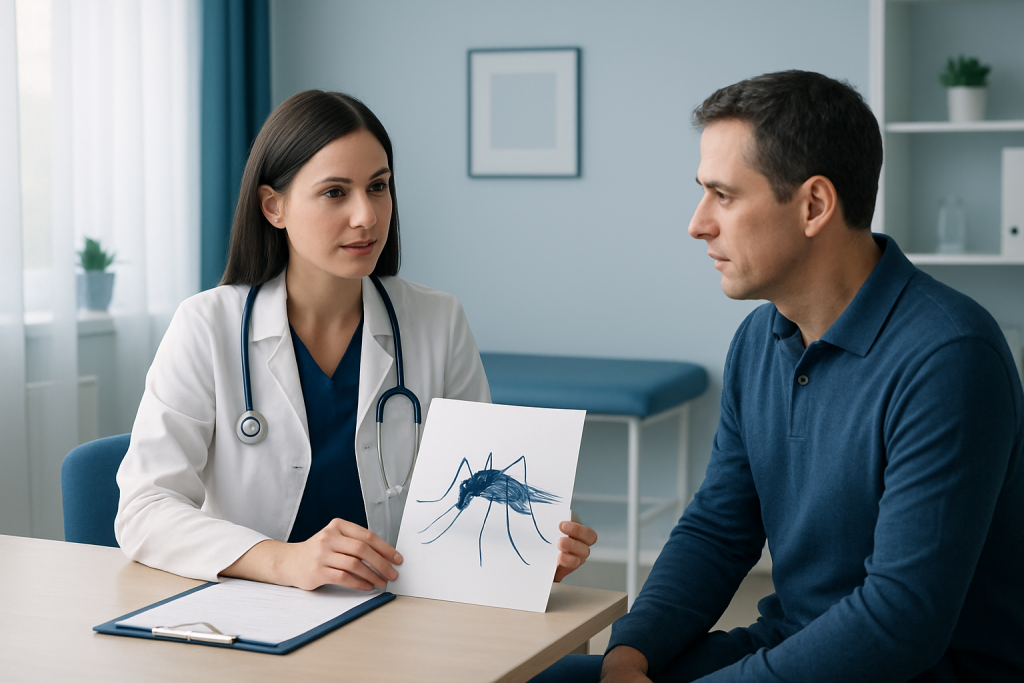
West Nile virus is maintained in nature through a cycle between mosquitoes and birds. Humans and horses can become infected when bitten by an infected mosquito, but they are usually considered “dead-end” hosts, meaning they do not typically spread the virus further through normal daily contact.
The main risk factor is exposure to mosquitoes in places where the virus is present. Risk may be higher during warmer months, near standing water, or in regions experiencing active mosquito activity. Outdoor activities around dawn and dusk can increase the chance of being bitten.
Some people are more likely to develop severe illness if they become infected. Older adults, people with weakened immune systems, and those with certain chronic medical conditions may face a greater risk of complications. Even so, anyone with concerning symptoms after mosquito exposure should be assessed by a clinician.
Because neurological symptoms can overlap with other conditions, doctors may also consider related problems such as encephalitis or meningitis during evaluation.
Diagnosis and medical evaluation
Diagnosis starts with a careful history. A doctor will ask about symptoms, mosquito exposure, recent travel, seasonal timing, and any neurological signs such as confusion or weakness. Physical examination helps determine whether the illness appears mild or whether urgent testing is needed.
Laboratory testing can help confirm the diagnosis. Blood tests are commonly used to look for antibodies made in response to the virus. In people with possible brain or nervous system involvement, doctors may recommend further testing such as imaging or a lumbar puncture to examine spinal fluid.
Imaging may be useful when severe symptoms suggest involvement of the brain or spinal cord, or when another diagnosis must be ruled out. In some situations, clinicians may use MRI or CT scan studies as part of a broader neurological workup. These tests do not diagnose West Nile virus on their own, but they can support safe and accurate assessment.
Because several infections can cause fever, headache, or rash, doctors also consider other mosquito-borne or viral illnesses. This step is important for choosing the right level of monitoring and care.
Treatment options and recovery
There is no specific antiviral treatment routinely used for most cases of nile fever virus. Mild infections are usually managed with supportive care. This generally includes rest, drinking enough fluids, and using clinician-approved medicines to help with fever or body aches.
More serious cases may require hospital care. If the brain, spinal cord, or nerves are affected, treatment focuses on monitoring, symptom control, hydration, breathing support if needed, and prevention of complications. Recovery time can vary greatly depending on how severe the illness is.
Patients with weakness, movement problems, or prolonged fatigue may need a longer recovery plan. In selected cases, supportive neurological care and physical therapy and rehabilitation can help restore strength, mobility, and day-to-day function after severe illness.
Near the end of a patient’s diagnostic journey, multidisciplinary specialists may be involved if symptoms are complex or prolonged. Acibadem International’s JCI-accredited hospitals support international patients with coordinated evaluation and treatment for infectious and neurological conditions when needed.
Prevention and self-care
The best way to prevent nile fever virus is to avoid mosquito bites. Practical measures include using an appropriate insect repellent, wearing long sleeves and trousers when possible, and limiting outdoor exposure during peak mosquito activity. Window screens and air conditioning can also help reduce contact with mosquitoes indoors.
Reducing mosquito breeding areas around the home is another helpful step. Empty standing water from items such as buckets, flowerpot trays, birdbaths, and outdoor containers. Community mosquito-control programs may also play an important role in reducing risk.
If a person develops a mild illness, self-care should focus on rest, fluids, and monitoring symptoms. Patients should avoid assuming every fever is minor, especially if there is increasing weakness, confusion, or dehydration. Ongoing or worsening symptoms should be discussed with a qualified doctor.
When to seek medical care
Medical care should be sought if fever, headache, or body aches occur after known mosquito exposure and symptoms are significant, persistent, or unusual. Patients should also contact a doctor if they are older, immunocompromised, pregnant, or living with chronic illnesses that could complicate recovery.
Urgent care is important for any signs of severe disease. These include confusion, severe headache, neck stiffness, repeated vomiting, trouble speaking, sudden weakness, numbness, difficulty walking, seizures, or changes in consciousness. Such symptoms may suggest involvement of the brain or nervous system and should not be ignored.
Children, older adults, and medically vulnerable people may not always describe symptoms clearly, so family members should pay attention to behavior changes or sudden decline. Early assessment can help doctors rule out other serious conditions and decide whether hospital-based monitoring is necessary.
Frequently asked questions
Is nile fever virus the same as West Nile virus?
In patient-facing use, nile fever virus usually refers to West Nile virus. It is a mosquito-borne viral infection that can range from no symptoms at all to, in rare cases, serious neurological disease.
What are the first symptoms of nile fever virus?
Many people have no symptoms. When symptoms occur, they often include fever, headache, tiredness, muscle aches, nausea, or a rash. These signs are not specific, so a doctor may consider other infections as well.
Can nile fever virus be serious?
Yes, but severe illness is much less common than mild or symptom-free infection. In some patients, the virus can affect the brain, spinal cord, or nerves, causing confusion, weakness, seizures, or trouble walking. These symptoms need urgent medical care.
How is West Nile virus diagnosed?
Doctors diagnose it using a combination of symptom review, exposure history, physical examination, and laboratory testing. If severe neurological symptoms are present, additional tests such as spinal fluid analysis or imaging may be needed.
Is there a cure or specific treatment for nile fever virus?
There is no standard specific antiviral cure for most cases. Treatment is usually supportive, meaning it focuses on rest, fluids, symptom relief, and hospital monitoring if the illness is severe.
How can someone lower the risk of infection?
The most effective step is preventing mosquito bites. Using insect repellent, wearing protective clothing, and removing standing water around the home can all help reduce risk.
This article is for general information only and is not a substitute for professional medical advice. Please consult a qualified doctor about your individual situation.
Explore treatments in Turkey — costs, top hospitals & a free quote
JCI-accredited · board-certified surgeons · reply within 24h
Add us as a Preferred Source to see more of our trusted health content across Google Search, AI Overviews and Discover.

More from the Health Library

Moon face: Symptoms, Causes, and Treatment — Complete Patient Guide
Gamma Knife: What Patients Need to Know

Slit Lamp Exam — Explained by Medical Evidence, Not Myths

Mitral Valve Repair: An Evidence-Based Guide for Patients

Zika Virus — Explained by Medical Evidence, Not Myths

Proper Tongue Posture — Explained by Medical Evidence, Not Myths
Infectious Diseases & Clinical Microbiology Specialists at Acibadem

Dr. Meltem Hüner
Infectious Diseases & Clinical Microbiology
Dr. Nevin Sarıgüzel
Infectious Diseases & Clinical Microbiology
Dr. Rehile Zengin
Infectious Diseases & Clinical Microbiology
Dr. Sedef Başgönül
Infectious Diseases & Clinical Microbiology