

OB-GYN Meaning: What an Obstetrician-Gynecologist Does

An OB-GYN is a physician who combines pregnancy care with gynecologic care. OB-GYNs provide routine checkups, screening tests, contraception counseling, and treatment for many reproductive health concerns.
Key Takeaways
- An OB-GYN is a physician who combines pregnancy care with gynecologic care.
- OB-GYNs provide routine checkups, screening tests, contraception counseling, and treatment for many reproductive health concerns.
- They manage pregnancy, labor, delivery, and postpartum care, while also diagnosing menstrual, pelvic, and hormonal problems.
- Many people see an OB-GYN for preventive care even when they are not pregnant.
- A visit is important for symptoms such as abnormal bleeding, pelvic pain, unusual discharge, or concerns about fertility.
OB-GYN meaning refers to a doctor trained in both obstetrics and gynecology. This specialist cares for reproductive health, pregnancy, childbirth, preventive screening, and many common conditions affecting the female reproductive system.
Overview: What OB-GYN Meaning Refers To
OB-GYN meaning is straightforward: it describes a doctor who specializes in both obstetrics and gynecology. Obstetrics focuses on pregnancy, childbirth, and care after delivery. Gynecology focuses on the female reproductive system, including the uterus, ovaries, fallopian tubes, cervix, vagina, and breasts as part of routine women’s health evaluation.
An obstetrician-gynecologist may care for teenagers, adults, and people through midlife and beyond. This doctor supports preventive health, helps diagnose symptoms, treats medical conditions, and offers guidance at different life stages. Care may include annual exams, cervical cancer screening, contraception, pregnancy care, menopause support, and evaluation of pelvic symptoms.
Because the specialty combines two related areas, an OB-GYN often becomes a long-term doctor for reproductive and sexual health. Some visits are routine and preventive, while others are focused on symptoms or a specific concern. In many cases, the OB-GYN also works closely with radiologists, endocrinologists, fertility experts, surgeons, and primary care physicians when broader care is needed.
What an Obstetrician-Gynecologist Does
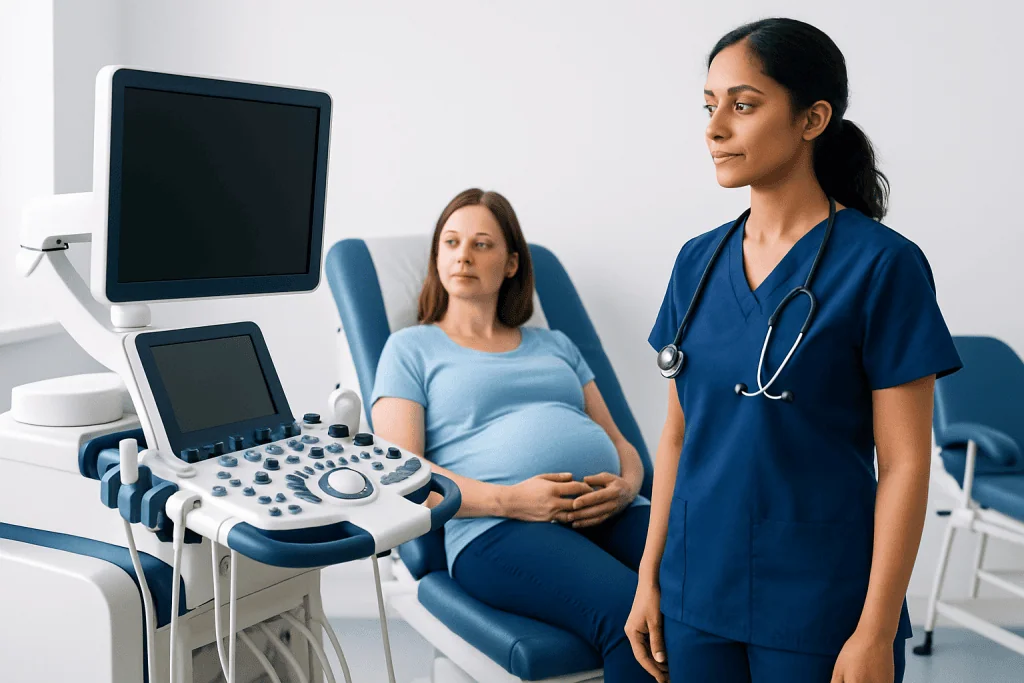
An OB-GYN provides a wide range of medical services. On the gynecology side, this includes routine pelvic exams, cervical screening, contraception counseling, sexually transmitted infection testing, menopause care, and treatment for problems such as heavy periods, pelvic pain, ovarian cysts, or infections. They may also investigate concerns like irregular bleeding or symptoms related to endometriosis.
On the obstetrics side, the doctor cares for people before conception, during pregnancy, during labor and birth, and in the postpartum period. This can include confirming pregnancy, monitoring fetal growth, managing maternal health conditions, interpreting ultrasound and laboratory tests, and advising on nutrition, activity, and birth planning. If needed, the OB-GYN can also coordinate high-risk pregnancy care with maternal-fetal medicine specialists.
Some OB-GYNs also perform procedures and surgery. Depending on training and the patient’s needs, they may carry out colposcopy, hysteroscopy, minimally invasive surgery, cesarean delivery, or operations such as hysterectomy and other gynecological surgery. The exact services may vary by hospital, clinic, and subspecialty focus.
Common Reasons to See an OB-GYN
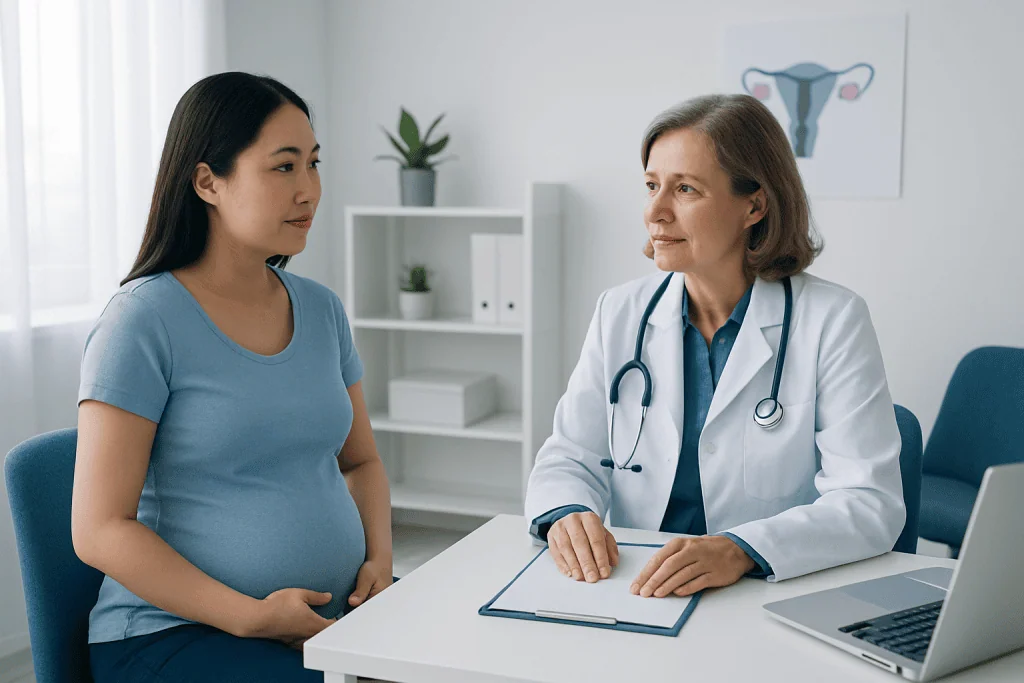
Many people visit an OB-GYN for regular preventive care, even when they feel well. Routine appointments can help identify health concerns early and create a space to discuss menstrual health, contraception, sexual wellbeing, family planning, or menopause. A doctor can also answer questions about what is normal for the body at different ages.
Common reasons for an appointment include missed or irregular periods, very painful periods, unusually heavy bleeding, pelvic pressure, vaginal itching, unusual discharge, pain during sex, breast changes, or concerns about fertility. An OB-GYN also evaluates symptoms that may be linked to fibroids, polycystic ovary syndrome, or ovarian cysts.
Pregnancy-related reasons include planning for pregnancy, getting a pregnancy test confirmed, early prenatal care, concerns about miscarriage, blood pressure monitoring, or discussion of labor and delivery options. After birth, the same specialist often helps with healing, bleeding changes, breastfeeding questions, mood concerns, and recovery after vaginal or cesarean delivery.
- Annual well-woman visits
- Contraception and preconception counseling
- Pregnancy and postpartum care
- Evaluation of pelvic pain or abnormal bleeding
- Screening for cervical cancer and sexually transmitted infections
Conditions OB-GYNs Diagnose and Treat
OB-GYNs diagnose and manage many common and complex reproductive health conditions. These may include menstrual disorders, fibroids, pelvic inflammatory disease, vaginal infections, ovarian cysts, menopausal symptoms, infertility, and chronic pelvic pain. They also assess early warning signs of gynecologic cancers and may arrange biopsies or referral to oncology specialists when appropriate.
Pregnancy-related conditions are another major part of the specialty. An OB-GYN may monitor nausea and vomiting, anemia, gestational diabetes, preeclampsia risk, multiple pregnancy, fetal growth concerns, and recovery after delivery. If the pregnancy is high risk, the doctor may coordinate extra testing or specialist review.
In addition, OB-GYNs often help with structural and functional concerns such as uterine prolapse, urinary leakage, or benign growths. When surgery is the best option, they may recommend procedures such as myomectomy for selected fibroids or other treatments based on the person’s age, symptoms, reproductive plans, and general health.
How Diagnosis and Preventive Screening Work
Diagnosis usually starts with a detailed conversation about symptoms, menstrual cycles, sexual health, medical history, medications, past pregnancies, and family history. The OB-GYN may then perform a general exam, abdominal exam, breast exam, or pelvic exam depending on the reason for the visit and the person’s comfort and age. Not every appointment requires a pelvic examination.
Common tests can include cervical screening, human papillomavirus testing, pregnancy testing, blood tests, urine testing, vaginal swabs, and ultrasound. Imaging can help assess the uterus and ovaries, while laboratory tests may check for hormone imbalance, infection, anemia, or pregnancy-related concerns. If needed, the doctor may recommend procedures such as biopsy, colposcopy, or hysteroscopy.
Preventive screening is a key part of OB-GYN care. The timing of cervical cancer screening, breast health review, and sexually transmitted infection testing depends on age, health history, symptoms, and national guidelines. The doctor also uses these visits to discuss vaccination, healthy weight, bone health, blood pressure, and lifestyle factors that can affect reproductive health over time.
Treatment Options and Ongoing Care
Treatment depends on the person’s symptoms, diagnosis, age, reproductive goals, and overall health. Many conditions can be managed with observation, lifestyle changes, medications, hormonal treatment, pelvic floor support, or follow-up testing. For example, an OB-GYN may recommend monitoring a simple ovarian cyst, treating an infection, adjusting contraception, or investigating causes of heavy bleeding.
When a patient is pregnant, treatment may include routine prenatal checkups, ultrasound monitoring, blood pressure checks, advice on nutrition and supplements, and planning for labor and delivery. If complications arise, the OB-GYN may coordinate additional fetal testing or referral to a high-risk pregnancy team. Postpartum care also matters, including wound healing, bleeding changes, mood symptoms, and family planning after birth.
Some situations need procedures or surgery, especially if symptoms are severe, persistent, or affecting quality of life. Surgical options may be minimally invasive or open, depending on the condition. For international patients seeking coordinated care, Acibadem International’s multidisciplinary specialists and JCI-accredited hospitals diagnose and treat gynecologic and obstetric conditions with individualized planning.
When to See a Doctor and How to Prepare for a Visit
A person should consider seeing an OB-GYN if they have unusual bleeding, severe menstrual pain, persistent pelvic pain, missed periods, unusual discharge, genital irritation, pain during sex, a breast lump, or difficulty becoming pregnant. During pregnancy, urgent review is especially important for heavy bleeding, severe abdominal pain, severe headache, reduced fetal movement, or signs that feel suddenly different from expected pregnancy changes.
It is also reasonable to book an appointment for preventive reasons, such as starting contraception, planning a pregnancy, discussing menopause, or scheduling routine screening. Seeking care early often helps clarify whether a symptom is linked to a common, treatable issue or needs more detailed investigation. In many cases, reassurance and guidance are an important part of the visit.
To prepare, it may help to note the date of the last menstrual period, details of symptoms, current medications, previous surgeries, pregnancies, and family history of conditions such as breast, ovarian, or uterine cancer. Writing down questions in advance can make the appointment more productive. A qualified doctor can explain the next steps and tailor advice to the person’s needs and preferences.
Frequently asked questions
What is the meaning of OB-GYN?
OB-GYN means obstetrician-gynecologist. It refers to a medical doctor trained in both pregnancy and childbirth care, as well as the diagnosis and treatment of conditions affecting the female reproductive system.
What is the difference between obstetrics and gynecology?
Obstetrics focuses on pregnancy, labor, delivery, and care after birth. Gynecology focuses on reproductive health outside of pregnancy, including menstrual concerns, contraception, infections, pelvic pain, screening, and menopause.
Do people need to see an OB-GYN if they are not pregnant?
Yes. An OB-GYN provides preventive care and helps manage many everyday health concerns, such as period problems, contraception, unusual discharge, pelvic pain, and menopause symptoms. Many people see an OB-GYN regularly even when they are not pregnant.
Can an OB-GYN perform surgery?
Yes, many OB-GYNs are trained to perform procedures and surgery. Depending on the condition and the doctor's expertise, this may include cesarean delivery, minimally invasive gynecologic surgery, biopsy procedures, or operations on the uterus and ovaries.
When should someone make an appointment with an OB-GYN?
An appointment is a good idea for routine screening, contraception counseling, pregnancy planning, or symptoms such as abnormal bleeding, pelvic pain, painful periods, unusual discharge, or fertility concerns. During pregnancy, regular prenatal visits are important even if there are no obvious problems.
What happens at a first OB-GYN visit?
A first visit often begins with a conversation about menstrual history, symptoms, sexual health, medications, and any questions or concerns. Depending on age and the reason for the visit, the doctor may recommend an exam or tests, but not every first appointment includes a pelvic exam.
References
- American College of Obstetricians and Gynecologists
- World Health Organization
- National Health Service
- Centers for Disease Control and Prevention
- Office on Women's Health
This article is for general information only and is not a substitute for professional medical advice. Please consult a qualified doctor about your individual situation.
Explore treatments in Turkey — costs, top hospitals & a free quote
JCI-accredited · board-certified surgeons · reply within 24h
Add us as a Preferred Source to see more of our trusted health content across Google Search, AI Overviews and Discover.
Check your numbers in seconds
BMI, calories, due date, blood pressure and 30+ more clinical calculators — free, instant, doctor-reviewed ranges.

More from the Health Library



Related Specialists

Dr. Betül Toygar
Physical Medicine & Rehabilitation
Assoc. Prof. Dr. Bahadir Osman Bozkirli
General Surgery
Prof. Dr. Solmaz Balcı Akar
Ophthalmology
Prof. Dr. Javad Parvizi
Orthopedic Surgery & Traumatology