Oblique Muscle: What Patients Need to Know
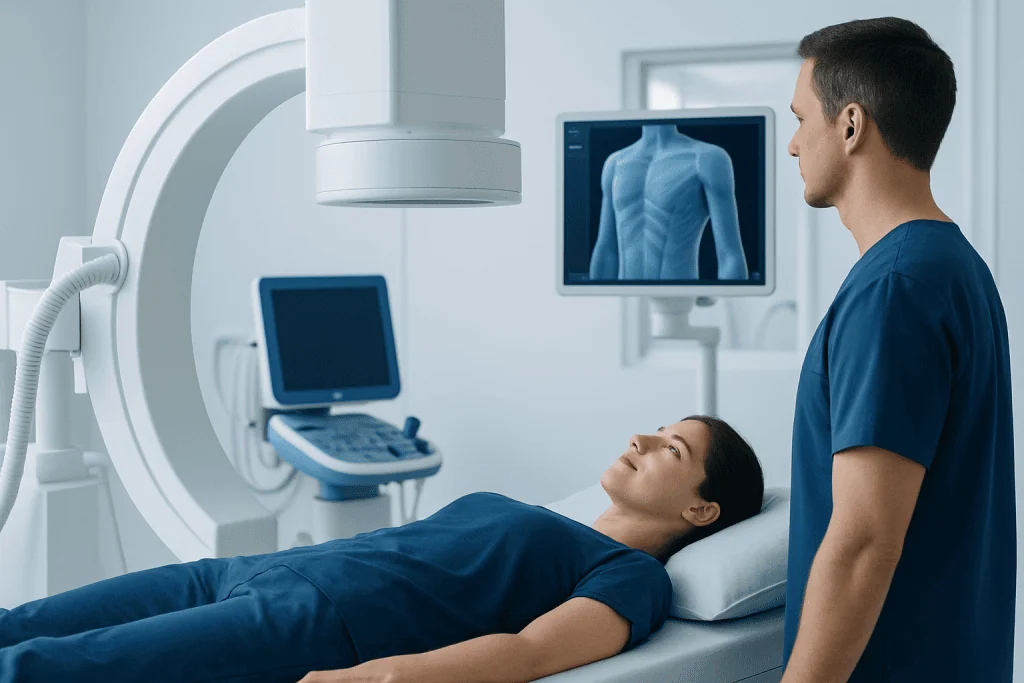
The oblique muscles run along the sides of the abdomen and help with rotation, bending, posture, and core stability. Oblique muscle pain is often caused by a strain from sudden twisting, heavy lifting, coughing, or sports activity.
Key Takeaways
- The oblique muscles run along the sides of the abdomen and help with rotation, bending, posture, and core stability.
- Oblique muscle pain is often caused by a strain from sudden twisting, heavy lifting, coughing, or sports activity.
- Mild strains often improve with rest, activity changes, and gradual rehabilitation, but severe pain may need medical assessment.
- Diagnosis is usually based on symptoms and examination; imaging may be used if a tear, hernia, or another cause is suspected.
- Prevention focuses on warm-up, balanced core strengthening, proper technique, and a gradual return to activity.
The oblique muscle is part of the abdominal wall and helps the body twist, bend, stabilize the trunk, and support breathing and posture. When people ask about the oblique muscle, they are often concerned about strain, side abdominal pain, or safe recovery after sports, exercise, or sudden movements.
Overview: what the oblique muscle does
The oblique muscle refers to the muscles on the sides of the abdomen. There are two main layers: the external oblique and the internal oblique. Together, they help turn the trunk, bend the body to the side, support the abdominal wall, and work with other core muscles to stabilize the spine during everyday movement.
These muscles are active in simple tasks such as getting out of bed, reaching, laughing, coughing, and walking. They also play an important role in sports that involve rotation, such as tennis, golf, rowing, baseball, swimming, and many gym-based exercises. Because they are used so often, they can become sore, overworked, or strained.
For many patients, concern about the oblique muscle begins with pain on one side of the abdomen or lower ribs. In some cases this is a minor muscle strain. In others, symptoms may overlap with conditions such as hernia, rib injury, back strain, or digestive causes of abdominal discomfort. A careful medical assessment helps clarify the cause.
Where the oblique muscles are located
The external oblique is the more superficial layer, lying just under the skin and soft tissue along the sides and front of the abdomen. The internal oblique lies beneath it. Their fibers run in different directions, which allows the trunk to rotate and resist unwanted movement while also providing strength and support.
The obliques connect with the ribs, pelvis, and connective tissues of the abdominal wall. They work closely with the rectus abdominis, transverse abdominis, diaphragm, pelvic floor, and back muscles. This coordinated system is often called the core, although in medicine and rehabilitation it is understood as a functional group rather than one single muscle.
Because of this close connection to the ribs, pelvis, and spine, oblique muscle problems may be felt in several places. Pain can occur along the side of the abdomen, near the lower ribs, toward the groin, or into the flank and lower back. This is one reason side pain should be interpreted in the context of recent activity, posture, and any associated symptoms.
Common symptoms of an oblique muscle strain

An oblique muscle strain happens when muscle fibers are overstretched or torn. Patients often describe a sharp pull during twisting, sprinting, lifting, or a sudden change in direction. Others notice pain the next day after intense exercise, repeated coughing, or an unfamiliar workout.
Symptoms can vary from mild soreness to significant pain. Common features include:
- Tenderness along the side of the abdomen or lower ribs
- Pain when twisting, bending, sitting up, coughing, sneezing, or laughing
- Stiffness or tightness in the trunk
- Muscle spasm or a pulling sensation
- Swelling or bruising in more severe injuries
- Reduced ability to exercise, lift, or rotate comfortably
Mild strains may feel like local soreness that improves with rest. More significant tears can cause pain even at rest and make simple movements difficult. If pain is severe, if there is a visible bulge, or if symptoms do not fit a muscle injury, other causes such as abdominal pain from internal organs or abdominal wall conditions should be considered.
Causes and risk factors
The most common cause of oblique muscle injury is sudden overload. This may happen during forceful rotation, swinging, throwing, serving, rowing, or heavy lifting. Direct impact to the side of the body can also injure the muscle. In some people, repeated coughing or sneezing places enough stress on the abdominal wall to trigger pain.
Risk increases when the muscle is asked to work hard without adequate preparation. Factors that may contribute include poor warm-up, fatigue, a rapid increase in training intensity, weak or imbalanced core muscles, limited flexibility, and poor movement mechanics. Returning to sport too soon after a previous strain also raises the chance of reinjury.
Not all side abdominal pain is caused by the oblique muscle. Conditions involving the ribs, thoracic spine, hip, abdominal wall, or internal organs can cause similar symptoms. In athletes, doctors may also evaluate for sports hernia, tendon injury, or combined core and groin problems. This is why persistent or recurrent pain deserves professional evaluation rather than self-diagnosis alone.
How doctors diagnose oblique muscle problems
Diagnosis usually begins with a medical history and physical examination. A doctor will ask when the pain started, whether there was a specific injury, what movements make it worse, and whether there are other symptoms such as fever, nausea, shortness of breath, weakness, or a visible swelling. These details help distinguish a muscle strain from other causes of side or abdominal pain.
During the examination, the clinician may gently press along the abdominal wall and ask the patient to twist, bend, or tense the core muscles. Pain reproduced by these movements often supports a muscular cause. The pattern of tenderness and strength loss can also help estimate the severity of the strain.
Imaging is not always needed for a mild and straightforward strain. However, ultrasound or MRI may be considered if the diagnosis is uncertain, if a significant tear is suspected, or if symptoms persist. In some cases, CT or other tests are used to look for a hernia or internal cause of pain. If surgery-related conditions or abdominal wall defects are suspected, specialists may recommend further assessment and, when appropriate, general surgery evaluation.
Treatment and recovery
Treatment depends on the severity of the injury and the patient’s activity level. For many mild strains, the first steps are temporary rest from painful movements, avoiding heavy lifting or twisting, and using supportive self-care measures. Early management aims to reduce pain while allowing the tissue to begin healing.
As symptoms settle, a gradual rehabilitation plan is important. This often includes gentle range-of-motion work, followed by progressive core strengthening, breathing control, posture training, and a careful return to sport or exercise. Supervised physical therapy and rehabilitation can be helpful when pain lasts more than a few days, recurs, or affects athletic performance.
More severe tears may require a longer period of recovery and closer follow-up. Doctors may also treat associated conditions such as rib irritation, back strain, or biomechanical problems that placed extra stress on the oblique muscles. If imaging shows a different source of pain, treatment is directed to that condition rather than the muscle itself.
Patients usually recover best when they do not rush back into intense activity. Returning too early can lead to repeat injury, prolonged pain, or compensation patterns involving the lower back or hip. Near the end of recovery, some patients benefit from a broader musculoskeletal review in orthopedics and traumatology if there are repeated injuries, complex pain patterns, or concern about related structural problems.
Prevention and self-care
Preventing oblique muscle strain is mainly about preparing the body for load and rotation. A consistent warm-up before sport or exercise helps increase circulation and improve movement control. Activities that train the trunk in multiple directions, rather than only with repeated sit-ups or heavy twisting, may better support the demands of daily life and athletics.
Helpful self-care and prevention strategies include:
- Building core strength gradually and with good technique
- Improving hip, thoracic spine, and shoulder mobility where needed
- Using proper lifting and exercise form
- Avoiding sudden spikes in training volume or intensity
- Allowing enough recovery after hard workouts
- Addressing persistent cough or repeated sneezing with medical advice
Good posture alone does not prevent every injury, but efficient movement patterns can reduce unnecessary strain on the abdominal wall. For people returning after a strain, the safest approach is usually a staged progression: pain-free daily activities first, then light exercise, then sport-specific drills, and finally full return once strength and rotation are well tolerated.
When to seek medical care
Medical advice is appropriate if side abdominal pain is severe, follows a clear injury, or does not improve as expected. Patients should also seek care if they notice a lump or bulge, significant bruising, fever, vomiting, shortness of breath, pain with deep breathing, faintness, or symptoms that seem unrelated to movement. These features may point to a condition other than a simple muscle strain.
A doctor should also assess pain that keeps returning, limits work or exercise, or is associated with groin pain, back pain, or weakness. Prompt assessment can help rule out hernia, rib problems, abdominal wall tears, or internal causes of pain and guide a safer recovery plan.
For international patients who need further evaluation, Acibadem International’s multidisciplinary specialists and JCI-accredited hospitals diagnose and treat abdominal wall, musculoskeletal, and related conditions using coordinated care tailored to the individual patient.
Frequently asked questions
What is the oblique muscle?
The oblique muscle usually refers to the internal and external oblique muscles on the sides of the abdomen. These muscles help the body twist, bend sideways, support posture, protect the abdominal wall, and assist with breathing and forceful actions such as coughing.
How can someone tell if oblique muscle pain is a strain?
An oblique strain often causes pain after twisting, lifting, coughing, or sports activity, especially when the person bends, rotates, laughs, or sits up. Tenderness over the side abdominal wall and pain triggered by movement are common, but a doctor may be needed to rule out hernia or internal causes.
How long does an oblique muscle strain take to heal?
Recovery time depends on how mild or severe the injury is. Minor strains may improve in days to a few weeks, while larger tears can take longer and may require structured rehabilitation before full activity is resumed.
Should someone exercise with an oblique muscle strain?
It is usually best to avoid movements that increase pain, especially twisting, heavy lifting, and high-intensity core exercise in the early phase. Gentle activity may be possible as symptoms improve, but a gradual return plan is safer than trying to train through pain.
Can coughing cause an oblique muscle injury?
Yes. Repeated or forceful coughing can strain the abdominal wall, especially if the muscles are already tired or irritated. If pain starts after ongoing coughing, both the muscle pain and the cause of the cough may need attention.
When is side abdominal pain not likely to be an oblique muscle problem?
Pain is less likely to be a simple oblique strain if it comes with fever, vomiting, shortness of breath, a visible bulge, severe constant pain, or symptoms unrelated to movement. In these situations, a doctor should evaluate for other abdominal, rib, lung, or abdominal wall conditions.
References
- American Academy of Orthopaedic Surgeons
- National Institute of Arthritis and Musculoskeletal and Skin Diseases
- MedlinePlus
- National Health Service
- Mayo Clinic
This article is for general information only and is not a substitute for professional medical advice. Please consult a qualified doctor about your individual situation.
Joint and spine care in Turkey — expert assessment & treatment
JCI-accredited · board-certified surgeons · reply within 24h
Add us as a Preferred Source to see more of our trusted health content across Google Search, AI Overviews and Discover.