

One-Anastomosis Gastric Bypass vs Gastric Sleeve: Which Weight Loss Surgery Fits Your Goals?

Both procedures reduce stomach capacity, but one-anastomosis gastric bypass also changes how food passes through the intestine. One-anastomosis gastric bypass may lead to greater metabolic effects, while gastric sleeve is technically simpler and keeps the intestine in its normal path.
Key Takeaways
- Both procedures reduce stomach capacity, but one-anastomosis gastric bypass also changes how food passes through the intestine.
- One-anastomosis gastric bypass may lead to greater metabolic effects, while gastric sleeve is technically simpler and keeps the intestine in its normal path.
- Reflux, vitamin deficiencies, bowel symptoms, and long-term follow-up needs can differ between the two surgeries.
- A full bariatric assessment helps match the procedure to a person’s body weight, health conditions, and lifestyle.
- Long-term success depends on nutrition, physical activity, supplements when prescribed, and regular medical monitoring.
One-anastomosis gastric bypass and gastric sleeve are two effective weight loss surgeries, but they work differently and may suit different health goals. The right option depends on weight loss targets, eating patterns, reflux symptoms, medical conditions, and readiness for long-term follow-up.
Overview: How these two surgeries differ
One-anastomosis gastric bypass (often called OAGB or mini gastric bypass) and gastric sleeve are both bariatric procedures used to support meaningful, lasting weight loss. Both surgeries make the stomach smaller, which helps a person feel full sooner and eat less. However, they are not the same operation, and they affect digestion in different ways.
In a gastric sleeve, a large portion of the stomach is removed, leaving a narrow sleeve-shaped stomach. Food still follows the usual path through the digestive tract. In one-anastomosis gastric bypass, the surgeon creates a long, narrow stomach pouch and connects it to the small intestine. This means food bypasses part of the upper intestine, which can change calorie absorption and hormone signals related to hunger, blood sugar, and fullness.
Because of these differences, each procedure has potential advantages and trade-offs. Some people may benefit from the stronger metabolic effect of gastric bypass surgery, while others may prefer the more straightforward anatomy of gastric sleeve surgery. A bariatric team usually considers weight history, eating habits, reflux symptoms, diabetes, previous abdominal surgery, and commitment to long-term follow-up before recommending a procedure.
Who may be a candidate for bariatric surgery

Bariatric surgery is generally considered for adults with obesity when structured lifestyle treatment alone has not led to enough weight loss or when weight-related health problems are affecting quality of life. Common examples include type 2 diabetes, high blood pressure, sleep apnea, fatty liver disease, joint pain, and reduced mobility. In some people with severe morbid obesity, surgery can offer the most effective long-term treatment.
Eligibility is based on more than body mass index alone. Doctors also look at overall health, mental readiness, previous weight loss efforts, understanding of lifelong dietary changes, and the ability to attend follow-up visits. People who choose surgery need to be prepared for new eating habits, regular blood tests, and vitamin supplementation if advised.
A careful evaluation may include nutritional review, blood work, upper gastrointestinal assessment in selected cases, and discussions with a surgeon, dietitian, and sometimes a psychologist or endocrinologist. This process helps identify which procedure is safer and more suitable for a person’s goals.
Potential benefits of each procedure
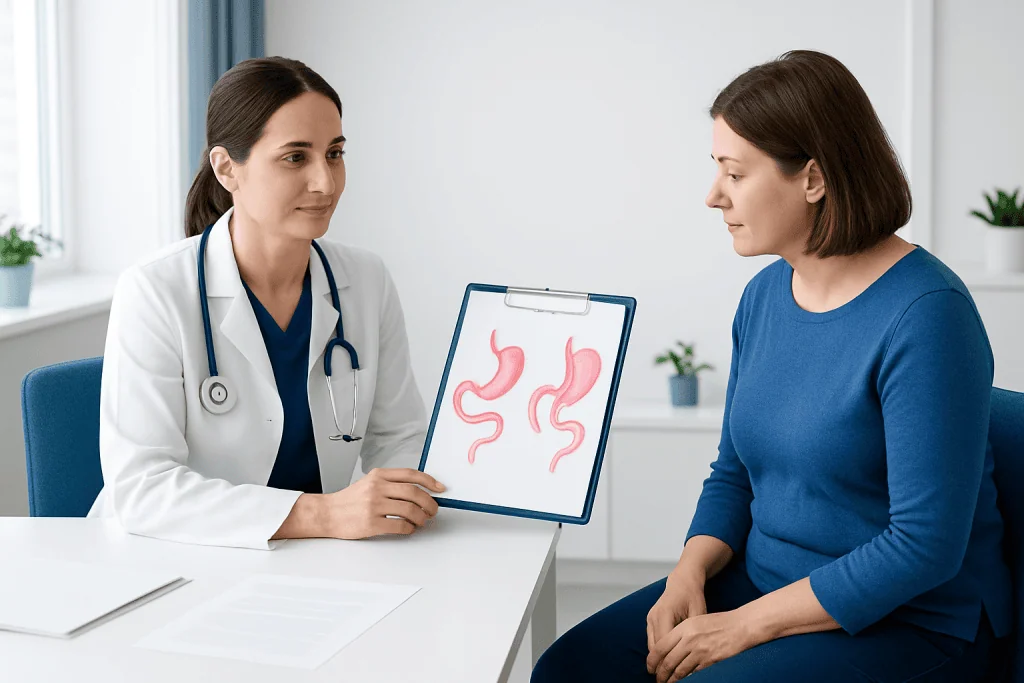
Both one-anastomosis gastric bypass and gastric sleeve can produce significant weight loss and improve many obesity-related conditions. As body weight decreases, many people notice better mobility, improved sleep, less joint strain, and progress in blood sugar or blood pressure control. These operations are usually performed as part of a broader bariatric surgery program that includes nutrition education and long-term follow-up.
One-anastomosis gastric bypass may offer a stronger effect on appetite-related hormones and blood sugar regulation because it changes the route food takes through the intestine. For some patients, especially those with type 2 diabetes or a higher body weight, this may be an important advantage. It can also be used in some revision settings, depending on the individual case.
Gastric sleeve may appeal to people who want a procedure that does not reroute the bowel. It generally involves only the stomach, so there is no intestinal bypass. Many patients and surgeons value this simpler anatomy, though it still requires major lifestyle change and long-term nutritional monitoring.
- Possible benefits of both procedures include improved satiety, lower food intake, and better control of obesity-related conditions.
- OAGB may provide stronger metabolic effects in selected patients.
- Gastric sleeve preserves the normal intestinal pathway.
Risks, side effects, and long-term considerations
All operations carry risks, and bariatric surgery is no exception. In the short term, possible surgical complications can include bleeding, infection, leaks from staple lines or connections, blood clots, and anesthesia-related problems. Surgeons work carefully to reduce these risks, and many procedures are done with minimally invasive methods such as gastric laparoscopic surgery when appropriate.
Long-term issues differ between the two procedures. Because one-anastomosis gastric bypass bypasses part of the intestine, it may carry a higher risk of nutritional deficiencies, including low iron, vitamin B12, folate, calcium, or other micronutrients. Some patients may also experience bile reflux, loose stools, or changes in bowel habits. Regular blood tests and prescribed supplements are especially important after this operation.
Gastric sleeve can also lead to deficiencies, but they are often related more to reduced intake than to intestinal bypass. A known concern with sleeve surgery is reflux. In some people, heartburn may worsen or newly appear after surgery. This is one reason why pre-existing reflux symptoms can strongly influence the choice between procedures. Weight regain can happen after either surgery if long-term eating habits, emotional eating, or grazing patterns are not addressed.
How doctors choose between one-anastomosis gastric bypass and sleeve
There is no single procedure that is best for everyone. The choice usually depends on a combination of medical, anatomical, and lifestyle factors. A bariatric surgeon will look at current weight, body mass index, type 2 diabetes, reflux disease, previous abdominal operations, medication use, nutritional status, and a patient’s preferences.
One-anastomosis gastric bypass may be considered when stronger weight loss or metabolic improvement is desired, especially if blood sugar control is a major concern. On the other hand, if a person wants to avoid intestinal bypass or has reasons to keep digestion closer to its natural route, gastric sleeve may be a better fit. However, if significant reflux is already present, sleeve may be less favorable in some cases.
Eating behavior matters too. People who often consume calorie-dense liquids, sweets, or frequent snacks still need structured support after either operation. Surgery changes the body, but it does not replace the need for nutrition planning, movement, sleep, and behavioral care. A tailored recommendation usually leads to the safest and most sustainable outcome.
Recovery, diet, and life after surgery
Recovery after either surgery involves a gradual return to drinking, eating, and normal activity. Patients usually begin with liquids, then progress to pureed foods, soft foods, and eventually small regular meals based on the care team’s instructions. Eating slowly, chewing well, separating fluids from meals, and stopping at the first sign of fullness become important daily habits.
Protein intake is a major priority after surgery, and hydration needs attention as well. Vitamin and mineral supplements are often recommended, particularly after bypass procedures. Follow-up visits help monitor healing, weight loss progress, medication needs, and lab values. These visits also allow the team to address constipation, nausea, reflux, food intolerance, or emotional adjustment.
Physical activity supports both weight loss and weight maintenance. Early walking helps recovery, and later exercise helps preserve muscle mass and improve overall health. For people exploring alternatives or earlier-stage options, doctors may also discuss non-surgical approaches such as stomach reduction without surgery in carefully selected situations, though these are not direct equivalents to bariatric operations.
When to speak with a specialist
A person should consider specialist advice if excess weight is affecting daily life, health conditions, mobility, sleep, fertility, or emotional well-being. Medical review is especially helpful when repeated diet attempts have not produced lasting results or when conditions such as diabetes, high blood pressure, or sleep apnea are becoming harder to manage. Early consultation does not commit anyone to surgery; it simply helps clarify the available options.
Anyone considering surgery should ask practical questions about expected benefits, possible complications, hospital recovery, long-term supplements, pregnancy timing, and the need for future procedures. It is also important to discuss reflux symptoms, prior abdominal surgery, and any history of ulcers, anemia, or nutrient deficiencies. These details can influence whether a sleeve or bypass approach is safer.
Urgent medical attention is needed after surgery if there is severe abdominal pain, fever, repeated vomiting, chest pain, shortness of breath, inability to drink, black stools, or signs of dehydration. For international patients, Acibadem International’s multidisciplinary specialists in JCI-accredited hospitals diagnose and treat obesity and provide individualized planning for procedures such as sleeve gastrectomy and bypass surgery.
Frequently asked questions
Is one-anastomosis gastric bypass better than gastric sleeve?
Neither procedure is universally better. One-anastomosis gastric bypass may offer stronger metabolic effects for some people, while gastric sleeve may be preferred for its simpler anatomy. The best option depends on reflux symptoms, diabetes, body weight, nutritional risk, and personal goals.
Which surgery usually leads to more weight loss?
Weight loss varies from person to person and depends heavily on long-term habits and follow-up. In many cases, one-anastomosis gastric bypass may produce somewhat greater weight loss or metabolic improvement, but gastric sleeve is also highly effective. A surgeon can explain what is realistic in an individual situation.
Does gastric sleeve cause reflux?
It can in some patients. People with existing heartburn or gastroesophageal reflux disease may notice symptoms persist or worsen after sleeve surgery. That is why reflux history is an important part of deciding between procedures.
Are vitamin deficiencies more common after one-anastomosis gastric bypass?
They can be, because the surgery changes both stomach size and part of the intestinal route of food. This may affect absorption of nutrients such as iron, vitamin B12, folate, and calcium. Regular blood tests and prescribed supplements help lower this risk.
Can weight be regained after either procedure?
Yes, weight regain is possible after both gastric sleeve and one-anastomosis gastric bypass. Surgery is a powerful tool, but long-term success also depends on eating behavior, activity, sleep, emotional health, and follow-up care. Early support can help if weight loss slows or regain begins.
How long does recovery take after bariatric surgery?
Recovery time varies, but many people return to light daily activities within a few weeks, depending on the procedure and their overall health. Diet progression happens in stages, and full adjustment to new eating habits takes longer. The care team provides a step-by-step recovery plan.
References
- American Society for Metabolic and Bariatric Surgery
- National Institute of Diabetes and Digestive and Kidney Diseases
- National Institute for Health and Care Excellence
- European Association for the Study of Obesity
- Mayo Clinic
This article is for general information only and is not a substitute for professional medical advice. Please consult a qualified doctor about your individual situation.
Gastric Bypass in Turkey — costs, top hospitals & a free quote
JCI-accredited · board-certified surgeons · reply within 24h
Add us as a Preferred Source to see more of our trusted health content across Google Search, AI Overviews and Discover.
Check your numbers in seconds
BMI, calories, due date, blood pressure and 30+ more clinical calculators — free, instant, doctor-reviewed ranges.

Bariatric & Metabolic Surgery
Surgical and endoscopic treatments for obesity and metabolic conditions.
Related Treatments
Related Conditions
More from the Health Library



Related Specialists

Prof. Dr. Tayfun Karahasanoğlu
General Surgery
Prof. Dr. Güralp Onur Ceyhan
General Surgery
Prof. Dr. Volkan Özben
General Surgery
Assoc. Prof. Dr. Halil Kara
General Surgery