

One Year After Gastric Sleeve Surgery: Weight Loss, Blood Tests, and Follow-Up

Weight loss commonly slows or plateaus around the first year, and this can be a normal part of recovery rather than a sign of failure. One-year blood tests usually assess blood count, iron, vitamin B12, folate, vitamin D, calcium, liver and kidney function, blood sugar, and cholesterol levels.
Key Takeaways
- Weight loss commonly slows or plateaus around the first year, and this can be a normal part of recovery rather than a sign of failure.
- One-year blood tests usually assess blood count, iron, vitamin B12, folate, vitamin D, calcium, liver and kidney function, blood sugar, and cholesterol levels.
- Daily protein intake, hydration, bariatric supplements, and regular movement remain important after the rapid weight-loss phase.
- Ongoing follow-up with a bariatric team helps monitor nutritional status, reflux symptoms, gallbladder concerns, mental well-being, and weight maintenance.
- Patients should contact a doctor promptly for persistent vomiting, difficulty swallowing, severe abdominal pain, signs of dehydration, black stools, or new neurological symptoms.
One year after gastric sleeve surgery, many patients are adjusting to a more stable weight, a long-term eating pattern, and regular monitoring for vitamin and mineral needs. Follow-up visits and blood tests help confirm that weight loss is healthy, nutrition is adequate, and any concerns are addressed early.
Overview: What the One-Year Mark Means
One year after gastric sleeve surgery, also called sleeve gastrectomy, many patients have moved beyond the early recovery phase and are learning how to maintain results over the long term. The stomach is permanently smaller, hunger signals may be reduced, and portion sizes are typically much smaller than before surgery. At this stage, the focus shifts from rapid weight loss to stable nutrition, regular monitoring, and sustainable daily habits.
During a gastric sleeve surgery procedure, a large portion of the stomach is removed, creating a narrow sleeve-shaped stomach. This helps limit food intake and can improve metabolic health in people living with obesity. However, surgery is not a stand-alone cure. It works best when combined with structured nutrition, physical activity, psychological support when needed, and lifelong medical follow-up.
The one-year visit is often an important checkpoint. The bariatric team reviews weight changes, eating tolerance, supplements, blood test results, reflux or digestive symptoms, physical activity, and emotional adjustment. This visit can also help patients understand whether a plateau is expected, whether any deficiencies are developing, and what steps may support healthy weight maintenance in the second year and beyond.
Weight Loss After One Year: What Is Typical?
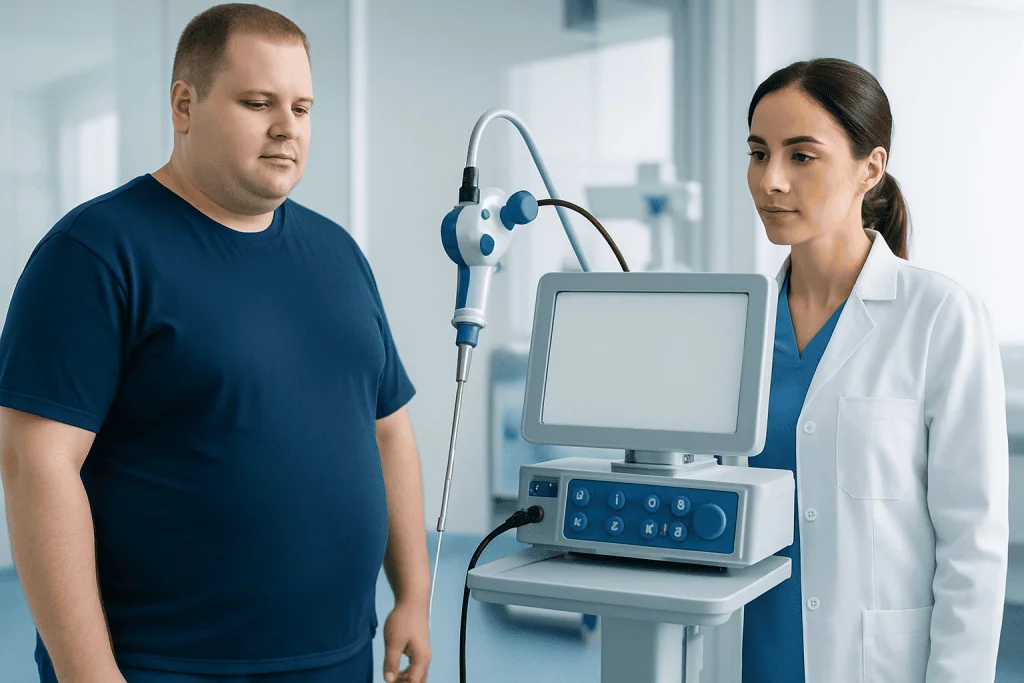
Weight loss varies widely after sleeve gastrectomy because every patient starts with a different weight, metabolism, health profile, and lifestyle. Many people lose weight most quickly during the first 6 to 9 months, then notice that the rate slows. By the one-year point, some patients are still losing gradually, while others have reached a plateau. A plateau does not automatically mean something is wrong; it often means the body is adapting to a lower weight and lower energy intake.
Doctors usually assess progress using several measures rather than a single number on the scale. These may include total weight lost, change in body mass index, waist circumference, improvement in blood pressure or diabetes markers, mobility, sleep quality, and overall well-being. A person who has lost less weight than expected may still have important health improvements, while another person who has lost weight quickly may need closer nutritional monitoring.
Small weight fluctuations are common after the first year. Causes may include changes in fluid balance, menstrual cycle changes, constipation, reduced activity, grazing habits, alcohol intake, stress, poor sleep, or medication effects. The aim is not perfection, but early recognition of patterns that may lead to regain. A bariatric dietitian can help identify whether portion sizes, protein intake, meal timing, or liquid calories are affecting progress.
Patients who are concerned about slow loss or regain should avoid crash diets or stopping supplements. Instead, a structured review with the bariatric team is safer and more effective. The clinician may check for medical contributors such as thyroid disease, medication-related weight gain, depression, untreated sleep apnea, or nutritional problems that make it difficult to exercise and maintain healthy habits.
One-Year Blood Tests and Nutritional Monitoring

Blood tests are a key part of one-year follow-up because nutritional deficiencies can develop even when a patient feels well. The reduced stomach size can limit food volume, and some patients eat a narrow range of foods because of intolerance, nausea, reflux, or habit. Although sleeve gastrectomy generally causes less malabsorption than gastric bypass, vitamin and mineral problems can still occur and should be checked regularly.
Common one-year blood tests may include a complete blood count, electrolytes, kidney function, liver enzymes, fasting glucose or HbA1c, lipid profile, iron studies including ferritin, vitamin B12, folate, vitamin D, calcium, and sometimes parathyroid hormone. Depending on symptoms and local practice, doctors may also check thiamine, magnesium, zinc, copper, albumin, or other markers. Patients with diabetes, kidney disease, liver disease, pregnancy plans, heavy menstrual bleeding, or persistent vomiting may need additional or more frequent testing.
Results are interpreted in context. For example, fatigue may be related to iron deficiency, B12 deficiency, low vitamin D, inadequate calories, dehydration, sleep problems, or another medical condition. Hair shedding during the first year can occur after rapid weight loss, but persistent or severe hair loss may prompt a review of protein intake, iron, zinc, thyroid function, and overall nutrition.
Patients should bring their supplement list to follow-up visits, including brand names and frequency. Bariatric multivitamins, calcium with vitamin D, vitamin B12, iron, or other supplements may be recommended depending on the operation, diet, menstrual status, and blood results. Supplement plans should be individualized by a qualified healthcare professional, because both deficiency and unnecessary high intake can cause problems.
Eating, Hydration, and Supplements at One Year
By one year, many patients can tolerate a broad range of foods, but portion sizes remain smaller than before surgery. Meals are usually centered on protein, followed by vegetables, fruit, and small amounts of whole grains or other carbohydrates when tolerated. Protein supports muscle maintenance, wound healing, immunity, and satiety. Patients who struggle with protein may need help from a dietitian to choose softer, easier-to-digest sources and distribute intake across the day.
Hydration remains essential. Because the sleeve stomach holds less, drinking large amounts at once can be uncomfortable. Many bariatric teams advise sipping fluids regularly and separating fluids from meals if drinking with food worsens fullness, nausea, or reflux. Water, unsweetened drinks, and electrolyte solutions when medically appropriate are generally preferred over sugary drinks, carbonated beverages, and frequent alcohol intake.
At the one-year stage, patients may feel tempted to stop supplements because they feel healthy or because blood tests are normal. In most cases, normal results are a sign that the current plan is working, not proof that supplements are no longer needed. The safest approach is to ask the bariatric team before changing or stopping any supplement.
- Helpful habits often include eating slowly, chewing thoroughly, and stopping at comfortable fullness.
- Protein-rich foods are usually prioritized at meals and snacks.
- High-sugar foods and liquid calories are limited because they can contribute to weight regain and blood sugar swings.
- Regular meal structure can reduce grazing, which is a common contributor to stalled weight loss.
- New or worsening food intolerance should be discussed with a clinician rather than ignored.
Common Symptoms and Issues to Review
Some symptoms at one year are minor and manageable, while others require medical evaluation. Reflux or heartburn can occur or worsen after sleeve gastrectomy in some patients. Symptoms may include burning in the chest, sour taste, regurgitation, cough, hoarseness, or discomfort after lying down. A doctor may recommend dietary changes, medication, endoscopy, or further assessment depending on severity and duration.
Nausea, vomiting, difficulty swallowing, or a feeling that food is stuck should not be considered normal if it is persistent. Possible causes include eating too quickly, large bites, dehydration, food intolerance, reflux, narrowing of the sleeve, ulcer irritation, or another digestive condition. Repeated vomiting can lead to dehydration and thiamine deficiency, so early medical advice is important.
Gallstones may develop after rapid weight loss. Not every gallstone causes symptoms, but pain in the upper right abdomen, pain after fatty meals, nausea, fever, or yellowing of the skin or eyes should be assessed. Constipation is also common and may relate to lower food volume, iron supplements, reduced fluids, or low fiber intake. The care team can recommend safe strategies based on the patient’s medical history.
Emotional changes can also appear during the first year. Some patients feel more confident and energetic, while others experience stress, changes in body image, relationship shifts, anxiety, or difficulty adapting to new eating rules. Mental health support is a normal part of high-quality bariatric surgery aftercare, especially for patients with a history of emotional eating, depression, or disordered eating patterns.
Follow-Up Visits and Long-Term Care Plan
Follow-up schedules vary by country, clinic, and individual risk factors, but most bariatric programs recommend ongoing review beyond the first year. A typical one-year assessment may include a medical consultation, dietitian review, weight and body composition discussion when available, blood tests, supplement check, and screening for reflux, vomiting, bowel changes, alcohol use, and mental well-being. Patients with diabetes, high blood pressure, high cholesterol, or sleep apnea may also need medication adjustments as weight changes.
Long-term follow-up is important because needs change over time. A patient may require different supplements after pregnancy, menopause, heavy menstrual bleeding, a new medication, a change in kidney function, or a shift in dietary pattern. Similarly, weight maintenance strategies may need to be adjusted when work schedules, stress levels, physical activity, or sleep patterns change.
Some people compare their results with friends or online stories and feel discouraged. Clinicians usually emphasize individual progress rather than comparison. The operation type, starting weight, age, genetics, medical conditions, medications, and adherence to follow-up all influence outcomes. A person who has had sleeve gastrectomy benefits most from a plan designed for their own body and health goals.
International patients may need coordination between the surgical center and their local doctor. A written follow-up plan, blood test list, operative report, and supplement instructions can make ongoing care safer. When clinically appropriate, Acibadem International’s multidisciplinary specialists and JCI-accredited hospitals provide diagnosis, follow-up, and treatment for international patients after obesity and bariatric procedures.
When to See a Doctor
Routine follow-up is recommended even when recovery feels smooth, but certain symptoms deserve prompt medical attention. Patients should contact a doctor if they have persistent vomiting, inability to keep fluids down, signs of dehydration such as dizziness or very dark urine, worsening difficulty swallowing, severe or persistent abdominal pain, black or bloody stools, chest pain, shortness of breath, fever, or yellowing of the skin or eyes.
Neurological symptoms also need urgent assessment, especially after vomiting or poor intake. These may include confusion, unsteady walking, numbness, tingling, weakness, vision changes, or unusual eye movements. Such symptoms can be related to vitamin deficiencies or other medical conditions and should not be delayed.
Patients should also seek medical advice for progressive weight regain, return of uncontrolled hunger, frequent grazing, new reflux, severe constipation, suspected pregnancy, or plans for pregnancy. Pregnancy is usually safest after weight has stabilized and nutritional status has been reviewed, but timing should be discussed with an obstetrician and bariatric specialist.
Finally, the one-year mark is a good time to renew long-term health goals. Rather than focusing only on the scale, patients can review strength, stamina, laboratory results, medication needs, sleep, mood, and quality of life. With regular monitoring and supportive care, many people continue to build healthier routines well beyond the first year after surgery.
Frequently asked questions
How much weight should a person lose one year after gastric sleeve surgery?
There is no single correct amount because results depend on starting weight, health conditions, metabolism, age, medications, and lifestyle habits. Many patients lose the fastest in the first months and then slow down near the one-year point. A bariatric doctor can interpret progress using weight, health improvements, blood tests, and eating patterns rather than scale weight alone.
Is it normal for weight loss to stop after one year?
A plateau around one year can be normal as the body adapts to a lower weight. It is still useful to review meal structure, protein intake, activity, sleep, stress, and liquid calories with the care team. If weight regain is steady or concerning, medical and nutritional causes should be assessed.
What blood tests are usually needed at the one-year follow-up?
Common tests include a complete blood count, kidney and liver function, electrolytes, iron studies, ferritin, vitamin B12, folate, vitamin D, calcium, blood sugar markers, and cholesterol levels. Some patients also need thiamine, zinc, copper, parathyroid hormone, or other tests depending on symptoms and medical history. The exact panel should be chosen by the treating clinician.
Can bariatric vitamins be stopped if blood tests are normal?
Patients should not stop supplements without medical advice. Normal blood tests often mean the supplement plan is working and nutritional stores are being maintained. A doctor or bariatric dietitian can adjust the plan if levels are too low, too high, or if tolerance is a problem.
Why does reflux happen after gastric sleeve surgery?
Reflux can occur because the shape and pressure dynamics of the stomach change after sleeve surgery. Eating too quickly, large portions, lying down soon after meals, certain foods, and weight regain may worsen symptoms. Persistent heartburn, regurgitation, cough, or difficulty swallowing should be reviewed by a doctor.
When can a person become pregnant after gastric sleeve surgery?
Many specialists recommend waiting until weight and nutrition are stable before pregnancy, often after the rapid weight-loss phase. Timing should be individualized with the bariatric surgeon, obstetrician, and dietitian. Before pregnancy, blood tests and supplement plans should be reviewed to reduce the risk of deficiencies.
What should a patient do if they start regaining weight after the first year?
The first step is to contact the bariatric team rather than start an extreme diet. Weight regain can be related to grazing, high-calorie drinks, reduced activity, stress, medications, sleep problems, or medical conditions. Early support from a doctor, dietitian, and mental health professional when needed can help rebuild effective routines.
References
- American Society for Metabolic and Bariatric Surgery
- International Federation for the Surgery of Obesity and Metabolic Disorders
- National Institute for Health and Care Excellence
- Endocrine Society
- Mayo Clinic
This article is for general information only and is not a substitute for professional medical advice. Please consult a qualified doctor about your individual situation.
Gastric Sleeve Surgery in Turkey — costs, top hospitals & a free quote
JCI-accredited · board-certified surgeons · reply within 24h
Add us as a Preferred Source to see more of our trusted health content across Google Search, AI Overviews and Discover.
Check your numbers in seconds
BMI, calories, due date, blood pressure and 30+ more clinical calculators — free, instant, doctor-reviewed ranges.

Bariatric & Metabolic Surgery
Surgical and endoscopic treatments for obesity and metabolic conditions.
Related Treatments
Related Conditions
More from the Health Library



Related Specialists

Prof. Dr. Tayfun Karahasanoğlu
General Surgery
Prof. Dr. Güralp Onur Ceyhan
General Surgery
Prof. Dr. Volkan Özben
General Surgery
Assoc. Prof. Dr. Halil Kara
General Surgery