Open vs Minimally Invasive Gastric Sleeve Surgery: What Changes for Recovery?

Minimally invasive gastric sleeve surgery usually means smaller incisions, less postoperative pain, and a shorter hospital stay. Open gastric sleeve surgery may still be necessary in selected cases, such as complex anatomy, scar tissue, or safety concerns during surgery.
Key Takeaways
- Minimally invasive gastric sleeve surgery usually means smaller incisions, less postoperative pain, and a shorter hospital stay.
- Open gastric sleeve surgery may still be necessary in selected cases, such as complex anatomy, scar tissue, or safety concerns during surgery.
- Long-term recovery depends not only on the surgical approach but also on nutrition, activity, follow-up care, and emotional support.
- Both open and minimally invasive sleeve gastrectomy require lifelong vitamin monitoring and healthy lifestyle changes.
- Patients should discuss the expected recovery timeline, risks, and follow-up plan with their bariatric team before surgery.
Gastric sleeve surgery recovery often differs depending on whether the operation is performed through a larger open incision or by minimally invasive techniques. In most cases, minimally invasive surgery leads to less pain, earlier movement, and a quicker return to daily activities, while both approaches can support effective weight loss when carefully planned and monitored.
Overview: What changes between open and minimally invasive gastric sleeve surgery?
Gastric sleeve surgery, also called sleeve gastrectomy, removes a large portion of the stomach so that a smaller, sleeve-shaped stomach remains. This helps a person feel full sooner and eat smaller portions. It is one of the most commonly performed forms of bariatric surgery for people living with severe excess weight and weight-related health problems.
The main difference between open and minimally invasive surgery is how the surgeon reaches the stomach. Open surgery uses one larger incision in the abdomen. Minimally invasive surgery is usually performed laparoscopically or robotically through several small incisions using a camera and long instruments. In many hospitals, minimally invasive techniques are the standard approach for gastric sleeve surgery when it is safe and suitable.
For recovery, this difference matters. Smaller incisions generally cause less tissue trauma, which often means less pain, earlier walking, faster return of bowel function, and a shorter stay in hospital. Open surgery can still be effective, but recovery is often slower because the body must heal a larger abdominal wound.
Even so, recovery is never defined by the incision alone. Age, body size, existing medical conditions, surgical complexity, and how well a person follows dietary and activity instructions all influence healing. The safest approach is the one that best fits the individual patient’s anatomy and health needs.
How recovery usually feels after each approach

After minimally invasive sleeve gastrectomy, many patients are encouraged to stand and walk on the same day or the morning after surgery. Movement helps reduce the risk of blood clots, supports breathing, and often improves comfort. Patients commonly describe soreness around the small incisions and some abdominal tightness, but this is often easier to manage than the discomfort from a larger open incision.
After open surgery, walking is still very important, but it may feel more difficult at first. Coughing, deep breathing, getting out of bed, and changing position may cause more pain because the larger cut passes through more tissue. The care team usually provides pain relief, breathing exercises, and step-by-step support to help the patient move safely during the first days.
Hospital stay is often shorter after minimally invasive surgery. Some patients may go home within one to three days if they are drinking fluids, walking, and medically stable. Open surgery may require a longer stay, especially if pain control, wound care, or bowel recovery takes more time.
Fatigue is common with both approaches. In the first few weeks, energy levels may fluctuate because the body is healing and calorie intake is much lower than before surgery. This does not necessarily mean something is wrong, but severe weakness, dehydration, fever, worsening pain, or vomiting should be assessed promptly by a doctor.
Why a surgeon may choose open or minimally invasive surgery
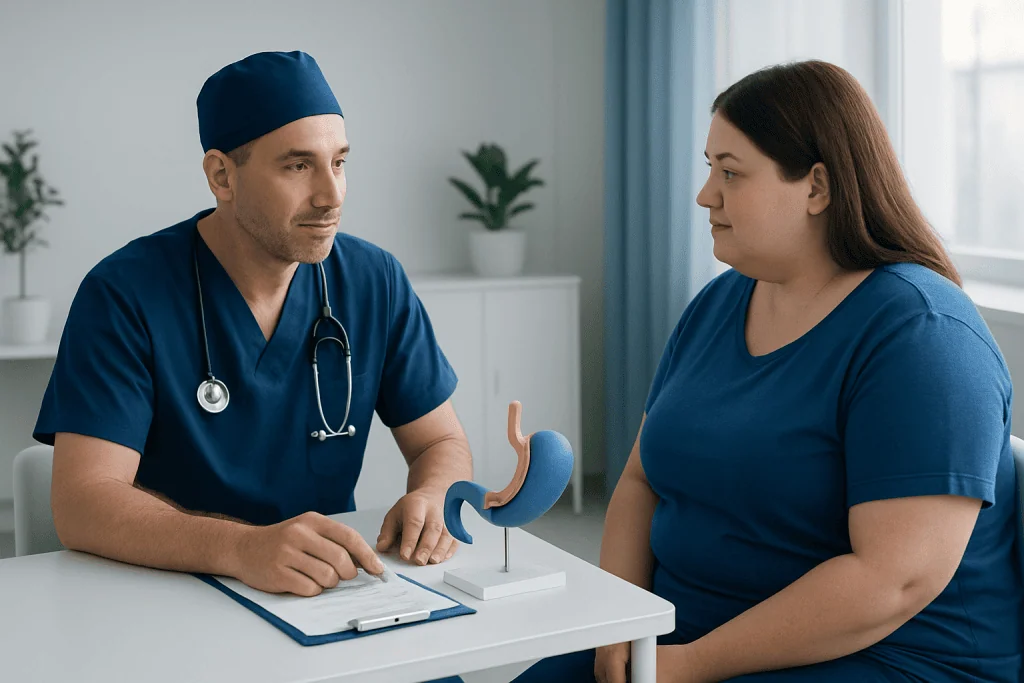
Whenever possible, bariatric surgeons often prefer a minimally invasive approach because of its recovery advantages. Laparoscopic sleeve surgery has become widely used because it usually reduces wound-related complications and supports a faster return to routine activities. Patients exploring gastric laparoscopic surgery often ask whether it is always possible, but the answer depends on individual circumstances.
Sometimes open surgery is planned from the beginning. In other cases, an operation that starts laparoscopically may need to be converted to open surgery for safety. Reasons may include dense scar tissue from previous operations, significant bleeding, unusual anatomy, difficulty seeing the surgical field clearly, or concerns about protecting nearby organs.
People with severe abdominal adhesions, very high surgical complexity, or large abdominal wall problems may be more likely to need open surgery. A history of prior abdominal procedures can influence planning, especially if there is concern for complications such as an incisional hernia. This does not mean minimally invasive surgery is impossible, but it does mean the surgeon must individualize the approach.
The underlying health condition also matters. For example, some candidates are being treated for severe excess weight associated with morbid obesity, diabetes, sleep apnea, or fatty liver disease. In these situations, the surgeon balances recovery goals with overall safety, technical feasibility, and the best chance of a smooth operation.
Pain, scars, mobility, and return to daily life
Pain is one of the most noticeable differences between the two methods. Minimally invasive surgery usually causes less postoperative pain because the incisions are smaller. Patients may still feel pressure, bloating, shoulder-tip pain from the gas used during laparoscopy, or tenderness near the port sites, but these symptoms often improve steadily over several days.
Open surgery tends to cause more discomfort along the larger incision, especially when standing up, coughing, or using the abdominal muscles. Because pain can limit movement, patients may take longer to walk comfortably and may need more help with basic tasks at first. Good pain management is important not only for comfort but also for lung function, mobility, and overall recovery.
Scarring also differs. Laparoscopic surgery leaves several small scars, while open surgery leaves one larger abdominal scar. For many patients, the main concern is not appearance but wound healing. Larger incisions can carry a higher risk of wound infection, fluid collection, or later weakness in the abdominal wall, which in some cases may contribute to hernia formation such as an epigastric hernia.
Return to daily activities depends on the person, the type of work they do, and whether there were any complications. After minimally invasive surgery, light activities are often resumed sooner, while heavy lifting usually still needs to be avoided for several weeks. Open surgery often requires a more gradual timeline before the abdomen feels strong enough for strenuous activity.
Nutrition, digestion, and long-term recovery
Although the incision size affects early healing, the internal recovery process is similar in both approaches. The stomach needs time to heal, so patients follow a staged diet that usually begins with clear fluids, progresses to full liquids, then pureed foods, soft foods, and eventually small regular meals. The exact timeline differs by surgeon and hospital protocol.
During this period, hydration is one of the most important goals. Because the new stomach is much smaller, patients must sip fluids slowly and regularly throughout the day. Drinking too fast, eating large bites, or advancing the diet too quickly can lead to nausea, discomfort, vomiting, or poor tolerance.
Long-term success after sleeve gastrectomy depends on habits that are the same whether surgery was open or minimally invasive. These include prioritizing protein, limiting high-sugar and high-fat foods, taking recommended vitamin and mineral supplements, attending follow-up appointments, and working with dietitians and other specialists as needed.
Digestive symptoms can occur after either approach. Some people notice reflux, constipation, food intolerance, or changes in appetite. These concerns are often manageable, but persistent vomiting, inability to drink enough, black stools, chest pain, or signs of dehydration need medical review. The surgical method changes the skin incisions, but the lifestyle commitment after the operation remains equally important for both groups.
Risks, possible complications, and warning signs
Both open and minimally invasive gastric sleeve surgery carry general surgical risks, including bleeding, infection, blood clots, anesthesia-related problems, and leakage from the staple line. The chance of any individual complication depends on personal health factors, surgical experience, and whether the procedure is straightforward or complex.
Minimally invasive surgery is often associated with fewer wound-related problems and quicker early recovery, but it is not risk-free. Open surgery can be the safer choice in selected situations, especially when direct access gives the surgeon better control during a difficult operation. A longer recovery does not mean the procedure was unsuccessful; it usually reflects the larger incision and more extensive healing process.
Patients should understand which symptoms are expected and which require urgent attention. Expected symptoms may include mild incision discomfort, tiredness, reduced appetite, and temporary changes in bowel habits. Warning signs include fever, worsening abdominal pain, rapid heart rate, shortness of breath, pus or spreading redness around the wound, repeated vomiting, inability to keep fluids down, or calf swelling.
Attending follow-up visits is essential because some complications are not obvious at home. The bariatric team monitors wound healing, hydration, weight loss, nutritional status, and adaptation to the new eating pattern. Early communication often helps small concerns stay manageable and prevents delays in treatment.
How to support healing and prepare for the best recovery
Preparation before surgery can make recovery smoother. Patients are often advised to stop smoking, improve blood sugar control if they have diabetes, review current medicines, and follow any preoperative diet recommended by their team. Building simple habits in advance, such as slow sipping, mindful eating, and regular walking, can also make the transition easier after surgery.
At home, recovery usually goes best when patients focus on a few basics: hydration, protein intake, walking several times a day, breathing exercises if advised, and careful wound care. It helps to arrange support for shopping, meal preparation, childcare, or transportation during the first days after discharge, especially after open surgery.
Emotional recovery matters too. Bariatric surgery changes eating patterns, body image, and daily routines. Some people feel excited and motivated, while others feel overwhelmed or unexpectedly emotional. Support from dietitians, psychologists, support groups, and family members can be very valuable during this adjustment period.
For people considering alternatives or comparing procedures, discussions may also include options such as gastric bypass or other weight-loss approaches depending on reflux, eating patterns, and medical history. Near the end of the treatment journey, patients may also choose follow-up care in specialized centers; Acibadem International’s multidisciplinary specialists and JCI-accredited hospitals diagnose and treat this condition for international patients.
When to speak with a bariatric surgeon
A consultation is helpful for anyone considering gastric sleeve surgery and wanting to understand how the choice of surgical approach may affect recovery. The surgeon can explain whether a minimally invasive operation is likely, what factors might increase the chance of conversion to open surgery, and what the expected timeline for returning to work and normal activities may be.
It is especially important to seek specialist advice if a person has severe obesity-related health problems, prior abdominal surgeries, hernias, reflux, or concerns about anesthesia risk. These details can influence procedure selection, preparation, and the postoperative plan. Questions about fertility, long-distance travel after surgery, and nutritional monitoring are also worth discussing in advance.
After surgery, patients should not wait for a routine appointment if they are unable to drink enough fluids, have repeated vomiting, worsening pain, fever, chest symptoms, or signs of a wound problem. Early medical attention is the safest way to protect recovery. Most concerns can be evaluated quickly, and prompt treatment may prevent more serious complications.
In general, minimally invasive surgery changes the early recovery experience more than the long-term lifestyle requirements. Whether the operation is open or laparoscopic, the best outcomes come from careful surgical planning, realistic expectations, and ongoing partnership with a qualified bariatric team.
Frequently asked questions
Is minimally invasive gastric sleeve surgery always better than open surgery?
Minimally invasive surgery usually offers a faster and more comfortable early recovery, with smaller scars and less pain. However, it is not automatically better for every patient. The safest option depends on anatomy, prior surgeries, overall health, and what the surgeon finds during the operation.
How much longer is recovery after open gastric sleeve surgery?
Recovery after open surgery is often slower because the abdominal incision is larger and may be more painful. Hospital stay can be longer, and return to full activity may take more time. The exact timeline varies from person to person and should be discussed with the surgical team.
Will weight loss results differ between open and minimally invasive sleeve surgery?
The surgical approach mainly affects early recovery rather than the basic weight-loss mechanism of the operation. Long-term results are more strongly linked to diet, physical activity, follow-up care, and consistency with lifestyle changes. Both approaches can be effective when the procedure heals well and the patient follows the treatment plan.
Why would a laparoscopic sleeve surgery be changed to an open operation?
A surgeon may convert to open surgery if there is bleeding, poor visibility, dense scar tissue, unexpected anatomy, or another safety concern. This decision is made to protect the patient, not because the surgery has failed. Conversion is sometimes the safest and most appropriate choice in a complex situation.
When can a person return to work after gastric sleeve surgery?
This depends on the type of surgery, the person's healing speed, and the physical demands of their job. Many people return sooner after minimally invasive surgery, especially for desk-based work, while open surgery may require a longer break. Heavy lifting and strenuous activity usually need to be postponed for a period recommended by the surgeon.
Are diet stages the same after open and minimally invasive sleeve gastrectomy?
Yes, the stomach itself heals in a similar way regardless of the skin incision size, so diet progression is generally similar. Patients usually move from liquids to pureed and then soft foods over time. The surgical team provides a personalized schedule based on healing and tolerance.
What symptoms after gastric sleeve surgery should prompt urgent medical advice?
Patients should seek prompt medical advice for fever, worsening abdominal pain, repeated vomiting, shortness of breath, chest pain, inability to drink enough fluids, or redness and discharge from the wound. Calf swelling, fainting, or a rapid heartbeat also need urgent attention. Early assessment can help identify dehydration, infection, blood clots, or other complications.
References
- American Society for Metabolic and Bariatric Surgery
- National Institute of Diabetes and Digestive and Kidney Diseases
- National Health Service
- Society of American Gastrointestinal and Endoscopic Surgeons
- World Health Organization
This article is for general information only and is not a substitute for professional medical advice. Please consult a qualified doctor about your individual situation.
Gastric Sleeve Surgery in Turkey — costs, top hospitals & a free quote
JCI-accredited · board-certified surgeons · reply within 24h
Add us as a Preferred Source to see more of our trusted health content across Google Search, AI Overviews and Discover.
Check your numbers in seconds
BMI, calories, due date, blood pressure and 30+ more clinical calculators — free, instant, doctor-reviewed ranges.

Bariatric & Metabolic Surgery
Surgical and endoscopic treatments for obesity and metabolic conditions.