Orthopedic Surgery in Older Adults: Benefits, Risks, and Recovery Considerations

Age alone does not decide whether orthopedic surgery is appropriate. The main goals are often pain relief, better function, and improved quality of life.
Key Takeaways
- Age alone does not decide whether orthopedic surgery is appropriate.
- The main goals are often pain relief, better function, and improved quality of life.
- Older adults may need extra attention to heart, lung, bone, medication, and cognitive health before surgery.
- Rehabilitation, nutrition, fall prevention, and family support can strongly influence recovery.
- Shared decision-making helps match treatment choices to the person's health status and daily goals.
Orthopedic surgery in older adults can improve pain, mobility, and independence when the benefits outweigh the risks. Careful assessment, thoughtful preparation, and a structured recovery plan are especially important in this age group.
Overview: What Orthopedic Surgery Means for Older Adults
Orthopedic surgery in older adults includes operations on bones, joints, ligaments, tendons, and the spine. Common examples include hip or knee replacement, fracture repair, and surgery for severe arthritis or spinal problems. Many older adults consider surgery when pain, stiffness, or weakness begins to limit walking, sleep, self-care, or participation in everyday life.
Growing older does not automatically rule out surgery. What matters more is the person’s overall health, level of independence, bone quality, heart and lung function, nutrition, and ability to take part in rehabilitation. Some people in their later years recover very well after orthopedic procedures, while others may do better with non-surgical treatment. The decision is individual and should be based on symptoms, goals, and medical evaluation.
The purpose of surgery is usually to reduce pain, improve movement, restore stability, or repair an injury. In many cases, surgery can help an older adult return to safer mobility and more comfortable daily function. At the same time, older adults may have higher risks related to anesthesia, slower healing, frailty, or multiple chronic conditions, so a careful balance of benefit and risk is essential.
Potential Benefits of Orthopedic Surgery

When orthopedic surgery is well chosen, the benefits can be meaningful. For many older adults, the biggest improvement is pain relief. Less pain may make it easier to walk, sleep, climb stairs, get dressed, or spend time with family and friends. Better joint function can also support independence and reduce the need for help with daily activities.
Some procedures are especially helpful when non-surgical measures no longer provide enough relief. For example, advanced joint damage from arthritis may be treated with knee replacement or hip replacement when pain is severe and movement is significantly limited. In other situations, surgery may repair a fracture, stabilize a weak joint, or correct a structural problem that affects balance and mobility.
Improved movement may have wider health benefits as well. When a person can walk more comfortably, they may become more active, which can support circulation, muscle strength, mood, and confidence. Better mobility may also reduce the complications that come from long periods of inactivity, such as deconditioning or loss of independence.
- Pain reduction
- Improved walking and balance
- Better ability to perform daily tasks
- Greater participation in rehabilitation and exercise
- Potential improvement in quality of life
Risks and Special Considerations in Seniors
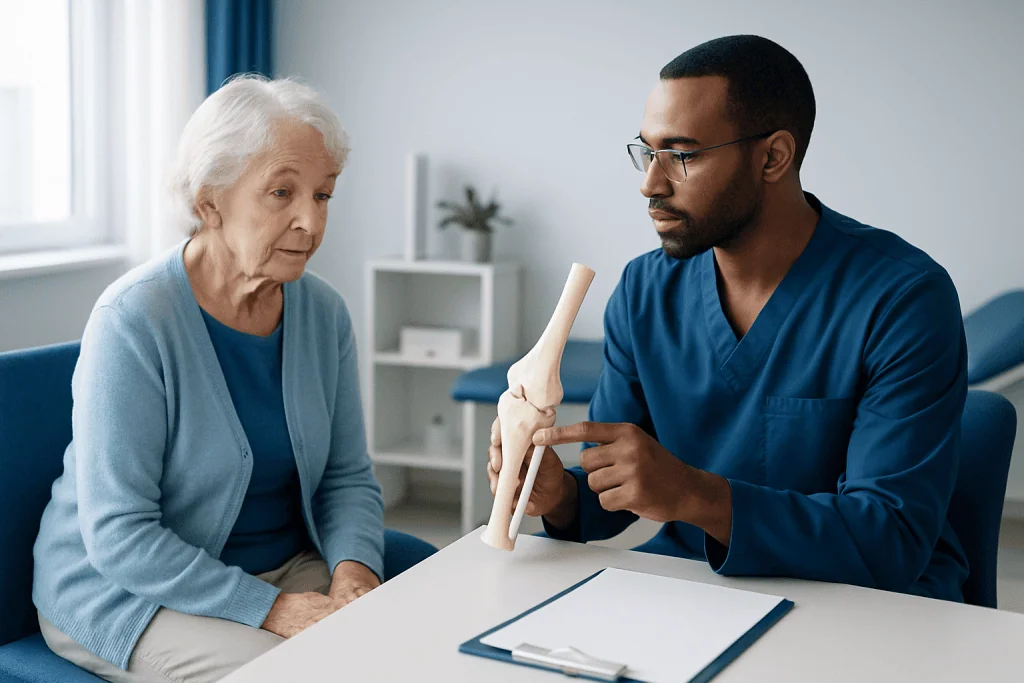
All surgery carries some risk, and these risks may be more complex in older adults. Possible concerns include infection, bleeding, blood clots, wound-healing problems, and complications related to anesthesia. Recovery may also take longer if the person has frailty, poor nutrition, reduced muscle mass, or chronic health conditions such as heart disease, diabetes, kidney disease, or lung disease.
Bone and tissue quality also matter. Older adults are more likely to have osteoporosis, which can affect fracture risk and surgical planning. Muscle weakness, balance problems, and vision changes may increase the risk of falls after surgery. Some people are also more sensitive to pain medicines or sedating medications, which can increase confusion, constipation, or drowsiness.
Cognitive health deserves special attention. After surgery, some older adults may experience temporary confusion or changes in attention, especially if they are already living with memory problems, dehydration, infection, sleep disruption, or medication side effects. A clear care plan, familiar support, regular orientation, and early movement can help reduce these difficulties.
These risks do not mean surgery should be avoided. Rather, they highlight the need for thorough preparation, realistic expectations, and coordinated care among orthopedic surgeons, anesthesiologists, internists, rehabilitation teams, and family caregivers.
How Doctors Decide if Surgery Is Appropriate
Choosing surgery usually begins with a detailed evaluation of symptoms and function. Doctors will ask how pain affects daily life, whether walking distance is limited, whether sleep is disturbed, and which treatments have already been tried. Imaging such as X-rays, MRI, or CT scans may help confirm the source of the problem. In some cases, the condition may relate to osteoarthritis or a fracture pattern that can be seen clearly on imaging.
Equally important is the preoperative assessment. The team may review heart and lung health, kidney function, medications, nutrition, blood tests, dental issues, and history of falls. They may also assess whether the person uses a walking aid, has support at home, or may need inpatient rehabilitation after the procedure. If several medical conditions are present, surgery planning may involve more than one specialist.
Shared decision-making is central. Some older adults prioritize pain relief and independence even if recovery will be demanding. Others prefer to avoid surgery if a non-surgical option can provide acceptable comfort. The best choice depends on the expected benefit, the person’s values, and whether the likely outcome matches their daily goals.
Doctors may also discuss non-surgical alternatives such as physical therapy, injections, bracing, pain management strategies, assistive devices, or activity modification. If these options still leave the person with significant pain or loss of function, surgery may become the more reasonable path.
Treatment Options and Surgical Approaches
The type of orthopedic surgery depends on the underlying problem. Joint replacement may be considered for advanced arthritis of the hip or knee when pain and stiffness are persistent. Fracture surgery is often needed when a broken bone is displaced, unstable, or unlikely to heal well without fixation. In selected patients, procedures involving the shoulder, hand, foot, ankle, or spine may also be appropriate.
For spinal conditions, surgery may be considered when nerve compression, instability, or severe pain does not improve with conservative treatment. In carefully selected cases, spine surgery can help relieve pressure on nerves or stabilize the spine. The exact approach depends on the person’s symptoms, imaging findings, and general health.
Whenever possible, surgeons aim for a treatment plan that balances effectiveness with safety. This may include minimally invasive techniques in some situations, blood-conservation strategies, infection prevention measures, and early mobilization after surgery. Pain control is usually multimodal, meaning it may combine different methods to reduce discomfort while limiting medication side effects.
Rehabilitation is part of treatment, not an afterthought. After procedures such as robotic knee replacement or standard joint replacement, physical therapy often begins early to encourage safe movement, maintain circulation, and rebuild strength. The pace is adjusted to the person’s condition, pain level, and confidence.
Recovery, Rehabilitation, and Home Support
Recovery after orthopedic surgery in older adults is shaped by more than the operation itself. The person’s strength before surgery, balance, nutrition, motivation, home environment, and family support all influence progress. Some recover at home with outpatient therapy, while others may benefit from inpatient rehabilitation or short-term skilled nursing support.
Early movement is often encouraged because it helps reduce stiffness, supports circulation, and lowers the risk of some complications. Physical therapists teach safe ways to stand, walk, use stairs, and perform exercises. Occupational therapists may help with dressing, bathing, and home adaptations such as raised toilet seats, handrails, or shower chairs.
Nutrition and hydration also matter. Older adults may heal better when they maintain adequate protein intake, fluids, and a balanced diet. Good sleep, regular bowel habits, careful medication management, and monitoring for swelling or wound changes are all practical parts of recovery. Family members or caregivers can be very helpful in organizing medicines, transportation, meals, and follow-up visits.
Recovery timelines vary. Some people notice steady improvement over weeks, while full recovery after major joint surgery may take several months. Setting realistic goals can help. The focus is usually on gradual improvement in comfort, confidence, and function rather than immediate perfection.
Prevention, Self-care, and Ways to Lower Surgical Risk
Not every orthopedic problem can be prevented, but several steps may help lower the need for surgery or improve readiness if surgery becomes necessary. Regular low-impact activity can support joint motion, muscle strength, and balance. Weight management may reduce stress on weight-bearing joints, especially the hips and knees. Fall prevention is also important, particularly for people with weaker bones or a history of fractures.
Before surgery, doctors may recommend optimizing chronic conditions such as diabetes or high blood pressure, stopping smoking, reviewing medications, and improving nutrition. Treating bone health issues, including osteoporosis, may also be important in people at risk of fractures. If symptoms are related to a condition such as osteoporosis, the broader bone-health plan should be addressed alongside the orthopedic problem.
At home, practical safety measures can make a difference both before and after an operation. These include removing loose rugs, improving lighting, wearing supportive footwear, and keeping frequently used items within easy reach. Using a cane or walker correctly may reduce strain and improve confidence when walking.
Near the end of the treatment journey, some international patients seek coordinated care at centers with orthopedic, anesthesia, internal medicine, and rehabilitation expertise. Acibadem International’s multidisciplinary specialists and JCI-accredited hospitals diagnose and treat orthopedic conditions in older adults, with care plans tailored to the individual’s needs.
When to See a Doctor
An older adult should consider medical evaluation if joint or bone pain persists, walking becomes more difficult, falls are increasing, or usual activities are becoming hard to manage. A doctor should also assess pain that disturbs sleep, marked stiffness, swelling, deformity, or weakness in a limb. Early evaluation may allow more options, including non-surgical treatment.
Prompt care is especially important after a fall, a suspected fracture, sudden inability to bear weight, or severe pain that begins suddenly. Urgent medical attention may also be needed for signs of complications after surgery, such as fever, worsening redness around the wound, drainage, calf swelling, chest pain, shortness of breath, or new confusion.
Even when symptoms are not urgent, it is reasonable to seek a specialist opinion if quality of life is declining. A thoughtful discussion can clarify the diagnosis, explain treatment choices, and help determine whether surgery, rehabilitation, or a conservative approach is most appropriate.
Frequently asked questions
Is orthopedic surgery safe for older adults?
Orthopedic surgery can be safe for many older adults when they are carefully evaluated and medically optimized before the procedure. Safety depends more on overall health, frailty, bone quality, and support during recovery than on age alone.
What are the most common orthopedic surgeries in seniors?
Common procedures include hip replacement, knee replacement, fracture repair, and some types of spine surgery. The right option depends on the cause of pain or disability, imaging findings, and the person’s daily goals.
How long does recovery take after joint replacement in an older person?
Early improvement often begins within weeks, but full recovery may take several months. The exact timeline depends on the type of surgery, preoperative strength, medical conditions, and participation in rehabilitation.
Can non-surgical treatment be tried first?
Yes, many people first try physical therapy, pain management strategies, injections, braces, walking aids, or activity changes. Surgery is often considered when these measures no longer provide enough relief or function.
What helps older adults recover better after orthopedic surgery?
Good recovery support usually includes early mobilization, physical therapy, proper nutrition, medication review, hydration, and fall prevention. Family or caregiver support can also make daily tasks and follow-up care easier.
What questions should an older adult ask before surgery?
Helpful questions include what benefit to expect, what risks are most relevant, how pain will be managed, what rehabilitation will involve, and what level of independence is realistic afterward. It is also useful to ask about home preparation and whether extra support will be needed during recovery.
References
- American Academy of Orthopaedic Surgeons
- National Institute on Aging
- Centers for Disease Control and Prevention
- National Institute of Arthritis and Musculoskeletal and Skin Diseases
- World Health Organization
This article is for general information only and is not a substitute for professional medical advice. Please consult a qualified doctor about your individual situation.
Joint and spine care in Turkey — expert assessment & treatment
JCI-accredited · board-certified surgeons · reply within 24h
Add us as a Preferred Source to see more of our trusted health content across Google Search, AI Overviews and Discover.

Orthopedics & Spine
Care for bones, joints and the musculoskeletal system, including joint replacement, sports injuries and trauma.
125 specialists in this unit