Orthopedic Surgery Recovery: What to Expect After Treatment
Recovery time after orthopedic surgery differs from person to person and from one procedure to another. Pain management, early safe movement, and physical therapy are central parts of recovery.
Key Takeaways
- Recovery time after orthopedic surgery differs from person to person and from one procedure to another.
- Pain management, early safe movement, and physical therapy are central parts of recovery.
- Following instructions for wound care, medicines, and activity limits helps lower the risk of complications.
- Swelling, stiffness, and tiredness are common early on, but worsening pain, fever, or drainage should be checked promptly.
- A structured rehabilitation plan supports a safer return to walking, work, sports, and daily activities.
Orthopedic surgery recovery is a gradual process that depends on the type of procedure, overall health, and rehabilitation plan. Most people recover best with good pain control, safe movement, wound care, and regular follow-up with their care team.
Overview of Orthopedic Surgery Recovery
Orthopedic surgery recovery refers to the healing period after an operation involving bones, joints, muscles, tendons, ligaments, or the spine. This may include procedures such as fracture repair, arthroscopy, ligament reconstruction, spinal surgery, or joint replacement. Recovery is not only about the surgical wound healing. It also includes regaining strength, movement, balance, confidence, and function in everyday life.
The recovery timeline depends on several factors, including the type of surgery, the body area treated, age, general health, fitness level, and whether there are other medical conditions such as diabetes or osteoporosis. Some people are up and walking the same day after surgery, while others need a longer period of protected movement or assistive devices such as crutches, a walker, or a brace.
For many patients, recovery happens in stages. The early phase focuses on pain relief, swelling control, wound healing, and preventing complications. The middle phase often centers on physical therapy and gradually returning to daily activities. The later phase may involve rebuilding endurance, flexibility, and strength so the person can return to work, exercise, or sports safely.
What to Expect in the First Days and Weeks
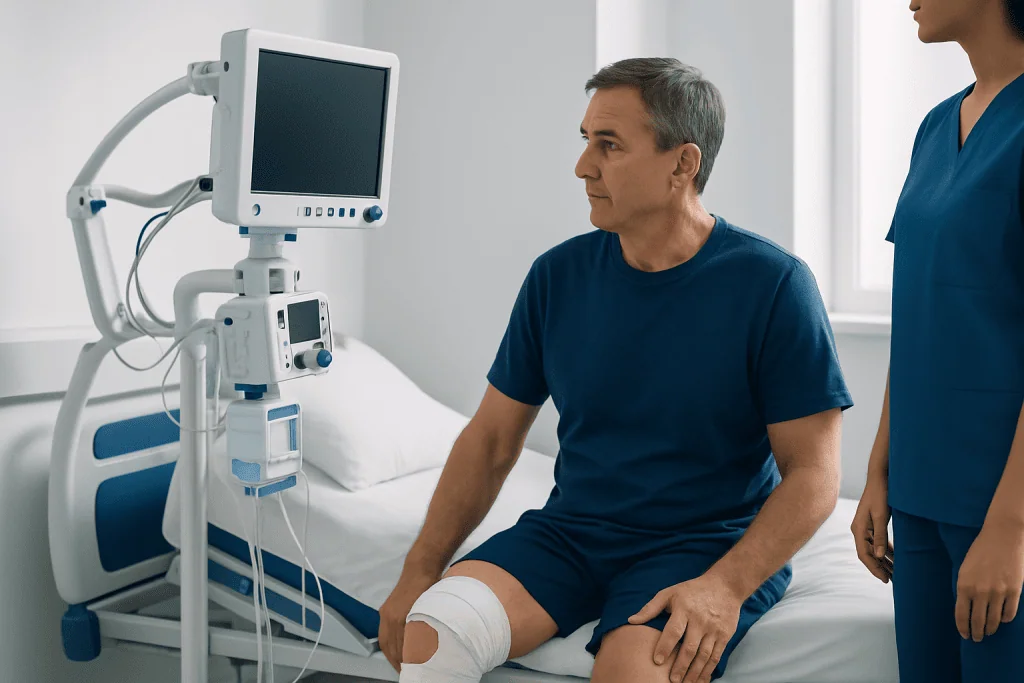
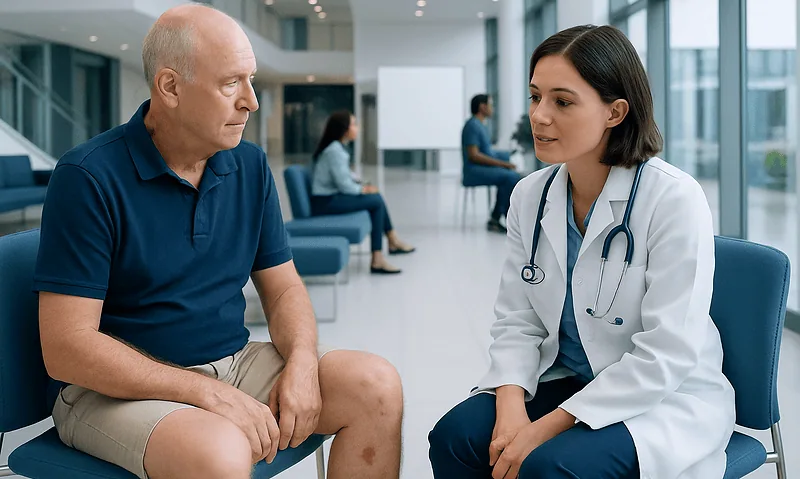
In the first days after orthopedic surgery, it is common to have pain, swelling, bruising, stiffness, and fatigue. These symptoms can feel more noticeable after the anesthesia wears off. Many patients also find that sleep is temporarily disrupted. This is a normal part of early healing, and symptoms usually improve gradually with rest, medication, and movement as advised by the surgeon.
Hospital stay length varies. Some procedures are done as day surgery, while others require one or more nights in the hospital. Before going home, the care team usually explains how to move safely, how to protect the operated area, when to shower, what medicines to take, and how to use any equipment. If needed, patients may also receive a plan for home support or inpatient rehabilitation.
It is often encouraged to start moving early, but movement must match the procedure and the surgeon’s instructions. Early activity may include ankle pumps, gentle walking, breathing exercises, or simple joint movements. These measures can help reduce stiffness and support circulation. For procedures such as knee replacement or hip replacement, the rehabilitation plan usually begins soon after surgery.
During the first few weeks, people often notice slow but steady progress rather than rapid changes. Some days may feel easier than others. Following the recommended routine, keeping follow-up appointments, and asking questions when needed can help recovery feel more manageable and predictable.
Pain, Swelling, and Mobility During Healing
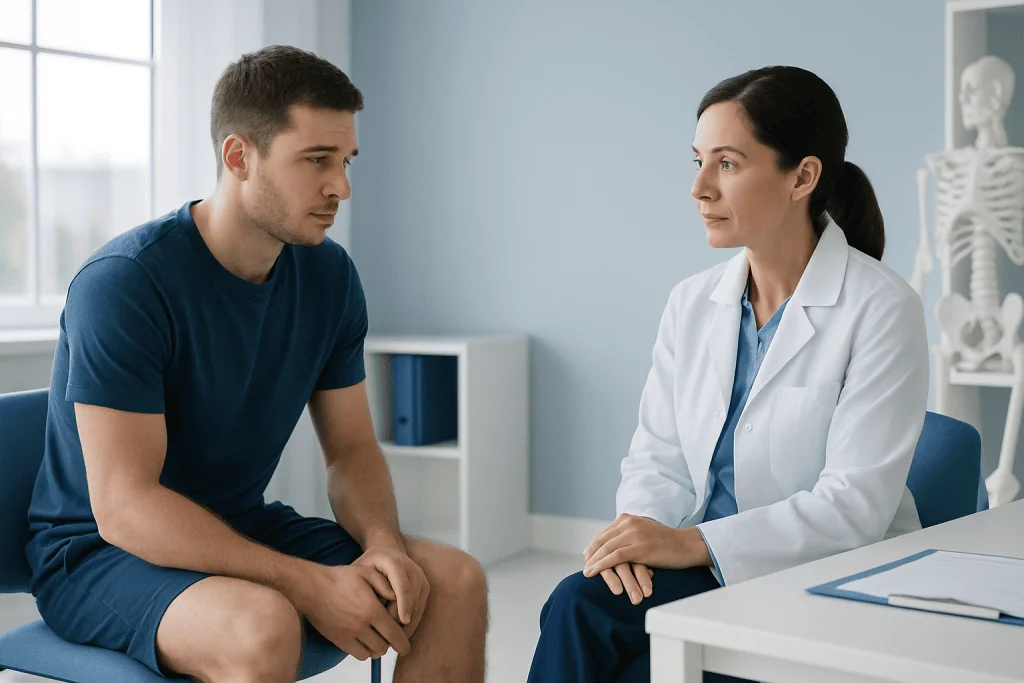
Pain control is an important part of orthopedic surgery recovery because it helps patients rest, move, and participate in rehabilitation. Doctors may recommend a combination of strategies such as prescribed medicines, ice, elevation, compression, and pacing of activities. Pain should usually become more manageable over time, although soreness after exercises or therapy sessions can happen.
Swelling is also common, especially after surgery on the knee, hip, ankle, shoulder, or spine. Elevating the limb when appropriate, using cold packs as instructed, and doing circulation exercises can help. Swelling often lasts longer than people expect. Mild to moderate swelling may continue for weeks or even months after some orthopedic procedures.
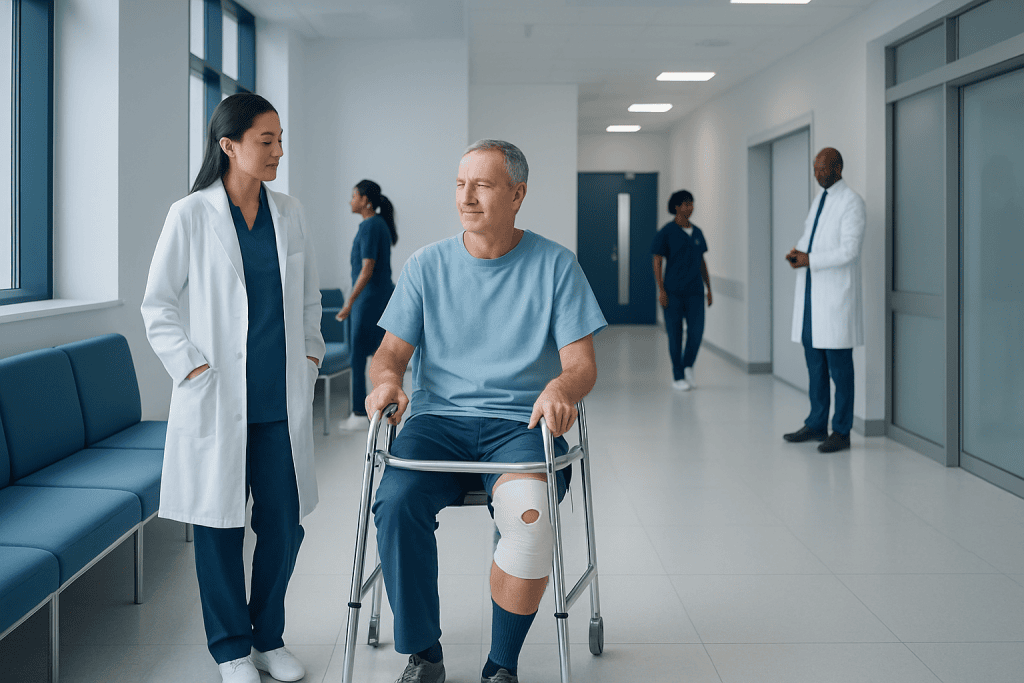
Mobility restrictions may be temporary but are very important to follow. Depending on the operation, a surgeon may advise partial weight-bearing, no weight-bearing, limited bending, or avoiding certain twisting motions. Using mobility aids correctly helps protect the repair while tissues heal. If a patient has surgery related to osteoarthritis, movement may feel easier over time as joint pain improves, but patience is still needed during early recovery.
Physical therapy often plays a central role. Therapy may focus on range of motion, gait training, strengthening, balance, posture, and safe transfers such as getting in and out of bed or a chair. Progress is individualized, and comparing recovery with other people is rarely helpful.
Factors That Affect Recovery Time
There is no single recovery schedule that fits every orthopedic procedure. A minimally invasive arthroscopy may have a shorter recovery than a complex fracture repair or spinal fusion. Soft tissues such as tendons and ligaments can also take time to heal, even when the skin looks better from the outside. In some cases, full recovery takes many months.
General health can strongly influence healing. Good nutrition, stable blood sugar, stopping smoking, and managing chronic conditions may support a smoother recovery. Muscle strength before surgery can matter as well. People who are active and well prepared before an operation may find rehabilitation easier, though each case is different.
Complications or unexpected findings can extend the timeline. For example, slower bone healing, persistent stiffness, nerve irritation, or infection may delay progress. Emotional health also matters. Worry, frustration, or fear of movement can affect confidence and participation in rehabilitation. Support from family, friends, and healthcare professionals can make recovery easier to cope with.
The exact procedure also shapes expectations. Recovery after arthroscopic surgery is often different from recovery after spine surgery. The surgeon and rehabilitation team are the best sources for explaining what milestones are realistic for a specific operation.
Rehabilitation, Exercise, and Return to Daily Life
Rehabilitation is one of the most important parts of orthopedic surgery recovery. It helps restore movement, strength, coordination, and confidence. A rehabilitation program may begin in the hospital and continue at home, in an outpatient physical therapy clinic, or in a dedicated rehabilitation setting. The plan usually changes over time as healing progresses.
Exercises are usually introduced step by step. Early exercises may aim to reduce stiffness, improve circulation, and activate key muscles. Later, therapy may become more focused on strength, balance, joint control, endurance, and task-specific function. Returning to driving, work, climbing stairs, sports, or lifting often depends on pain control, range of motion, strength, reaction time, and surgeon approval.
Daily activities should be resumed gradually. Many people feel better before the repaired tissues are fully healed, which can lead to overdoing it too soon. It is helpful to increase activity in small steps, rest when needed, and use good body mechanics. If pain or swelling clearly increases after activity, the body may need more time or a slower pace.
For some conditions, the operation is only one part of a broader treatment journey. For example, patients treated for a herniated disc may continue working on posture, core strength, and movement habits after surgery. Rehabilitation remains valuable even when pain has improved, because the goal is not only symptom relief but also long-term function and stability.
Self-care at Home and Preventing Complications
Home care after orthopedic surgery usually includes taking medicines as directed, keeping the wound clean and dry, using braces or supports correctly, and following advice about showering and dressing changes. It is important not to stop or change prescribed medicines without medical guidance. Patients should also understand any precautions related to blood clot prevention or infection prevention.
Nutrition and hydration support healing. A balanced diet with enough protein, vitamins, and minerals may help the body repair tissues and maintain energy. Smoking can reduce blood flow and delay wound and bone healing, so avoiding tobacco is strongly encouraged. Limiting alcohol may also be advised, especially when taking pain medicines or when balance and coordination are affected.
Preventing falls is another key part of safe recovery. Simple steps at home can help, such as removing loose rugs, improving lighting, keeping frequently used items within easy reach, and wearing supportive footwear. Patients using crutches or a walker should receive clear instructions on stairs and uneven surfaces.
Many hospitals, including Acibadem International, provide coordinated aftercare for international patients through multidisciplinary specialists in JCI-accredited hospitals. Even so, every patient should keep in contact with their local doctor or surgeon and seek medical advice if anything seems unusual during recovery.
When to See a Doctor
Some discomfort, swelling, and limited movement are expected after orthopedic surgery, but certain symptoms should be checked quickly. Patients should contact their doctor if they have worsening pain that is not relieved as expected, increasing redness around the incision, foul-smelling drainage, fever, chills, or the wound opening up. These may be signs that need prompt medical review.
It is also important to seek urgent help for possible circulation or breathing problems. Warning signs can include sudden calf pain or swelling, chest pain, shortness of breath, or coughing up blood. Although these problems are not common, they can be serious and should not be ignored.
Numbness, weakness, inability to move the limb as instructed, a new deformity, or a fall onto the operated area should also be reported. In some cases, the issue may be minor, but it is safer to let the surgical team decide. If the patient is unsure whether a symptom is normal, contacting the doctor or postoperative care team is the best step.
Regular follow-up visits are part of recovery, even when healing seems to be going well. These appointments allow the surgeon to check the wound, monitor bone or joint healing if needed, adjust activity recommendations, and guide the next stage of rehabilitation.
Frequently asked questions
How long does orthopedic surgery recovery usually take?
Recovery can range from a few weeks to several months, depending on the procedure and the patient's overall health. Simpler procedures may allow a faster return to normal activity, while joint replacement, fracture repair, or spine surgery often require a longer rehabilitation period.
Is pain normal after orthopedic surgery?
Yes, some pain and soreness are expected after surgery, especially in the first days and weeks. Pain should usually improve gradually with treatment, and patients should tell their doctor if pain becomes worse instead of better.
When can someone walk after orthopedic surgery?
Some patients can walk the same day, while others need to wait or use partial weight-bearing with crutches or a walker. The timing depends on the type of surgery and the surgeon's instructions, so walking plans should always be individualized.
Why is physical therapy important after orthopedic surgery?
Physical therapy helps restore movement, strength, balance, and safe function. It can also reduce stiffness and support a more confident return to daily activities, work, and exercise.
What are signs of complications after orthopedic surgery?
Possible warning signs include increasing redness, drainage, fever, worsening pain, calf swelling, chest pain, shortness of breath, or sudden weakness. These symptoms should be reported promptly because they may need urgent medical attention.
Can recovery be sped up by doing more exercise?
Doing too much too soon can sometimes delay healing rather than help it. Recovery is usually safest when exercise is increased gradually and follows the surgeon's and physical therapist's advice.
References
- American Academy of Orthopaedic Surgeons
- National Institute of Arthritis and Musculoskeletal and Skin Diseases
- National Health Service
- MedlinePlus
- OrthoInfo
This article is for general information only and is not a substitute for professional medical advice. Please consult a qualified doctor about your individual situation.
Joint and spine care in Turkey — expert assessment & treatment
JCI-accredited · board-certified surgeons · reply within 24h
Add us as a Preferred Source to see more of our trusted health content across Google Search, AI Overviews and Discover.

Orthopedics & Spine
Care for bones, joints and the musculoskeletal system, including joint replacement, sports injuries and trauma.
125 specialists in this unit