Osteoporosis: Diagnosis, Outlook, and Modern Treatment Approaches

Osteoporosis often develops silently until a fracture occurs. A bone density test is the main tool used to diagnose osteoporosis and assess fracture risk.
Key Takeaways
- Osteoporosis often develops silently until a fracture occurs.
- A bone density test is the main tool used to diagnose osteoporosis and assess fracture risk.
- Treatment may include exercise, nutrition, fall prevention, and medicines that slow bone loss or build bone.
- Older adults, postmenopausal women, and people using long-term steroids have a higher risk.
- Prompt medical care is important after a low-impact fracture, sudden back pain, or noticeable height loss.
Osteoporosis is a common condition that makes bones thinner, weaker, and more likely to break. Early diagnosis, lifestyle measures, and modern treatments can slow bone loss, strengthen bone, and reduce the risk of fractures.
Overview: what osteoporosis means
Osteoporosis is a condition in which bones lose density and internal strength, making them more fragile and easier to break. It most often affects the spine, hip, and wrist, but any bone can be involved. Many people do not notice symptoms in the early stages, which is why it is often discovered only after a fracture or during testing for bone health.
Although osteoporosis becomes more common with age, it is not an inevitable part of getting older. Bone is living tissue that is constantly being broken down and rebuilt. When bone loss happens faster than bone formation, the skeleton becomes less able to withstand normal stress. This can lead to fractures after a minor fall, a simple twist, or sometimes even without a clear injury.
The outlook for osteoporosis is often better when it is recognized early. Modern care focuses not only on confirming the diagnosis, but also on identifying the reason for bone loss, estimating future fracture risk, and choosing strategies that help maintain mobility and independence. In some cases, osteoporosis may be linked with other conditions affecting the bones and spine, such as spinal curvature disorders that can further influence posture and comfort.
Symptoms and possible complications
Osteoporosis is sometimes called a “silent” condition because it may cause no obvious symptoms at first. A person can feel entirely well while bone density slowly decreases over time. For this reason, screening and risk assessment are especially important in people with known risk factors.
When symptoms do appear, they are often related to fractures or changes in posture. Common warning signs include sudden back pain, loss of height over time, a stooped posture, or a fracture that happens after a low-impact fall. Compression fractures in the spine may cause ongoing pain, reduced flexibility, and difficulty standing upright for long periods.
Possible complications include chronic pain, limited movement, reduced balance, and loss of confidence with walking or daily activities. Hip fractures deserve special attention because they can significantly affect independence and recovery. Preventing the first fracture is an important goal, but preventing additional fractures after one has occurred is equally important.
- Back pain that starts suddenly or worsens after minor strain
- Loss of height compared with earlier adult height
- Rounded upper back or stooped posture
- Fracture after a small fall or minor bump
Causes and risk factors
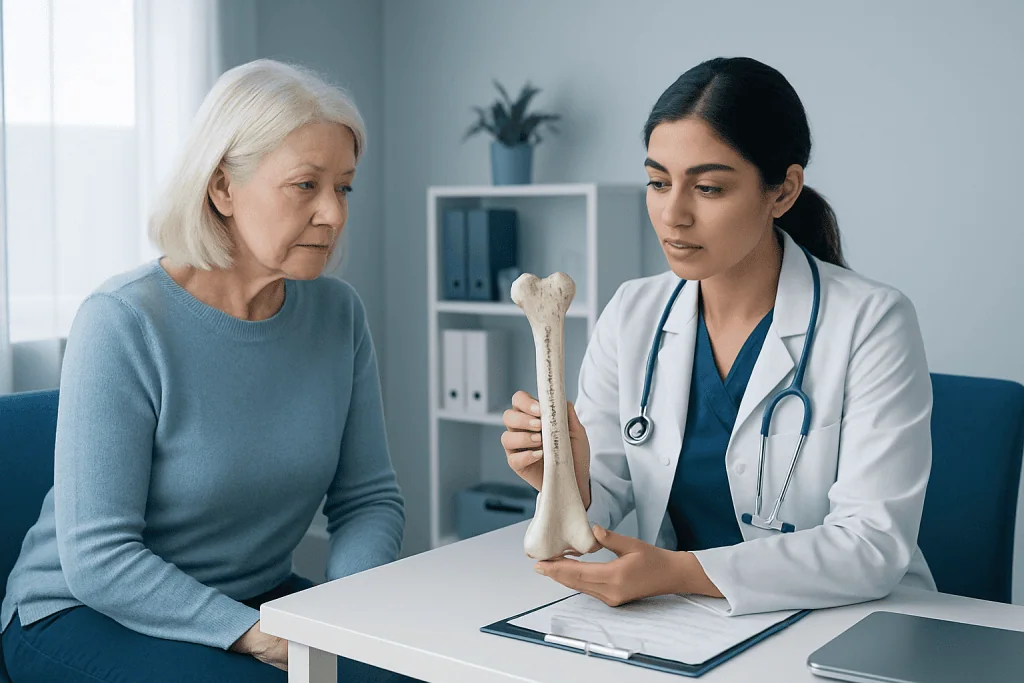
Bone strength depends on both bone density and bone quality. Osteoporosis usually develops because bone breakdown gradually exceeds bone formation. Age-related hormonal changes play a major role, especially after menopause when estrogen levels fall. Men can also develop osteoporosis, particularly later in life or when other medical factors are present.
Some people have primary osteoporosis related mainly to aging and menopause, while others have secondary osteoporosis caused by another health issue or medicine. Long-term corticosteroid use is a well-known cause. Other contributing conditions may include thyroid disorders, low sex hormone levels, digestive diseases that reduce nutrient absorption, chronic kidney disease, inflammatory illnesses, and low body weight. Reduced mobility can also weaken bones over time.
Lifestyle factors matter as well. Low calcium or vitamin D intake, smoking, excess alcohol use, and a sedentary routine can all increase risk. Family history is another important clue, particularly if a parent had a hip fracture. People with balance problems or muscle weakness may also face a higher fracture risk because they are more likely to fall.
- Older age
- Female sex, especially after menopause
- Family history of osteoporosis or hip fracture
- Long-term steroid treatment
- Low body weight or poor nutrition
- Smoking, heavy alcohol use, and inactivity
How osteoporosis is diagnosed
Diagnosis begins with a medical history, a review of fracture risk, and a physical examination. The doctor will ask about prior fractures, family history, menopause history, medicines, nutrition, falls, and chronic conditions that can affect bone health. Height measurement is important because gradual height loss may suggest vertebral compression fractures.
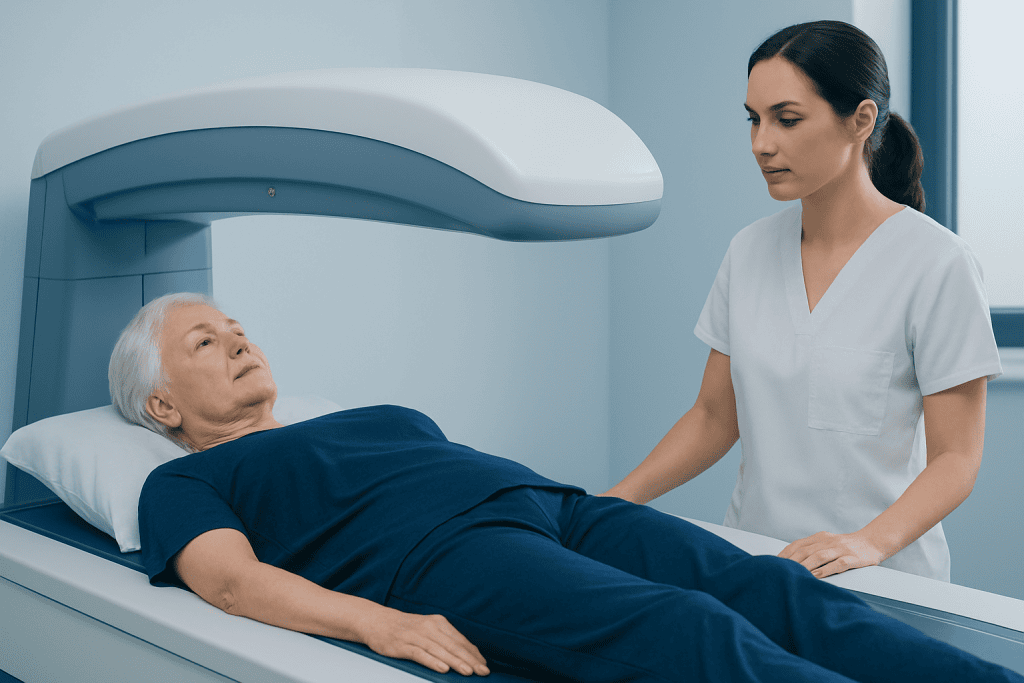
The main test for diagnosing osteoporosis is a bone mineral density scan, usually performed with dual-energy X-ray absorptiometry, often called a DXA or DEXA scan. This painless test measures bone density most commonly at the hip and spine. Results help doctors determine whether bone density is normal, low, or in the osteoporosis range, and they also help guide follow-up and treatment decisions.
Doctors may also use fracture risk tools that combine bone density with age, sex, weight, smoking status, steroid use, and other factors. Blood and urine tests can be useful when secondary osteoporosis is suspected, because they may detect problems such as vitamin D deficiency, thyroid disease, kidney problems, or calcium imbalance. In some situations, spinal imaging is recommended to look for compression fractures that may not have been recognized. Broader imaging support, including MRI or other studies when clinically indicated, may help evaluate back pain or fractures in selected cases.
Modern treatment approaches
Treatment aims to reduce fracture risk, preserve mobility, relieve pain when fractures are present, and support long-term bone health. The best plan depends on bone density results, age, fracture history, overall health, and the likelihood of future fractures. Many people benefit from a combination of lifestyle changes and medication rather than a single approach.
Nutrition is a basic part of care. Adequate calcium and vitamin D support bone maintenance, though supplements should be tailored to individual needs rather than taken automatically in high amounts. Weight-bearing and muscle-strengthening exercise are also important because they help stimulate bone, improve posture, and reduce fall risk. Balance training can be especially helpful for older adults.
Several medicines are used in osteoporosis care. Some reduce bone breakdown, while others help build new bone. A doctor will choose treatment based on fracture risk, previous fractures, kidney function, menopausal status, and other health considerations. Monitoring is important because treatment may need adjustment over time, and doctors may repeat bone density testing to assess response.
When fractures cause significant pain or mobility problems, more specialized care may be needed. This can include rehabilitation, pain management, or procedures in selected cases. People with spine fractures or persistent back symptoms may benefit from an orthopedic or spine evaluation, and some may require orthopedic rehabilitation to regain strength and confidence in movement. If a fracture has already occurred, targeted fracture treatment may be part of recovery planning.
Prevention and self-care
Protecting bone health starts well before a fracture occurs. Regular physical activity, especially weight-bearing exercise such as walking and resistance training, supports both bone and muscle. Exercise also helps coordination and reaction time, which can lower the risk of falls. People starting a new program should choose activities suited to their age, balance, and general fitness.
Daily habits matter. A balanced diet that provides enough calcium, protein, and vitamin D can support bone maintenance. Avoiding smoking and limiting alcohol intake are also recommended. For people at higher risk, a doctor may advise screening earlier or more often, especially if there is a family history or long-term steroid use.
Home safety is another practical part of prevention. Good lighting, secure rugs, handrails, appropriate footwear, and vision checks can all help reduce falls. People who have already been diagnosed with osteoporosis should ask which movements are safe, particularly if they have spine fractures or marked bone loss. For some individuals with posture changes, back pain, or spinal fractures, assessment related to spine care and surgery may occasionally be appropriate, though many cases are managed without surgery.
Outlook and living well with osteoporosis
The outlook for osteoporosis depends on fracture history, overall health, and how early the condition is identified. Many people live active, independent lives with osteoporosis when it is managed consistently. Bone density may stabilize or improve with treatment, and fracture risk can often be lowered significantly with the right combination of medication, exercise, nutrition, and fall prevention.
Living well with osteoporosis often means thinking beyond bone density alone. Strength, balance, posture, pain control, and confidence in movement all influence quality of life. Follow-up appointments help doctors review treatment response, side effects, and any changes in risk. It is also useful to review all medicines regularly, since some can increase dizziness or fall risk.
Some people feel anxious after an osteoporosis diagnosis, especially if they have seen a loved one experience fractures. Reassurance and education are important. With a clear care plan and ongoing monitoring, many patients continue their usual routines safely. Near the end of the care pathway, some may seek coordinated support from centers such as Acibadem International, where multidisciplinary specialists in JCI-accredited hospitals diagnose and treat osteoporosis for international patients.
When to seek medical care
Medical advice is important if a person has risk factors for osteoporosis, especially after menopause, during long-term steroid treatment, or after age-related height loss. It is also sensible to ask about bone health after a low-impact fracture, even if the injury seemed minor at the time.
Prompt evaluation is recommended for sudden or severe back pain, a new stooped posture, loss of height, or difficulty walking after a fall. These signs may suggest a vertebral or hip fracture and should not be ignored. Emergency care may be needed if there is severe pain, inability to stand, or a suspected broken hip.
People already diagnosed with osteoporosis should contact a doctor if they develop new pain, have a fall, experience side effects from medication, or are unsure how to exercise safely. Early assessment can help prevent further injury and support a more effective treatment plan.
Frequently asked questions
Can osteoporosis be cured?
Osteoporosis is usually managed rather than completely cured. However, treatment can slow bone loss, improve bone strength in some people, and lower the risk of fractures. Early diagnosis and regular follow-up make a meaningful difference.
What is the main test for osteoporosis?
The main test is a bone mineral density scan called a DXA or DEXA scan. It is quick, painless, and commonly measures bone density at the hip and spine. The results help determine whether treatment is needed.
Who should be screened for osteoporosis?
Screening is commonly recommended for older adults and postmenopausal women, especially if they have additional risk factors. People taking long-term steroids, those with low body weight, and anyone with a low-impact fracture may also need testing. A doctor can advise on the right timing.
Are there symptoms before a fracture happens?
Often there are no clear symptoms in early osteoporosis. Some people notice gradual height loss or posture changes over time, but many do not realize they have the condition until a fracture occurs. That is why screening can be important.
What kinds of exercise are good for osteoporosis?
Weight-bearing, muscle-strengthening, and balance exercises are often helpful. Walking, resistance training, and guided balance work may support bone and reduce fall risk. Exercise should be matched to the person's fitness level and fracture risk.
Does everyone with osteoporosis need medication?
Not everyone needs the same treatment. Some people may be managed with lifestyle changes and monitoring, while others need medicine because their fracture risk is higher. The decision depends on bone density, age, prior fractures, and overall health.
References
- World Health Organization
- National Institute of Arthritis and Musculoskeletal and Skin Diseases
- National Osteoporosis Foundation
- International Osteoporosis Foundation
- Mayo Clinic
This article is for general information only and is not a substitute for professional medical advice. Please consult a qualified doctor about your individual situation.
Joint and spine care in Turkey — expert assessment & treatment
JCI-accredited · board-certified surgeons · reply within 24h
Add us as a Preferred Source to see more of our trusted health content across Google Search, AI Overviews and Discover.