Osteoporosis: Early Warning Signs, Risk Factors, and Bone Density Testing
Osteoporosis often causes no symptoms until a fracture happens. Bone density testing can detect weak bones before a break occurs.
Key Takeaways
- Osteoporosis often causes no symptoms until a fracture happens.
- Bone density testing can detect weak bones before a break occurs.
- Age, menopause, family history, low body weight, smoking, and some medicines can raise risk.
- Treatment may include lifestyle changes, calcium and vitamin D guidance, exercise, and medication.
- Early medical evaluation is important after height loss, back pain, or a fracture from a minor fall.
Osteoporosis is a common condition that makes bones thinner, weaker, and more likely to break. Because it often develops without clear symptoms, understanding early warning signs, risk factors, and bone density testing is an important part of prevention and early treatment.
Overview of Osteoporosis
Osteoporosis is a disease in which bones lose strength and become more fragile. Healthy bone is living tissue that is constantly being broken down and rebuilt. When bone loss happens faster than bone formation, the internal structure of the bone becomes less dense and more porous, increasing the chance of fractures.
This condition is especially common with aging, but it is not an inevitable part of getting older. Osteoporosis can affect anyone, although it is more common in women after menopause. Men can also develop osteoporosis, particularly later in life or when other medical conditions or medications affect bone health.
One reason osteoporosis is often called a “silent disease” is that many people do not notice symptoms in the early stages. The first sign may be a broken bone after a minor fall, a sudden movement, or even everyday activity. Fractures related to osteoporosis most often involve the hip, spine, or wrist.
Learning about osteoporosis early gives people a better chance to protect their bones. Bone-friendly habits, screening in people at higher risk, and timely treatment can help reduce fractures and support long-term mobility and independence.
Early Warning Signs and Symptoms
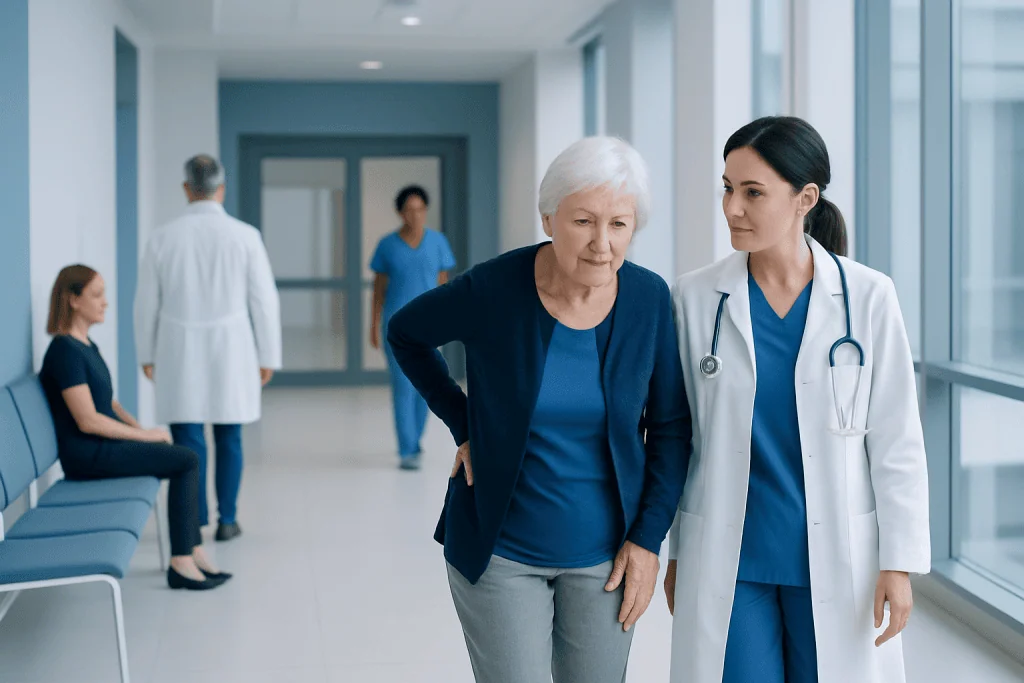
In its early stages, osteoporosis usually does not cause pain or obvious discomfort. This is why people may have significant bone loss without knowing it. Still, some subtle signs can suggest that bone strength is declining and deserves medical attention.
Possible warning signs include loss of height over time, a stooped or hunched posture, and back pain that may result from small spinal fractures. A fracture that happens more easily than expected, such as after a minor fall from standing height, can also be an important clue. These are sometimes called fragility fractures.
Symptoms are often related not to the bone loss itself, but to the complications it causes. Spinal compression fractures may lead to chronic back pain, reduced height, or changes in posture. Hip fractures can severely affect mobility, while wrist fractures may occur when someone tries to break a fall with an outstretched hand.
Because signs can be easy to miss, people with risk factors should not wait for symptoms before discussing screening with a doctor. Early evaluation is especially helpful if there is a history of fracture, noticeable height loss, or persistent back pain.
Causes and Risk Factors
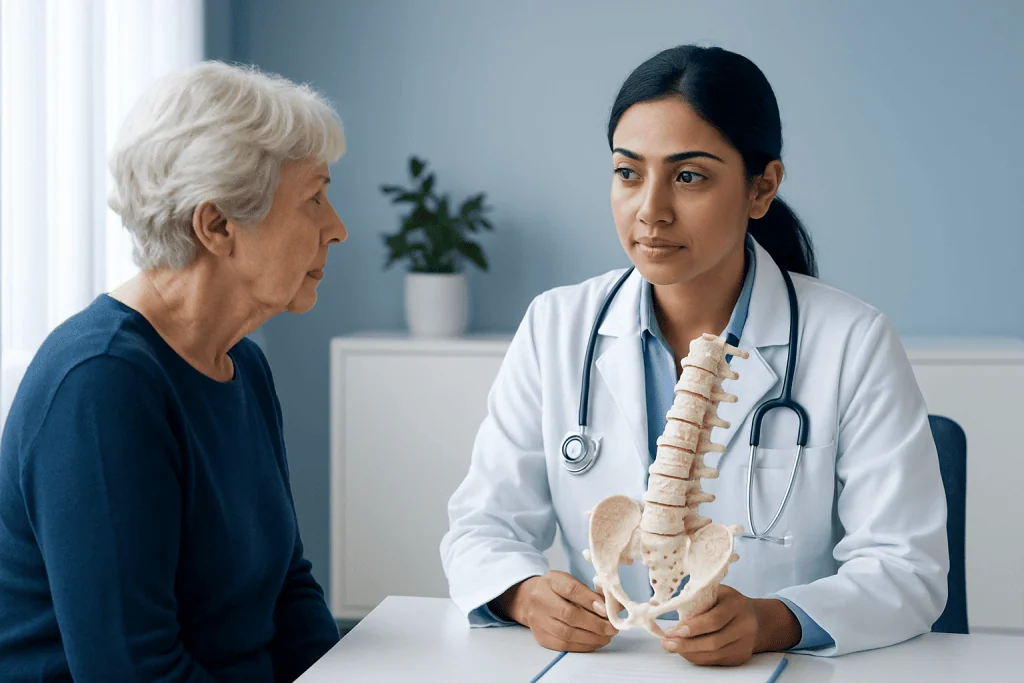
Bone strength depends on many factors, including age, hormones, nutrition, physical activity, and overall health. Peak bone mass is usually reached in early adulthood. After that, bone breakdown gradually increases. When this imbalance becomes significant, osteoporosis can develop.
Some risk factors cannot be changed. These include older age, female sex, menopause, family history of osteoporosis or hip fracture, and a naturally small body frame. Hormonal changes are especially important; declining estrogen after menopause accelerates bone loss, while low testosterone in men can also contribute.
Other risk factors are related to lifestyle or medical conditions. These include low calcium or vitamin D intake, limited weight-bearing exercise, smoking, excessive alcohol use, low body weight, and poor nutrition. Long-term use of corticosteroids and some other medications can weaken bones over time. Certain conditions, such as thyroid disorders, digestive diseases that reduce nutrient absorption, inflammatory diseases, and chronic kidney disease, may also increase risk.
Doctors sometimes distinguish between primary osteoporosis, often related to aging and menopause, and secondary osteoporosis, which results from an underlying condition or medication. Identifying the cause matters because treatment may involve both protecting the bones and addressing the factor that is driving bone loss.
Bone Density Testing and Diagnosis
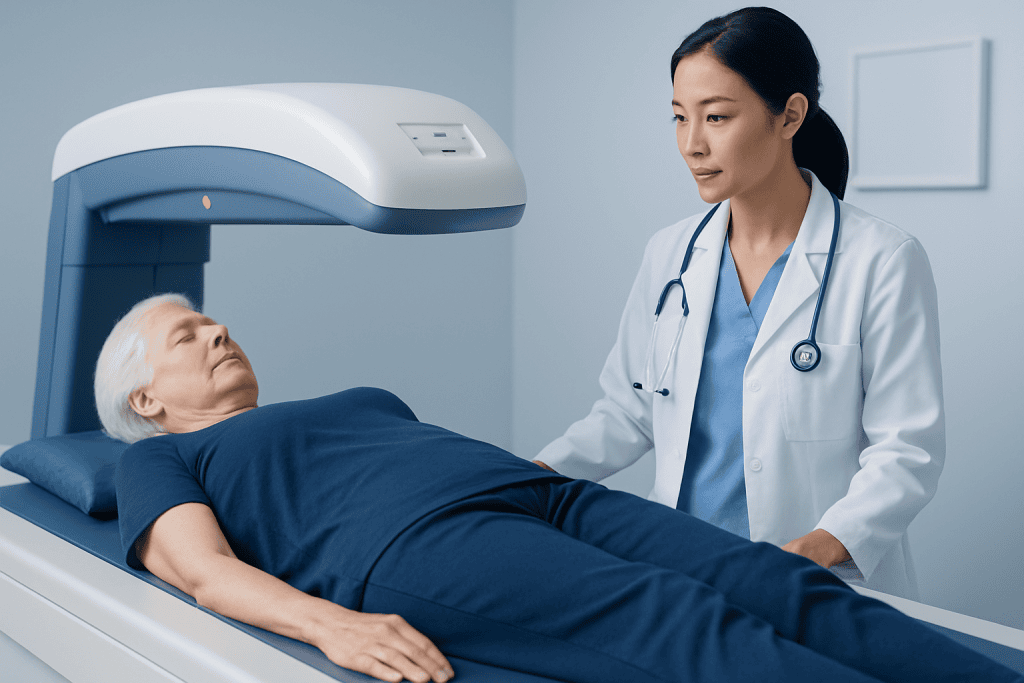
Bone density testing is the main way to diagnose osteoporosis before a fracture occurs. The most common test is a dual-energy X-ray absorptiometry scan, often called a DEXA or DXA scan. This test measures bone mineral density, usually at the hip and spine, and helps estimate fracture risk.
A DEXA scan is simple, painless, and uses a very low dose of radiation. During the test, the patient lies on a table while a scanner passes over the body. The results are usually reported as a T-score, which compares bone density with that of a healthy young adult. A lower score suggests weaker bones, and a doctor interprets the result together with age, fracture history, and other risk factors.
Diagnosis is not based on bone density alone. A doctor may also ask about previous fractures, family history, medications, menstrual history, diet, exercise, smoking, alcohol use, and other health conditions. Height measurement, posture changes, and a physical examination can provide additional clues. In some cases, blood or urine tests are used to look for vitamin D deficiency, hormonal causes, or other medical conditions that may be affecting bone health.
People may be advised to have bone density testing based on age, sex, menopause status, fracture history, or long-term use of medicines that affect bones. Testing may also be recommended after a low-impact fracture or if there are concerns about conditions linked to bone loss. If a person has related spinal symptoms, evaluation may overlap with assessment for back pain conditions.
Treatment Options
Treatment for osteoporosis aims to reduce the risk of fractures, slow bone loss, and, when possible, improve bone strength. The best plan depends on the person’s age, bone density results, fracture history, overall health, and the presence of any underlying causes. Treatment often combines lifestyle measures with medical therapy.
Doctors commonly recommend adequate calcium intake, vitamin D support, and regular physical activity, especially weight-bearing and muscle-strengthening exercise. Balance training and fall-prevention strategies are also important, particularly for older adults. If smoking or heavy alcohol use is present, reducing these can support better bone health.
Medication may be advised for people with osteoporosis or those at high risk of fracture. Several types of medicine can help slow bone loss or build bone. The choice depends on individual risk, tolerance, and medical history. A doctor will explain the expected benefits, possible side effects, and how long treatment should continue. Some patients may also need evaluation and management of related hormonal or metabolic issues through services such as endocrinology and metabolic disease care.
If a fracture has already occurred, treatment may include pain management, rehabilitation, and specialist care. Vertebral fractures may require assessment by spine specialists, while hip fractures often need urgent orthopedic treatment. In appropriate cases, related support may involve orthopedics and traumatology and structured physical therapy and rehabilitation to restore movement and function.
Prevention and Self-care
Good bone health starts long before osteoporosis develops. Preventive habits are helpful at any age, but they are especially important during childhood, adolescence, and early adulthood, when the body builds its strongest bones. Even later in life, healthy choices can slow bone loss and lower fracture risk.
Practical steps include eating a balanced diet with enough calcium and protein, getting appropriate vitamin D, and staying physically active. Weight-bearing exercise, such as walking, stair climbing, dancing, or resistance training, helps stimulate bones and muscles. Exercises that improve balance and coordination may reduce the risk of falls.
Home safety is another important part of self-care, especially for older adults. Removing tripping hazards, improving lighting, using supportive footwear, and reviewing vision and hearing can all help prevent falls. People who feel unsteady should discuss mobility aids or exercise programs with a healthcare professional.
Self-care also includes regular checkups and discussing risk factors early. People should tell their doctor about any family history of osteoporosis, previous fractures, medication use, or changes such as height loss or posture changes. Bone health may also be part of broader evaluation in people living with joint and spine concerns, including scoliosis or other long-term musculoskeletal issues.
When to See a Doctor
A person should consider medical advice if they have risk factors for osteoporosis, especially after menopause, in older age, or if they have been using corticosteroids for a long time. Evaluation is also important after a fracture caused by a minor fall or other low-impact event, since this can be a sign of weak bones.
Back pain, loss of height, or a more stooped posture should not be ignored, particularly in older adults. These changes may reflect compression fractures in the spine. Prompt assessment can help identify the cause and guide treatment to reduce the risk of further injury.
Anyone concerned about bone density, balance problems, or repeated falls should discuss these issues with a qualified doctor. Personalized advice is important because fracture risk depends on several factors, not just age or bone density alone. When needed, multidisciplinary assessment can coordinate bone, hormonal, rehabilitation, and fall-prevention care.
For international patients seeking evaluation and treatment, Acibadem International’s multidisciplinary specialists and JCI-accredited hospitals provide care for osteoporosis and related bone health concerns. A timely diagnosis and an individualized plan can help people protect their bones and stay active safely.
Frequently asked questions
What is the first sign of osteoporosis?
Osteoporosis often has no clear early symptoms. In many people, the first noticeable sign is a fracture after a minor fall or everyday movement. Height loss, back pain, or a stooped posture can also be warning signs.
Who is most at risk for osteoporosis?
Risk is higher in older adults, especially women after menopause. Other important factors include family history, low body weight, smoking, low calcium or vitamin D intake, lack of exercise, and long-term use of corticosteroid medicines. Men can also develop osteoporosis, particularly with aging or certain health conditions.
What is a bone density test?
A bone density test, usually a DEXA scan, measures how dense and strong the bones are. It is a quick, painless test that helps doctors detect osteoporosis and estimate fracture risk. The results can guide decisions about monitoring and treatment.
Can osteoporosis be prevented?
Osteoporosis cannot always be completely prevented, but risk can often be reduced. Adequate calcium and vitamin D, regular weight-bearing exercise, not smoking, limiting alcohol, and fall prevention all support bone health. Screening is also important for people with higher risk.
Is osteoporosis reversible?
Osteoporosis is usually managed rather than fully reversed. Treatment can slow bone loss, improve bone strength in some cases, and reduce the chance of fractures. The outcome depends on the severity of bone loss, the person’s overall health, and how early treatment begins.
When should someone have bone density testing?
The right timing depends on age, sex, menopause status, medications, fracture history, and other risk factors. A doctor may recommend testing for older adults, people with previous low-impact fractures, or those taking medicines known to weaken bones. Individual medical advice is the best guide.
References
- World Health Organization
- International Osteoporosis Foundation
- National Institute on Aging
- National Institute of Arthritis and Musculoskeletal and Skin Diseases
- Endocrine Society
This article is for general information only and is not a substitute for professional medical advice. Please consult a qualified doctor about your individual situation.
Joint and spine care in Turkey — expert assessment & treatment
JCI-accredited · board-certified surgeons · reply within 24h
Add us as a Preferred Source to see more of our trusted health content across Google Search, AI Overviews and Discover.