Over Survival: An Evidence-Based Guide for Patients

Over survival is a broad term and needs a specific disease or health situation to be meaningful. Survival estimates describe groups of patients, not exactly what will happen to one person.
Key Takeaways
- Over survival is a broad term and needs a specific disease or health situation to be meaningful.
- Survival estimates describe groups of patients, not exactly what will happen to one person.
- Stage of disease, treatment response, age, and other medical conditions often influence outlook.
- Clear conversations with a doctor can help patients understand their personal prognosis and options.
- Healthy habits, follow-up care, and symptom monitoring can support quality of life and long-term outcomes.
Over survival is not a medical diagnosis by itself. It is best understood as a general question about how long people live after a disease, treatment, or serious health event, and that outlook depends on the specific condition, stage, response to treatment, and overall health.
Overview: what “over survival” means
Over survival is a broad, non-technical phrase often used when people want to understand life expectancy or prognosis after a diagnosis, treatment, or major health event. In practical terms, it usually refers to the chance of living for a certain period of time after a condition is found or after treatment begins. The exact meaning depends on the disease being discussed.
Doctors and researchers usually use more precise terms such as overall survival, progression-free survival, disease-free survival, and prognosis. These terms help describe outcomes in a clearer way. For example, overall survival means how long patients are alive after diagnosis or treatment, while disease-free survival focuses on the length of time with no signs of a disease returning.
It is important for patients to know that survival figures are based on large groups of people. They help guide planning and treatment decisions, but they cannot predict exactly what will happen to one individual. Personal outlook may be better or worse than a published estimate depending on age, general health, the biology of the disease, and how well treatment works.
How survival is measured and reported
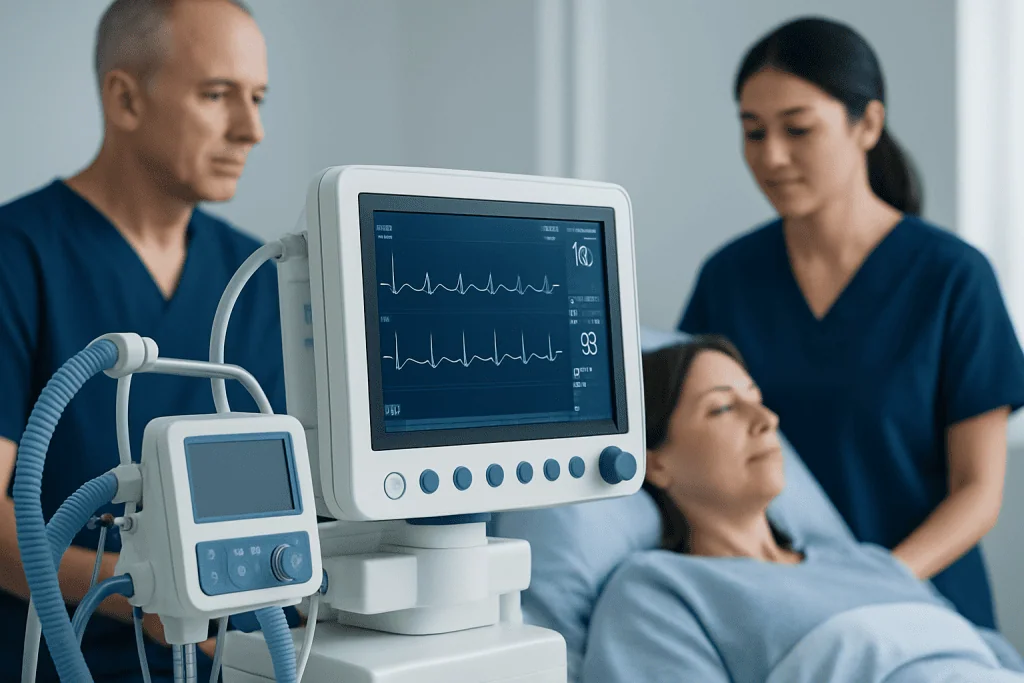
Survival is usually described with time-based measures such as 1-year, 5-year, or 10-year survival. A 5-year survival rate, for example, tells how many people in a group were alive five years after diagnosis or treatment. This does not mean a person will only live five years; many live much longer, and some may be cured depending on the condition.
Another concept patients may hear is median survival. This is the point at which half of the people in a study are still alive and half have died. Median survival can be useful in research, but it should not be taken as a personal deadline. It is a statistical summary, not an exact prediction for any one patient.
Doctors may also use relative survival, which compares people with a disease to people of similar age and sex in the general population. This can help show the effect of the illness itself. When reviewing survival information, patients should ask whether the numbers are based on older treatments or newer ones, because advances in surgery, medicines, chemotherapy, and radiation therapy can improve outcomes over time.
What factors can affect survival
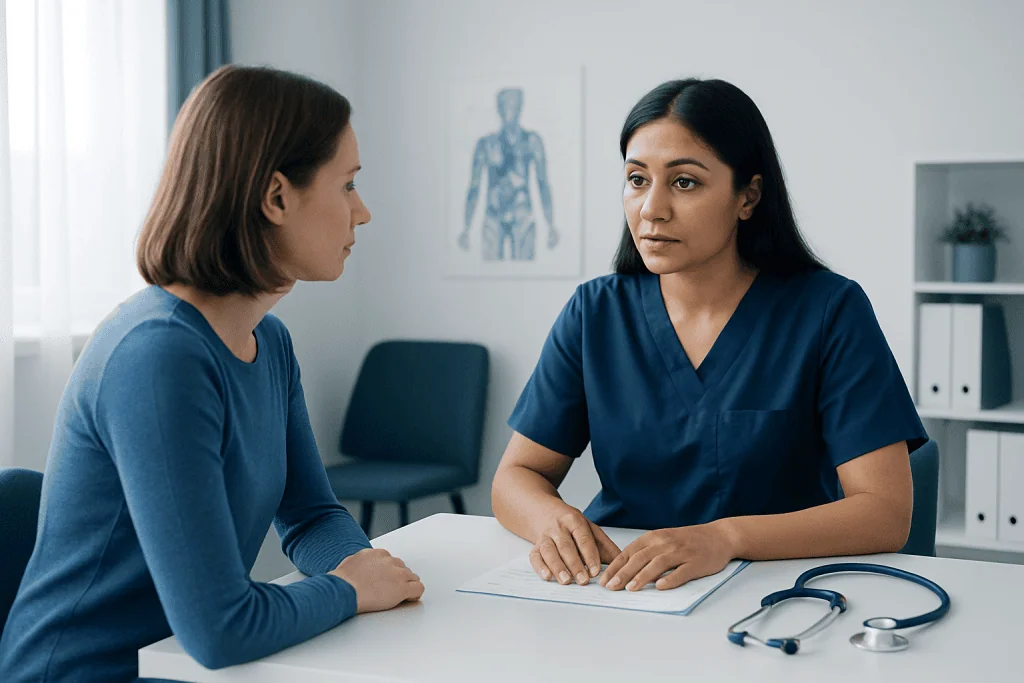
The most important factor is the specific diagnosis. Survival can differ greatly between conditions such as heart disease, stroke, infection, chronic lung disease, or cancer. Even within one diagnosis, outlook may vary based on the subtype. For example, some cancers grow slowly while others are more aggressive, and some respond very well to treatment.
Stage or severity also matters. Early-stage disease is often easier to treat and may have a better outlook than advanced disease. In cancer care, stage describes how far the disease has spread. In other conditions, doctors may assess severity with imaging, lab tests, or measures of organ function. Patients sometimes benefit from learning more about a confirmed diagnosis such as lung cancer or breast cancer when survival questions relate to these conditions.
Other important influences include age, nutrition, fitness, smoking status, and the presence of other illnesses such as diabetes, kidney disease, or heart disease. Access to timely care, ability to complete treatment, and follow-up monitoring are also relevant. In many cases, a person’s response to treatment over the first weeks or months gives more useful information than statistics alone.
- Type and biology of the disease
- Stage, extent, or severity at diagnosis
- Age and overall physical condition
- Other chronic medical problems
- How well the disease responds to treatment
- Regular follow-up and supportive care
Understanding prognosis without losing perspective
It is natural to search for survival information after a new diagnosis. Many patients want a clear answer, but prognosis is rarely based on one number alone. Doctors combine test results, imaging, pathology, symptoms, and treatment response to estimate outlook. This estimate may change over time as more information becomes available.
Good communication can make survival information more useful and less overwhelming. Patients may wish to ask whether the outlook is curative, controllable, or mainly focused on symptom relief and quality of life. They can also ask what the best-case, typical, and worst-case possibilities might be. This approach often helps people prepare in a practical and balanced way.
Even when a disease is serious, survival is not the only outcome that matters. Many treatment plans aim to reduce symptoms, preserve independence, and improve daily functioning. Supportive care, rehabilitation, nutrition, mental health support, and palliative care can all help people live as well as possible during and after treatment.
How doctors evaluate an individual patient’s outlook
Doctors begin with a careful medical history and physical examination. They then use tests suited to the suspected condition. These may include blood tests, imaging such as ultrasound, CT, MRI, or PET scans, and tissue sampling when needed. In cancer, a biopsy and pathology review are often central to understanding expected behavior and treatment options.
Specialist review is often important because prognosis can depend on details that are not obvious from symptoms alone. Tumor markers, genetic findings, heart function tests, lung function tests, and measures of kidney or liver function may all contribute to the overall picture. For some conditions, multidisciplinary teams review the case together to recommend the most appropriate treatment plan.
If surgery is part of treatment, final results after the operation may refine the outlook further. For example, the extent of disease found at surgery or the completeness of removal can affect longer-term expectations. In appropriate cases, doctors may discuss cancer surgery as one part of a broader plan that can also include medication, radiation, or close surveillance.
Treatment, follow-up, and self-care that may support better outcomes
The best treatment depends on the diagnosis. Some illnesses can be cured, while others can be controlled for long periods. Treatment may include medicines, surgery, radiation therapy, rehabilitation, or supportive care. The main goals are often to treat the disease directly, prevent complications, and protect quality of life.
Following the care plan closely is one of the most practical ways to support better outcomes. This includes attending appointments, taking medicines as prescribed, reporting side effects promptly, and completing recommended tests. When side effects are managed early, patients are often more able to continue treatment safely and effectively.
Self-care also matters. Stopping smoking, eating a balanced diet, staying physically active as tolerated, sleeping well, and limiting alcohol can support recovery and general health. Emotional wellbeing is important too, especially when survival questions cause anxiety. Counseling, support groups, and trusted family support can help patients cope during uncertain periods.
For international patients with complex diagnoses, Acibadem International’s multidisciplinary specialists and JCI-accredited hospitals diagnose and treat many serious conditions with coordinated care pathways and follow-up planning.
When to seek medical care
Anyone with a new diagnosis who has questions about survival should speak with a qualified doctor rather than relying only on general online estimates. A clinician can explain the diagnosis in context, review test results, and discuss what the likely outlook means for that particular person.
Urgent medical attention is needed if there are warning signs such as trouble breathing, chest pain, sudden weakness, confusion, heavy bleeding, severe dehydration, high fever, or uncontrolled pain. People receiving treatment should also contact their care team promptly if they develop significant side effects, cannot eat or drink, or notice sudden worsening of symptoms.
A second opinion can be helpful when the diagnosis is uncertain, treatment choices are complex, or the patient wants reassurance about the plan. Seeking care early often gives more options and may improve both symptom control and long-term results.
Frequently asked questions
Is over survival a medical term?
Not usually. People often use it informally when asking about life expectancy or prognosis after a diagnosis or treatment. Doctors typically use more specific terms such as overall survival, prognosis, or survival rate.
Can a survival rate predict what will happen to one person?
No. Survival rates describe what happened in groups of patients, often over several years. An individual outcome can differ based on age, general health, disease stage, treatment response, and many other factors.
What is the difference between overall survival and disease-free survival?
Overall survival refers to how long patients remain alive after diagnosis or treatment, regardless of whether the disease is still present. Disease-free survival refers to the period after treatment when there is no sign of the disease returning. Both measures can be useful, but they answer different questions.
Why do different websites give different survival numbers?
Numbers may come from different countries, patient groups, time periods, or treatment eras. Some sources use older data, while others include newer therapies that may improve outcomes. It is best to ask a doctor which figures are most relevant to the specific diagnosis.
What questions should a patient ask the doctor about survival?
Helpful questions include asking what the diagnosis is exactly, how advanced it is, what the treatment goals are, and what factors most affect personal outlook. Patients can also ask how the outlook may change if treatment works well, if side effects occur, or if the disease progresses.
Can lifestyle changes improve survival?
Healthy habits can support general health, treatment tolerance, and recovery, although they do not replace medical treatment. Quitting smoking, eating well, staying active as able, and attending follow-up visits may all contribute to better overall outcomes.
References
- World Health Organization
- National Cancer Institute
- American Cancer Society
- Centers for Disease Control and Prevention
- National Institutes of Health
This article is for general information only and is not a substitute for professional medical advice. Please consult a qualified doctor about your individual situation.
Explore treatments in Turkey — costs, top hospitals & a free quote
JCI-accredited · board-certified surgeons · reply within 24h
Add us as a Preferred Source to see more of our trusted health content across Google Search, AI Overviews and Discover.

More from the Health Library

Orserdu for ESR1-Mutated Advanced Breast Cancer
Pimple on Finger: Common Causes and Warning Signs

Vasopressors: A Complete Medical Overview

Holoprosencephaly: What Patients Need to Know
Parkinsonism — Explained by Medical Evidence, Not Myths