Overactive Bladder in Men: When Urgency and Frequency Need Evaluation

Overactive bladder in men usually causes urgency, frequency, and waking at night to urinate. It is a symptom-based condition and can have several contributing causes, including prostate issues, bladder changes, infection, and nerve-related conditions.
Key Takeaways
- Overactive bladder in men usually causes urgency, frequency, and waking at night to urinate.
- It is a symptom-based condition and can have several contributing causes, including prostate issues, bladder changes, infection, and nerve-related conditions.
- Diagnosis typically involves a medical history, physical exam, urine testing, and sometimes bladder function or imaging studies.
- Treatment may include bladder training, pelvic floor exercises, lifestyle changes, and medication.
- Men should seek medical advice if symptoms are new, worsening, painful, or associated with blood in the urine or difficulty emptying the bladder.
Overactive bladder in men is a common condition that causes sudden urinary urgency, frequent urination, and sometimes leakage. Although it can be disruptive, proper evaluation often helps identify contributing factors and leads to effective treatment and self-care strategies.
Overview
Overactive bladder in men is a group of urinary symptoms centered on a sudden, hard-to-delay need to urinate. This urgency may happen with frequent daytime urination, waking at night to pass urine, and in some cases urine leakage before reaching the toilet. The condition can affect daily comfort, sleep, work, travel, and confidence, but it is both common and treatable.
Overactive bladder is not a single disease. Instead, it describes a pattern of symptoms that may result from changes in bladder muscle activity, irritation of the urinary tract, age-related changes, or another health problem affecting the urinary system or nerves. Because different conditions can feel similar, men benefit from a careful evaluation rather than assuming symptoms are simply part of aging.
Some men also have symptoms of poor urinary flow, straining, or a feeling that the bladder is not emptying completely. These features can suggest a different or overlapping problem, such as obstruction related to the prostate. A doctor can help separate overactive bladder from other urinary conditions and build a treatment plan based on the likely cause.
Symptoms
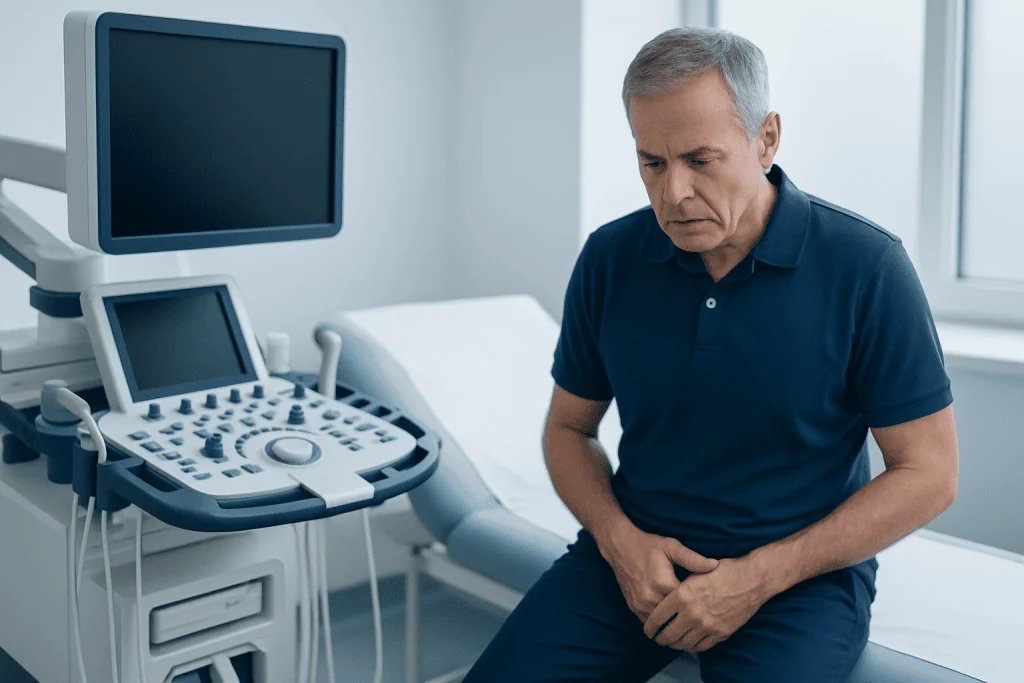
The hallmark symptom is urinary urgency: a sudden, strong need to urinate that is difficult to postpone. Many men describe needing to know where toilets are at all times, planning outings around bathroom access, or feeling interrupted throughout the day by the urge to void.
Other common symptoms include increased daytime frequency and nocturia, which means waking from sleep one or more times to urinate. Some men also experience urgency incontinence, where a small or larger amount of urine leaks before they can reach the bathroom. Even when leakage does not occur, repeated urgency can still be tiring and distressing.
Symptoms can vary in pattern and severity. They may be mild and occasional, or they may happen daily. Men should remember that overactive bladder does not always involve large urine volumes; often, the bladder feels urgent even when it is not very full.
- Sudden urge to urinate
- Frequent urination during the day
- Waking at night to urinate
- Urine leakage associated with urgency
- Disrupted sleep or reduced quality of life due to bladder symptoms
Causes and Risk Factors

Overactive bladder symptoms happen when the bladder muscle contracts too early or too often, sending signals that create urgency. In some men, no single cause is found. In others, symptoms are linked to irritation within the urinary tract, bladder outlet obstruction, or changes in the nerves that control bladder storage and emptying.
One important consideration in men is the prostate. Enlargement of the prostate can affect urine flow and bladder behavior, and some men have both prostate-related urinary symptoms and overactive bladder at the same time. Urinary tract infection, bladder stones, excess caffeine or alcohol, constipation, and certain medications can also contribute. In men with neurological conditions, bladder control may be affected by nerve dysfunction, including conditions such as neurogenic bladder.
Risk often increases with age, but age alone does not fully explain the condition. Diabetes, stroke, Parkinsonian disorders, spinal problems, obesity, and sleep disorders may play a role in some patients. Evaluation is also important because urgency and frequency can sometimes reflect a treatable infection such as urinary infections or, less commonly, a more complex problem such as complicated UTI.
How Doctors Diagnose Overactive Bladder in Men
Diagnosis begins with a detailed discussion of symptoms. A doctor usually asks when urgency started, how often urination occurs during the day and night, whether leakage happens, and whether there are associated symptoms such as pain, weak stream, hesitancy, blood in the urine, fever, or recurrent infections. A bladder diary, which records fluid intake and urination patterns over several days, can be especially helpful.
A physical examination may include abdominal assessment, examination of the external genital area, and in some cases a prostate exam. Urinalysis is commonly done to look for infection, blood, sugar, or other abnormalities. Depending on the history, additional tests may measure how well the bladder empties after urination or evaluate kidney and urinary tract health.
If symptoms are complicated, persistent, or unclear, further studies may be needed. These can include ultrasound, specialized bladder function tests, or imaging. When it is useful to assess the urinary tract in more detail, a doctor may request renal ultrasonography or CT and MRI for urology. The main goal is to confirm the likely diagnosis and rule out other causes that require different treatment.
Treatment Options
Treatment usually starts with conservative measures and is tailored to the man’s symptoms, overall health, and any underlying cause. Many men improve with bladder training, which gradually increases the time between bathroom visits, along with adjustments to fluid timing and reduction of bladder irritants such as caffeine, alcohol, and highly carbonated drinks.
Pelvic floor muscle exercises may also help, especially when urgency is accompanied by leakage. These exercises aim to improve control of the muscles involved in continence and can be guided by a trained professional. Managing constipation, improving sleep habits, and addressing weight or blood sugar issues may also reduce symptoms in some men.
When symptoms remain bothersome, doctors may prescribe medication to relax the bladder or reduce urgent signaling. In selected cases, treatment may also address contributing conditions such as prostate enlargement or neurological disease. Men with persistent or complex symptoms may need specialist care from urology, neurology, or pelvic floor rehabilitation teams. Near the end of the care pathway, if more advanced assessment or multidisciplinary planning is needed, Acibadem International’s multidisciplinary specialists and JCI-accredited hospitals evaluate and treat urinary conditions for international patients.
Prevention and Self-care
Not every case of overactive bladder can be prevented, but daily habits can reduce symptoms and lower the risk of flare-ups. Keeping a symptom diary helps identify personal triggers. Many men notice that coffee, tea, energy drinks, alcohol, or large evening fluid intake worsen urgency and nocturia.
Helpful self-care often includes spacing fluids steadily through the day rather than drinking large amounts at once, limiting fluids close to bedtime, treating constipation, and staying physically active. Scheduled voiding can be useful for men who tend to urinate very frequently out of fear of urgency, as it can help retrain the bladder over time.
Smoking cessation is also important because smoking may worsen bladder irritation and chronic coughing can strain pelvic floor muscles. Men should avoid stopping prescribed medications on their own, but they can ask a doctor or pharmacist whether any current medicines may be contributing to urinary symptoms. Self-care works best when paired with professional guidance, especially if symptoms are new or changing.
When to See a Doctor
Men should seek medical evaluation if urgency, frequency, or nighttime urination persist, interfere with daily life, or start suddenly without a clear reason. Although overactive bladder is often manageable, similar symptoms can occur with infection, prostate problems, diabetes, bladder stones, or neurological conditions that need specific treatment.
Prompt medical attention is especially important if symptoms occur with burning urination, fever, visible blood in the urine, pelvic or back pain, recurrent infections, or difficulty starting the urine stream. Men should also seek advice if they feel unable to empty the bladder, develop worsening leakage, or notice weakness, numbness, or other neurological symptoms.
Early assessment can be reassuring as well as practical. In many cases, a straightforward workup helps clarify the cause and allows treatment to begin before symptoms have a major effect on sleep, work, exercise, travel, and emotional well-being.
Frequently asked questions
Is overactive bladder in men the same as prostate enlargement?
No. Prostate enlargement and overactive bladder are different conditions, although they can occur together and cause overlapping symptoms. A medical evaluation helps distinguish urgency-related symptoms from problems mainly caused by blockage of urine flow.
Can overactive bladder in men go away on its own?
Sometimes symptoms improve if they are triggered by temporary factors such as excess caffeine, fluid changes, constipation, or a mild infection that is treated. However, persistent symptoms should be assessed because they may reflect an ongoing bladder, prostate, or neurological issue.
Does overactive bladder always cause urine leakage?
No. Many men have urgency and frequent urination without any leakage. Leakage can happen in some cases, but it is not required for the diagnosis of overactive bladder.
What tests are usually done for overactive bladder in men?
Doctors often begin with a symptom history, bladder diary, physical exam, and urine test. Depending on the findings, they may also check bladder emptying, order ultrasound or other imaging, or arrange more specialized urologic testing.
Are lifestyle changes really enough to help overactive bladder?
For some men, yes. Reducing bladder irritants, timing fluids more carefully, training the bladder, and treating constipation can meaningfully reduce symptoms. Others need medication or treatment of another contributing condition as well.
When is overactive bladder considered urgent to evaluate?
Medical review should be prompt if urinary symptoms are accompanied by pain, fever, blood in the urine, recurrent infections, or trouble emptying the bladder. New symptoms with weakness, numbness, or other neurological changes also need timely assessment.
References
- National Institute of Diabetes and Digestive and Kidney Diseases
- American Urological Association
- European Association of Urology
- Urology Care Foundation
- National Health Service
This article is for general information only and is not a substitute for professional medical advice. Please consult a qualified doctor about your individual situation.
Overactive Bladder in Turkey — costs, top hospitals & a free quote
JCI-accredited · board-certified surgeons · reply within 24h
Add us as a Preferred Source to see more of our trusted health content across Google Search, AI Overviews and Discover.

Urology
Treatment of the urinary system and male reproductive health, including robotic and laser procedures.
60 specialists in this unit