Pain During Sex in Women: Possible Causes and How Doctors Diagnose It

Pain during sex in women is a symptom, not a diagnosis, and it can have more than one cause at the same time. Common causes include vaginal dryness, infections, skin conditions, pelvic floor muscle tension, hormonal changes, endometriosis, and bladder or bowel conditions.
Key Takeaways
- Pain during sex in women is a symptom, not a diagnosis, and it can have more than one cause at the same time.
- Common causes include vaginal dryness, infections, skin conditions, pelvic floor muscle tension, hormonal changes, endometriosis, and bladder or bowel conditions.
- Doctors diagnose painful intercourse by asking detailed questions, doing a gentle physical exam, and ordering tests only when needed.
- Treatment depends on the cause and may include lubricants, medicines, pelvic floor physical therapy, counseling, or treatment of an underlying condition.
- Medical review is especially important if pain is new, persistent, severe, or linked with bleeding, discharge, fever, or pelvic pain outside sex.
Pain during sex in women, also called dyspareunia, is a common symptom with many possible physical and emotional causes. Careful diagnosis can identify the reason for pain and guide treatment that improves comfort, sexual health, and quality of life.
Overview
Pain during sex in women is called dyspareunia. It may happen at the vaginal opening, deeper in the pelvis, or both. Some women feel burning, stinging, dryness, tightness, cramping, or sharp pain. The discomfort may begin before penetration, occur during intercourse, or continue afterward.
This symptom is common and can affect women at different ages and life stages. It may be related to hormonal changes, childbirth, menopause, infections, skin irritation, pelvic floor muscle tension, prior surgery, chronic pelvic conditions, or emotional stress. In many cases, more than one factor contributes to pain.
Because sexual pain can feel personal or difficult to discuss, some women delay seeking help. However, painful intercourse is a medical issue that deserves attention. A respectful evaluation can often identify treatable causes and help improve comfort, relationships, and overall well-being.
Symptoms and how the pain may feel
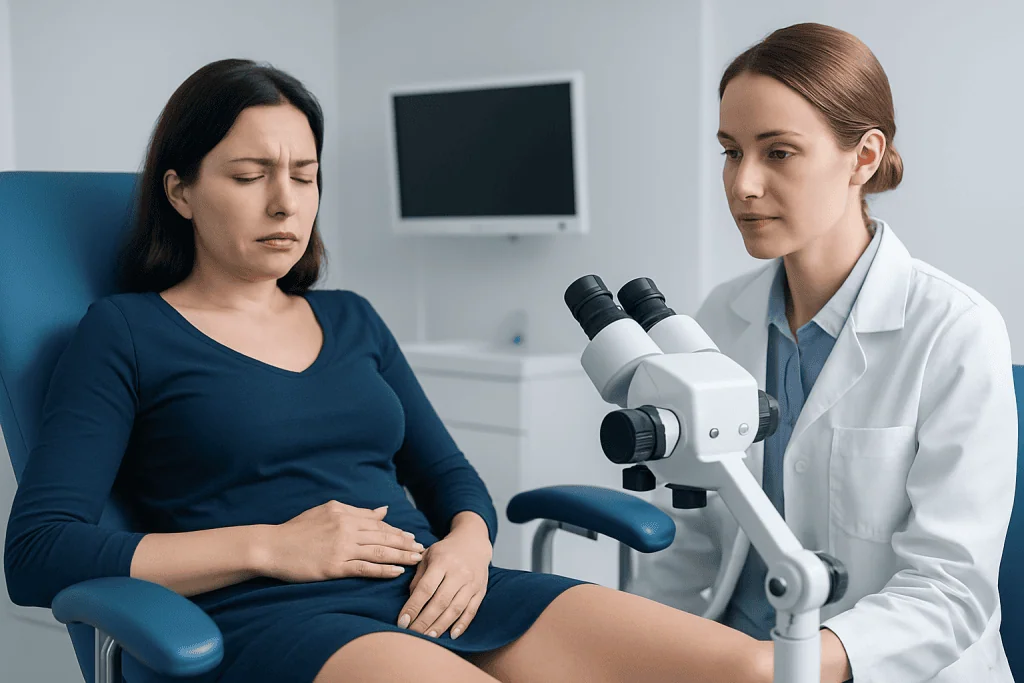
Painful intercourse does not feel the same for everyone. Some women describe pain at the entrance of the vagina when anything touches the area, including a tampon, pelvic exam, or penetration. Others feel deeper pain with thrusting, certain positions, or after sex. The pattern can offer clues about the cause.
Related symptoms may include vaginal dryness, itching, burning, abnormal discharge, spotting, pelvic pressure, bladder urgency, painful urination, constipation, or pain with bowel movements. Some women also notice reduced desire because they begin to expect pain, which can lead to muscle tightening and make discomfort worse.
A doctor may ask whether the pain is:
- Superficial, near the vaginal opening
- Deep, felt in the pelvis or lower abdomen
- Present every time or only sometimes
- New or long-standing
- Linked to menstrual cycles, menopause, childbirth, surgery, or stress
These details help narrow the diagnosis. Keeping a simple symptom diary can be useful, especially if the pain changes across the menstrual cycle or with different activities.
Possible causes and risk factors

There are many possible causes of pain during sex in women. Vaginal dryness is a frequent reason and may occur with menopause, breastfeeding, some medications, or not feeling adequately aroused. Friction from dryness can cause burning or tearing sensations. Irritation from soaps, scented products, condoms, or spermicides can also make the vulvar tissues more sensitive.
Infections and inflammatory conditions are another common group of causes. Yeast infections, bacterial vaginosis, sexually transmitted infections, urinary tract infections, or vulvar skin disorders may cause pain, itching, discharge, redness, or irritation. Structural changes such as scar tissue after childbirth, episiotomy, pelvic surgery, or radiation can also contribute.
Deep pelvic pain during sex may be related to conditions such as endometriosis, ovarian cysts, uterine fibroids, adenomyosis, pelvic inflammatory disease, or adhesions. Bladder pain syndrome and some bowel disorders can also cause discomfort during intercourse. Pelvic floor muscle overactivity, sometimes called pelvic floor tension or spasm, can lead to pain at the vaginal opening or deeper pressure with penetration.
Emotional and relationship factors do not mean the pain is “all in the mind,” but they can influence how pain is experienced. Anxiety, past trauma, depression, fear of pain, and ongoing stress may increase muscle tension and pain sensitivity. Risk factors include low estrogen states, recent childbirth, pelvic surgery, chronic pain conditions, and previous painful sexual experiences.
How doctors diagnose painful intercourse
Diagnosis begins with a detailed conversation. The doctor usually asks where the pain is felt, when it started, whether it occurs with every sexual contact, and what the pain feels like. Questions may also cover menstrual history, menopause symptoms, pregnancy and childbirth history, medications, lubricants or hygiene products, urinary or bowel symptoms, and any past infections or surgeries.
A gentle physical examination often helps identify the source of pain. This may include examining the vulva for skin changes, irritation, or tenderness; assessing vaginal tissues for dryness or inflammation; and checking the pelvic floor muscles for tightness or spasm. If needed, a speculum exam and bimanual pelvic exam may be performed slowly and with the patient’s consent to look for infection, cervical causes, uterine tenderness, or deep pelvic pain triggers.
Tests are chosen based on the suspected cause. A doctor may take swabs to check for infection, do urine testing, or arrange imaging such as pelvic ultrasound if fibroids, cysts, or other internal causes are possible. In selected cases, blood tests, biopsy of a skin lesion, or referral for further evaluation may be appropriate.
Sometimes the diagnosis is straightforward, but sometimes it takes time because several factors are present together. For example, mild dryness, pelvic floor muscle tension, and fear of pain can create a cycle that sustains symptoms. A careful, step-by-step assessment is often the best way to reach an accurate diagnosis.
Treatment options
Treatment depends on the cause. If dryness is the main issue, vaginal moisturizers or lubricants can reduce friction and improve comfort. When low estrogen is contributing, a doctor may discuss hormonal options if appropriate. If an infection is present, treatment targets the specific organism. If a skin condition is causing pain, a tailored dermatologic or gynecologic treatment plan may be needed.
Pelvic floor muscle tension is often treated with pelvic floor physical therapy, which can help relax overactive muscles, improve coordination, and reduce pain with penetration. For women with persistent vulvar pain or complex pelvic pain, a multidisciplinary approach may include gynecology, physiotherapy, pain management, and counseling. Counseling or sex therapy can be helpful when pain has led to fear, avoidance, or relationship strain.
If deep pelvic conditions are suspected, treatment focuses on the underlying disorder. This may involve management of uterine fibroids, ovarian cysts, or pelvic inflammatory disease, among other conditions. In some situations, further evaluation with gynecological examination and imaging is needed before deciding on the best plan.
Surgery is not the first step for most women, but it may be considered for specific structural or disease-related causes, such as severe endometriosis, significant scar tissue, or certain masses. Treatment works best when it is individualized and when the woman feels heard, informed, and involved in decisions about her care.
Prevention and self-care
Not all causes of painful intercourse can be prevented, but self-care can reduce irritation and support comfort. Using adequate lubrication, allowing time for arousal, and avoiding products that irritate sensitive tissues may help. Gentle, unscented cleansers are usually preferred over perfumed soaps, douches, and fragranced wipes.
Good vulvovaginal care also matters. Wearing breathable underwear, changing out of wet clothing promptly, and seeking treatment for symptoms of infection can lower the chance of ongoing irritation. If condoms or lubricants seem to trigger burning, a doctor can suggest alternatives that may be less irritating.
For women with pelvic floor tension or chronic pain, relaxation techniques, guided breathing, and pelvic floor therapy may be useful. Open communication with a partner can also help reduce anxiety and avoid activities that worsen pain. If discomfort continues despite self-care, a medical review is important rather than repeatedly pushing through pain.
When to see a doctor
Medical advice is recommended whenever pain during sex in women is persistent, recurrent, or distressing. It is especially important to seek evaluation if pain is new, getting worse, or affecting relationships, sleep, mood, or daily life. A woman should not assume that painful intercourse is simply something she must tolerate.
Prompt assessment is also important if painful sex is accompanied by unusual vaginal bleeding, strong odor, abnormal discharge, fever, pelvic pain outside intercourse, sores, urinary symptoms, or pain after childbirth or surgery that is not improving. These features may point to infection, inflammation, or another condition that needs treatment.
Specialist care can be helpful when the cause is not clear or symptoms have been ongoing. Near the end of the diagnostic pathway, some women benefit from coordinated care involving gynecology, pelvic floor physical therapy, dermatology, urology, or mental health support. Acibadem International’s multidisciplinary specialists and JCI-accredited hospitals diagnose and treat painful intercourse and related gynecologic conditions for international patients.
Frequently asked questions
Is pain during sex in women normal?
Occasional mild discomfort can happen, especially with dryness or irritation, but ongoing pain during sex is not considered normal. Because it can have many treatable causes, persistent or recurrent pain should be assessed by a qualified doctor.
Can stress or anxiety cause painful intercourse?
Stress and anxiety can increase muscle tension, reduce arousal, and make pain feel stronger. They may not be the only cause, but they can contribute to or worsen painful intercourse. This is why treatment sometimes includes both physical care and emotional support.
Does painful sex always mean an infection?
No. Infections are one possible cause, but painful sex can also result from dryness, hormonal changes, pelvic floor tension, endometriosis, skin conditions, scar tissue, or other pelvic problems. A medical evaluation helps identify the true cause.
How do doctors test for the cause of painful sex?
Doctors usually start with questions about symptoms, menstrual and sexual history, childbirth, menopause, medications, and related bladder or bowel issues. A gentle pelvic exam may follow, along with swabs, urine tests, or imaging if needed. Not everyone needs every test.
Can menopause cause pain during sex?
Yes. Lower estrogen levels around and after menopause can make vaginal tissues thinner, drier, and less elastic, which may lead to burning or pain with penetration. Treatments such as lubricants, moisturizers, and sometimes hormone-based options may help, depending on the individual situation.
Will treatment help if the pain has been present for a long time?
Many women improve even when symptoms have been present for months or longer. The key is finding the cause or causes and creating an individualized plan, which may involve more than one treatment. Follow-up is often important because recovery can take time.
References
- World Health Organization
- American College of Obstetricians and Gynecologists
- National Institute for Health and Care Excellence
- International Society for the Study of Women's Sexual Health
- Mayo Clinic
This article is for general information only and is not a substitute for professional medical advice. Please consult a qualified doctor about your individual situation.
Explore treatments in Turkey — costs, top hospitals & a free quote
JCI-accredited · board-certified surgeons · reply within 24h
Add us as a Preferred Source to see more of our trusted health content across Google Search, AI Overviews and Discover.