Painful Gas During Pregnancy: Common Causes, Related Conditions, and When to See a Doctor

Gas pain during pregnancy is often related to progesterone, slower bowel movement, and pressure from the uterus. Typical symptoms include bloating, abdominal pressure, belching, flatulence, and cramp-like discomfort that comes and goes.
Key Takeaways
- Gas pain during pregnancy is often related to progesterone, slower bowel movement, and pressure from the uterus.
- Typical symptoms include bloating, abdominal pressure, belching, flatulence, and cramp-like discomfort that comes and goes.
- Some symptoms can overlap with constipation, heartburn, irritable bowel syndrome, gallbladder problems, or pregnancy-related complications.
- Diet changes, gentle movement, hydration, and bowel-friendly habits often help reduce symptoms.
- Medical review is important if pain is severe, one-sided, accompanied by fever, bleeding, vomiting, or reduced fetal movement later in pregnancy.
Painful gas during pregnancy is common and is most often caused by normal digestive changes linked to pregnancy hormones and the growing uterus. Although it is usually harmless, severe, persistent, or unusual pain should be assessed by a qualified doctor to rule out other causes.
Overview: why painful gas happens in pregnancy
Painful gas during pregnancy is very common, and in many cases it happens because pregnancy naturally changes how the digestive system works. Hormonal shifts, especially increased progesterone, can relax smooth muscle throughout the body. That includes the intestines, so food and gas may move more slowly and build up, causing pressure, bloating, and cramp-like discomfort.
As pregnancy progresses, the growing uterus can also crowd the stomach and intestines. This added pressure may trap gas or make normal bloating feel more intense. For some people, symptoms are mild and occasional; for others, they can be uncomfortable enough to interfere with sleep, movement, or meals.
Even though gas pain is usually not dangerous, it can sometimes feel sharp or worrying. It may mimic menstrual cramps, side stitches, or generalized abdominal pain. Because several pregnancy-related and non-pregnancy conditions can also cause abdominal discomfort, the pattern of the pain matters. Brief, shifting pain with bloating or belching is often digestive, while persistent or severe pain deserves medical assessment.
What painful gas can feel like
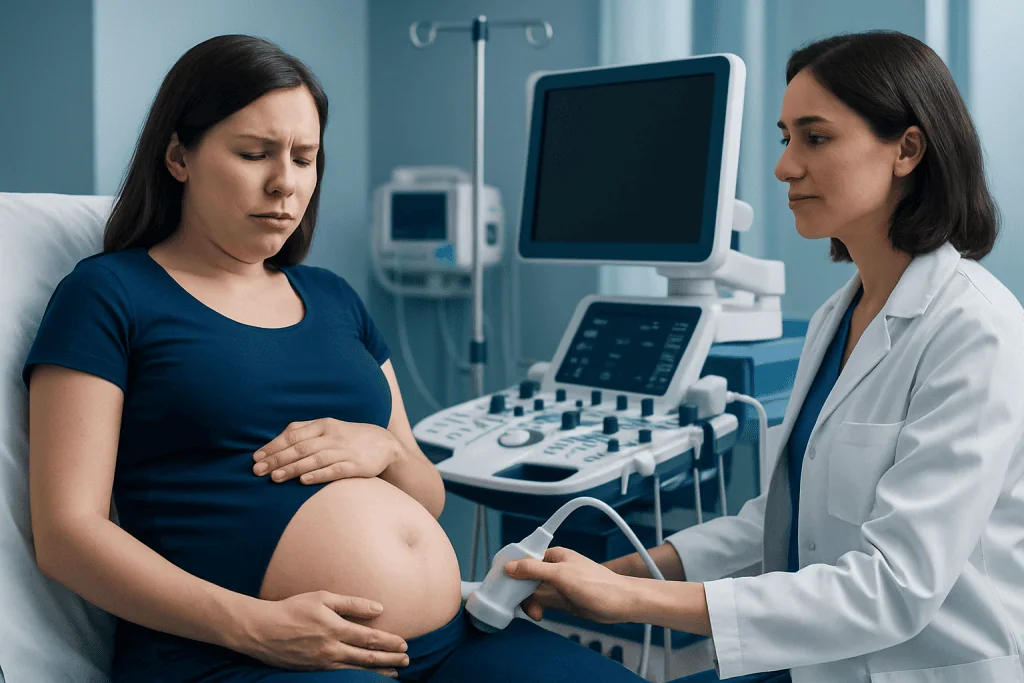
Gas discomfort in pregnancy does not feel the same for everyone. Some describe it as fullness, tightness, or stretching in the abdomen. Others feel stabbing pains that come and go, often improving after passing gas or having a bowel movement. The pain may be felt in the lower abdomen, upper abdomen, sides, or even under the ribs.
Common accompanying symptoms include visible bloating, excessive burping, increased flatulence, rumbling in the abdomen, and a sense that the stomach is unsettled after eating. Constipation is also common in pregnancy and can make gas pain worse by slowing the passage of stool and trapping air in the bowel.
- Bloating that becomes worse later in the day
- Cramp-like abdominal discomfort that shifts location
- Pain relieved by passing gas or stool
- Belching, reflux, or a heavy feeling after meals
- Constipation or a feeling of incomplete bowel emptying
Gas pain can overlap with other digestive symptoms, including irritable bowel syndrome or acid reflux that predates pregnancy. That is why a doctor may ask about bowel habits, food triggers, the exact location of pain, and whether symptoms are new or part of an ongoing digestive pattern.
Common causes and contributing factors
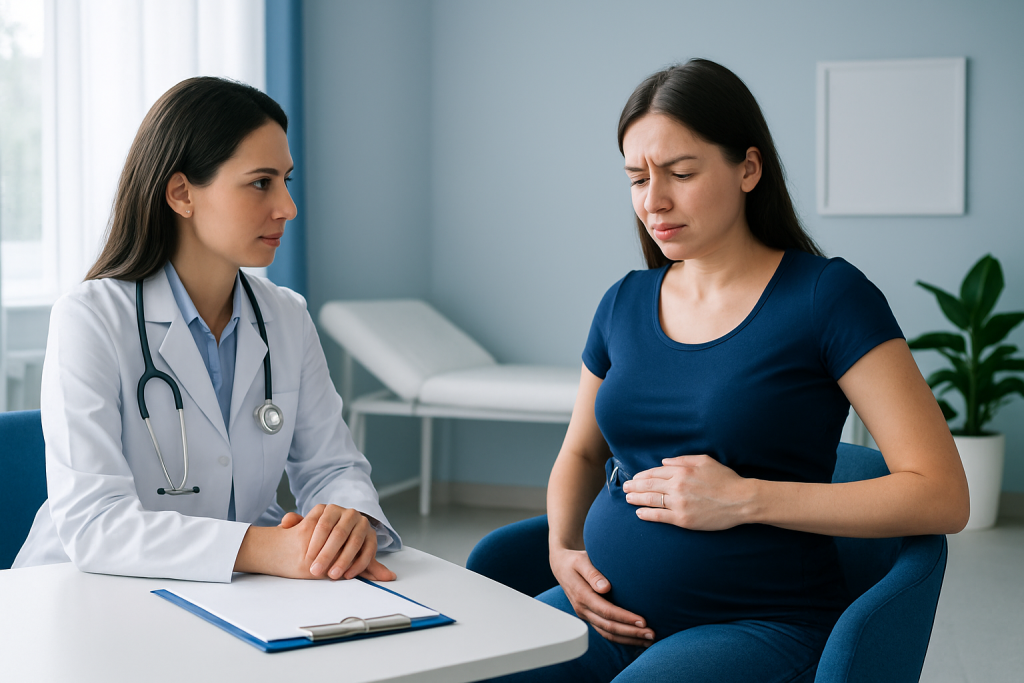
The most common reason for painful gas during pregnancy is slower digestion. Progesterone relaxes the bowel, which helps support pregnancy but also allows more time for food to ferment in the intestines. This can increase gas production and make the abdomen feel swollen or tender.
Diet can contribute as well. Beans, lentils, onions, carbonated drinks, certain fruits, dairy products for those who are lactose intolerant, and high-fat meals may all increase gas in susceptible individuals. Prenatal vitamins that contain iron can sometimes worsen constipation, which can indirectly make gas pain more noticeable.
Physical inactivity, eating quickly, chewing gum, and drinking through a straw may increase swallowed air and bloating. In later pregnancy, the enlarging uterus may press on the intestines, making it more difficult for gas to move through comfortably. Existing digestive issues, such as gastroesophageal reflux disease or a sensitive bowel, may also become more symptomatic during pregnancy.
Less commonly, abdominal pain that seems like gas may actually relate to other conditions, including gallbladder disease, stomach infection, urinary issues, or pregnancy-specific problems. If symptoms seem different from usual bloating, become severe, or are associated with systemic symptoms, medical evaluation is appropriate.
Related conditions that can be mistaken for gas pain
Because abdominal discomfort is common in pregnancy, gas pain can sometimes be confused with other causes. Constipation is one of the most frequent overlaps. When stool remains in the bowel longer, it can lead to both cramping and trapped gas. Heartburn and indigestion can also cause upper abdominal discomfort, pressure, and belching after meals.
Round ligament pain is another possible source of abdominal pain in pregnancy. This often causes a brief, sharp pulling sensation in the lower abdomen or groin with movement, coughing, or standing up. Although it is different from gas, patients may have trouble telling them apart without considering timing, triggers, and associated bloating.
Doctors may also think about infections, appendicitis, gallstones, kidney stones, urinary tract infection, or complications such as preterm labor depending on the stage of pregnancy and the symptoms present. Persistent vomiting, fever, vaginal bleeding, painful urination, regular contractions, or fluid leakage point away from simple gas discomfort and need prompt attention.
If symptoms raise questions about digestion, evaluation may involve dietary guidance, examination, and in some situations imaging or specialist review. In selected cases, broader assessment in areas such as gastroenterology care or obstetrics and gynecology may help clarify the cause and guide treatment safely during pregnancy.
How doctors evaluate abdominal pain in pregnancy
When a pregnant patient reports painful gas, the first step is usually a careful history. A doctor will ask where the pain is located, when it began, whether it comes and goes, and what makes it better or worse. They may ask about constipation, bowel movements, food triggers, reflux, nausea, urinary symptoms, vaginal bleeding, and fetal movement if the pregnancy is advanced enough.
A physical examination may help distinguish generalized bloating from focal tenderness that suggests another problem. The abdomen may be checked for distension, bowel sounds, or localized pain. Depending on the pregnancy stage and symptom pattern, fetal well-being may also be assessed.
Testing is not always needed for typical, mild gas discomfort. However, blood tests, urine tests, stool evaluation, or imaging may be considered if there are red flags or diagnostic uncertainty. Pregnancy-safe imaging choices are selected carefully when needed. The goal is not only to confirm common digestive causes, but also to rule out conditions that need timely treatment.
Safe relief strategies and treatment options
For uncomplicated gas pain, treatment usually starts with simple measures. Eating smaller meals more often instead of large meals can reduce bloating. Many people also benefit from slowing down while eating, chewing thoroughly, and limiting fizzy drinks. Keeping a symptom diary may help identify individual triggers such as dairy, beans, or very fatty foods.
Hydration and gentle daily movement are often helpful. Walking can stimulate bowel activity and help gas move through the intestines. If constipation is contributing, a doctor may recommend increasing fiber gradually and choosing pregnancy-safe methods to improve bowel regularity. Sudden large increases in fiber may worsen gas for some people, so changes are usually made step by step.
Some patients ask about over-the-counter remedies. Because not all products are suitable in every pregnancy, medication choices should be discussed with a qualified clinician, especially if symptoms are frequent or severe. Management may also include support for related problems such as reflux, constipation, or dietary intolerance. When symptoms are tied to broader digestive conditions, coordinated pregnancy follow-up and digestive assessment can be useful.
In international settings, multidisciplinary specialists at Acibadem International and its JCI-accredited hospitals evaluate abdominal symptoms during pregnancy and help distinguish common digestive discomfort from conditions that need further care.
Prevention and everyday self-care
Prevention focuses on reducing gas buildup and supporting steady digestion. Regular meals, adequate fluids, gentle physical activity, and attention to bowel habits can all help. It may also be useful to avoid lying down immediately after eating, particularly if bloating and reflux occur together.
Not every healthy food is easy to digest during pregnancy. If raw vegetables, legumes, or certain fruits seem to trigger symptoms, patients may tolerate smaller portions, cooked versions, or different combinations better. A balanced approach is important; foods should not be restricted unnecessarily without medical advice, especially during pregnancy.
- Eat smaller, more frequent meals
- Drink enough water throughout the day
- Walk regularly unless advised otherwise
- Increase fiber gradually rather than suddenly
- Track foods that repeatedly worsen bloating
- Discuss persistent constipation or reflux with a doctor
Self-care should always be guided by how the person feels overall. If abdominal discomfort behaves differently from usual gas pain, keeps returning despite lifestyle changes, or is paired with symptoms outside the digestive tract, a professional review is the safest next step.
When to seek medical care
Most painful gas during pregnancy improves with time, dietary adjustment, or bowel-friendly habits. However, medical care is important if pain is severe, persistent, steadily worsening, or located mainly on one side. The same is true if the abdomen becomes very tender to touch or the pain does not improve after passing gas or stool.
Urgent assessment is needed if abdominal pain occurs with vaginal bleeding, fluid leakage, fever, repeated vomiting, fainting, painful urination, blood in stool, or signs of dehydration. In later pregnancy, reduced fetal movement or regular tightening that may represent contractions should also be evaluated promptly.
Patients do not need to decide alone whether the cause is digestive or something more serious. A qualified doctor can help determine whether the symptoms fit normal pregnancy-related bloating, constipation, reflux, infection, or another condition that requires treatment. Seeking advice early is especially important when symptoms are new, intense, or different from prior pregnancies.
Frequently asked questions
Is painful gas during pregnancy normal?
Yes, painful gas during pregnancy is common. Hormonal changes slow digestion, and the growing uterus can add pressure to the intestines, making bloating and trapped gas more noticeable.
How can someone tell the difference between gas pain and something more serious?
Gas pain often comes and goes, may shift location, and frequently improves after passing gas or having a bowel movement. Pain that is severe, one-sided, constant, or linked with fever, bleeding, vomiting, or urinary symptoms should be checked by a doctor.
What foods can make gas pain worse in pregnancy?
Common triggers include beans, lentils, onions, carbonated drinks, high-fat meals, and dairy in people who are lactose intolerant. Triggers vary, so a simple food and symptom diary can help identify patterns.
Can constipation cause painful gas during pregnancy?
Yes. Constipation slows bowel movement and can trap gas, causing cramping, bloating, and pressure. Improving hydration, activity, and bowel habits often helps, but persistent constipation should be discussed with a clinician.
Are gas relief medicines safe during pregnancy?
Some medicines may be appropriate, but not every product is suitable for every pregnancy. It is safest to ask a qualified doctor, midwife, or pharmacist before using over-the-counter gas or constipation remedies.
When should a pregnant person call a doctor for abdominal pain?
A doctor should be contacted if pain is severe, persistent, worsening, or different from usual bloating. Immediate medical advice is important if there is bleeding, fever, repeated vomiting, painful urination, fluid leakage, or reduced fetal movement later in pregnancy.
This article is for general information only and is not a substitute for professional medical advice. Please consult a qualified doctor about your individual situation.
Persistent digestive symptoms? Get evaluated in Turkey
JCI-accredited · board-certified surgeons · reply within 24h
Add us as a Preferred Source to see more of our trusted health content across Google Search, AI Overviews and Discover.

More from the Health Library

What Is Sperm? Causes, Explanations, and Next Steps

Throat Pain When Swallowing: Common Causes, Related Conditions, and When to See a Doctor

Truvada vs Descovy: Key Differences and How Doctors Tell Them Apart

How Long Does It Take for Antibiotics to Work? Here Is What the Evidence Says

What Causes Poor Posture? Causes, Explanations, and Next Steps