Papulopustular Rosacea: A Complete Medical Overview

Papulopustular rosacea commonly causes persistent facial redness with acne-like papules and pustules, especially on the cheeks, nose, chin, and forehead. It is not the same as acne and often occurs without blackheads or whiteheads.
Key Takeaways
- Papulopustular rosacea commonly causes persistent facial redness with acne-like papules and pustules, especially on the cheeks, nose, chin, and forehead.
- It is not the same as acne and often occurs without blackheads or whiteheads.
- Common triggers include sun exposure, heat, spicy foods, alcohol, stress, and irritating skin products.
- Diagnosis is usually clinical and based on the pattern of symptoms and skin findings.
- Treatment may include gentle skin care, sun protection, topical medicines, oral medicines, and laser or light-based care in selected cases.
- Early medical assessment can help reduce flares, improve comfort, and prevent symptoms from becoming more persistent.
Papulopustular rosacea is a long-term inflammatory skin condition that causes central facial redness along with red bumps and pus-filled spots that can resemble acne. Although it may flare and settle over time, it can usually be managed well with trigger control, gentle skin care, and medical treatment.
Overview
Papulopustular rosacea is a subtype of rosacea, a chronic inflammatory skin condition that mainly affects the central face. It typically causes a background of redness together with small red bumps and pus-filled spots. These breakouts often appear on the cheeks, nose, forehead, and chin, and they can come and go in flares.
Because the spots can look similar to acne, papulopustular rosacea is sometimes mistaken for adult acne. However, rosacea usually develops on a background of flushing or persistent redness and often does not include blackheads. The skin may also feel sensitive, dry, warm, or easily irritated.
Rosacea is not contagious and is not caused by poor hygiene. It is a medical skin disorder linked to inflammation, changes in the skin barrier, and overreactive blood vessels. For many people, identifying triggers and starting appropriate treatment can make symptoms more manageable and improve day-to-day comfort.
How Papulopustular Rosacea Appears on the Skin
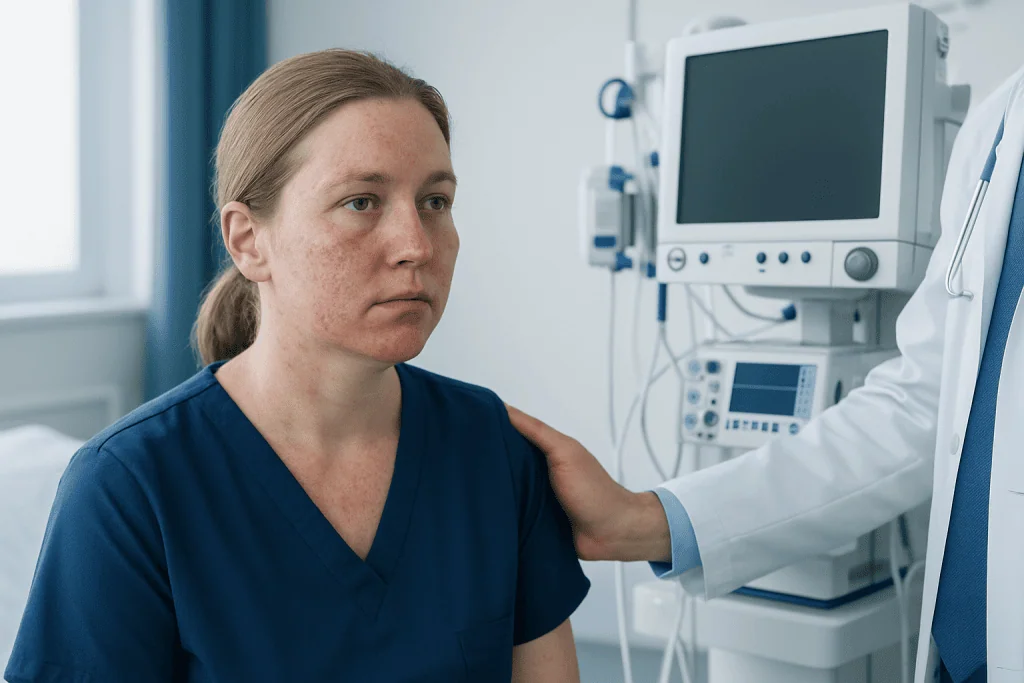
The most noticeable feature is usually central facial redness that may be constant or may begin as episodes of flushing. Over time, this redness can become more persistent. On top of the red areas, small inflamed bumps and pustules may develop, sometimes in clusters during a flare.
Unlike acne, papulopustular rosacea generally lacks comedones, which are blackheads and whiteheads. The skin may sting or burn after washing, using cosmetics, or applying active skin care products. Some people also notice visible tiny blood vessels, called telangiectasias, especially if redness has been present for a long time.
Rosacea can affect more than appearance. The skin may feel tight, dry, or rough, and symptoms can be more noticeable in response to temperature changes or emotional stress. In some patients, rosacea overlaps with other forms of the condition, such as rosacea with prominent flushing or eye symptoms.
Symptoms and Common Triggers
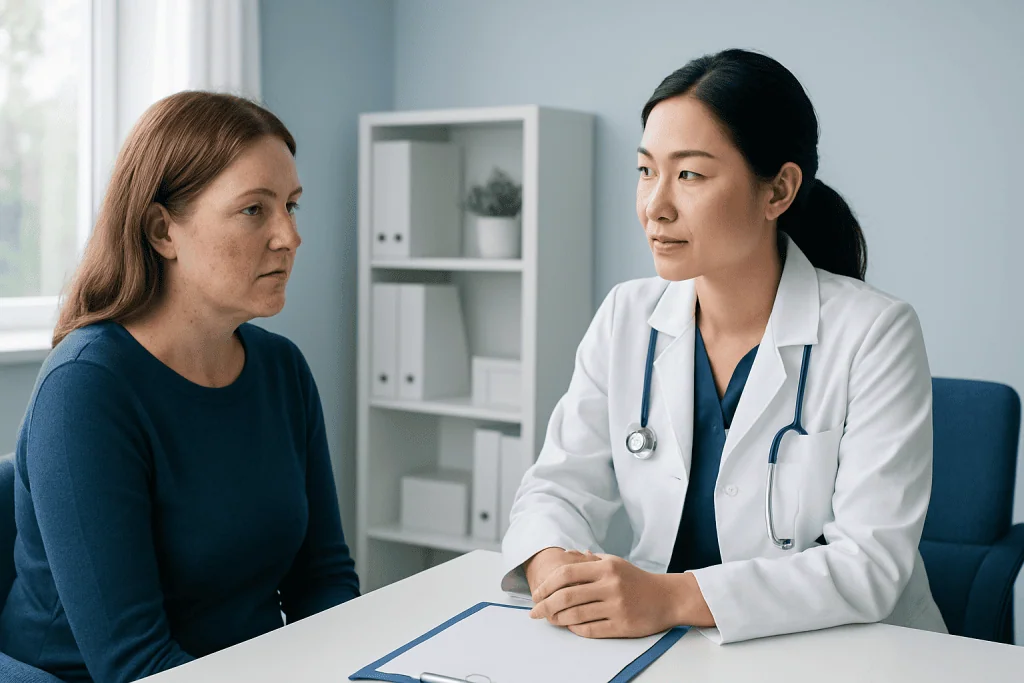
Symptoms vary from person to person, but papulopustular rosacea usually follows a recognizable pattern. Flares may last days to weeks and can be followed by quieter periods. Some people mainly struggle with redness, while others are more bothered by repeated bumps and skin sensitivity.
Common symptoms include:
- Persistent or recurrent redness on the cheeks, nose, chin, or forehead
- Red, tender bumps and pus-filled spots
- Flushing triggered by heat, emotions, or certain foods
- Burning, stinging, dryness, or skin sensitivity
- Visible fine blood vessels
- Occasional swelling or rough texture in affected areas
Many triggers can worsen symptoms, although not everyone reacts to the same things. Common triggers include sun exposure, hot weather, wind, hot drinks, spicy foods, alcohol, strenuous exercise, emotional stress, and irritating cosmetics or cleansers. Keeping a symptom diary can help identify patterns and guide lifestyle adjustments without becoming overly restrictive.
Causes and Risk Factors
The exact cause of papulopustular rosacea is not fully understood, but experts believe it results from several overlapping factors. These may include changes in the immune response, increased skin inflammation, heightened sensitivity of facial blood vessels, and disruption of the skin barrier. In some people, normal skin organisms such as Demodex mites may also contribute to inflammation.
Genetic tendency appears to play a role, as rosacea can run in families. Environmental exposures and daily habits can then influence whether symptoms appear or flare. This helps explain why some people notice worsening with sunlight, heat, alcohol, spicy meals, or skin care products that would not bother others.
Risk factors include fair or easily sun-damaged skin, a history of frequent facial flushing, and adult age, although rosacea can affect a wide range of skin types and backgrounds. People with sensitive skin or chronic irritation may notice symptoms more readily. Papulopustular rosacea may also coexist with other skin problems, and a dermatologist may consider related conditions such as acne or seborrheic dermatitis when evaluating the skin.
How Doctors Diagnose It
Diagnosis is usually based on medical history and a close examination of the skin. There is no single laboratory test for papulopustular rosacea. A doctor looks at the pattern of redness, flushing, bumps, skin sensitivity, and the areas involved, while also asking about triggers and previous treatments.
One important step is distinguishing rosacea from other conditions that can look similar. Acne vulgaris, perioral dermatitis, seborrheic dermatitis, lupus, contact dermatitis, and some medication reactions may need to be considered. The absence of comedones and the presence of flushing or persistent central facial redness often support rosacea rather than acne.
In some cases, additional tests are done if the appearance is unusual or if another diagnosis is suspected. A referral to dermatology may be helpful when symptoms are persistent, recurrent, or difficult to control. Evaluation is also important if there are eye symptoms, skin thickening, or marked blood vessels that may benefit from more specialized care.
Treatment Options
Treatment aims to reduce inflammation, control flare-ups, soothe the skin barrier, and improve long-term symptom stability. Because rosacea is chronic, treatment often focuses on control rather than a permanent cure. A personalized plan usually combines daily skin care, sun protection, trigger management, and prescription therapy when needed.
Topical treatments may be used for mild to moderate disease. Depending on the person and the pattern of symptoms, a doctor may recommend anti-inflammatory creams or gels. If bumps and pustules are more extensive, oral medicines may be considered for a limited period to calm inflammation. Treatment choices are based on symptom severity, skin sensitivity, medical history, and how often flares occur.
Persistent redness or visible blood vessels may improve with procedures such as laser treatment or other light-based approaches when appropriate. For broader specialist evaluation and therapy planning, some patients may be referred for dermatology care. In selected cases, doctors may also review procedures used for chronic facial redness and vascular changes, including skin rejuvenation approaches as part of an overall treatment strategy.
People should avoid starting strong over-the-counter acne products without guidance, because these can worsen rosacea by irritating already sensitive skin. A doctor can help choose gentler options and explain how to introduce products slowly. Regular follow-up is useful to adjust treatment as symptoms change over time.
Daily Skin Care, Prevention, and Self-care
Gentle, consistent skin care is a key part of management. Most people benefit from using a mild fragrance-free cleanser, a non-irritating moisturizer, and broad-spectrum sunscreen every day. Sunscreen is especially important because ultraviolet exposure is a common trigger and can make background redness more persistent.
Helpful self-care steps include:
- Wash the face with lukewarm water rather than hot water
- Avoid scrubs, harsh exfoliants, and alcohol-based products
- Choose skin care labeled for sensitive skin when possible
- Introduce one new product at a time
- Use sun-protective hats and seek shade outdoors
- Track food, weather, and lifestyle triggers linked to flares
Stress reduction, temperature awareness, and moderation with known triggers can also help. This does not mean every trigger must be avoided completely forever. Instead, the goal is to understand personal patterns and build practical habits that reduce flares while preserving quality of life.
Near the end of the care pathway, some people with persistent or complex symptoms may benefit from multidisciplinary input. Acibadem International’s multidisciplinary specialists in JCI-accredited hospitals diagnose and treat rosacea and related skin concerns for international patients.
When to Seek Medical Care
Medical assessment is advisable if facial redness, bumps, or skin sensitivity continue for more than a few weeks, keep returning, or do not improve with gentle skin care. A doctor should also evaluate symptoms if the skin becomes painful, swollen, or increasingly irritated, or if over-the-counter acne products seem to make things worse.
Prompt review is especially important when symptoms affect the eyes, such as dryness, burning, grittiness, light sensitivity, or eyelid irritation. Eye involvement can occur with rosacea and may need dedicated treatment. It is also wise to seek care if the nose or other facial skin appears to be thickening, or if the diagnosis is uncertain.
Professional guidance can help confirm whether the problem is papulopustular rosacea or another condition and can prevent unnecessary irritation from the wrong products. Early management often makes symptoms easier to control and may reduce the likelihood of more persistent redness over time.
Frequently asked questions
Is papulopustular rosacea the same as acne?
No. Papulopustular rosacea can look like acne because it causes red bumps and pustules, but it usually occurs with central facial redness and flushing. It also often lacks blackheads and whiteheads, which are more typical of acne.
Can papulopustular rosacea be cured permanently?
Rosacea is generally considered a chronic condition, so treatment focuses on controlling symptoms and reducing flares rather than providing a permanent cure. Many people do very well with the right combination of skin care, trigger management, and medical treatment.
What triggers papulopustular rosacea flare-ups?
Common triggers include sun exposure, heat, hot drinks, spicy foods, alcohol, stress, and irritating skin products. Triggers vary between individuals, so keeping a diary can help identify which factors are most relevant for one person.
What skin care products are usually best for rosacea-prone skin?
Gentle, fragrance-free products made for sensitive skin are usually best tolerated. A mild cleanser, non-irritating moisturizer, and daily broad-spectrum sunscreen are often the foundation of care. Harsh exfoliants and strong acne treatments may aggravate symptoms.
Can rosacea affect the eyes?
Yes. Some people develop eye symptoms such as dryness, burning, redness, or a gritty sensation. Eye involvement should be assessed by a doctor because it may need specific treatment and follow-up.
When should someone see a doctor for papulopustular rosacea?
A doctor should be consulted if redness and acne-like bumps persist, keep recurring, or are uncomfortable despite gentle skin care. Medical review is also important if there are eye symptoms, skin thickening, significant swelling, or uncertainty about the diagnosis.
References
- American Academy of Dermatology
- National Institute of Arthritis and Musculoskeletal and Skin Diseases
- National Health Service
- Mayo Clinic
- Merck Manual
This article is for general information only and is not a substitute for professional medical advice. Please consult a qualified doctor about your individual situation.
Rosacea in Turkey — costs, top hospitals & a free quote
JCI-accredited · board-certified surgeons · reply within 24h
Add us as a Preferred Source to see more of our trusted health content across Google Search, AI Overviews and Discover.

More from the Health Library

Tea Tree Oil: An Evidence-Based Guide for Patients

Average Oxygen Blood Level: An Evidence-Based Guide for Patients

Nimbus COVID — Explained by Medical Evidence, Not Myths

Dorzolamide: An Evidence-Based Guide for Patients

Super Greens Powder: A Complete Medical Overview