Paradoxical Insomnia: What Patients Need to Know

Paradoxical insomnia involves a mismatch between how much sleep a person thinks they get and how much they actually sleep. The condition can cause real daytime distress even when sleep studies show more sleep than expected.
Key Takeaways
- Paradoxical insomnia involves a mismatch between how much sleep a person thinks they get and how much they actually sleep.
- The condition can cause real daytime distress even when sleep studies show more sleep than expected.
- Diagnosis may include a sleep history, sleep diary, and sometimes a sleep study to rule out other sleep disorders.
- Treatment often focuses on cognitive behavioral therapy for insomnia, sleep habits, and addressing stress or related conditions.
- People should seek medical advice if poor sleep is persistent, affects daily life, or occurs with snoring, breathing pauses, mood changes, or unusual nighttime behaviors.
Paradoxical insomnia is a form of insomnia in which a person feels awake for much of the night even though testing or observation may show more sleep than they perceive. It is real, distressing, and treatable, often with careful evaluation, sleep education, and structured insomnia therapy.
Overview: what paradoxical insomnia means
Paradoxical insomnia is a sleep disorder in which a person feels they are getting little or no sleep, even though they may actually sleep more than they think. Some specialists also call it sleep state misperception. The key issue is not that the person is imagining symptoms, but that their experience of the night does not match what sleep measurements or outside observation may show.
This mismatch can be very frustrating. A person may say they were awake almost all night, yet a bed partner notices periods of sleep, or a sleep study records several hours of rest. Even so, the distress is genuine. People with paradoxical insomnia may feel exhausted, worried about sleep, and preoccupied with the belief that they are unable to sleep normally.
Paradoxical insomnia is different from the common pattern of simply sleeping too little because of a busy schedule or poor sleep habits alone. It is also different from some other sleep disorders that repeatedly disrupt sleep, such as sleep apnea, although these conditions can sometimes overlap. Understanding the difference matters because treatment is usually aimed at correcting both the sleep problem and the person’s perception of sleep.
How it feels: common symptoms and daily impact
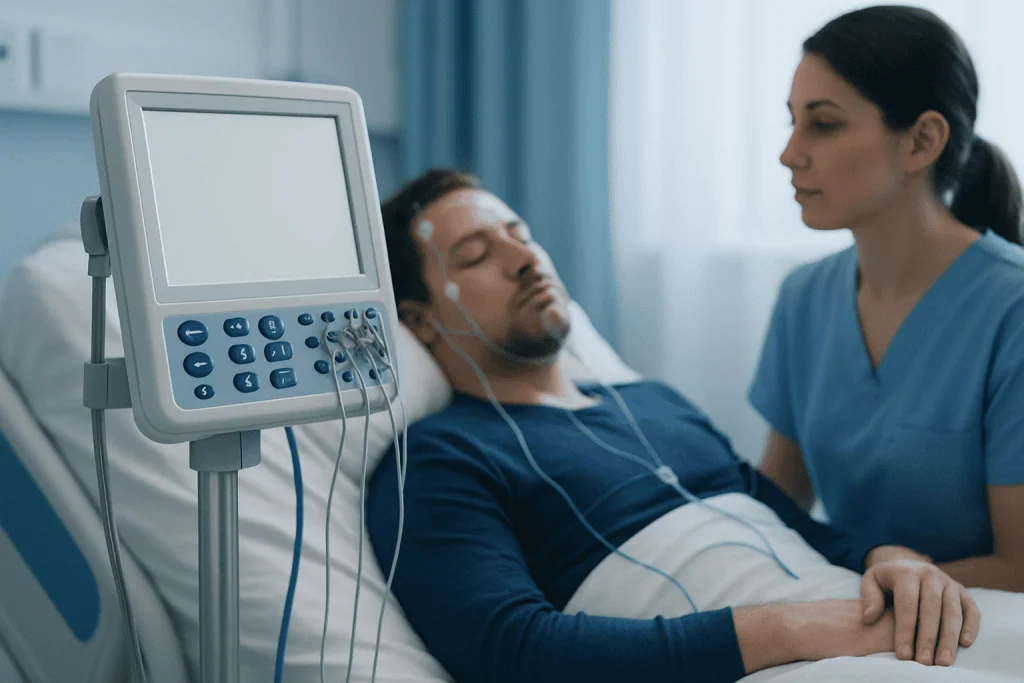
The most typical symptom is the strong feeling of being awake for long periods during the night. A person may believe they took hours to fall asleep, woke up repeatedly, or barely slept at all. In some cases, this feeling continues even when objective measures suggest a more normal sleep pattern.
During the day, people may report tiredness, poor concentration, irritability, tension, and worry about the next night’s sleep. Some feel mentally drained rather than physically sleepy. This distinction is important because paradoxical insomnia may cause distress and reduced quality of life, even if the person does not always fall asleep easily during the day.
Common experiences may include:
- Feeling awake despite periods of actual sleep
- Estimating very short total sleep time
- Worrying intensely about not sleeping
- Checking the clock often during the night
- Feeling unrefreshed in the morning
- Difficulty focusing because of sleep-related stress
Symptoms can vary from night to night. Some people also have features of more typical insomnia, such as trouble falling asleep or staying asleep. Others mainly experience a distorted sense of wakefulness, which can make sleep seem much worse than it appears clinically.
Why it happens: causes and risk factors

The exact cause of paradoxical insomnia is not fully understood, but experts believe it may involve a combination of heightened brain arousal, stress, attention to bodily sensations, and altered perception of sleep. In simple terms, the brain may remain unusually alert at night, making sleep feel lighter or less noticeable. A person may drift in and out of lighter sleep stages yet remember the night as mostly wakefulness.
Anxiety about sleep can strengthen this pattern. When someone monitors every movement, sound, or thought at bedtime, they may become more aware of brief awakenings and less aware of actual sleep. Over time, the fear of another “sleepless” night can become part of the problem. This does not mean the symptoms are psychological only; rather, thoughts, stress responses, and sleep physiology can all interact.
Risk factors may include chronic stress, generalized anxiety, depression, irregular sleep schedules, and a history of insomnia. Some people are more likely to notice and remember wakeful moments than sleep periods. Other sleep disorders, medications, caffeine, alcohol, and underlying medical conditions can further complicate the picture, so these need to be considered during evaluation.
Paradoxical insomnia can also occur alongside insomnia in the broader sense, where true sleep reduction and misperception coexist. That is one reason a careful assessment is more useful than assuming all sleep complaints have the same cause.
How doctors diagnose paradoxical insomnia
Diagnosis begins with a detailed sleep history. A doctor usually asks when the problem started, what a typical night looks like, how the person feels during the day, and whether symptoms such as loud snoring, breathing pauses, leg movements, nightmares, or unusual nighttime behaviors are present. The pattern of concern often provides important clues.
A sleep diary kept for one to two weeks is often helpful. This records bedtimes, wake times, estimated sleep duration, naps, caffeine use, and how rested the person feels. In some cases, actigraphy, which uses a watch-like device to track movement, may help compare perceived and likely sleep time over several days.
Sometimes a doctor recommends an overnight sleep study, especially if another disorder is suspected. This can help rule out conditions such as obstructive sleep apnea, periodic limb movement disorder, or other causes of disrupted sleep. In paradoxical insomnia, the study may show more sleep than the person expected, which can support the diagnosis when combined with the clinical history.
Diagnosis is not based on one test alone. It depends on matching symptoms, ruling out other explanations, and understanding the gap between subjective sleep experience and objective findings. In some patients, referral for sleep disorder treatment may be appropriate when symptoms are persistent or complex.
Treatment options that can help
Treatment usually focuses on reducing sleep-related distress, improving sleep habits, and helping the person develop a more accurate understanding of their sleep. The most effective first-line approach for chronic insomnia symptoms is often cognitive behavioral therapy for insomnia, commonly called CBT-I. This structured therapy helps change unhelpful thoughts and behaviors that keep sleep difficulties going.
CBT-I may include sleep education, stimulus control, sleep scheduling, relaxation techniques, and work on beliefs such as “I never sleep at all” or “I will not cope tomorrow unless I sleep perfectly.” For paradoxical insomnia, part of treatment may involve reviewing a sleep diary or objective sleep information to gently correct misperception and reduce fear around the night.
Doctors also look for contributing factors that can be treated. These may include anxiety, depression, chronic pain, medication side effects, or another sleep disorder. If evaluation suggests breathing-related sleep disruption or a more complex sleep problem, additional assessment through sleep study testing may be recommended.
Medication is not always necessary, and when used, it is generally considered carefully and individually. Some people benefit from short-term symptom relief, but long-term management usually emphasizes behavioral treatment and treatment of underlying causes. In selected situations, input from neurology specialists or a sleep medicine team may help guide care.
Practical self-care and sleep habits
Self-care alone may not fully resolve paradoxical insomnia, but it can support recovery and reduce the cycle of worry. The goal is not to force sleep. Instead, it is to create conditions that support a steadier sleep rhythm and reduce hyperfocus on whether sleep is happening moment by moment.
Helpful steps often include keeping a consistent wake-up time, limiting late-day caffeine, reducing alcohol close to bedtime, and allowing enough time for sleep without spending excessive extra time in bed awake. A calm pre-sleep routine, dimmer light in the evening, and limiting stimulating screen use near bedtime may also help. Avoiding frequent clock-checking is especially useful for people who become anxious about every passing minute.
Some people benefit from relaxation practices such as slow breathing, gentle stretching, mindfulness, or guided imagery. These techniques do not work as instant cures, but they can reduce physical and mental arousal. If naps interfere with nighttime sleep, a doctor may suggest limiting or avoiding them.
It is best not to start supplements or sleep medicines without medical advice, especially if symptoms are ongoing or there are signs of another condition. A tailored plan is more helpful than trying many remedies at once.
When to seek medical care
Medical advice is a good idea if sleep problems continue for several weeks, cause distress, or affect work, school, mood, or daily functioning. A person should also seek care if they feel they are barely sleeping night after night, even when others suspect they do sleep. Persistent worry about sleep is itself a reason to discuss symptoms with a qualified clinician.
Prompt evaluation is especially important when poor sleep is accompanied by loud snoring, witnessed pauses in breathing, choking during sleep, unusual movements, acting out dreams, severe anxiety, depression, or daytime sleepiness that affects driving or safety. These features can point to another sleep or medical condition that needs specific treatment.
A healthcare professional can help clarify whether the problem is paradoxical insomnia, another form of insomnia, or a different sleep disorder altogether. Near the end of the care pathway, some patients may also wish to know that Acibadem International’s multidisciplinary specialists and JCI-accredited hospitals diagnose and treat sleep-related conditions for international patients.
Frequently asked questions
Is paradoxical insomnia a real condition?
Yes. Paradoxical insomnia is a recognized sleep disorder in which a person’s sense of being awake does not match the amount of sleep they may actually get. The distress and daytime effects are real, even when a sleep study shows more sleep than expected.
How is paradoxical insomnia different from regular insomnia?
In typical insomnia, a person often truly has reduced sleep time, trouble falling asleep, or repeated awakenings. In paradoxical insomnia, the main feature is a mismatch between perceived sleep and measured sleep, although some people can have both patterns at the same time.
Can a sleep study diagnose paradoxical insomnia?
A sleep study can support the diagnosis, especially when it shows more sleep than the person believes they had. However, diagnosis usually also depends on the person’s history, sleep diary, and the exclusion of other sleep disorders.
Does paradoxical insomnia mean the problem is just anxiety?
No. Anxiety can contribute, but paradoxical insomnia is not simply “all in the mind.” It involves real sleep-related distress and may reflect heightened arousal and altered perception of sleep.
What is the best treatment for paradoxical insomnia?
Many patients improve with cognitive behavioral therapy for insomnia, or CBT-I. Treatment may also include sleep education, better sleep habits, stress management, and care for any related medical or mental health condition.
Can paradoxical insomnia go away?
It can improve significantly with the right approach. Many people feel better once they understand the condition, reduce sleep-related fear, and follow a structured treatment plan guided by a healthcare professional.
References
- American Academy of Sleep Medicine
- National Heart, Lung, and Blood Institute
- National Institute of Neurological Disorders and Stroke
- Mayo Clinic
- MedlinePlus
This article is for general information only and is not a substitute for professional medical advice. Please consult a qualified doctor about your individual situation.
Insomnia in Turkey — costs, top hospitals & a free quote
JCI-accredited · board-certified surgeons · reply within 24h
Add us as a Preferred Source to see more of our trusted health content across Google Search, AI Overviews and Discover.

Neurology
Diagnosis and treatment of disorders of the brain, spinal cord, nerves and muscles.
51 specialists in this unitMore from the Health Library

Chapped Mouth Remedy: An Evidence-Based Guide for Patients

Raw Broccoli — Explained by Medical Evidence, Not Myths

Biopsies: A Complete Medical Overview

Blakemore Tube: A Complete Medical Overview

Intermediate Fasting: A Complete Medical Overview