Pediatric Muscle Weakness: Warning Signs That Need Neuromuscular Evaluation

Muscle weakness in children is different from tiredness, clumsiness, or poor coordination. Warning signs include delayed motor milestones, frequent falls, trouble climbing stairs, and difficulty rising from the floor.
Key Takeaways
- Muscle weakness in children is different from tiredness, clumsiness, or poor coordination.
- Warning signs include delayed motor milestones, frequent falls, trouble climbing stairs, and difficulty rising from the floor.
- Urgent medical attention is needed if weakness affects breathing, swallowing, or suddenly worsens.
- Neuromuscular evaluation may include a physical exam, blood tests, genetic testing, imaging, and nerve or muscle studies.
- Early diagnosis can guide treatment, rehabilitation, and supportive care for the child and family.
Pediatric muscle weakness is not always a sign of serious disease, but persistent, worsening, or unusual weakness should be assessed carefully. A neuromuscular evaluation can help identify whether the problem involves muscles, nerves, the junction between them, or another underlying condition.
Overview
Pediatric muscle weakness describes a reduction in a child’s muscle strength that goes beyond normal tiredness after play, illness, or exercise. Children may not say they feel weak, so the first signs are often noticed by parents, teachers, or doctors. A child may seem less steady, avoid active games, struggle with stairs, or fall more often than expected.
Weakness can have many causes. Some are temporary and relatively common, such as recovery after a viral illness or poor nutrition. Others involve the muscles, peripheral nerves, spinal motor neurons, or the connection between nerves and muscles. These conditions are often grouped under neuromuscular disorders.
The key concern is not every episode of fatigue, but weakness that is persistent, progressive, asymmetric, or associated with delays in motor development. A neuromuscular evaluation helps clarify whether symptoms reflect true loss of strength and whether specialist assessment is needed.
Warning Signs to Watch For
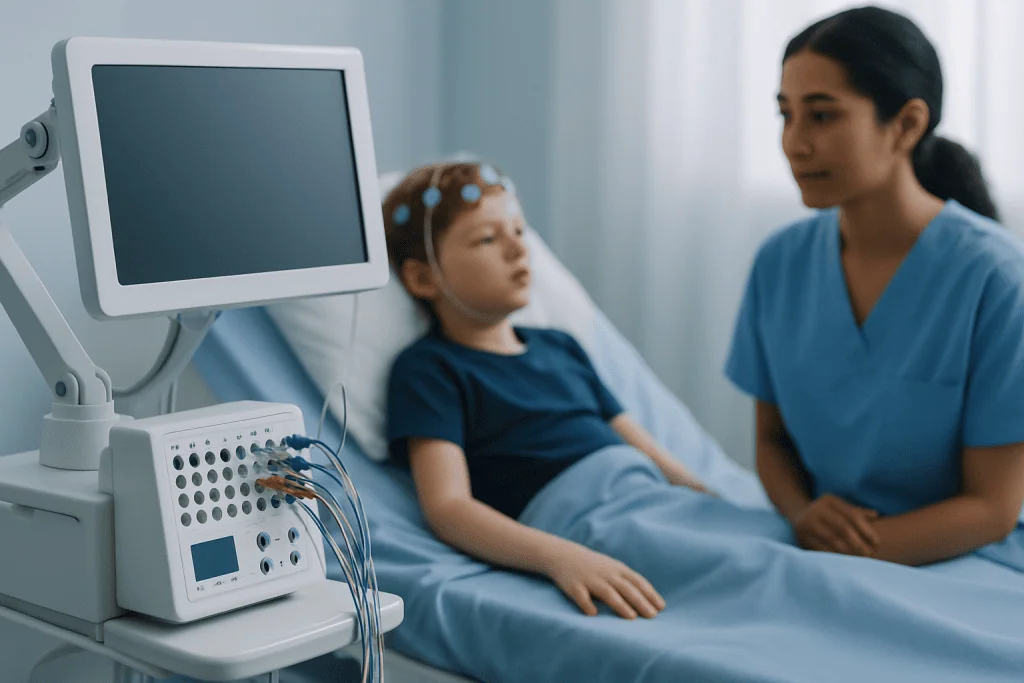
Some signs of pediatric muscle weakness are subtle at first. Infants may feel unusually floppy, have poor head control, or show delays in rolling, sitting, crawling, or walking. Older children may have trouble keeping up with peers, avoiding sports not because of lack of interest but because movement feels difficult.
Parents may notice patterns such as frequent falls, toe walking, waddling gait, difficulty climbing stairs, or using hands to push off the thighs when standing up from the floor. This maneuver can suggest weakness in the hip and thigh muscles. A child may also struggle to lift objects, raise the arms, or hold the head upright for long periods.
Other warning signs involve muscles that support daily functions, not just movement. These include trouble chewing or swallowing, a weak cry in infants, nasal speech, drooping eyelids, double vision, or shortness of breath with minimal effort. Weakness that affects breathing or swallowing needs prompt medical attention.
- Delayed motor milestones
- Frequent falls or unusual clumsiness that is getting worse
- Difficulty running, jumping, climbing stairs, or rising from the floor
- Loss of previously gained motor skills
- Drooping eyelids, facial weakness, or swallowing problems
- Breathing difficulty, especially during sleep or illness
Possible Causes and Risk Factors

Pediatric muscle weakness can result from conditions affecting different parts of the motor system. Muscle diseases, called myopathies, may be inherited or acquired. Examples include muscular dystrophies and congenital myopathies. Some children may also have inflammatory muscle disease, although this is less common. In other cases, weakness arises from nerve disorders, spinal motor neuron conditions, or problems at the neuromuscular junction, where nerves signal muscles to move.
Doctors also consider non-neuromuscular causes. These may include electrolyte imbalance, thyroid disease, nutritional deficiencies, medication side effects, prolonged inactivity, or chronic systemic illness. Because weakness may have more than one possible explanation, diagnosis usually depends on the child’s history, examination, and selected tests rather than symptoms alone.
Risk factors vary by cause. A family history of inherited neuromuscular disease, delayed development, consanguinity, or known genetic conditions can raise suspicion. Certain features may point toward specific disorders such as muscular dystrophy or myasthenia gravis, but specialist assessment is important because symptoms can overlap.
How Doctors Diagnose Pediatric Muscle Weakness
Diagnosis begins with a detailed medical history and physical examination. The doctor asks when the weakness started, whether it is stable or worsening, and which muscles seem affected. They also ask about milestones, school activity, infections, medications, family history, and any breathing, swallowing, or vision symptoms.
During the examination, the child’s muscle strength, tone, reflexes, gait, posture, balance, and coordination are assessed. The pattern of weakness matters. For example, weakness mainly in the hips and shoulders suggests a different group of conditions than weakness with sensory loss, facial involvement, or fluctuating symptoms that worsen with activity.
Testing may include blood work such as creatine kinase, which can rise in some muscle diseases, as well as thyroid or metabolic tests when indicated. Depending on the findings, doctors may recommend genetic testing, nerve conduction studies, electromyography, lung function testing, or imaging such as MRI. In selected cases, a muscle biopsy may be needed, though modern genetic testing has reduced the need for invasive procedures in some children.
Because evaluation can involve several specialties, children may be seen by a pediatric neurologist, neuromuscular specialist, pulmonologist, cardiologist, physiotherapist, and genetic counselor. This team approach helps define the diagnosis and plan the most appropriate follow-up.
Treatment Options and Supportive Care
Treatment depends on the underlying cause. Some conditions improve with time or treatment of a reversible trigger such as infection, endocrine imbalance, or deficiency. Others require long-term management focused on preserving function, monitoring complications, and supporting growth and development.
For inherited or chronic neuromuscular disorders, care may include physiotherapy, occupational therapy, respiratory monitoring, nutritional support, and orthopedic management. Some children benefit from braces or mobility aids to improve safety and independence. When swallowing or speech muscles are involved, speech and feeding specialists can help.
In specific conditions, targeted treatments may be available, such as immune therapies for autoimmune disease or disease-specific medications for selected genetic disorders. Rehabilitation is often an important part of care, and many families are guided toward individualized physical therapy and rehabilitation plans. If surgery is needed for complications such as severe contractures or spinal curvature, referral to pediatric orthopedic or spine teams may also be appropriate.
Comprehensive centers can coordinate these services efficiently. Near the end of the diagnostic journey, some families seek care at international referral centers; Acibadem International’s multidisciplinary specialists in JCI-accredited hospitals diagnose and treat neuromuscular conditions in children and adults, with supportive services for international patients.
Prevention and Self-care for Families
Not all causes of pediatric muscle weakness can be prevented, especially inherited neuromuscular disorders. Still, families can take practical steps that support a child’s health and help reduce complications. Keeping routine medical appointments, vaccinations, and nutrition on track can make a meaningful difference, particularly for children who fatigue easily or are vulnerable during respiratory infections.
At home, it helps to observe patterns rather than isolated events. Parents can note when weakness occurs, which activities are difficult, and whether symptoms change during the day or after exercise. Video clips of gait changes, trouble standing, or unusual movements may help clinicians understand symptoms that are not always visible during a clinic visit.
Children should generally be encouraged to stay active within safe limits, but forced exercise is not helpful when it causes excessive fatigue or pain. A doctor or rehabilitation specialist can advise on school participation, adaptive equipment, and pacing. If nutrition, swallowing, or breathing become concerns, early input from the appropriate specialists is important.
When to See a Doctor
A child should be evaluated if weakness persists beyond normal recovery from illness, interferes with play or school activities, or appears to be getting worse. Medical review is also appropriate when a child has delayed motor milestones, has difficulty with stairs or rising from the floor, or loses skills that were previously achieved.
Prompt assessment is especially important if weakness is associated with drooping eyelids, swallowing difficulty, choking, voice changes, exercise intolerance, severe muscle pain, or dark urine. These may point to conditions that need early treatment or closer monitoring.
Emergency care is needed if the child has trouble breathing, pauses in breathing, inability to swallow saliva, sudden severe weakness, or rapid progression of symptoms over hours to days. These situations can affect airway and respiratory muscles and should not wait for a routine appointment.
When specialist evaluation is advised, doctors may arrange further testing such as EMG or genetic assessment. Early referral can help families receive clear answers, supportive care, and guidance about what to expect next.
Frequently asked questions
Is muscle weakness in children always a sign of a serious disease?
No. Children can seem weak for temporary reasons such as fatigue, recovery after infection, poor intake, or deconditioning. However, persistent, progressive, or unexplained weakness should be assessed by a doctor.
How can parents tell the difference between weakness and clumsiness?
Clumsiness usually relates more to coordination or balance, while weakness means a child cannot generate normal force in the muscles. Signs such as trouble climbing stairs, rising from the floor, lifting the arms, or keeping up physically may suggest true weakness.
What symptoms mean urgent medical attention is needed?
A child needs urgent care if weakness affects breathing, swallowing, or speaking, or if weakness comes on suddenly and worsens quickly. Blue lips, choking, severe shortness of breath, or inability to hold up the head are emergency warning signs.
What tests are commonly used in a neuromuscular evaluation?
Doctors often begin with a physical exam and blood tests. Depending on the findings, they may order genetic testing, nerve conduction studies, electromyography, imaging, lung function testing, or occasionally muscle biopsy.
Can pediatric muscle weakness be treated?
Treatment depends on the cause. Some causes are reversible, while others need long-term management to preserve movement, breathing, nutrition, and quality of life. Early diagnosis often improves planning and supportive care.
Should a child with muscle weakness avoid exercise?
Not necessarily. Many children benefit from guided, appropriate activity and rehabilitation, but exercise should be tailored to the diagnosis and the child’s tolerance. A doctor or physiotherapist can recommend the safest level and type of activity.
This article is for general information only and is not a substitute for professional medical advice. Please consult a qualified doctor about your individual situation.
Explore treatments in Turkey — costs, top hospitals & a free quote
JCI-accredited · board-certified surgeons · reply within 24h
Add us as a Preferred Source to see more of our trusted health content across Google Search, AI Overviews and Discover.

More from the Health Library

Can Neuromuscular Disease Be Life-Threatening? Risks, Complications, and Prognosis

Muscle Wasting and Weakness: How Motor Neuron Disease Is Diagnosed
Neuromuscular Diseases: How Doctors Find the Cause of Progressive Weakness

Which Conditions Are Neuromuscular Diseases? Common Examples Explained

Peripheral Neuropathy After Infection: When Numbness and Weakness Need Urgent Evaluation