Pediatric Neuroimmunology: Autoimmune Brain and Nerve Disorders in Children

Pediatric neuroimmunology includes autoimmune and inflammatory disorders affecting the nervous system in children. Symptoms may begin suddenly and can include weakness, seizures, behavior change, vision problems, or difficulty walking.
Key Takeaways
- Pediatric neuroimmunology includes autoimmune and inflammatory disorders affecting the nervous system in children.
- Symptoms may begin suddenly and can include weakness, seizures, behavior change, vision problems, or difficulty walking.
- Diagnosis often combines clinical examination, MRI, blood tests, spinal fluid tests, and sometimes nerve studies.
- Treatment aims to calm harmful immune activity and support the child’s recovery with rehabilitation and follow-up care.
- Prompt medical assessment is important when new neurological symptoms appear, especially after infection or with rapid changes.
Pediatric neuroimmunology focuses on conditions in which a child’s immune system mistakenly affects the brain, spinal cord, nerves, or muscles. Early recognition and specialist care can improve recovery, support long-term function, and help families understand what to expect.
Overview of Pediatric Neuroimmunology
Pediatric neuroimmunology is the area of medicine that studies and treats disorders caused by abnormal immune activity affecting a child’s nervous system. In these conditions, the immune system, which normally protects the body from infection, mistakenly targets healthy tissue in the brain, spinal cord, peripheral nerves, or the connection between nerves and muscles. This can cause inflammation, disrupted nerve signaling, and a wide range of neurological symptoms.
These disorders are uncommon, but they are important because many can be treated, especially when recognized early. Some conditions are short-lived and improve with timely therapy, while others may have a relapsing course and need long-term monitoring. Examples include autoimmune encephalitis, acute disseminated encephalomyelitis, pediatric multiple sclerosis, optic neuritis, transverse myelitis, and autoimmune nerve disorders such as Guillain-Barré syndrome.
Children may present differently from adults. Symptoms can be subtle at first, such as irritability, clumsiness, school difficulties, unusual sleepiness, or new behavior changes. In other cases, symptoms appear rapidly with seizures, weakness, balance problems, or altered consciousness. Because many neurological and infectious illnesses can look similar at the beginning, careful specialist evaluation is essential.
Symptoms and Signs to Watch For
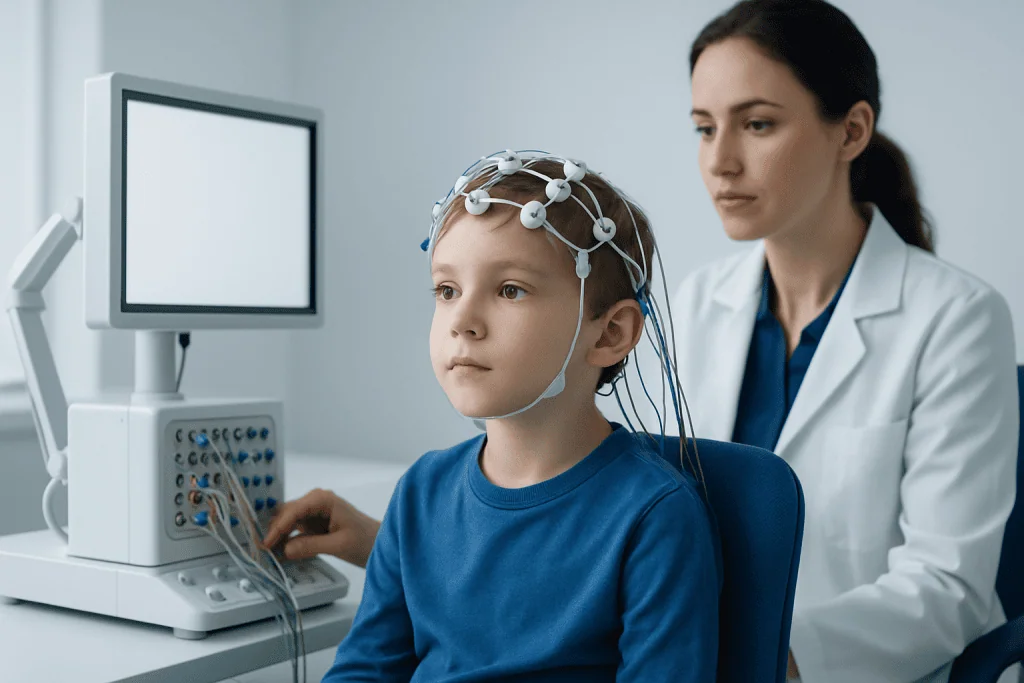
The symptoms of pediatric neuroimmune disorders depend on which part of the nervous system is affected. Brain inflammation may lead to seizures, confusion, memory problems, speech difficulties, mood change, hallucinations, or reduced alertness. When the spinal cord is involved, a child may develop back pain, leg weakness, numbness, bladder problems, or trouble walking. If the optic nerve is affected, there may be painful vision loss, blurred vision, or changes in color perception.
Peripheral nerve or nerve-muscle junction involvement may cause weakness, tingling, facial drooping, trouble swallowing, or fatigue that worsens with activity. In infants and younger children, signs may be less specific and can include poor feeding, decreased interaction, loss of milestones, irritability, or reduced movement. Parents often notice that something about the child’s usual behavior or function has changed.
Symptoms may develop over hours to days, or more gradually over weeks. Warning signs that need prompt medical attention include a first seizure, sudden weakness, severe imbalance, difficulty breathing, rapidly worsening drowsiness, loss of vision, or new inability to speak or walk. These symptoms do not always mean an autoimmune disorder, but they should be assessed urgently.
- New seizures or unusual movements
- Sudden weakness, numbness, or facial asymmetry
- Behavior or personality changes
- Vision loss or double vision
- Difficulty walking or poor coordination
- Problems with swallowing, breathing, or bladder control
Causes and Risk Factors
In many children, the exact cause is not fully clear. These disorders usually happen when the immune system becomes misdirected and attacks parts of the nervous system. This may occur after an infection, because of cross-reactivity between immune defenses and nerve tissue, or as part of a broader autoimmune tendency. In some cases, doctors can identify antibodies linked with specific syndromes, while in others the diagnosis is based on clinical features and tests that show inflammation.
Some neuroimmune conditions follow common viral or bacterial illnesses, although the child is not necessarily still infected when neurological symptoms begin. A family history of autoimmune disease may increase the likelihood of immune-related illness, but many affected children have no such history. Rarely, neuroimmune disorders are associated with underlying systemic inflammatory conditions or immune dysfunction.
Risk factors vary by condition. For example, demyelinating diseases are more likely when inflammation damages the protective covering of nerves, called myelin. Autoimmune encephalitis may be associated with specific neuronal antibodies. Other disorders involve peripheral nerves or muscles rather than the brain. Specialist assessment is important to distinguish one condition from another, including multiple sclerosis and other inflammatory disorders that may require different follow-up and treatment plans.
How Diagnosis Is Made
Diagnosis begins with a detailed medical history and neurological examination. The doctor will ask when symptoms started, whether there was a recent infection, how quickly the child has changed, and whether there are signs affecting memory, movement, sensation, speech, or vision. Because infections, metabolic disorders, epilepsy, stroke, and psychiatric conditions can sometimes mimic neuroimmune disease, evaluation is usually broad and systematic.
Magnetic resonance imaging is often one of the most important tests because it can show inflammation or demyelination in the brain, spinal cord, or optic nerves. Blood tests may look for inflammation, infection, autoimmune markers, and antibodies linked with specific syndromes. A lumbar puncture may be recommended to examine cerebrospinal fluid for immune cells, antibodies, or evidence of infection. Depending on the child’s symptoms, doctors may also use EEG for seizures or encephalopathy, visual testing, or nerve conduction studies and electromyography for peripheral nerve disorders.
Sometimes diagnosis becomes clearer over time, especially if symptoms evolve or recur. Repeated imaging or follow-up testing may be needed to confirm whether a disorder was a single inflammatory episode or part of a chronic condition. Pediatric neurologists, immunologists, radiologists, rehabilitation specialists, and other experts may work together to interpret findings and build the safest treatment plan.
Treatment Options in Children
Treatment is tailored to the child’s diagnosis, severity of symptoms, and speed of progression. The main goal is to reduce harmful immune activity while supporting the nervous system as it heals. First-line therapies commonly include corticosteroids, intravenous immunoglobulin, or plasma exchange, depending on the condition and how urgent the situation is. If a specific trigger such as infection is suspected, treatment may also address that cause while doctors continue the diagnostic workup.
Some children need hospital care, especially if they have seizures, severe weakness, breathing difficulty, or significant changes in alertness. In more persistent or relapsing disorders, doctors may recommend longer-term immunotherapy to reduce the chance of future attacks. The exact medicines vary widely, so treatment decisions are individualized and carefully monitored for benefits and side effects.
Supportive care is also a central part of recovery. This may include seizure management, pain control, bladder support, nutrition, psychological care, and sleep support. Rehabilitation often helps children regain strength, balance, coordination, speech, and independence. Depending on the condition, the care plan may involve neurological rehabilitation, physical therapy and rehabilitation, or other therapies aimed at function and daily activities.
When there is concern about inflammation affecting the brain itself, doctors may evaluate for conditions such as encephalitis or autoimmune encephalitis while starting urgent treatment if needed. In selected cases, advanced imaging and inpatient monitoring are important parts of management. Families are usually advised that recovery can take time, and progress may continue for weeks or months after the acute illness improves.
Long-Term Outlook, Follow-Up, and Daily Support
The outlook depends on the specific disorder, how quickly treatment begins, and how much of the nervous system is involved. Many children recover well, especially after a single inflammatory event that is treated promptly. Others may have lingering symptoms such as fatigue, attention difficulties, weakness, mood change, or reduced exercise tolerance. Some children experience relapses and need ongoing follow-up to adjust treatment and watch for new symptoms.
Regular visits help the care team monitor neurological function, school performance, growth, and medication effects. Repeat MRI scans, vision checks, or laboratory tests may be needed in some conditions. Children often benefit from a team-based approach that includes neurology, rehabilitation, psychology, ophthalmology, and school support services when appropriate.
Daily life after a neuroimmune illness may involve a gradual return to school, sports, and social activities. Families are often encouraged to pace recovery, prioritize sleep, and communicate with teachers about temporary learning or stamina challenges. If concerns remain about balance, mobility, or weakness, targeted rehabilitation can be especially helpful, and some children may also be assessed in programs related to pediatric rehabilitation.
Prevention and Self-Care for Families
There is no guaranteed way to prevent all pediatric neuroimmune disorders, because many arise from complex immune mechanisms that are not fully predictable. Still, general measures that support overall health are helpful. These include keeping up with routine pediatric care, following vaccine advice from a qualified doctor, managing chronic conditions carefully, and seeking timely evaluation when a child has unusual neurological symptoms after an illness.
At home, families can support recovery by creating a calm routine, encouraging hydration and balanced nutrition, and helping the child get enough rest. It is also useful to keep a symptom diary that notes weakness, headaches, seizures, behavior changes, falls, or vision complaints. This record can help doctors see patterns and judge whether symptoms are improving, stable, or returning.
Emotional support matters as much as physical recovery. Children may feel frightened by hospital stays, tests, or sudden loss of abilities, while parents may feel uncertain about the future. Clear communication with the healthcare team, age-appropriate explanations, and school coordination can reduce stress and help the child return to normal activities as safely as possible.
When to See a Doctor
A child should be assessed promptly for any new neurological symptom that is unexplained, persistent, or worsening. Important reasons to seek urgent medical care include a first seizure, sudden weakness, inability to walk, severe confusion, loss of vision, intense sleepiness, trouble speaking, or problems with breathing or swallowing. Even if the symptoms began after a common infection, rapid neurological change should not be ignored.
Families should also contact a doctor if a child who has already been diagnosed with a neuroimmune disorder develops possible relapse symptoms, side effects from treatment, or new difficulties at school or home. Follow-up is important even after apparent recovery because some conditions can evolve over time.
Evaluation is often best coordinated by pediatric neurology and neuroimmunology specialists familiar with these uncommon disorders. Near the end of the care journey, some families may seek multidisciplinary support for diagnosis, imaging, treatment, and rehabilitation. Acibadem International’s multidisciplinary specialists in JCI-accredited hospitals diagnose and treat pediatric neuroimmune conditions for international patients when specialist evaluation is needed.
Frequently asked questions
What is pediatric neuroimmunology?
Pediatric neuroimmunology is the field that studies immune-related disorders of the nervous system in children. It includes conditions where inflammation affects the brain, spinal cord, optic nerves, peripheral nerves, or nerve-muscle connections.
Are autoimmune brain and nerve disorders in children treatable?
Many of these disorders are treatable, especially when they are recognized early. Treatment often aims to reduce inflammation, control symptoms, and support recovery through rehabilitation and close follow-up.
Can an infection trigger a neuroimmune disorder in a child?
Yes, some pediatric neuroimmune disorders can appear after an infection. In these cases, the immune response may become misdirected and affect the nervous system, even when the infection itself has improved.
How is autoimmune encephalitis diagnosed in children?
Doctors use a combination of history, neurological examination, brain imaging, blood tests, and spinal fluid testing. EEG and antibody tests may also be helpful, but diagnosis is usually based on the full clinical picture rather than one test alone.
Will a child fully recover from a neuroimmune disorder?
Recovery varies by diagnosis and severity. Some children recover completely, while others may need ongoing therapy or follow-up for lingering symptoms such as fatigue, weakness, attention problems, or relapses.
When should parents seek emergency care?
Emergency care is important if a child has a first seizure, sudden weakness, severe confusion, loss of vision, trouble breathing, difficulty swallowing, or becomes hard to wake. These symptoms need urgent medical evaluation regardless of the cause.
References
- World Health Organization
- National Institute of Neurological Disorders and Stroke
- American Academy of Neurology
- Child Neurology Society
- National Institute of Mental Health
This article is for general information only and is not a substitute for professional medical advice. Please consult a qualified doctor about your individual situation.
Neuroimmunology in Turkey — costs, top hospitals & a free quote
JCI-accredited · board-certified surgeons · reply within 24h
Add us as a Preferred Source to see more of our trusted health content across Google Search, AI Overviews and Discover.

More from the Health Library



Related Specialists
Assoc. Prof. Dr. Pınar Kahraman Koytak
Neurology
Dr. Özgün Barış Çolak
Physical Medicine & Rehabilitation
Prof. Dr. Serap Semiz
Pediatrics
Prof. Dr. Öner Gülcan
Cardiovascular Surgery