Pelvic Pain in Women: Causes, Diagnosis, and Treatment Options

Pelvic pain in women may be sudden or long-lasting and can have many different causes. Common causes include menstrual conditions, ovarian cysts, infections, urinary problems, bowel disorders, and muscle or nerve-related pain.
Key Takeaways
- Pelvic pain in women may be sudden or long-lasting and can have many different causes.
- Common causes include menstrual conditions, ovarian cysts, infections, urinary problems, bowel disorders, and muscle or nerve-related pain.
- Diagnosis often involves a medical history, physical exam, pelvic exam, and sometimes imaging or laboratory tests.
- Treatment depends on the cause and may include pain relief, lifestyle changes, antibiotics, hormone-based treatment, or surgery.
- Urgent medical assessment is important for severe pain, fever, heavy bleeding, fainting, or possible pregnancy-related symptoms.
Pelvic pain in women is a common symptom that can arise from the reproductive, urinary, digestive, or musculoskeletal systems. Because the causes vary widely, careful evaluation helps identify the reason for pain and the most appropriate treatment.
Overview
Pelvic pain in women refers to discomfort felt in the lower abdomen, below the belly button, or deep within the pelvis. It may come and go, occur only during certain times such as menstruation or intercourse, or persist for weeks to months. Some people describe it as cramping, pressure, stabbing, aching, or burning.
This symptom is common and does not always mean there is a serious problem. In some cases, pelvic pain is linked to the menstrual cycle, ovulation, or temporary digestive upset. In other cases, it can be related to gynecologic conditions, urinary tract problems, bowel disorders, or issues involving muscles, joints, or nerves.
Doctors often classify pelvic pain as acute or chronic. Acute pelvic pain starts suddenly and may need prompt evaluation, especially if it is severe. Chronic pelvic pain usually lasts for six months or longer, or keeps returning, and may affect daily activities, sleep, exercise, sexual health, work, and emotional well-being.
Because several body systems are located close together in the pelvis, symptoms can overlap. A structured assessment helps determine whether the pain is most likely related to the uterus, ovaries, bladder, intestines, pelvic floor muscles, or another nearby structure.
Symptoms
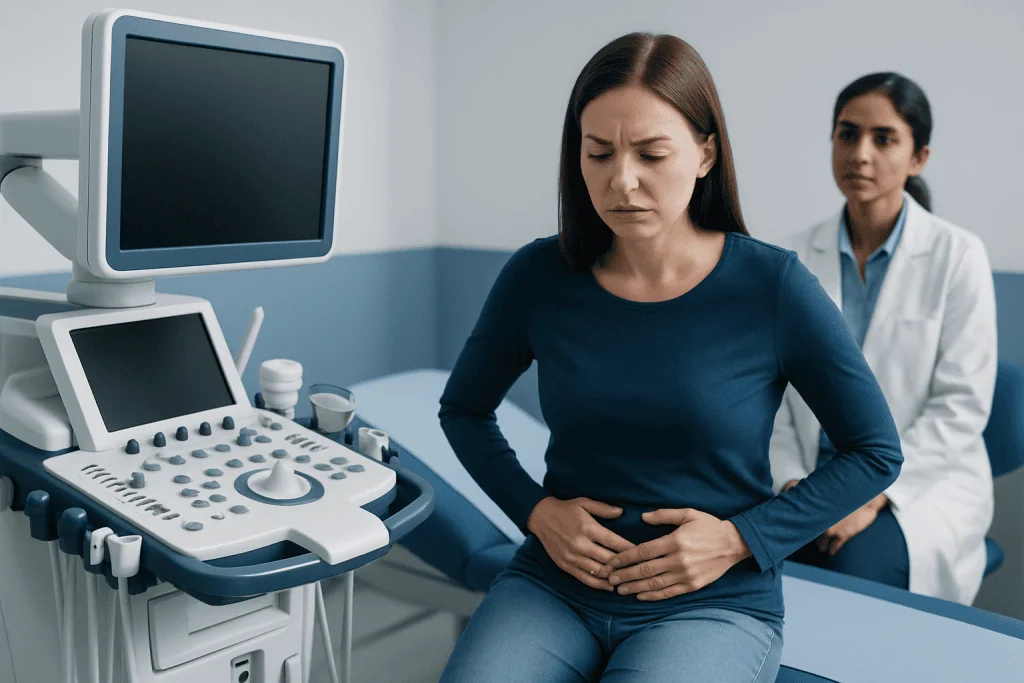
Pelvic pain can feel different from one person to another. It may be sharp and sudden, dull and constant, or cramp-like. Some women feel pain mainly on one side, while others notice central pelvic pressure or pain that spreads to the lower back, hips, or thighs.
Symptoms that may occur along with pelvic pain include abnormal vaginal bleeding, painful periods, pain during sex, bloating, nausea, urinary urgency, burning with urination, constipation, diarrhea, or pain with bowel movements. In chronic cases, the pain may worsen with sitting for long periods, exercise, or stress.
The timing of symptoms can offer useful clues. Pain linked to ovulation or periods may suggest a gynecologic cause. Pain that comes with urination may point toward a urinary issue, while pain associated with bowel changes may suggest a digestive cause. Pain during or after intercourse can occur with infections, endometriosis, pelvic floor dysfunction, or other pelvic conditions.
It is helpful for patients to note when the pain starts, how long it lasts, what it feels like, and what makes it better or worse. Tracking pain in relation to the menstrual cycle, meals, bowel movements, urination, exercise, and sexual activity can make diagnosis easier.
Causes and Risk Factors
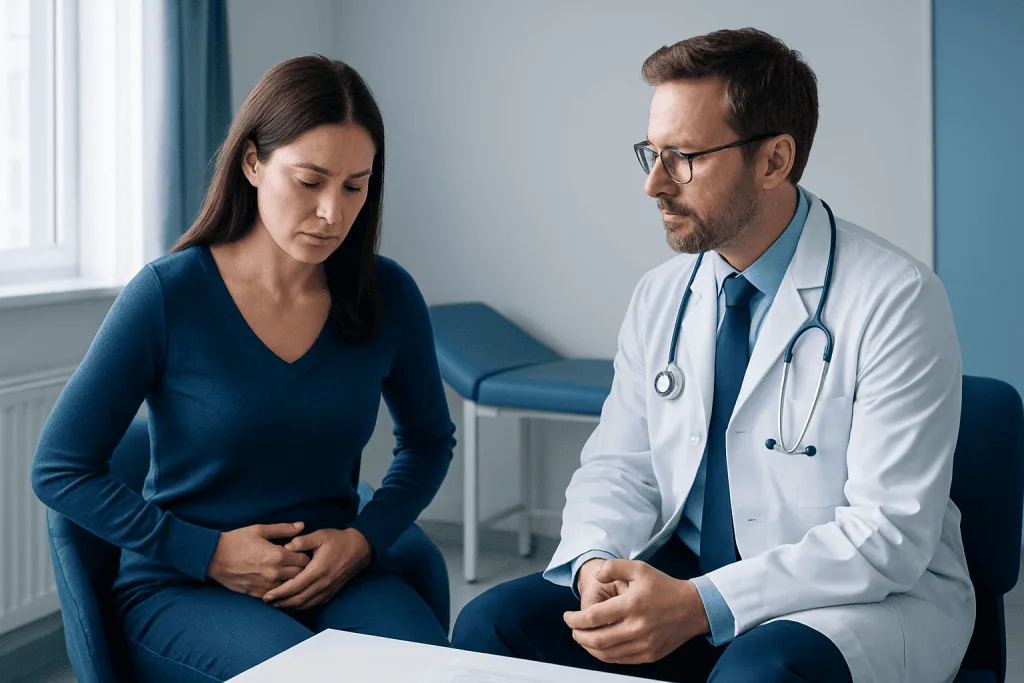
There are many possible causes of pelvic pain in women. Gynecologic causes include painful periods, ovulation pain, uterine fibroids, adenomyosis, pelvic inflammatory disease, ovarian cysts, and endometriosis. Pregnancy-related causes, such as ectopic pregnancy or miscarriage, can also cause pelvic pain and require urgent medical attention.
Urinary causes include urinary tract infection, bladder inflammation, kidney stones, and disorders such as interstitial cystitis or painful bladder syndrome. Digestive causes may include irritable bowel syndrome, constipation, inflammatory bowel disease, appendicitis, or other bowel conditions. Sometimes pain comes from the pelvic floor muscles, lower spine, hip joints, or nerves rather than the internal organs.
Risk factors depend on the underlying condition. For example, sexually transmitted infections can increase the risk of pelvic inflammatory disease. A history of heavy or painful periods may be linked to fibroids or endometriosis. Previous abdominal or pelvic surgery can sometimes contribute to scar tissue, also called adhesions, which may be associated with pain.
Chronic pelvic pain can have more than one cause at the same time. A woman may have a gynecologic condition together with irritable bowel syndrome or pelvic floor muscle tension. This is one reason why diagnosis sometimes takes time and may involve more than one specialist.
How Pelvic Pain Is Diagnosed
Diagnosis starts with a detailed medical history. The doctor usually asks where the pain is felt, when it began, how severe it is, and whether it is related to menstruation, urination, bowel movements, eating, exercise, or sexual activity. Questions about past surgeries, pregnancies, contraceptive use, infections, and family history can also be important.
A physical examination may include an abdominal exam and a pelvic exam. These help check for tenderness, masses, muscle spasm, swelling, or signs of infection. Depending on symptoms, laboratory tests may include a pregnancy test, urine tests, and blood tests. If infection is suspected, swabs or other tests may be used.
Imaging is often helpful when the cause is not clear. Pelvic ultrasound is commonly used to look at the uterus and ovaries and can help identify fibroids, ovarian cysts, or other structural problems. In selected cases, doctors may recommend MRI or CT scan to evaluate nearby organs or to investigate pain that may not be explained by an initial exam.
Sometimes additional procedures are needed. If endometriosis, adhesions, or another internal pelvic condition is strongly suspected, minimally invasive evaluation such as laparoscopy may be considered. The exact testing plan depends on the person’s age, symptoms, exam findings, and whether urgent causes need to be ruled out first.
Treatment Options
Treatment for pelvic pain in women depends on the underlying cause, the severity of symptoms, and whether the pain is acute or chronic. For temporary or mild pain, doctors may suggest rest, heat, and appropriate pain relief. If a specific condition is found, treatment is directed toward that condition rather than the symptom alone.
Infections are usually treated with antibiotics when bacterial causes are confirmed or strongly suspected. Hormonal treatments may help some gynecologic causes of pain, especially when symptoms are related to the menstrual cycle or conditions such as endometriosis. Ovarian cysts or fibroids may only need monitoring in some cases, while others may require targeted treatment.
Non-medicine approaches can also be important. Pelvic floor physical therapy may help when muscle tension or pelvic floor dysfunction contributes to pain. Dietary changes, bowel management, stress reduction, and regular gentle activity can be useful when bladder or bowel issues overlap with pelvic symptoms. Chronic pain often improves best with a personalized, multidisciplinary plan.
Surgery is considered when there is a clear structural cause, when symptoms are severe, or when other treatments have not worked. Depending on the diagnosis, procedures may range from drainage or removal of a cyst to treatment of fibroids or endometriosis. Near the end of the care pathway, some women benefit from evaluation by specialists in gynecology, urology, gastroenterology, pain management, or rehabilitation. Acibadem International’s multidisciplinary specialists in JCI-accredited hospitals also diagnose and treat pelvic pain conditions for international patients.
Prevention and Self-care
Not all causes of pelvic pain can be prevented, but some self-care steps may reduce discomfort or lower the risk of certain problems. Keeping a symptom diary can help identify patterns and triggers. Recording the timing of pain, menstrual cycle details, urinary or bowel symptoms, and any relationship to sex or exercise can support more accurate diagnosis.
General health habits may also help. Staying well hydrated, eating a balanced diet with adequate fiber, and keeping physically active can support bowel and bladder health. Gentle stretching, regular movement, and attention to posture may reduce strain from muscles and joints around the pelvis and lower back.
Safe sexual practices can help lower the risk of sexually transmitted infections and pelvic inflammatory disease. Routine gynecologic care is important, especially for women with painful or heavy periods, irregular bleeding, or recurrent pelvic symptoms. Early assessment often makes treatment simpler and more effective.
For women with recurring pain, self-care measures such as a warm compress, relaxation techniques, paced activity, and adequate sleep may be useful alongside medical treatment. However, persistent or worsening pain should not be self-managed for too long without professional advice.
When to See a Doctor
A doctor should evaluate pelvic pain that is severe, keeps returning, lasts longer than expected, or interferes with normal life. Medical advice is also important if the pain is associated with heavy or unusual bleeding, painful urination, bowel changes, pain during sex, or difficulty becoming pregnant.
Urgent medical care is needed for sudden intense pelvic pain, fainting, fever, vomiting, a rigid abdomen, or pain during pregnancy or when pregnancy is possible. These symptoms can occur with conditions that need prompt treatment, such as ectopic pregnancy, ovarian torsion, appendicitis, or significant infection.
Even when symptoms are not urgent, persistent pelvic pain deserves attention. Chronic pain can affect mood, relationships, and quality of life, and it may have more than one cause. A timely, careful assessment improves the chance of finding the reason and choosing treatment that provides meaningful relief.
If the first explanation does not seem to fit the symptoms, follow-up is appropriate. Pain that changes over time, fails to improve, or is accompanied by new symptoms may require a reassessment and sometimes additional testing.
Frequently asked questions
What is the most common cause of pelvic pain in women?
There is no single cause for all women, but menstrual cramps, ovulation-related pain, urinary infections, ovarian cysts, and digestive issues are all common. The most likely cause depends on the person’s age, symptoms, menstrual history, and overall health.
Can pelvic pain be normal during periods?
Mild cramping during menstruation is common. However, severe pain, pain that is getting worse over time, or pain that disrupts daily activities should be assessed because it can be linked to conditions such as endometriosis or fibroids.
When is pelvic pain an emergency?
Pelvic pain needs urgent assessment if it is sudden and severe, occurs with fainting, fever, vomiting, heavy bleeding, or happens during pregnancy or when pregnancy is possible. These features can signal conditions that require prompt treatment.
How do doctors test for the cause of pelvic pain?
Doctors usually begin with a medical history, physical examination, and pelvic exam when appropriate. They may also order urine tests, blood tests, a pregnancy test, ultrasound, or other imaging depending on the symptoms and suspected cause.
Can stress cause pelvic pain?
Stress does not usually cause all pelvic pain by itself, but it can make pain feel worse and may contribute to pelvic floor muscle tension. In chronic pelvic pain, stress management is often one helpful part of a broader treatment plan.
Can pelvic pain affect fertility?
Some causes of pelvic pain, such as pelvic inflammatory disease or endometriosis, can affect fertility in certain women. This is one reason why ongoing pelvic pain should be evaluated rather than ignored.
References
- World Health Organization
- American College of Obstetricians and Gynecologists
- National Institute for Health and Care Excellence
- Centers for Disease Control and Prevention
- Office on Women's Health
This article is for general information only and is not a substitute for professional medical advice. Please consult a qualified doctor about your individual situation.
IVF & fertility treatment in Turkey — success rates and costs
JCI-accredited · board-certified surgeons · reply within 24h
Add us as a Preferred Source to see more of our trusted health content across Google Search, AI Overviews and Discover.
Check your numbers in seconds
BMI, calories, due date, blood pressure and 30+ more clinical calculators — free, instant, doctor-reviewed ranges.