Peripheral Neuropathy Symptoms Explained: Common Triggers and Red Flags

Peripheral neuropathy symptoms often begin in the feet and hands and may include numbness, tingling, burning, pain, or weakness. Symptoms can affect sensory, motor, and autonomic nerves, so some people also notice balance problems, muscle cramps, or digestive and blood pressure changes.
Key Takeaways
- Peripheral neuropathy symptoms often begin in the feet and hands and may include numbness, tingling, burning, pain, or weakness.
- Symptoms can affect sensory, motor, and autonomic nerves, so some people also notice balance problems, muscle cramps, or digestive and blood pressure changes.
- Diabetes is a common cause, but vitamin deficiencies, alcohol use, infections, autoimmune disease, kidney disease, medications, and nerve compression can also contribute.
- Sudden symptoms, rapid progression, severe weakness, trouble walking, or bladder and bowel changes need prompt medical attention.
- Diagnosis usually combines medical history, neurological examination, blood tests, and sometimes nerve conduction studies or imaging.
Peripheral neuropathy symptoms usually start as numbness, tingling, burning pain, or unusual sensitivity in the feet or hands, and they may gradually spread. These symptoms can have many causes, so early medical evaluation helps identify treatable triggers and prevent complications.
Overview: what peripheral neuropathy symptoms usually feel like
Peripheral neuropathy symptoms happen when nerves outside the brain and spinal cord are damaged or not working properly. Most people notice changes in sensation first, such as numbness, tingling, burning, stabbing pain, or a feeling like wearing an invisible glove or sock. These symptoms often start gradually in the toes or feet and can later involve the hands.
Not everyone experiences neuropathy in the same way. Some people mainly have pain, while others notice reduced sensation, weakness, clumsiness, or a loss of balance. Symptoms may be mild at first and easy to dismiss, especially if they come and go, but persistent changes deserve medical attention because some causes are reversible or manageable when found early.
Peripheral neuropathy is a broad term rather than a single disease. It can be linked to diabetes, vitamin deficiencies, infections, autoimmune conditions, medication side effects, kidney disease, alcohol use, and many other problems. Understanding the pattern of symptoms often gives important clues about the underlying cause.
Common symptoms: beyond numbness and tingling
The most familiar peripheral neuropathy symptoms affect sensation. People may describe pins and needles, burning, electric-shock pain, reduced ability to feel temperature, or a strange hypersensitivity where even bedsheets feel uncomfortable. Symptoms are often worse at night, which can disturb sleep and make discomfort feel more noticeable.
Neuropathy can also affect motor nerves that control muscles. In that case, a person may notice weakness, frequent tripping, trouble lifting the front of the foot, hand clumsiness, reduced grip strength, muscle cramps, or twitching. If the feet are involved, balance may become less steady because the brain receives less reliable information from the nerves.
Autonomic nerves may be involved too. These nerves help regulate automatic body functions, so symptoms can include dizziness on standing, abnormal sweating, constipation, diarrhea, bloating, nausea, sexual dysfunction, or changes in bladder control. Although these symptoms are less widely recognized, they can be part of peripheral neuropathy and should be mentioned during a medical evaluation.
- Sensory symptoms: numbness, tingling, burning, sharp pain, reduced sensation
- Motor symptoms: weakness, cramping, muscle wasting, poor coordination
- Autonomic symptoms: dizziness, sweating changes, digestive symptoms, bladder or sexual problems
Patterns that help doctors recognize neuropathy

The distribution of symptoms matters. A very common pattern is a gradual, symmetrical spread that starts in both feet and may later move upward into the legs and then affect the hands. This is sometimes called a “stocking-glove” pattern and is often seen in metabolic or nutritional causes such as diabetes or vitamin deficiency.
Other patterns can suggest a different problem. Symptoms in just one hand may point toward localized nerve compression, such as carpal tunnel syndrome. Sudden weakness or numbness on one side of the body is not typical of routine peripheral neuropathy and may suggest an urgent neurological problem instead. Pain or numbness radiating from the neck or back into an arm or leg can also reflect nerve root irritation rather than widespread peripheral nerve disease.
Doctors also pay attention to timing. Symptoms that develop slowly over months may have different causes than symptoms that appear suddenly over hours or days. Rapid progression, new falls, or weakness that interferes with daily activity should never be ignored, because these features can signal a more serious or treatable condition.
Common triggers and risk factors
Many conditions can lead to peripheral neuropathy symptoms. Diabetes is one of the best-known causes because long-term high blood sugar can damage small nerves, especially in the feet. Prediabetes may also contribute in some people. Other metabolic and organ-related causes include kidney disease, thyroid disorders, and liver disease.
Nutritional problems are another important trigger. Low levels of vitamin B12 and some other B vitamins can affect nerve health. Heavy alcohol use can damage nerves directly and also contribute to poor nutrition. Certain medicines, especially some chemotherapy drugs and other treatments that affect nerve function, may cause neuropathy as a side effect.
Inflammatory and immune-related disorders can also injure nerves, as can infections such as shingles, hepatitis, HIV, or Lyme disease in some settings. Inherited neuropathies, exposure to toxins, repetitive pressure on a nerve, and physical trauma are additional possibilities. Because causes vary widely, a careful medical review is essential rather than assuming one explanation.
- Diabetes or prediabetes
- Vitamin deficiencies, especially B12
- Alcohol misuse
- Medication side effects, including some chemotherapy
- Kidney, thyroid, or liver disease
- Autoimmune disease, infection, toxins, or nerve compression
How peripheral neuropathy is diagnosed
Diagnosis begins with a detailed history and neurological examination. A doctor will ask where the symptoms began, how they have changed over time, whether there is pain or weakness, and whether there are related medical conditions such as diabetes, autoimmune disease, or recent infection. Questions about medications, alcohol use, family history, and occupational exposures are also important.
During the examination, the doctor checks reflexes, muscle strength, coordination, gait, and different types of sensation, including vibration, temperature, and light touch. The feet are examined carefully because unnoticed injuries or skin breakdown can occur when sensation is reduced. Depending on the findings, blood tests may be recommended to look for diabetes, vitamin deficiency, thyroid problems, kidney disease, inflammation, or infection.
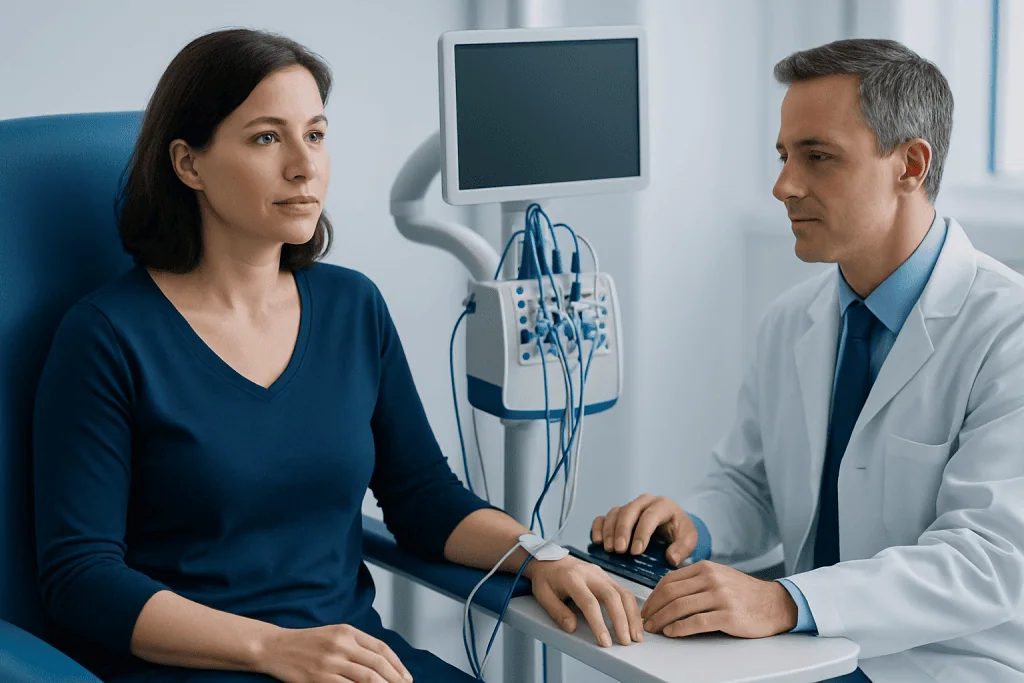
Some people need additional testing. Nerve conduction studies and electromyography can help show how well nerves and muscles are working and whether the problem is affecting large nerves, muscle, or nerve roots. In selected cases, imaging such as MRI may be used to evaluate possible compression or structural causes, and a comprehensive check-up may help identify contributing health conditions.
Treatment options and symptom management
Treatment for peripheral neuropathy symptoms focuses first on the underlying cause whenever possible. Better blood sugar management may help in diabetic neuropathy, vitamin replacement can correct deficiency-related neuropathy, and adjusting a medication may reduce drug-related symptoms if a doctor considers it safe. When compression is involved, relieving pressure on the nerve may improve symptoms.
Symptom control is also important. Doctors may recommend medications for nerve pain, physical therapy to improve strength and balance, and occupational therapy if hand function is affected. Some people benefit from supportive footwear, foot care routines, or balance training. If symptoms involve a compressed nerve or another structural issue, a specialist may consider targeted treatment, including neurosurgical evaluation when appropriate.
Because reduced sensation can increase the risk of unnoticed injuries, practical self-care is part of treatment. This includes checking the feet daily, protecting the skin from extreme heat or cold, wearing well-fitting shoes, and avoiding barefoot walking if sensation is poor. For international patients who need coordinated evaluation, Acibadem International’s multidisciplinary specialists in JCI-accredited hospitals diagnose and treat neurological conditions, including neuropathy-related problems.
Prevention and everyday self-care
Not every case can be prevented, but healthy habits may lower risk and help limit progression. Good control of long-term conditions such as diabetes, thyroid disease, and kidney disease supports nerve health. A balanced diet with enough vitamins, especially B vitamins, can also be important, particularly for older adults or people with digestive disorders that affect nutrient absorption.
Limiting alcohol, staying physically active, and maintaining a healthy weight may help reduce some neuropathy risks. People exposed to repetitive strain or pressure at work or during hobbies should pay attention to posture, ergonomic support, and rest breaks. Managing blood pressure and cholesterol, and avoiding smoking, may also support circulation and nerve function.
Daily self-checks are especially helpful when numbness affects the feet. Looking for cuts, blisters, redness, or swelling can prevent small injuries from becoming more serious. If pain, numbness, or balance problems are affecting daily life, early evaluation is better than waiting for symptoms to become severe.
When to seek medical care
Medical care is appropriate if peripheral neuropathy symptoms last more than a short time, keep returning, or gradually worsen. A doctor should also evaluate symptoms that interfere with walking, sleep, hand use, exercise, or routine activities. Early assessment is especially important if there is a history of diabetes, vitamin deficiency, chemotherapy, autoimmune disease, or heavy alcohol use.
Prompt medical attention is needed when symptoms begin suddenly, spread quickly, or include marked weakness, falls, severe imbalance, new bladder or bowel problems, or fainting. Urgent evaluation is also important if numbness follows an injury, if there is rapidly progressive pain with weakness, or if symptoms affect breathing or swallowing. Sudden one-sided facial drooping, speech trouble, or weakness may signal a condition other than peripheral neuropathy and should be treated as an emergency.
If the diagnosis is uncertain or symptoms are complex, a neurologist may recommend advanced nerve testing such as EMG and nerve conduction studies to clarify the cause and guide treatment. Seeking care early often improves the chance of finding a treatable trigger and reducing long-term nerve damage.
Frequently asked questions
What are the first signs of peripheral neuropathy?
The first signs are often mild numbness, tingling, burning, or unusual sensitivity in the toes and feet. Some people notice symptoms at night first, while others feel slightly off balance or less aware of heat, cold, or touch.
Do peripheral neuropathy symptoms always start in the feet?
They often start in the feet because the longest nerves are most vulnerable, but not always. Some people first notice symptoms in the hands or in a single nerve distribution if compression or injury is the main problem.
Can peripheral neuropathy symptoms come and go?
Yes, symptoms can fluctuate, especially early on or when they are linked to blood sugar changes, pressure on a nerve, or intermittent inflammation. Even if symptoms are not constant, repeated episodes should still be evaluated if they keep returning.
Is peripheral neuropathy dangerous?
Peripheral neuropathy itself is not always dangerous, but it can lead to complications such as falls, burns, foot ulcers, or missed injuries when sensation is reduced. Some causes are also important to identify quickly because they are treatable or may reflect another underlying illness.
Can peripheral neuropathy be reversed?
Sometimes it can improve, especially if the cause is found early and treated, such as a vitamin deficiency, medication effect, or certain compression injuries. In other cases, the goal is to slow progression, reduce pain, and protect function and safety.
What tests are used to confirm neuropathy?
Doctors usually begin with a medical history, physical examination, and blood tests. If needed, they may use nerve conduction studies, electromyography, and sometimes imaging or other specialized tests depending on the suspected cause.
References
- National Institute of Neurological Disorders and Stroke
- National Institute of Diabetes and Digestive and Kidney Diseases
- Mayo Clinic
- American Academy of Neurology
- Centers for Disease Control and Prevention
This article is for general information only and is not a substitute for professional medical advice. Please consult a qualified doctor about your individual situation.
Peripheral Neuropathy in Turkey — costs, top hospitals & a free quote
JCI-accredited · board-certified surgeons · reply within 24h
Add us as a Preferred Source to see more of our trusted health content across Google Search, AI Overviews and Discover.

Physical Medicine & Rehabilitation
Restoring movement and function after injury, surgery or neurological conditions.
152 specialists in this unit