Persistent Hiccups and Swallowing Trouble: Could It Be a Neuroinfectious Disease?

Most hiccups and swallowing problems are not caused by brain infection, but persistent or unexplained symptoms deserve medical attention. Neuroinfectious diseases can affect the brainstem, cranial nerves, or spinal cord and disrupt swallowing and breathing reflexes.
Key Takeaways
- Most hiccups and swallowing problems are not caused by brain infection, but persistent or unexplained symptoms deserve medical attention.
- Neuroinfectious diseases can affect the brainstem, cranial nerves, or spinal cord and disrupt swallowing and breathing reflexes.
- Warning signs include weakness, fever, headache, confusion, facial changes, hoarseness, or new neurological symptoms.
- Diagnosis usually involves a neurological exam, imaging, blood tests, and sometimes cerebrospinal fluid testing.
- Treatment depends on the underlying cause and may include antiviral, antibiotic, antiparasitic, antifungal, or supportive care.
Persistent hiccups and difficulty swallowing are often linked to digestive, throat, or nerve-related problems, but in some cases they may signal a neuroinfectious disease affecting the brainstem or cranial nerves. Recognizing the broader symptom pattern can help people seek timely medical evaluation and appropriate treatment.
Overview
Persistent hiccups and swallowing trouble can be uncomfortable, tiring, and concerning. In many people, these symptoms are related to common issues such as acid reflux, throat irritation, medication side effects, or benign nerve irritation. However, when they last longer than expected or occur together with other neurological symptoms, doctors may also consider whether the nervous system is involved.
A neuroinfectious disease is an infection that affects the brain, spinal cord, meninges, or the nerves connected to these structures. If an infection irritates areas of the brainstem that help control swallowing, breathing, and diaphragm function, a person may develop ongoing hiccups, choking, hoarseness, coughing during meals, or trouble moving food and liquids safely from the mouth to the stomach.
The brainstem contains important reflex centers that coordinate swallowing and the rhythmic movement of the diaphragm. Infections that inflame this area can interfere with these pathways. As a result, symptoms may seem digestive at first, even though the underlying problem is neurological.
Because these symptoms have many possible causes, persistent hiccups and swallowing trouble should not automatically be assumed to mean a serious infection. Still, they should be assessed carefully, especially if they are new, progressive, or accompanied by fever, headache, confusion, weakness, or changes in speech.
How Neuroinfectious Diseases Can Cause These Symptoms
Hiccups happen when the diaphragm contracts suddenly and the vocal cords close quickly afterward. Swallowing is even more complex, involving the mouth, throat, esophagus, and several nerves and muscles. The brainstem helps coordinate both actions. When infection-related inflammation disrupts these circuits, hiccups may become persistent and swallowing may become difficult or unsafe.
Several mechanisms can contribute. The infection may directly affect the brainstem, inflame cranial nerves involved in swallowing, increase pressure inside the skull, or trigger generalized weakness that affects the muscles needed for eating and protecting the airway. In some cases, the person may also have nausea, vomiting, imbalance, double vision, or breathing changes.
Examples of infections that can affect these pathways include encephalitis, meningitis, brain abscess, and certain viral or bacterial infections involving the central nervous system. Clinicians may also consider conditions such as meningitis or encephalitis when swallowing changes appear alongside fever, altered awareness, severe headache, or neck stiffness.
Not every infection causes the same pattern. Some develop quickly over hours or days, while others progress more gradually. This is one reason a detailed medical history, neurological examination, and targeted testing are important.
Symptoms to Watch For

The main symptoms in this topic are hiccups that keep returning or do not settle, and swallowing trouble, also called dysphagia. A person may feel that food sticks in the throat, need repeated swallows, cough when drinking, or avoid eating because it feels difficult. Some people describe choking episodes, a wet or gurgly voice after swallowing, or pain when trying to swallow.
When a neuroinfectious disease is involved, other symptoms often appear as well. These may include fever, headache, neck stiffness, nausea, vomiting, confusion, drowsiness, poor balance, facial weakness, slurred speech, hoarseness, changes in eye movement, numbness, or weakness in the arms or legs. Breathing problems or repeated aspiration can occur in more severe cases.
Symptoms that suggest a more urgent evaluation include sudden inability to swallow, drooling, repeated choking, shortness of breath, severe dehydration, new seizures, or reduced alertness. In older adults and people with weakened immune systems, the signs of infection can sometimes be subtle, which makes a full assessment especially important.
- Persistent hiccups lasting more than 48 hours
- Coughing or choking with food or liquids
- Hoarseness or voice change
- Fever, headache, or neck stiffness
- Confusion, weakness, imbalance, or facial symptoms
Causes and Risk Factors
Most cases of hiccups and swallowing difficulty are not caused by neuroinfection. Common non-neurological causes include reflux disease, esophageal disorders, throat inflammation, recent surgery, dehydration, and some medicines. Neurological causes can also be noninfectious, such as stroke, neurodegenerative disease, or structural problems affecting the brainstem. This broad range of possibilities is why doctors approach the symptom pattern systematically.
Neuroinfectious causes may include viral encephalitis, bacterial meningitis, tuberculosis involving the nervous system, fungal infections in people with immune suppression, parasitic infections in selected regions, or infections that lead to abscess formation. The exact cause depends on age, travel history, immune status, vaccination history, exposures, and the speed at which symptoms developed.
Risk factors for neuroinfectious disease can include a weakened immune system, cancer treatment, organ transplantation, uncontrolled diabetes, HIV infection, recent serious infection elsewhere in the body, exposure to ticks or mosquitoes in endemic areas, and contact with certain animal or environmental sources. Recent neurosurgery or head trauma can also increase risk in some situations.
Doctors also pay attention to aspiration risk. If swallowing is impaired, food or liquids can enter the airway, which may lead to pneumonia, weight loss, and dehydration. For this reason, swallowing trouble is not only a symptom to explain but also a problem that needs its own safety plan.
How Doctors Diagnose the Cause
Evaluation usually begins with a careful history and physical examination. The doctor will ask when the hiccups started, whether swallowing trouble affects solids, liquids, or both, and whether there are associated symptoms such as fever, headache, weakness, or recent infection. A neurological exam helps identify whether the brainstem, cranial nerves, or other parts of the nervous system may be affected.
Testing depends on the clinical picture. Blood tests may look for signs of infection or inflammation. Brain imaging, often with MRI, can help show inflammation, abscess, or other lesions affecting swallowing pathways. If meningitis or encephalitis is suspected, a lumbar puncture may be recommended to analyze cerebrospinal fluid.
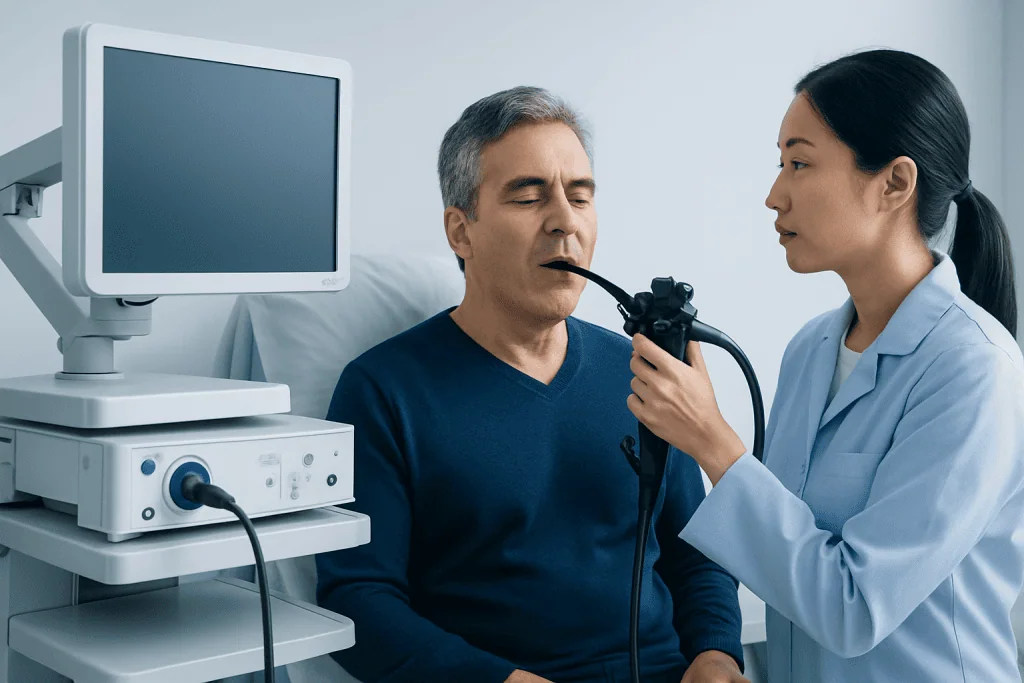
Swallowing itself may also need formal assessment. Bedside swallow testing, fiberoptic endoscopic evaluation of swallowing, or a videofluoroscopic swallow study can show where the problem occurs and whether aspiration is happening. If symptoms suggest an esophageal cause, gastrointestinal evaluation may be needed too.
Because diagnosis can require several specialties, care may involve neurology, infectious diseases, ENT, gastroenterology, radiology, and speech-language pathology. In complex cases, advanced MRI imaging and hospital-based observation may help clinicians monitor for progression and guide treatment safely.
Treatment Options
Treatment depends entirely on the underlying cause. If a neuroinfectious disease is confirmed or strongly suspected, doctors may begin targeted therapy such as antiviral, antibacterial, antifungal, or antiparasitic treatment, depending on the most likely organism and the urgency of the situation. Supportive care is also important, especially if the person is dehydrated, aspirating, or unable to eat and drink adequately.
Managing swallowing trouble is a key part of treatment. Temporary diet changes, thickened liquids, posture strategies, or supervised feeding may reduce aspiration risk. Some people need short-term nutritional support while the swallowing reflex recovers. A speech and swallowing specialist can assess safety and teach practical techniques.
Persistent hiccups may improve once the infection and inflammation are treated, but doctors may also use symptom-directed approaches when hiccups are exhausting or interfere with sleep and eating. If symptoms are related to inflammation or pressure on critical brain structures, more intensive neurological treatment may be needed. In selected cases, patients may also require inpatient neurology rehabilitation after the acute infection has been controlled.
When swallowing difficulty reflects direct involvement of the throat or airway, ENT evaluation can be helpful, and people with complicated aspiration may benefit from coordinated swallowing care. If surgery is needed for a structural infectious complication such as an abscess, management may include neurosurgical treatment alongside anti-infective therapy.
Prevention and Self-Care
Prevention focuses on reducing infection risk and protecting swallowing function. Recommended vaccinations, hand hygiene, food safety, insect bite prevention in endemic regions, and prompt treatment of serious infections can all reduce the chance of central nervous system infection. People with weakened immune systems should follow their doctor’s advice closely about infection prevention and early symptom reporting.
For someone already experiencing swallowing trouble, self-care should center on safety. Eating slowly, taking small sips, sitting fully upright during meals, and avoiding distractions can help. If coughing or choking occurs, it is wise to stop eating and seek professional advice rather than forcing food or drink.
Hydration and nutrition matter, but swallowing difficulty can make both hard to maintain. Soft foods may be easier for some people, while others struggle more with thin liquids. Because the safest texture varies from person to person, individualized guidance is better than guessing.
If symptoms persist, it is important not to rely only on home remedies for hiccups. Repeated or prolonged hiccups may signal irritation of the diaphragm, digestive tract, or nervous system. When there are neurological symptoms or signs of infection, medical evaluation is the safer approach.
When to See a Doctor
A doctor should evaluate hiccups that last more than 48 hours, swallowing problems that persist, or any symptom pattern that is worsening. Medical attention is especially important if there is fever, headache, hoarseness, severe reflux, unexplained weight loss, dehydration, or repeated coughing during meals. These symptoms do not always mean a neuroinfectious disease, but they deserve a clear explanation.
Urgent care is needed if a person cannot swallow saliva, has trouble breathing, develops confusion, has a seizure, becomes difficult to wake, or shows new weakness, facial drooping, or severe imbalance. These may indicate significant involvement of the brain, brainstem, or airway and should not be delayed.
Because swallowing problems can lead to aspiration, even apparently mild symptoms should be discussed if they are frequent. Recurrent chest infections, a wet voice after eating, or the feeling that food is going down the wrong way are useful clues to mention during the visit.
For international patients with suspected neurological infection or complex swallowing disorders, Acibadem International’s multidisciplinary specialists and JCI-accredited hospitals provide diagnosis and treatment planning, including access to infectious diseases care when clinically appropriate.
Frequently asked questions
Do persistent hiccups always mean a neurological infection?
No. Persistent hiccups are more often related to digestive irritation, medications, or other noninfectious causes. However, if they last more than 48 hours or occur with swallowing trouble or neurological symptoms, a doctor should evaluate them.
Why can a brainstem problem affect swallowing?
The brainstem helps coordinate the muscles and reflexes needed for swallowing, breathing, and diaphragm movement. If infection or inflammation affects this area, a person may develop choking, coughing with meals, hoarseness, or ongoing hiccups.
What tests might be needed for hiccups and difficulty swallowing?
Testing may include a neurological examination, blood tests, MRI or CT imaging, and swallowing studies. If doctors suspect meningitis or encephalitis, they may also recommend a lumbar puncture to examine cerebrospinal fluid.
Is difficulty swallowing dangerous?
It can be, especially if food or liquids enter the airway instead of the esophagus. This can lead to aspiration, dehydration, poor nutrition, and pneumonia, so persistent swallowing problems should be assessed promptly.
Can these symptoms improve after treatment?
Yes, in many cases symptoms improve once the underlying cause is identified and treated. Recovery may be gradual, and some people also benefit from swallowing therapy and supportive nutritional care during healing.
When should someone seek emergency help?
Emergency care is needed if there is trouble breathing, inability to swallow saliva, repeated choking, severe confusion, seizures, or new weakness or facial drooping. These signs may point to serious involvement of the nervous system or airway.
References
- World Health Organization
- Centers for Disease Control and Prevention
- National Institute of Neurological Disorders and Stroke
- National Institute on Deafness and Other Communication Disorders
- Infectious Diseases Society of America
This article is for general information only and is not a substitute for professional medical advice. Please consult a qualified doctor about your individual situation.
Persistent digestive symptoms? Get evaluated in Turkey
JCI-accredited · board-certified surgeons · reply within 24h
Add us as a Preferred Source to see more of our trusted health content across Google Search, AI Overviews and Discover.