

Phantosmia Treatment: How It Works, Results and What to Expect

Phantosmia is the perception of a smell without an odor source in the environment. Treatment depends on the underlying cause and starts with a careful ear, nose and throat and medical assessment.
Key Takeaways
- Phantosmia is the perception of a smell without an odor source in the environment.
- Treatment depends on the underlying cause and starts with a careful ear, nose and throat and medical assessment.
- Smell training may support recovery for some people, particularly after infections or other smell changes.
- Persistent, one-sided or sudden symptoms with neurological changes should be assessed promptly.
- Avoid using unproven supplements or nasal products without advice from a qualified clinician.
Phantosmia treatment is tailored to the cause of smelling odors that are not present. Many people improve when nasal inflammation, infection, migraine, medication effects or another contributing condition is identified and managed; recovery may also occur gradually with time and smell rehabilitation.
Phantosmia treatment: how it works
Phantosmia treatment aims to identify and manage the reason a person is detecting a smell that is not actually present. The perceived odor may be unpleasant, such as smoke, burning, chemicals or rotten food, although experiences vary. Because phantom smells can arise from changes in the nose, sinuses, smell nerves or brain pathways, there is no single treatment that is right for everyone.
A clinician will first look for treatable local causes, including nasal inflammation, allergies, sinus disease, polyps or infection. They will also consider recent viral illness, migraine, head injury, medication effects and less common neurological causes. Management may involve ENT care, neurological assessment, treatment of an associated disorder, or structured smell rehabilitation.
The best results usually come from treating the underlying condition rather than trying to mask the smell. In some cases, phantosmia settles without a specific intervention. When it continues or significantly affects eating, sleep, mood or daily activities, a personalized evaluation can help guide next steps.
What triggers phantosmia?
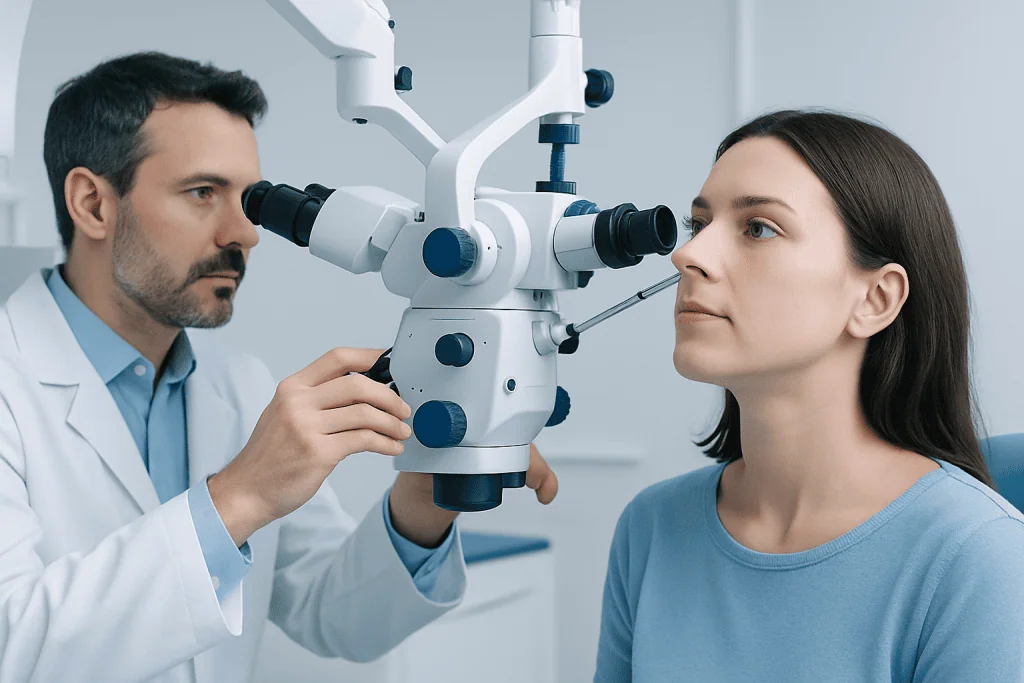
Phantosmia can be triggered by irritation or altered signaling anywhere along the olfactory system, which is responsible for smell. Nasal congestion, allergic rhinitis, chronic sinus inflammation and nasal polyps may distort how odors reach the smell receptors. A respiratory viral infection can also temporarily affect smell function, sometimes with reduced smell, altered smell or phantom odors during recovery.
Other possible triggers include migraine, head injury, smoking, exposure to irritants, certain medicines and dental or oral problems that change the sense of smell or taste. Less commonly, phantosmia can be associated with seizures affecting the temporal lobe, neurological conditions or a growth in the nasal or brain area. These causes are uncommon, but they are important to consider when symptoms are persistent, one-sided or accompanied by other changes.
A symptom diary can be useful before an appointment. Recording the type of smell, when it occurs, whether it affects one or both nostrils, associated headache or congestion, recent illnesses, injuries and medicines can help the clinician recognize relevant patterns.
Assessment and candidacy for phantosmia treatment

Anyone with recurrent or troublesome phantom smells may benefit from medical assessment, especially if the symptom lasts more than a few weeks, returns frequently or affects nutrition and quality of life. An ear, nose and throat specialist may examine the nasal passages and sinuses, while a neurologist may be involved when the history suggests migraine, seizures or another neurological explanation.
Assessment commonly begins with a discussion of symptoms, medical history and medications. The clinician may perform a nasal examination, sometimes using a thin flexible scope, and may assess smell function. Depending on the findings, imaging of the sinuses or brain, blood tests or further neurological investigations may be considered. Testing is not needed for every person; it is selected according to the clinical picture.
People are generally suitable for conservative approaches such as trigger management and smell training when a serious cause has been excluded and there is an associated smell disturbance. Treatment plans should be individualized, particularly for people who are pregnant, have chronic illnesses, use multiple medicines or have new neurological symptoms.
Treatment options and the step-by-step care pathway
Care usually begins by treating an identifiable nasal or sinus problem. Depending on the diagnosis, this may include saline rinsing, treatment for allergies, or prescribed medicines for inflammation or infection when clinically appropriate. If structural nasal disease is contributing, an ENT specialist can discuss whether procedures are necessary. Treatment should not be started solely on the basis of a phantom odor without an assessment.
For phantosmia following a viral illness or another smell disturbance, clinicians may recommend olfactory training. This is a structured practice of smelling a small set of familiar scents, often twice daily over several months, while concentrating on what each scent should smell like. It is intended to support the brain and smell pathways as they recover. It is not an instant cure, and response differs between individuals.
When migraine, seizures or another neurological condition is suspected or confirmed, managing that condition may reduce associated phantom smells. A clinician may review medicines that could affect smell and decide whether a safe alternative is available. Neurological evaluation and treatment can be helpful when symptoms point beyond the nose and sinuses.
There is no established evidence that a vitamin, herbal remedy or essential oil cures phantosmia. Strong scents and irritant products may worsen nasal discomfort. A specialist can help people choose evidence-based options while avoiding unnecessary or potentially harmful treatments.
What vitamin deficiency causes phantom smells?
No vitamin deficiency is known to be a common direct cause of phantosmia. Deficiencies such as zinc, vitamin B12 or vitamin A deficiency can be associated with changes in taste or smell in some circumstances, but they do not reliably explain phantom smells. Taking high-dose supplements without a confirmed deficiency is not recommended.
A clinician may order blood tests when a person has dietary restriction, malabsorption, anemia, neurological symptoms or other features that make a nutritional deficiency plausible. If a deficiency is found, correcting it is important for overall health and may support normal sensory function, but it may not fully resolve phantosmia if another cause is present.
A balanced diet, adequate hydration and avoidance of smoking can support nasal and general health. People considering vitamins or supplements should discuss them with a healthcare professional, particularly if they take prescribed medicines or have kidney, liver or other chronic conditions.
How long does it take for phantosmia to go away?
The timeline varies widely because it depends on the cause. Phantosmia related to a short-lived infection, nasal congestion or an irritant may improve over days to weeks as the underlying problem resolves. After a viral smell disorder or head injury, improvement can be slower and may continue gradually over months.
Some people have symptoms that come and go, while others have more persistent phantosmia. Smell training, treatment of nasal disease and management of migraine or other related conditions may help, but clinicians cannot predict an exact recovery time for an individual. Follow-up is useful if the symptom is not improving, is worsening or is changing in character.
During recovery, practical measures can reduce disruption. Keeping rooms ventilated, using unscented household products, maintaining regular meals and asking family members to check food freshness may help when phantom smells interfere with appetite or confidence around cooking.
Benefits, limitations, risks and recovery expectations
The potential benefit of phantosmia treatment is reduced frequency or intensity of phantom smells and improved comfort with food, sleep, social situations and daily activities. Addressing nasal inflammation or a neurological trigger may also improve related symptoms such as congestion, headache or reduced smell. For many people, reassurance after an appropriate evaluation is also valuable.
Recovery is usually managed at home and does not require a procedure. If smell training is recommended, consistency matters: the plan is typically followed for weeks to months, with reassessment if symptoms persist. Nasal treatments should be used exactly as advised, since some over-the-counter decongestant sprays can cause rebound congestion when used too long.
Risks depend on the chosen treatment. Medicines can have side effects and may not be suitable for everyone; nasal procedures have their own specific risks and are only considered for selected structural or sinus conditions. The evaluation may also find that phantosmia needs care from more than one specialty. Acibadem International’s multidisciplinary specialists and JCI-accredited hospitals support diagnosis and treatment for international patients when coordinated ENT and neurological care is needed.
When to seek medical care
Medical advice is appropriate for persistent, recurrent or distressing phantom smells, particularly when there is no obvious temporary trigger such as a cold. An appointment with a doctor or ENT specialist is advisable when symptoms last several weeks, occur mainly on one side, follow a head injury, or occur with ongoing blocked nose, facial pain, nosebleeds or a noticeable loss of smell.
Urgent assessment is important if a phantom smell begins suddenly with weakness, numbness, confusion, trouble speaking, a severe new headache, fainting, a seizure, significant vision changes or other neurological symptoms. These symptoms do not necessarily mean a serious condition, but they require prompt medical evaluation.
People should also seek care if phantosmia leads to reduced eating, unintentional weight loss, anxiety, poor sleep or difficulty managing everyday safety. A clinician can evaluate contributing factors and provide appropriate support rather than leaving the symptom to be managed alone.
Frequently asked questions
What gets rid of phantosmia?
The most effective approach is treating the condition that is causing or contributing to the phantom smell. This may include treatment for nasal or sinus inflammation, management of migraine or another neurological condition, medication review, or smell training. Some cases improve gradually without a specific treatment, especially after a temporary infection.
Can sinus problems cause phantosmia?
Yes. Nasal allergies, sinus inflammation, infection and nasal polyps can affect odor detection and may contribute to distorted or phantom smells. An ENT examination can help determine whether a nasal or sinus condition is present and whether treatment is appropriate.
Is phantosmia serious?
Phantosmia is often linked to non-dangerous causes such as nasal inflammation, migraine or recovery after an infection. However, persistent or one-sided symptoms should be assessed because less common neurological or structural causes may need attention. Urgent care is needed if it occurs with sudden neurological symptoms or seizures.
Can smell training help phantosmia?
Smell training may help some people who have phantosmia alongside reduced or altered smell, particularly after a viral illness. It involves regularly smelling selected familiar scents over an extended period. A clinician can advise whether it is suitable and how to perform it safely.
Should a person take zinc or vitamin B12 for phantom smells?
Supplements should not be used as a routine phantosmia treatment unless testing or clinical assessment identifies a deficiency. Zinc and vitamin B12 can be relevant to smell and nerve health in certain situations, but they are not proven cures for phantom smells. Excessive supplementation can cause harm or interact with medicines.
Can stress make phantosmia worse?
Stress may make symptoms feel more noticeable or difficult to cope with, especially when phantosmia disrupts sleep or appetite. Stress is not usually the sole cause, so persistent symptoms still deserve medical assessment. Sleep routines, relaxation strategies and support for anxiety can be useful alongside treatment of the underlying cause.
References
- American Academy of Otolaryngology–Head and Neck Surgery
- National Institute on Deafness and Other Communication Disorders
- Mayo Clinic
- Cleveland Clinic
- National Health Service
This article is for general information only and is not a substitute for professional medical advice. Please consult a qualified doctor about your individual situation.
Explore treatments in Turkey — costs, top hospitals & a free quote
JCI-accredited · board-certified surgeons · reply within 24h
Add us as a Preferred Source to see more of our trusted health content across Google Search, AI Overviews and Discover.

More from the Health Library



Related Specialists

Dr. Funda Yıldız
Pediatrics
Dr. Firangiz Mirzazade
Gynecology & Obstetrics
Fzt. Esra Atasu
Physical Medicine & Rehabilitation
Dr. Ayşe Gökçe Çiçek Çimen
Internal Medicine