Pink Eye in Adults and Children: When Urgent Care Can Help

Pink eye is inflammation of the conjunctiva, the clear tissue covering the white of the eye and inner eyelid. It may be caused by viruses, bacteria, allergies, or irritation from chemicals or contact lenses.
Key Takeaways
- Pink eye is inflammation of the conjunctiva, the clear tissue covering the white of the eye and inner eyelid.
- It may be caused by viruses, bacteria, allergies, or irritation from chemicals or contact lenses.
- Many cases improve with supportive care, but severe pain, light sensitivity, vision changes, or eye injury need urgent medical assessment.
- Good hand hygiene and avoiding shared towels, makeup, or contact lenses can help prevent spread.
- Children with pink eye should be assessed if symptoms are severe, persistent, or accompanied by fever or swelling around the eye.
Pink eye, also called conjunctivitis, is a common eye condition in both adults and children. It is often mild, but knowing the cause and recognizing warning signs can help people choose the right care at the right time.
Overview of Pink Eye
Pink eye is the common name for conjunctivitis, an inflammation of the conjunctiva. The conjunctiva is the thin, clear membrane that covers the white part of the eye and lines the inside of the eyelids. When it becomes irritated or infected, the tiny blood vessels in this tissue become more visible, making the eye appear pink or red.
Pink eye can affect one or both eyes and is common in adults and children. In many cases, it is mild and improves within days to a couple of weeks, depending on the cause. Viral forms are especially common and may spread easily in homes, schools, and workplaces.
Not every red eye is pink eye. Other eye problems, some more serious, can also cause redness. This is why it is important to pay attention to the full set of symptoms, including discharge, itching, pain, and any changes in vision. A clinician can help confirm whether the problem is straightforward conjunctivitis care or another eye condition.
Symptoms in Adults and Children
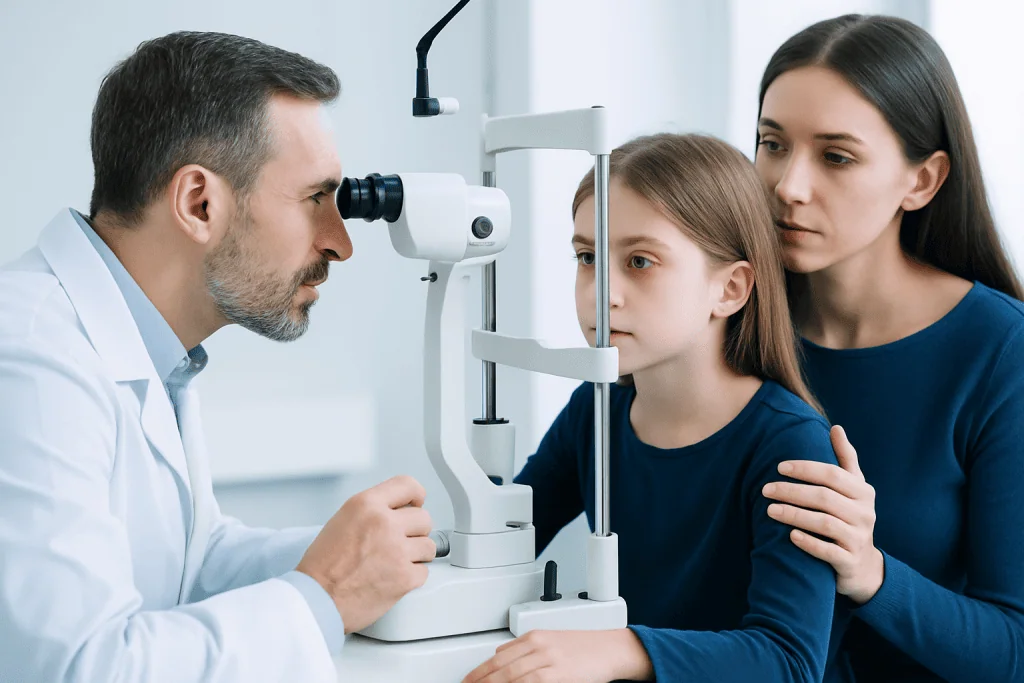
The most common symptom of pink eye is redness in the white of the eye or the inner eyelid. The eye may also feel gritty, watery, itchy, or mildly irritated. Some people notice crusting on the eyelashes, especially after sleep, or a discharge that can be clear, white, yellow, or green depending on the cause.
Viral pink eye often causes watery discharge and may begin in one eye before spreading to the other. Bacterial pink eye is more likely to cause thicker discharge that can make the eyelids stick together. Allergic pink eye often affects both eyes and is commonly linked with intense itching, tearing, and other allergy symptoms such as sneezing or a runny nose.
Children may rub their eyes, become bothered by light, or have trouble explaining exactly how the eye feels. Babies and young children may simply appear fussy or develop crusting around the eyelids. If swelling is marked, symptoms are severe, or the child seems unwell, medical assessment is important.
- Red or pink appearance of one or both eyes
- Watery or sticky discharge
- Itching, burning, or gritty sensation
- Crusting of the eyelids or lashes
- Mild swelling of the eyelids
- Temporary blurred vision from discharge or tearing
Causes and Risk Factors

Pink eye has several causes, and treatment depends on identifying the most likely one. Viral conjunctivitis is commonly linked to cold viruses and can spread through hand-to-eye contact or contaminated surfaces. Bacterial conjunctivitis is caused by bacteria and may also be contagious. Allergic conjunctivitis happens when the eyes react to triggers such as pollen, dust mites, pet dander, or mold.
Irritant conjunctivitis can develop after exposure to smoke, chlorine, air pollution, cosmetics, or chemicals. Contact lens wear can also irritate the eye and increase the risk of infection, especially if lenses are worn too long, slept in, or cleaned poorly. People who use contact lenses should be especially careful, because redness in a contact lens wearer can sometimes signal a more serious corneal problem.
In children, pink eye may spread easily in daycare centers and schools because young children frequently touch their faces and share objects. Adults may be at higher risk if they work in close-contact environments, have seasonal allergies, or are exposed to irritants at home or work. Other eye conditions, including eyelid inflammation or a blocked tear duct, may also contribute to ongoing redness or discharge in some cases.
How Pink Eye Is Diagnosed
Doctors usually diagnose pink eye by asking about symptoms and examining the eyes. They may ask when the redness started, whether one or both eyes are affected, what type of discharge is present, and whether there are cold symptoms, allergies, or contact lens use. This history often provides strong clues to the cause.
During the examination, the clinician checks the redness pattern, eyelids, conjunctiva, cornea, and vision. In most routine cases, no special tests are needed. If the symptoms are severe, unusual, long-lasting, or not improving with treatment, the doctor may take a sample of discharge or refer the person to an eye specialist.
It is important to rule out conditions that can look similar to pink eye but need different care. These may include corneal infection, uveitis, acute glaucoma, eye injury, or inflammation linked to systemic disease. If symptoms suggest a more complex eye surface problem, assessment by specialists in cornea and external eye disease may be helpful.
Treatment Options and What Urgent Care Can Help With
Treatment depends on the cause. Viral pink eye often improves on its own, so care usually focuses on comfort measures such as clean warm or cool compresses, lubricating eye drops, and good hygiene. Bacterial pink eye may be treated with antibiotic eye drops or ointment when a doctor thinks this is appropriate. Allergic pink eye is usually managed by avoiding triggers and using allergy treatments or soothing eye drops recommended by a clinician.
Urgent care clinics can often help with straightforward pink eye. They can evaluate common symptoms, check for signs of infection or allergy, prescribe medication when needed, and advise on reducing spread to others. This can be especially useful when symptoms begin suddenly, there is bothersome discharge, or a child needs prompt assessment.
However, urgent care is not the right setting for every red eye. People should seek more immediate or specialist care if there is moderate to severe eye pain, sensitivity to light, reduced vision, marked swelling around the eye, a history of trauma, or redness in a contact lens wearer with significant discomfort. These features can suggest a deeper eye problem rather than routine pink eye.
For children, care may involve a pediatrician, urgent care clinician, or eye specialist depending on the situation. If symptoms are recurrent, severe, or difficult to diagnose, pediatric ophthalmology evaluation may be recommended. Near the end of the care pathway, Acibadem International’s multidisciplinary specialists in JCI-accredited hospitals also diagnose and treat eye conditions for international patients when specialist assessment is needed.
Prevention and Self-Care at Home
Many cases of pink eye can be managed with simple self-care while the eye heals. Washing hands often, avoiding rubbing the eyes, and gently cleaning away discharge with clean cotton or gauze can improve comfort. Separate towels, pillowcases, and washcloths help reduce spread to other family members.
People with pink eye should avoid sharing eye makeup, makeup brushes, or contact lens supplies. Contact lenses should usually be stopped until the eye has recovered and a clinician says it is safe to use them again. Disposable lenses, lens cases, and eye makeup used around the start of the infection may need to be replaced to lower the chance of re-exposure.
Cool compresses can soothe itchy allergic eyes, while warm compresses may help loosen crusting. Artificial tears may reduce irritation in many cases, but any eye drop should be used carefully and according to instructions. If symptoms worsen rather than improve, medical advice is the safest next step.
When to See a Doctor
Medical care is recommended if pink eye symptoms are severe, if they do not start improving within a few days, or if the diagnosis is uncertain. Infants, people with weakened immune systems, and those with existing eye disease should generally be assessed sooner. Children should also be seen if they have marked swelling, fever, or appear unusually unwell.
Some symptoms suggest that the problem may be more serious than routine pink eye. These include strong eye pain, sensitivity to light, worsening redness, vision changes that do not clear with blinking, severe headache with eye symptoms, or symptoms after a chemical splash or injury. Contact lens wearers with redness and pain should not delay evaluation.
Emergency help may be needed if there is sudden vision loss, severe trauma, chemical exposure, or swelling and redness spreading around the eye and face. Prompt treatment can protect vision and comfort. Early assessment is also important when a red eye may actually be another condition rather than pink eye.
Frequently asked questions
Is pink eye always contagious?
No. Viral and bacterial pink eye can be contagious, but allergic and irritant forms are not. A doctor can help identify the cause based on symptoms and eye examination.
How long does pink eye usually last?
The duration depends on the cause. Viral pink eye often improves over one to two weeks, while bacterial cases may improve sooner with appropriate treatment. Allergic pink eye may continue as long as exposure to the trigger continues.
Can a child go to school or daycare with pink eye?
This depends on the cause, the child's symptoms, and local school or daycare policies. If the child has significant discharge, poor hygiene control, or feels unwell, staying home may be appropriate until assessed. A healthcare professional can advise on when return is reasonable.
Do antibiotics always help pink eye?
No. Antibiotics only treat bacterial infections and do not help viral or allergic pink eye. Because many cases are viral, antibiotics are not always needed and should be used only when a clinician recommends them.
When is pink eye an emergency?
Pink eye-like symptoms need urgent attention if there is severe pain, light sensitivity, reduced vision, eye injury, chemical exposure, or major swelling around the eye. These symptoms may point to a condition more serious than simple conjunctivitis.
Should contact lenses be worn during pink eye?
No, contact lenses should usually be stopped until the eye has fully recovered and a clinician says it is safe to restart them. Continuing to wear lenses can worsen irritation and may increase the risk of a more serious infection.
References
- American Academy of Ophthalmology
- Centers for Disease Control and Prevention
- National Eye Institute
- American Association for Pediatric Ophthalmology and Strabismus
This article is for general information only and is not a substitute for professional medical advice. Please consult a qualified doctor about your individual situation.
Explore treatments in Turkey — costs, top hospitals & a free quote
JCI-accredited · board-certified surgeons · reply within 24h
Add us as a Preferred Source to see more of our trusted health content across Google Search, AI Overviews and Discover.