

Pins and Needles on Scalp: What Patients Need to Know

Scalp tingling describes an altered sensation such as prickling, buzzing, burning, numbness, or crawling. Common triggers include stress-related muscle tension, prolonged pressure, migraine, skin inflammation, and irritation from hair products.
Key Takeaways
- Scalp tingling describes an altered sensation such as prickling, buzzing, burning, numbness, or crawling.
- Common triggers include stress-related muscle tension, prolonged pressure, migraine, skin inflammation, and irritation from hair products.
- A medical assessment is important when symptoms are persistent, worsening, unexplained, or occur with weakness, facial drooping, confusion, or vision changes.
- Treatment depends on the underlying cause and may include skin care, posture changes, headache management, medication review, or treatment for a nerve-related condition.
- Urgent care is needed if sudden scalp tingling occurs together with possible stroke symptoms or a severe new headache.
Pins and needles on scalp, also called scalp tingling or paresthesia, are commonly caused by temporary irritation or pressure on sensory nerves. Although often harmless and short-lived, ongoing, one-sided, painful, or neurologically associated symptoms should be assessed by a qualified clinician.
Overview: What Does Pins and Needles on the Scalp Mean?
Pins and needles on scalp refers to an unusual sensation over part or all of the scalp. A person may describe it as tingling, prickling, buzzing, burning, tightness, numbness, or a feeling that something is moving on the skin. The medical term for this type of altered sensation is paresthesia.
Scalp sensations arise when small sensory nerves in the skin, or the nerves and structures higher in the neck and head, are irritated or temporarily compressed. In many cases, tingling settles after a change in position, rest, reduced stress, or stopping an irritating hair or skin product. It does not automatically mean there is a serious neurological condition.
Still, the pattern matters. Symptoms that repeatedly return, persist for days or weeks, occur mainly on one side, or come with pain, a rash, headache, weakness, balance difficulties, or changes in speech or vision deserve professional evaluation. A clinician can consider the scalp, neck, nerves, medications, and general health together rather than attributing every sensation to one cause.
How Scalp Tingling May Feel and What Patterns Matter
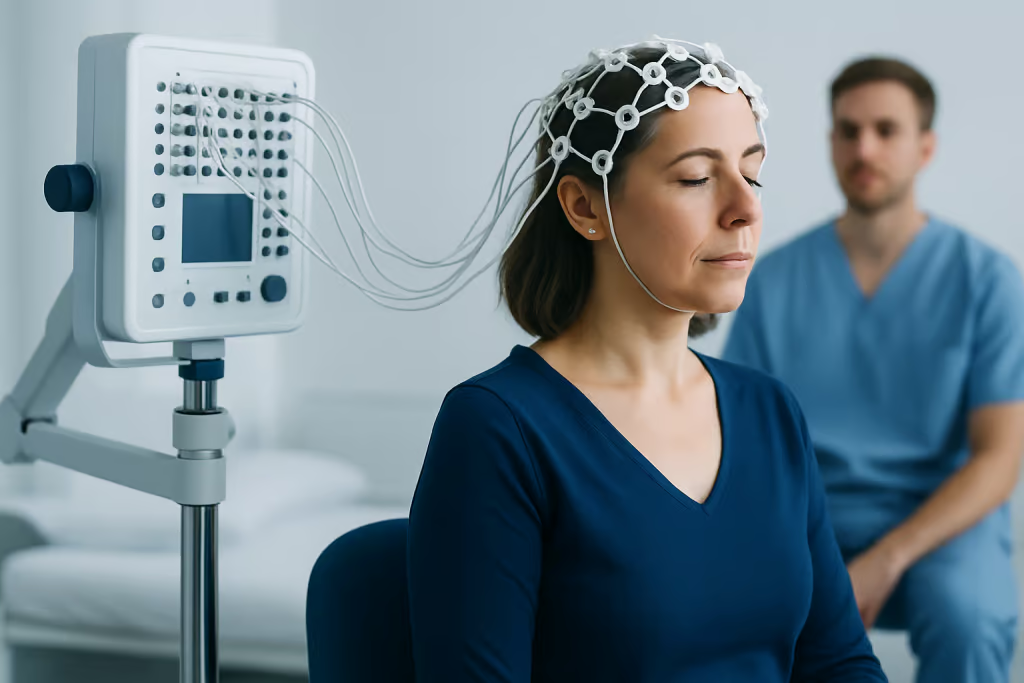
The sensation may be mild and intermittent, or it may be distracting enough to interfere with sleep, concentration, or hair care. Some people notice tingling after wearing a tight hat, helmet, headband, hairstyle, or headphones. Others experience it during periods of emotional strain, after long periods at a computer, or alongside a headache.
Keeping track of the location and timing can be useful. Tingling at the back of the head may relate to neck muscle tension or irritation of nerves that travel upward from the upper neck. Tingling across the forehead, temple, or around the eye can occur with headache disorders, sinus discomfort, or skin conditions, among other possibilities. A patch of altered feeling with a visible rash suggests a different approach from tingling with no skin changes.
Associated symptoms help guide assessment. These can include:
- Itching, flaking, redness, sores, or hair loss
- Neck stiffness, shoulder tension, or pain that travels toward the scalp
- Headache, sensitivity to light, nausea, or visual symptoms
- Numbness or tingling in the face, arm, or hand
- Anxiety, poor sleep, rapid breathing, or heightened awareness of bodily sensations
These symptoms are not diagnostic on their own. However, sharing them clearly can help a doctor identify whether the issue is most likely dermatologic, musculoskeletal, neurological, or related to another health concern.
Common Causes of Pins and Needles on Scalp

Temporary pressure is a common and straightforward cause. Resting the head in one position for a long time, sleeping awkwardly, wearing tight headwear, or using tight braids, extensions, or ponytails can strain the scalp and nearby nerves. Relief after loosening the source of pressure or changing position supports this explanation.
Muscle tension in the neck, jaw, shoulders, and upper back can also contribute. These muscles and the nerves around the cervical spine are closely connected to sensation at the back and top of the head. Stress may increase muscle tightening and can also make ordinary physical sensations feel more noticeable.
Headache conditions are another possibility. Migraine can involve sensory symptoms before, during, or after head pain, and some people experience scalp sensitivity during an attack. Irritation of the occipital nerves, known as occipital neuralgia, may cause sharp, shooting, aching, or tingling sensations that begin in the upper neck and spread across the scalp. A clinician may distinguish this from migraine, tension-type headache, and other causes of head discomfort.
Scalp and skin problems can produce tingling as well. Dandruff, seborrheic dermatitis, psoriasis, eczema, folliculitis, allergic contact dermatitis, and reactions to hair dyes or fragranced products may cause itching, burning, tenderness, scaling, or redness. Shingles can begin with pain, tingling, or sensitivity on one side before a blistering rash appears; prompt assessment is especially important if symptoms involve the forehead, nose, or eye area.
Other Factors That a Clinician May Consider
Less commonly, scalp tingling may be linked to peripheral nerve problems, nutritional deficiencies, hormonal or metabolic conditions, infections, or medication effects. Diabetes, thyroid disorders, low vitamin B12, and some medicines can affect nerve function in certain people. These causes are more likely to be considered when tingling also affects the hands, feet, face, or other areas.
Anxiety and panic can cause real physical sensations, including tingling, particularly when rapid breathing changes the balance of carbon dioxide in the blood. This does not mean symptoms should be dismissed. A clinician should first consider relevant physical causes, while also recognizing that stress management and mental wellbeing can be important parts of care.
Rarely, sudden sensory changes can be a sign of an urgent neurological condition. Stroke symptoms usually involve sudden weakness or numbness of the face, arm, or leg, particularly on one side, and may occur with facial drooping, speech trouble, severe dizziness, confusion, or vision loss. Isolated mild scalp tingling is not the typical presentation, but new symptoms should always be considered in their full context.
How Pins and Needles on Scalp Are Evaluated
A doctor will usually begin by asking when the sensations started, where they occur, how long they last, and what seems to trigger or relieve them. Information about headaches, neck pain, recent illness, stress, sleep, hair treatments, skin products, medications, and other neurological symptoms can be especially helpful.
The examination may include looking closely at the scalp for inflammation, scaling, sores, hair changes, or a rash. The clinician may also assess sensation, muscle strength, reflexes, coordination, eye movements, jaw and neck movement, and areas of tenderness. This helps identify whether the symptoms are more likely to arise from the skin, a local nerve, the neck, or the nervous system more broadly.
Many people do not need extensive testing. Depending on the findings, a clinician may recommend blood tests to check factors such as blood sugar, thyroid function, vitamin levels, or inflammation. Imaging or referral to a neurologist, dermatologist, or other specialist may be appropriate when there are persistent symptoms, an abnormal neurological examination, significant headache changes, or concern for a structural neck or nerve condition.
Treatment, Self-Care, and Prevention
Treatment for scalp tingling is based on the cause. When pressure or muscle tension is contributing, simple measures may help: changing sleeping position, taking regular breaks from screens, gently improving neck and shoulder posture, using appropriately fitted headwear, and avoiding overly tight hairstyles. A clinician or physiotherapist can advise on safe exercises when neck pain or reduced movement is present.
For scalp irritation, it may help to pause new hair dyes, fragranced styling products, harsh shampoos, or tight extensions until the skin settles. Gentle washing and avoiding scratching can protect the skin barrier. Persistent itching, scaling, pustules, painful bumps, or hair loss should be examined, since targeted treatment differs between inflammatory skin conditions, infection, and product allergy.
People who notice symptoms with headaches may benefit from a headache diary recording sleep, meals, hydration, stress, menstrual timing where relevant, symptoms, and possible triggers. Regular meals, adequate fluids, consistent sleep, and stress-reduction practices can support overall headache health. Medication should not be started, stopped, or changed solely because of scalp tingling without advice from a healthcare professional.
For international patients, Acibadem International’s multidisciplinary specialists and JCI-accredited hospitals can assess scalp symptoms that require neurological, dermatological, or musculoskeletal evaluation and develop an individualized care plan.
When to Seek Medical Care
Medical advice should be arranged if pins and needles on scalp last more than a short period, keep returning without an obvious trigger, become more intense, or affect daily activities. An appointment is also sensible when there is a new rash, skin pain, hair loss, neck pain, frequent headaches, fever, or tingling elsewhere in the body.
Urgent medical care is needed for sudden tingling or numbness accompanied by facial drooping, weakness in an arm or leg, difficulty speaking or understanding speech, fainting, confusion, severe balance problems, new vision loss, or a sudden severe headache. These symptoms may indicate a time-sensitive neurological emergency and should not be watched at home.
Prompt assessment is also appropriate for a painful one-sided rash or blisters on the scalp or face, particularly near an eye, because shingles may need early treatment. A healthcare professional can provide reassurance when the cause is benign while ensuring important causes are not overlooked.
Frequently asked questions
Is pins and needles on scalp usually serious?
Pins and needles on scalp are often temporary and may result from pressure, tension, headaches, or skin irritation. However, persistent, worsening, or unexplained symptoms should be reviewed by a clinician. Urgent assessment is needed if tingling occurs with weakness, facial drooping, speech difficulty, confusion, or vision changes.
Can stress cause tingling on the scalp?
Stress can contribute to scalp tingling by increasing tension in the neck, shoulders, jaw, and scalp muscles. It can also heighten awareness of normal body sensations, and rapid breathing during anxiety can cause tingling. Because other causes are possible, repeated or troubling symptoms should still be discussed with a healthcare professional.
Can tight hairstyles cause scalp tingling?
Yes. Tight ponytails, braids, extensions, headbands, helmets, or headphones can pull on the scalp or create pressure around superficial nerves. Loosening the hairstyle or equipment and giving the scalp time to rest may help, but ongoing pain, redness, bumps, or hair thinning should be assessed.
Can migraine cause scalp tingling without a severe headache?
Migraine can involve sensory symptoms, including tingling, scalp sensitivity, and discomfort from normal touch. Some people have migraine symptoms with little or no headache, although other conditions can cause similar sensations. New or changing symptoms should be evaluated rather than assumed to be migraine.
Why does the back of my head tingle?
Tingling at the back of the head can occur when neck muscles are tense or when nerves that travel from the upper neck into the scalp become irritated. Awkward posture, prolonged screen use, and sleeping position can contribute. A clinician can assess for neck-related causes, headache disorders, and other explanations if symptoms persist.
What should a person avoid when their scalp is tingling?
It is sensible to avoid scratching, applying strong or new hair chemicals, and continuing tight hairstyles or headwear that worsen symptoms. People should also avoid self-treating persistent neurological symptoms with unprescribed medicines or supplements. Seeking medical advice is safer when the cause is unclear or symptoms are recurrent.
References
- American Academy of Dermatology
- American Migraine Foundation
- Mayo Clinic
- National Institute of Neurological Disorders and Stroke
- National Health Service
This article is for general information only and is not a substitute for professional medical advice. Please consult a qualified doctor about your individual situation.
Hair transplant in Turkey — costs, graft counts & a free assessment
JCI-accredited · board-certified surgeons · reply within 24h
Add us as a Preferred Source to see more of our trusted health content across Google Search, AI Overviews and Discover.

More from the Health Library


Related Specialists

Dr. Ali Şenol Çelebi
Radiology
Dr. İlksen Özlü
Radiology
Assoc. Prof. Dr. Abdülhak Hamit Karayağız
General Surgery
Assoc. Prof. Dr. Şafak Yıldırım Dişli
Medical Oncology