Pollen: A Complete Medical Overview

Pollen is a common environmental trigger for seasonal allergies, also called allergic rhinitis or hay fever. Symptoms often affect the nose, eyes, throat, and sometimes the lungs in people with asthma.
Key Takeaways
- Pollen is a common environmental trigger for seasonal allergies, also called allergic rhinitis or hay fever.
- Symptoms often affect the nose, eyes, throat, and sometimes the lungs in people with asthma.
- Diagnosis is based on symptom patterns, medical history, and allergy testing when needed.
- Treatment may include allergen avoidance, medicines to control symptoms, and allergy immunotherapy in selected cases.
- Medical review is important if symptoms are severe, persistent, or linked with wheezing, shortness of breath, or sinus complications.
Pollen is a fine powder produced by trees, grasses, and weeds as part of plant reproduction. For many people it is harmless, but in those with sensitivity it can trigger seasonal allergy symptoms such as sneezing, nasal congestion, itchy eyes, and coughing.
Overview: what pollen is and why it matters
Pollen is a microscopic powder made by many plants, especially trees, grasses, and weeds. Its natural role is reproduction: pollen grains travel by wind or insects from one plant to another. In everyday health discussions, pollen matters because wind-borne pollen can be inhaled and come into contact with the eyes, nose, mouth, and airways.
Most people are exposed to pollen without any major problem. However, in people with an overactive immune response, pollen can act as an allergen. The immune system mistakenly treats it as harmful and releases chemicals such as histamine, leading to symptoms commonly known as seasonal allergies, hay fever, or allergic rhinitis.
Pollen-related symptoms often follow seasonal patterns. Tree pollen tends to be more common in spring, grass pollen in late spring and summer, and weed pollen in late summer and fall, although timing varies by climate and geography. Weather conditions such as wind, dryness, and changing temperatures can also influence how much pollen is present in the air.
Not every person with pollen sensitivity has the same experience. Some mainly have eye and nose symptoms, while others notice worsening asthma, sinus pressure, poor sleep, or fatigue. Understanding the source and pattern of symptoms helps guide practical prevention and treatment.
How pollen affects the body
When a person with pollen sensitivity breathes in pollen, the immune system may produce antibodies called immunoglobulin E. These antibodies trigger the release of inflammatory chemicals from immune cells. The result is irritation and swelling in tissues such as the nasal lining, eyes, throat, and sometimes the lower airways.
This process can begin quickly after exposure. The inside of the nose may become swollen and produce more mucus, causing congestion, a runny nose, and repeated sneezing. The eyes may water, itch, or become red. Some people also experience an itchy palate, throat clearing, or ear discomfort because the same allergic process can affect nearby passages.
In some individuals, pollen can also aggravate the lungs. This is more likely in people who already have asthma or airway sensitivity. Exposure may lead to cough, chest tightness, wheezing, or shortness of breath, and these symptoms should not be ignored.
Pollen can also contribute indirectly to poor concentration, disturbed sleep, and daytime tiredness. Ongoing nasal blockage may force mouth breathing at night, while persistent itching or sneezing can make daily activities less comfortable. Even when symptoms seem mild, they can still affect quality of life.
Common symptoms and related conditions

The most typical pollen-related symptoms involve the upper airways and eyes. Many people notice sneezing, clear runny nose, nasal stuffiness, itching in the nose or throat, watery eyes, and redness or burning of the eyes. Symptoms often get worse outdoors, on windy days, or after time in grassy or wooded areas.
Some people also develop pressure around the face, reduced sense of smell, or headaches related to nasal swelling and sinus blockage. Repeated rubbing of the nose, throat irritation, and cough can occur as mucus drips backward from the nose. In children, allergy symptoms may sometimes appear as mouth breathing, restless sleep, or frequent rubbing of the eyes and nose.
Pollen exposure can overlap with or worsen other conditions. Examples include sinusitis when blocked passages lead to ongoing inflammation, and asthma when the lower airways react to allergens. Eye symptoms may be part of <a href="https://acibademinternational.com/diseases/allergic-conjunctivitis/”>allergic conjunctivitis, especially when itching is prominent.
Symptoms alone do not always prove that pollen is the cause. Colds, nonallergic rhinitis, air pollution, pet dander, dust mites, and mold can cause similar complaints. The timing of symptoms, the season, and exposure history often help distinguish pollen allergy from these other triggers.
- Sneezing and a runny or blocked nose
- Itchy, watery, or red eyes
- Itchy throat, palate, or ears
- Cough or throat clearing
- Wheezing or chest tightness in some people
- Sleep disturbance and daytime fatigue
Causes and risk factors
Pollen itself is not harmful in the usual sense; the problem is the body’s allergic response to it. Wind-pollinated plants are the most common trigger because they release large amounts of lightweight pollen into the air. Trees, grasses, and weeds vary by region, so the most important sources differ from one place to another.
A family history of allergies, asthma, or eczema increases the likelihood of pollen sensitivity. People with one allergic condition are more likely to have another. Age also plays a role: symptoms can begin in childhood or young adulthood, but new allergies may develop later in life as well.
Environmental factors may influence symptom severity. Windy days can carry more pollen, while rain may temporarily lower airborne pollen counts before levels rise again. Outdoor exercise during high-pollen periods, keeping windows open, or drying clothes outside may increase exposure.
There is also a recognized link between some pollen allergies and certain raw fruits or vegetables. This is often called pollen-food allergy syndrome or oral allergy syndrome. In these cases, proteins in foods resemble pollen proteins and may cause itching or tingling in the mouth after eating the raw food. A doctor can help determine whether this applies to a person’s symptoms.
Diagnosis and medical evaluation
Diagnosis begins with a careful clinical history. A doctor will ask when symptoms occur, whether they follow a seasonal pattern, what environments seem to trigger them, and whether there are related conditions such as asthma, eczema, or recurrent sinus infections. This history is often the most important step in identifying pollen as the likely cause.
A physical examination may show swollen nasal tissues, clear mucus, watery eyes, or signs of throat irritation. If symptoms are persistent, severe, or unclear, allergy testing may be recommended. This may include skin prick testing or blood tests that look for allergy-related antibodies to specific pollens.
Testing can help confirm the diagnosis and identify which types of pollen are most relevant. That information may guide practical avoidance steps and help determine whether allergy immunotherapy is appropriate. Testing is especially useful when symptoms do not improve with standard treatment or when multiple triggers are suspected.
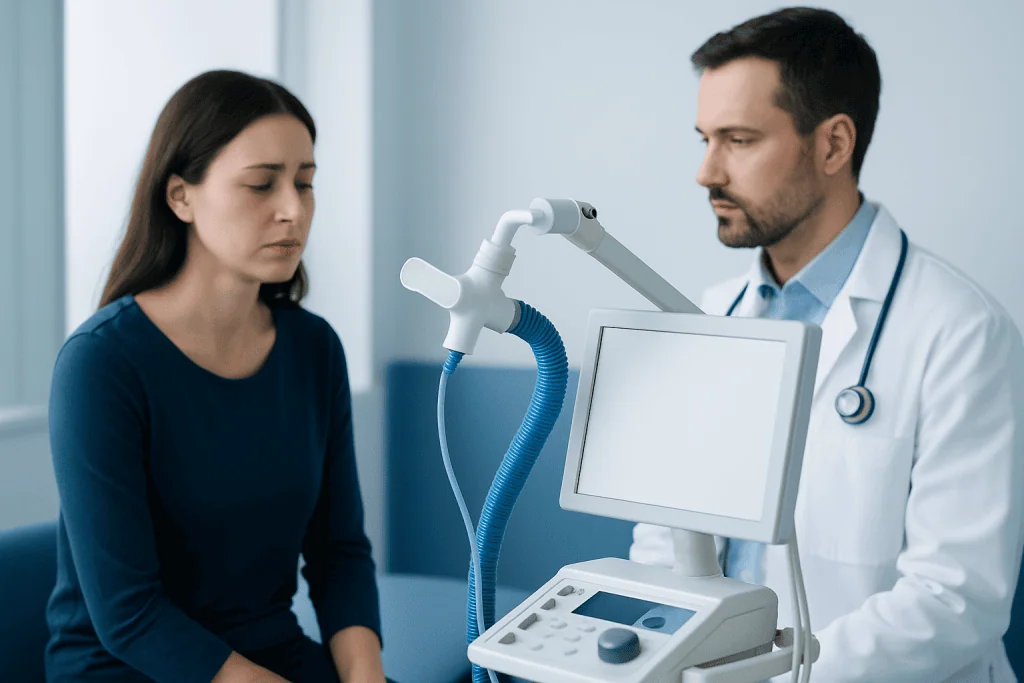
If there are breathing symptoms, additional evaluation may be needed to check for asthma. Depending on the clinical picture, the doctor may assess lung function or refer the patient to an allergy, ENT, or respiratory specialist. At experienced centers, evaluation can also include comprehensive check-up services when symptoms are part of a broader health assessment.
Treatment options
Treatment for pollen-related symptoms aims to reduce exposure, control inflammation, and improve comfort and daily functioning. Many people benefit from a combination approach rather than relying on only one measure. The right plan depends on symptom severity, age, coexisting conditions, and how much pollen affects work, school, sleep, or exercise.
Medicines commonly used include antihistamines, nasal corticosteroid sprays, and eye drops for allergic symptoms. Saline nasal rinses may help clear mucus and pollen from the nasal passages. A doctor or pharmacist can advise which options are suitable, especially for children, older adults, pregnant individuals, or people with other medical conditions.
For people with more significant or persistent symptoms, targeted treatment may be considered. Allergy immunotherapy, sometimes called allergy shots or tablets, gradually trains the immune system to become less reactive to specific allergens over time. When symptoms involve chronic nasal blockage or related ENT problems, specialist evaluation may be helpful, and in selected cases ENT treatment can address contributing nasal or sinus issues.
If pollen worsens asthma symptoms, a personalized asthma treatment plan is important. Breathing symptoms need proper assessment rather than self-treatment alone. Near the end of the care pathway, patients seeking coordinated evaluation may also choose centers such as Acibadem International, where multidisciplinary specialists in JCI-accredited hospitals diagnose and treat allergy-related conditions for international patients.
Prevention and self-care during pollen season
Reducing exposure can make a meaningful difference, even though complete avoidance is rarely possible. People with pollen sensitivity often do better when they monitor local pollen forecasts and adjust outdoor activities on high-pollen days. Limiting time outside during peak periods, especially on dry and windy days, may reduce symptoms.
Simple home and personal habits can help. Keeping windows closed during high-pollen periods, using air conditioning if available, showering after outdoor activity, and changing clothes after coming inside can remove pollen from the skin and hair. Washing bedding regularly may also reduce accumulated allergens.
Eye protection such as sunglasses may reduce direct exposure outdoors, and some people find that using a mask during yard work helps. It may also help to avoid mowing lawns or handling yard debris if these activities trigger symptoms. Drying clothes indoors rather than outside can prevent pollen from collecting on fabrics.
- Check daily pollen counts and plan outdoor time accordingly
- Keep home and car windows closed during high-pollen days
- Shower and change clothes after being outdoors
- Use prescribed or recommended allergy medicines regularly when advised
- Seek medical guidance if symptoms remain disruptive despite self-care
Self-care works best when started early in the allergy season rather than only after symptoms become severe. For recurrent yearly symptoms, discussing a seasonal prevention plan with a doctor before the season begins can be especially useful.
When to seek medical care
Medical review is important when symptoms are frequent, severe, or not improving with routine measures. A doctor should also be consulted if nasal congestion, sneezing, or eye symptoms interfere with sleep, work, school, or normal daily activities. Persistent symptoms may need confirmation of the cause and a more structured treatment plan.
Urgent assessment is needed if pollen exposure appears to trigger wheezing, chest tightness, shortness of breath, or significant cough. These symptoms may point to asthma or another breathing problem that requires prompt evaluation. Medical care is also advisable if there is fever, facial pain, thick nasal discharge, or symptoms that suggest infection rather than simple allergy.
People with repeated sinus problems, ear symptoms, poor symptom control, or possible food-related mouth itching may benefit from specialist input. Allergy testing can be helpful when the trigger is uncertain or when long-term management options are being considered. Early evaluation may reduce complications and improve quality of life during allergy seasons.
Parents should seek advice if a child has ongoing mouth breathing, disturbed sleep, frequent eye rubbing, or trouble participating in outdoor activities because of symptoms. Because symptoms can overlap with viral illness or other conditions, professional assessment helps ensure the most appropriate care.
Frequently asked questions
Is pollen always harmful?
No. Pollen is a natural part of plant reproduction and does not cause illness in most people. It becomes a health issue mainly when a sensitive person’s immune system reacts to it as an allergen.
What is the difference between pollen allergy and a cold?
Pollen allergy often causes itching, repeated sneezing, watery eyes, and symptoms that return during certain seasons. A cold is more likely to include sore throat, body aches, and symptoms that improve within a shorter period rather than following a repeated seasonal pattern.
Can pollen make asthma worse?
Yes. In people with asthma or sensitive airways, pollen can trigger cough, wheezing, chest tightness, or shortness of breath. These symptoms should be assessed by a doctor, especially if they are new or worsening.
How is pollen allergy diagnosed?
Doctors diagnose pollen allergy by reviewing symptom timing, triggers, and medical history, followed by an examination. If needed, they may confirm the cause with skin prick testing or blood tests for allergy-related antibodies.
Can pollen allergy be prevented completely?
Complete prevention is usually not possible because pollen is widespread outdoors. However, exposure can often be reduced with practical steps such as checking pollen counts, keeping windows closed, showering after outdoor time, and using medicines as advised.
What is allergy immunotherapy?
Allergy immunotherapy is a treatment that gradually exposes the immune system to specific allergens in a controlled way. Over time, this can reduce how strongly the body reacts and may lessen symptoms during pollen seasons.
References
- World Health Organization
- American Academy of Allergy, Asthma & Immunology
- American College of Allergy, Asthma & Immunology
- National Institute of Allergy and Infectious Diseases
- Centers for Disease Control and Prevention
This article is for general information only and is not a substitute for professional medical advice. Please consult a qualified doctor about your individual situation.
Explore treatments in Turkey — costs, top hospitals & a free quote
JCI-accredited · board-certified surgeons · reply within 24h
Add us as a Preferred Source to see more of our trusted health content across Google Search, AI Overviews and Discover.

More from the Health Library

Eczema on Feet: A Complete Medical Overview

Two Laxatives Makes My Guts Churn: A Complete Medical Overview

Cephalopelvic Disproportion: What Patients Need to Know

Emg Test: An Evidence-Based Guide for Patients

Cheek Buttock: What Patients Need to Know