Pons Function: An Evidence-Based Guide for Patients
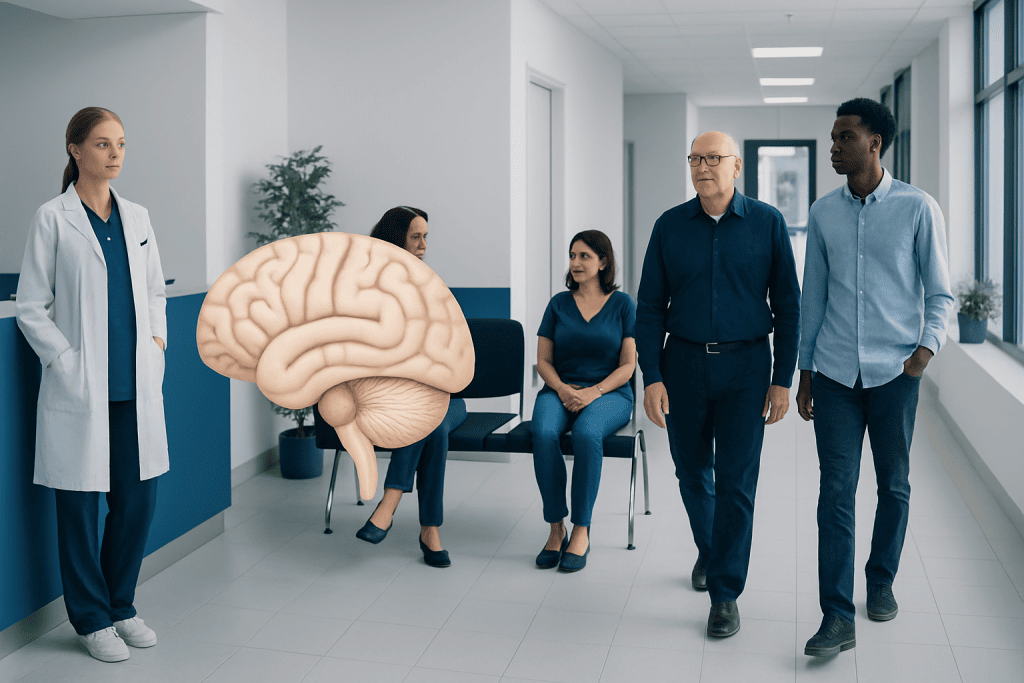
The pons is part of the brainstem and acts as an important communication bridge. Pons function supports breathing, sleep-wake regulation, balance, facial movement, and sensation.
Key Takeaways
- The pons is part of the brainstem and acts as an important communication bridge.
- Pons function supports breathing, sleep-wake regulation, balance, facial movement, and sensation.
- Problems affecting the pons may cause double vision, facial weakness, dizziness, swallowing trouble, or changes in consciousness.
- Diagnosis usually relies on a neurologic exam and brain imaging, especially MRI.
- Treatment depends on the cause and may include urgent stroke care, medicines, rehabilitation, or surgery in selected cases.
Pons function refers to the work of a small but vital part of the brainstem that helps control breathing, sleep, balance, facial sensation and movement, hearing pathways, and communication between the brain and body. When the pons is affected by stroke, inflammation, tumors, injury, or other neurologic conditions, symptoms can involve the face, eyes, coordination, swallowing, speech, and alertness.
Overview: what pons function means
Pons function is the set of jobs performed by the pons, a small structure in the brainstem located between the midbrain and the medulla. Although it is compact, it plays a central role in carrying messages between the cerebrum, cerebellum, spinal cord, and nerves that control parts of the face and eyes. In practical terms, this means the pons helps the body maintain essential automatic functions while also supporting coordinated movement and sensation.
The pons helps regulate breathing patterns, sleep and arousal, balance, and pathways involved in hearing. It also contains important nerve centers linked to facial expression, chewing, eye movements, and facial sensation. Because so many pathways pass through this area, even a small problem in the pons can affect several functions at once.
Patients often look for a simple answer to “what does the pons do?” The clearest answer is that it acts both as a control center and as a relay station. It helps basic body systems keep running in the background while allowing smooth communication between higher brain centers and the body.
How the pons supports everyday body functions
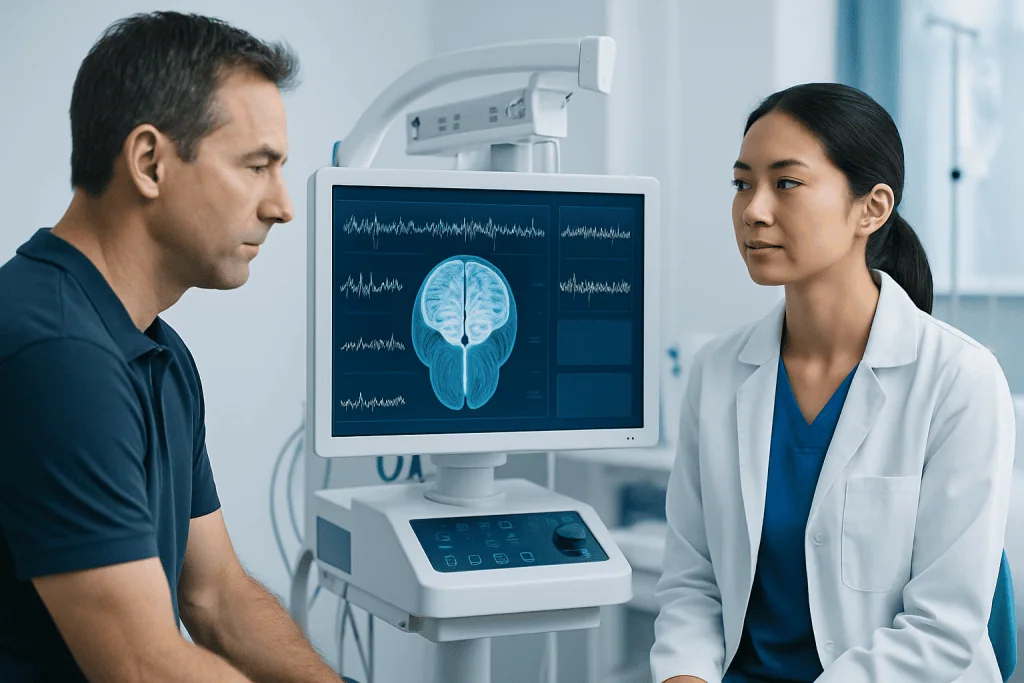
One of the most important aspects of pons function is support for automatic life-sustaining processes. The pons works with nearby brainstem regions to help regulate breathing rhythm. It also contributes to sleep cycles, especially transitions between wakefulness and sleep, and participates in alertness and arousal networks.
The pons is also closely linked to coordination. It sends signals between the cerebrum and the cerebellum, helping with posture, balance, and the timing of movement. This is one reason a disorder in the pons may lead to unsteadiness, clumsiness, or difficulty coordinating speech and swallowing.
Several cranial nerve nuclei are located in or connected to the pons. These nerve centers help control:
- Facial sensation, including touch and pain
- Facial expressions such as smiling, blinking, and frowning
- Chewing movements
- Some eye movements and stable gaze
- Parts of hearing and balance pathways
Because these functions are so varied, symptoms from a pontine problem do not always seem obviously related at first. A person might notice dizziness and double vision, while another may develop facial numbness, slurred speech, or trouble swallowing.
Symptoms that may suggest a problem affecting the pons

Symptoms depend on which part of the pons is affected and how large the area is. Some symptoms appear suddenly, as in a stroke, while others develop gradually, as with certain tumors, inflammation, or chronic neurologic disease. In general, a pontine problem may affect movement, sensation, balance, speech, swallowing, breathing, or consciousness.
Possible symptoms can include dizziness, vertigo, imbalance, double vision, abnormal eye movements, facial weakness, facial numbness, hearing changes, slurred speech, and trouble swallowing. Weakness or numbness in the arms or legs may also happen because major pathways carrying motor and sensory information pass through the pons.
More severe injury or disease in this region can lead to major problems with alertness, breathing, or coordination. In rare and serious cases, extensive damage may cause profound paralysis with preserved awareness, a condition associated with severe brainstem injury. Some symptoms may overlap with other neurologic conditions, including stroke and disorders involving the wider brainstem or cerebellum.
Common causes and risk factors
Pons dysfunction is not a disease by itself. Instead, it is a result of another condition affecting the brainstem. One of the most important causes is ischemic or hemorrhagic stroke, where blood flow is blocked or bleeding occurs in the pons. Because the brainstem contains critical nerve pathways in a small area, stroke here can produce distinct and sometimes serious symptoms.
Other causes include head injury, multiple sclerosis and other inflammatory conditions, infections, reduced blood flow, and tumors. In some people, a growth in or near the brainstem can disrupt pons function by pressing on nearby tissue. Conditions such as brain tumor may therefore be part of the evaluation when symptoms progress over time.
Risk factors vary by cause. Stroke-related pontine problems are more likely in people with high blood pressure, diabetes, smoking history, high cholesterol, heart rhythm disorders, or vascular disease. Inflammatory or autoimmune causes may be linked to a person’s immune history, while tumors and structural problems usually require imaging to define them clearly.
Not every symptom involving dizziness, facial tingling, or imbalance points to the pons. Inner ear disorders, migraine, medication side effects, and peripheral nerve conditions can cause similar complaints. That is why medical evaluation focuses on the overall pattern of symptoms rather than one sign alone.
How doctors diagnose pons-related disorders
Diagnosis begins with a careful history and neurologic examination. A doctor will ask when symptoms started, whether they came on suddenly or gradually, and whether they involve vision, speech, swallowing, weakness, numbness, balance, or breathing. During the exam, clinicians assess eye movements, facial strength and sensation, coordination, reflexes, walking, and levels of alertness.
Brain imaging is usually essential. Magnetic resonance imaging is especially useful because it can show small lesions in the brainstem more clearly than many other tests. In urgent settings, computed tomography may be used first to look for bleeding, followed by more detailed evaluation if needed. Vascular imaging may also be ordered when stroke is suspected.
Additional tests depend on the likely cause. Blood tests may help look for infection, inflammation, metabolic problems, or vascular risk factors. Hearing tests, swallowing assessment, and nerve studies can sometimes be useful. If a structural lesion is found, specialists may discuss advanced imaging or biopsy in selected situations. Where treatment planning is needed, care may involve neurology and, for selected lesions, neurosurgery.
Treatment options and recovery
Treatment for impaired pons function depends entirely on the underlying cause. If symptoms are due to a stroke, urgent medical treatment is critical to restore or protect blood flow and limit damage when possible. Other causes may require anti-inflammatory medicines, antibiotics or antivirals, treatment of autoimmune disease, management of blood pressure and other vascular risks, or targeted care for tumors and structural lesions.
When swallowing, speech, balance, or mobility are affected, rehabilitation is often a major part of recovery. This can include physical therapy, occupational therapy, speech and language therapy, and swallowing support. Recovery varies widely. Some people improve steadily over weeks to months, while others need longer-term management for persistent symptoms.
If a mass or pressure effect is involved, treatment may include procedures or surgery, depending on the exact diagnosis and location. In carefully selected cases, doctors may consider brain tumor surgery or other neuro-oncology approaches. A multidisciplinary plan is often important because brainstem conditions can affect movement, communication, nutrition, and safety all at once.
For international patients who need coordinated evaluation, Acibadem International’s multidisciplinary specialists and JCI-accredited hospitals diagnose and treat neurologic conditions affecting the brain and brainstem, with care plans tailored to the person’s needs.
Prevention, self-care, and when to seek medical care
Prevention focuses mainly on reducing the causes that can be modified, especially stroke risk. Helpful steps include keeping blood pressure, blood sugar, and cholesterol under control, not smoking, staying physically active, eating a balanced diet, and taking prescribed medicines consistently. People with known neurologic disease should attend regular follow-up visits and report any change in vision, balance, facial movement, or swallowing.
Self-care does not replace medical treatment for pons-related symptoms, but it can support safety and recovery. It may help to avoid driving or operating machinery if dizziness, double vision, or sudden weakness is present. If swallowing is difficult, a clinician or speech therapist should guide food and fluid choices to lower the risk of choking. Family support can also be important when communication or mobility is temporarily affected.
Medical care should be sought urgently for sudden facial weakness, slurred speech, new double vision, trouble swallowing, severe dizziness with neurologic symptoms, sudden arm or leg weakness, confusion, or changes in consciousness. These may be signs of a brainstem emergency, including stroke. Symptoms that develop more gradually, such as ongoing imbalance, hearing changes, facial numbness, or repeated swallowing difficulty, should also be assessed by a qualified doctor.
Frequently asked questions
What is the main function of the pons?
The pons helps relay signals between major parts of the brain and the body. It also supports breathing, sleep, balance, facial sensation and movement, and some eye and hearing-related pathways.
Can a problem in the pons cause dizziness?
Yes. Because the pons connects with pathways involved in balance and eye movements, disorders in this area can cause dizziness, vertigo, unsteadiness, or double vision. These symptoms can also come from ear or other neurologic problems, so medical assessment is important.
Is the pons part of the brain or the spinal cord?
The pons is part of the brainstem, which is a part of the brain. It sits above the medulla and below the midbrain, serving as a link between the brain, cerebellum, and spinal cord pathways.
What happens if the pons is damaged?
Damage to the pons can affect facial movement, sensation, swallowing, speech, eye movements, balance, breathing, and consciousness. The exact symptoms depend on the location and extent of injury, as well as the underlying cause such as stroke, inflammation, or a tumor.
How is a pontine problem diagnosed?
Doctors usually combine a neurologic exam with brain imaging, especially MRI. Depending on the symptoms, they may also order blood tests, vascular imaging, hearing or swallowing assessments, and other studies to identify the cause.
Can people recover after a pons-related condition?
Many people can improve, but recovery depends on the cause, severity, and how quickly treatment begins. Rehabilitation often plays an important role, especially when balance, speech, swallowing, or movement have been affected.
References
- National Institute of Neurological Disorders and Stroke
- National Institute on Deafness and Other Communication Disorders
- MedlinePlus
- American Stroke Association
- Merck Manual Consumer Version
This article is for general information only and is not a substitute for professional medical advice. Please consult a qualified doctor about your individual situation.
Joint and spine care in Turkey — expert assessment & treatment
JCI-accredited · board-certified surgeons · reply within 24h
Add us as a Preferred Source to see more of our trusted health content across Google Search, AI Overviews and Discover.
Check your numbers in seconds
BMI, calories, due date, blood pressure and 30+ more clinical calculators — free, instant, doctor-reviewed ranges.