Premature Ejaculation: Causes and Treatment Strategies

Premature ejaculation can be lifelong or acquired, and it may be influenced by physical, psychological, relationship, or medication-related factors. Diagnosis is usually based on a confidential medical and sexual history; tests are only needed when another condition is suspected.
Key Takeaways
- Premature ejaculation can be lifelong or acquired, and it may be influenced by physical, psychological, relationship, or medication-related factors.
- Diagnosis is usually based on a confidential medical and sexual history; tests are only needed when another condition is suspected.
- Treatment may include education, behavioral techniques, pelvic floor training, counseling, topical anesthetics, or prescription medication.
- Erectile dysfunction, prostatitis, thyroid problems, anxiety, and relationship stress can contribute and should be addressed when present.
- Men should seek medical advice if the problem is persistent, causes distress, or begins suddenly after a period of normal ejaculation control.
Premature ejaculation is a common and treatable sexual health concern in which ejaculation happens sooner than desired and causes distress for one or both partners. A careful medical evaluation can identify contributing factors and guide effective treatment strategies, including behavioral techniques, counseling, and medication when appropriate.
Overview
Premature ejaculation is a male sexual health condition in which ejaculation occurs earlier than a man or couple would like, often with a feeling of limited control and resulting distress. It may happen before penetration, shortly after penetration, or sooner than expected during sexual activity. The key issue is not a single time limit alone, but whether ejaculation consistently happens too early for the person and affects wellbeing, confidence, or intimacy.
Clinicians commonly describe premature ejaculation as either lifelong or acquired. Lifelong premature ejaculation begins with the first sexual experiences and tends to occur in most or all sexual situations. Acquired premature ejaculation develops after a period of typical ejaculation control and may be linked to a new medical, emotional, or relationship factor.
This condition is common and treatable. Many men feel embarrassed to discuss it, but healthcare professionals are trained to address sexual health concerns in a respectful and confidential way. With the right assessment, most men can find strategies that improve control, reduce anxiety, and support satisfying sexual relationships.
Symptoms and How It Can Affect Daily Life
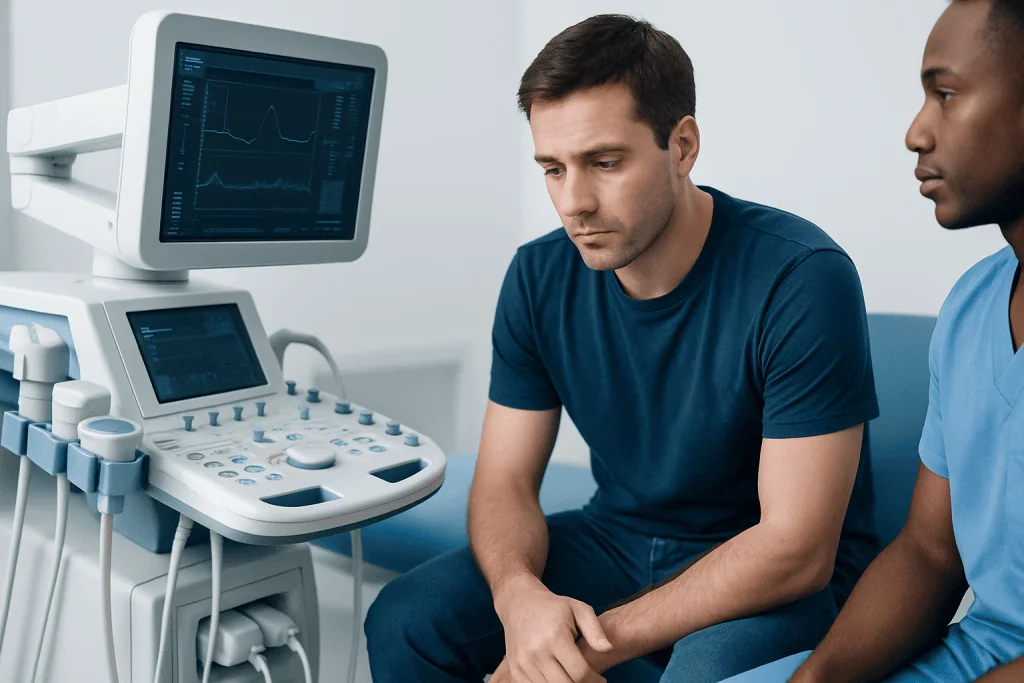
The main symptom is ejaculation that occurs sooner than desired on a regular basis. Some men report ejaculating almost immediately during sexual stimulation, while others describe being unable to delay ejaculation once penetration begins. The pattern may occur in all situations or only with certain partners, certain forms of stimulation, or during periods of stress.
Premature ejaculation is often associated with a sense of reduced control. A man may try to avoid sexual activity because he anticipates disappointment or embarrassment. Partners may also feel confused or concerned, especially if the topic is not discussed openly. Over time, this can affect closeness, self-esteem, and relationship satisfaction.
Symptoms that can accompany premature ejaculation include performance anxiety, tension during sex, reduced sexual confidence, and sometimes difficulty maintaining an erection. When erectile dysfunction is present, a man may rush stimulation because he worries about losing the erection, which can make ejaculation happen sooner. Identifying these patterns helps guide treatment.
Causes and Risk Factors

Premature ejaculation rarely has one single cause. It can result from a combination of biological sensitivity, learned sexual patterns, emotional factors, and relationship dynamics. In lifelong premature ejaculation, some men may have heightened sensitivity, differences in ejaculatory reflex control, or neurotransmitter-related factors. In acquired premature ejaculation, a new trigger is often found, such as anxiety, erectile dysfunction, inflammation, or stress.
Psychological and relationship factors may play an important role. These can include performance pressure, early sexual experiences associated with rushing, guilt, low confidence, depression, anxiety, unresolved conflict, or limited communication between partners. These factors are not “all in the mind”; they can affect the body’s sexual response in real and measurable ways.
Medical contributors should also be considered, particularly when premature ejaculation starts suddenly. Possible factors include erectile dysfunction, prostatitis or other prostate inflammation, urinary symptoms, thyroid disorders, hormone-related issues, chronic pain, and the effects of some medications or recreational substances. Lifestyle factors such as poor sleep, heavy alcohol use, and high stress may worsen the problem in some men.
- Risk may be higher when a man has untreated erectile dysfunction or significant performance anxiety.
- Relationship stress and avoidance of sexual communication can maintain the cycle.
- Sudden onset after previous normal control deserves medical evaluation.
- Pelvic floor muscle tension or poor pelvic floor coordination may contribute in selected cases.
Diagnosis
Diagnosis usually begins with a private conversation with a doctor, often a urologist, and sometimes a sexual health specialist or psychologist. The doctor may ask when the problem began, how often it occurs, whether it happens with all sexual activity, how much control the man feels he has, and how it affects him or his partner. These questions help distinguish lifelong from acquired premature ejaculation and identify treatable contributors.
A physical examination may be recommended, especially if there are urinary symptoms, pelvic pain, erectile dysfunction, low libido, or signs of hormonal or prostate problems. Laboratory tests are not required for every patient. When symptoms suggest another condition, the doctor may order tests such as thyroid function, hormone evaluation, urine testing, or assessment for infection or inflammation.
Open communication is important during diagnosis. Men should tell the doctor about medications, supplements, alcohol or substance use, mood symptoms, relationship stress, and any erection difficulties. This information is confidential and helps the clinician recommend a treatment plan that fits the patient’s health, preferences, and relationship context.
Treatment Options
Treatment is individualized. Many men benefit from a combination of education, behavioral methods, and addressing any underlying medical or psychological issues. Understanding that premature ejaculation is a recognized condition can reduce shame and help men approach treatment more calmly. Involving a partner, when appropriate, may improve communication and reduce pressure during intimacy.
Behavioral strategies aim to increase awareness and control of arousal. Common approaches include the stop-start method, in which stimulation pauses as ejaculation approaches, and the squeeze technique, in which pressure is applied to reduce the urge to ejaculate. Slower pacing, changing positions, taking breaks, focusing on breathing, and extending non-penetrative sexual activity can also help. These methods require practice and may work best when both partners understand the goal.
Pelvic floor muscle training may help some men, particularly when guided by a trained clinician or physiotherapist. The aim is not simply to strengthen muscles but to improve coordination, relaxation, and control. Men with pelvic pain or high muscle tension should seek professional guidance because excessive tightening can sometimes worsen symptoms.
Medical treatments may be considered when behavioral measures are not enough or when the distress is significant. Options can include topical anesthetic creams or sprays that reduce penile sensitivity, condoms that reduce sensation, and prescription medicines that affect ejaculation timing. Certain antidepressant medications are used for this purpose in selected patients, either daily or on demand depending on the medicine and local approvals. If erectile dysfunction is present, treating it may improve ejaculation control. All medications should be discussed with a qualified doctor because benefits, side effects, interactions, and suitability vary from person to person.
Counseling, Relationship Support, and Self-Care
Counseling can be very helpful when anxiety, depression, sexual pressure, past experiences, or relationship concerns contribute to premature ejaculation. Sex therapy or cognitive behavioral therapy can help men recognize the cycle of anticipation, tension, rapid arousal, and loss of control. Therapy may also teach communication skills and reduce the sense of urgency during sexual activity.
Couples-based support can be especially valuable. Partners may misinterpret premature ejaculation as lack of interest, selfishness, or rejection, when it is usually a control issue rather than a desire issue. Honest, kind conversations can reduce blame and allow the couple to focus on shared solutions. A therapist can guide these discussions if they feel difficult.
Self-care measures are supportive rather than a guaranteed cure, but they may improve overall sexual function. Regular physical activity, adequate sleep, stress management, reducing excessive alcohol, and avoiding recreational substances can all support sexual health. Men may also benefit from not measuring every sexual encounter by duration; satisfaction, intimacy, and communication are equally important parts of sexual wellbeing.
Prevention and Long-Term Management
Not every case of premature ejaculation can be prevented, particularly lifelong forms. However, men can reduce the chance of ongoing difficulty by addressing sexual health concerns early, treating erectile dysfunction or prostate symptoms promptly, and maintaining good general health. When premature ejaculation appears during a stressful period, early support may prevent the pattern from becoming reinforced by anxiety.
Long-term management often involves combining strategies. A man may use behavioral techniques, improve communication with his partner, and continue medical treatment if prescribed. Some men need only short-term help, while others benefit from ongoing follow-up to adjust the plan. Treatment success is best measured by improved control, reduced distress, and greater satisfaction rather than by a fixed number of minutes.
It is important to be cautious with unverified products, internet supplements, or non-prescribed medications marketed for sexual performance. These may be ineffective, interact with other medicines, or cause side effects. A healthcare professional can help choose safe, evidence-based options and rule out conditions that need treatment.
When to See a Doctor
A man should consider seeing a doctor if premature ejaculation is persistent, causes distress, affects a relationship, or leads to avoidance of sexual activity. Medical evaluation is also advised if the problem starts suddenly, occurs alongside erectile dysfunction, pelvic pain, urinary symptoms, reduced libido, symptoms of anxiety or depression, or after starting a new medication.
Seeking help is not a sign of failure. Premature ejaculation is a common clinical issue, and treatment can be adjusted to the individual’s needs and values. A doctor can explain options, check for underlying causes, and refer to a urologist, psychologist, sex therapist, or pelvic floor specialist when appropriate.
For international patients who need coordinated evaluation, Acibadem International’s multidisciplinary specialists and JCI-accredited hospitals diagnose and treat men’s sexual health conditions, including premature ejaculation, with attention to privacy and individualized care. Patients should always consult a qualified healthcare professional for personal medical advice and treatment decisions.
Frequently asked questions
Is premature ejaculation a medical condition?
Yes. Premature ejaculation is recognized as a male sexual health condition when ejaculation happens earlier than desired, is difficult to control, and causes distress. It is common and can often be improved with appropriate treatment.
Can premature ejaculation go away on its own?
Sometimes it improves when a temporary stressor resolves or when a couple becomes more comfortable communicating. However, if it is persistent, distressing, or newly developed, medical advice can help identify causes and prevent the problem from becoming a repeated pattern.
Is premature ejaculation caused by anxiety?
Anxiety can contribute, especially performance anxiety, but it is not the only cause. Biological sensitivity, erectile dysfunction, prostate inflammation, thyroid problems, relationship stress, and medication effects can also play a role.
What is the best treatment for premature ejaculation?
There is no single best treatment for everyone. Effective care may include behavioral techniques, pelvic floor training, counseling, topical anesthetics, or prescription medication, depending on the type of premature ejaculation and any contributing conditions.
Can condoms help with premature ejaculation?
Condoms may help some men by reducing penile sensitivity and providing a sense of control. Some condoms are designed to reduce sensation further, but men should choose safe products and avoid anything that causes irritation or numbness in a partner.
Should both partners be involved in treatment?
When the patient is comfortable, involving a partner can be very helpful. Shared understanding, reduced pressure, and better communication often improve treatment results, especially when relationship stress or performance anxiety is part of the cycle.
When is sudden premature ejaculation a concern?
Sudden onset after a period of normal ejaculation control should be discussed with a doctor. It may be related to erectile dysfunction, prostate or urinary symptoms, thyroid changes, stress, mood symptoms, or medication effects, all of which can be evaluated and treated.
References
- International Society for Sexual Medicine
- American Urological Association
- European Association of Urology
- Mayo Clinic
- National Health Service
This article is for general information only and is not a substitute for professional medical advice. Please consult a qualified doctor about your individual situation.
Premature Ejaculation in Turkey — costs, top hospitals & a free quote
JCI-accredited · board-certified surgeons · reply within 24h
Add us as a Preferred Source to see more of our trusted health content across Google Search, AI Overviews and Discover.