Preterm Labour Signs and Symptoms: Common Causes, Related Conditions, and When to See a Doctor

Preterm labour means labor starts before 37 completed weeks of pregnancy. Common warning signs include regular tightening of the uterus, pelvic pressure, backache, cramping, bleeding, and fluid leakage.
Key Takeaways
- Preterm labour means labor starts before 37 completed weeks of pregnancy.
- Common warning signs include regular tightening of the uterus, pelvic pressure, backache, cramping, bleeding, and fluid leakage.
- Symptoms can overlap with normal pregnancy changes, so timing, pattern, and persistence matter.
- Quick evaluation can help confirm whether true labor is happening and may reduce risks for parent and baby.
- Anyone with suspected preterm labour signs and symptoms should contact a maternity care team without delay.
Preterm labour signs and symptoms are warning changes that happen before 37 weeks of pregnancy, such as regular contractions, pelvic pressure, low back pain, vaginal bleeding, or leaking fluid. Because some early signs can be subtle or mistaken for normal pregnancy discomforts, prompt medical assessment is important whenever symptoms are new, persistent, or rhythmic.
Overview: what preterm labour signs and symptoms mean
Preterm labour signs and symptoms are changes that suggest the body may be starting labor too early, before 37 weeks of pregnancy. These signs do not always mean birth will happen right away, but they do mean medical advice is needed promptly. In many cases, early assessment helps doctors tell the difference between false alarms, temporary uterine irritability, and true preterm labor.
A key point is that preterm labor is defined by both symptoms and changes in the cervix, the lower part of the uterus. A person may feel contractions or pressure without cervical change, while another may have subtle symptoms but show signs that labor is progressing. This is why symptoms should not be ignored even if they seem mild.
Many pregnant people expect labor to begin with obvious painful contractions. In reality, preterm labour signs and symptoms can be less dramatic. They may feel like menstrual cramps, a dull backache, increased discharge, or a sense that the baby is pushing down. Because these symptoms can also occur in uncomplicated pregnancies, professional assessment is the safest approach.
Common warning signs to watch for
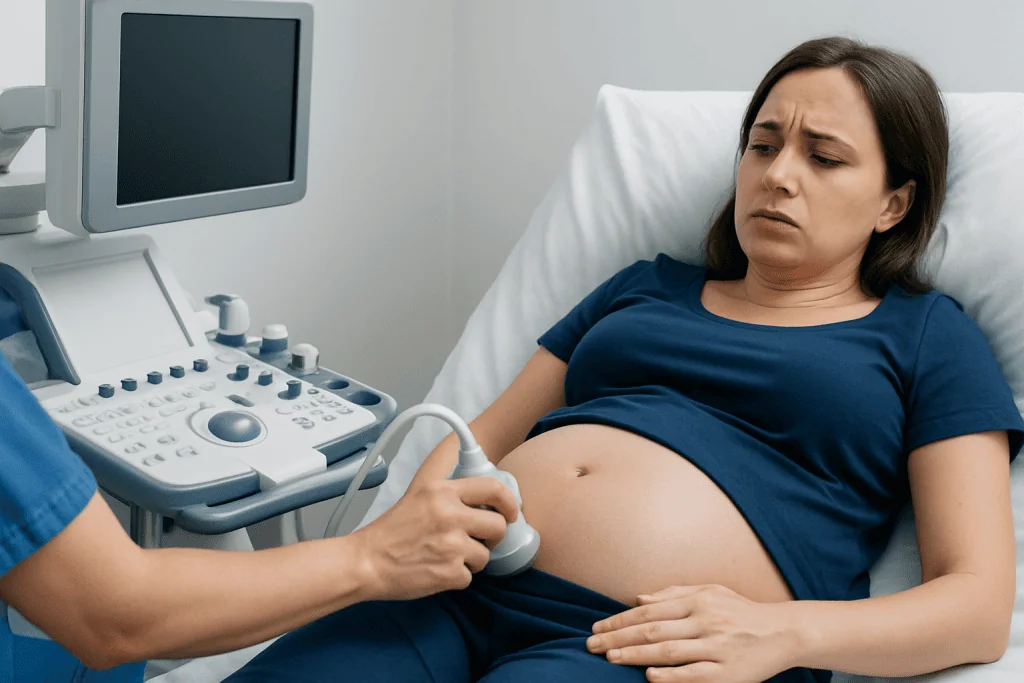
The most common preterm labour signs and symptoms include regular uterine contractions, a tightening or hardening sensation in the abdomen that comes and goes in a pattern. These contractions may or may not be painful. If they become frequent, stronger, or closer together, they deserve urgent attention, especially before 37 weeks.
Other important warning signs include pelvic pressure, low dull back pain, menstrual-like cramps, abdominal cramping with or without diarrhea, and a feeling that the baby is pushing downward. Some people notice a change in vaginal discharge, such as more discharge than usual, mucus-like discharge, or discharge streaked with blood.
Fluid leaking from the vagina can be especially significant. This may be a sudden gush or a steady trickle and can suggest the amniotic sac has ruptured. Vaginal bleeding, even if light, should also be reported right away because it can happen with preterm labor or with other conditions that also need urgent evaluation.
- Regular contractions or tightening before 37 weeks
- Pelvic or lower abdominal pressure
- Low back pain that is new or persistent
- Menstrual-like cramps
- Change in vaginal discharge or bloody show
- Leaking fluid from the vagina
- Vaginal bleeding or spotting
How symptoms can differ from normal pregnancy discomforts

Pregnancy commonly causes stretching sensations, brief tightening of the uterus, fatigue, and back discomfort. These are often normal. What makes preterm labour signs and symptoms more concerning is the pattern: symptoms that are regular, rhythmic, increasing, persistent, or accompanied by bleeding or fluid loss are more likely to need urgent review.
For example, Braxton Hicks contractions are usually irregular, infrequent, and often ease with rest, hydration, or a change in activity. In contrast, true labor contractions tend to become more regular and do not reliably stop with these simple measures. A backache that comes and goes in waves, especially with pelvic pressure, can also be more concerning than general soreness from posture or fatigue.
Infections may also mimic preterm labor by causing cramping, pelvic pain, discharge changes, or urinary discomfort. This is one reason doctors may check for urine infection, vaginal infection, or other pregnancy-related problems during assessment. Because symptoms overlap, it is safest not to self-diagnose.
Related pregnancy conditions may also need to be considered, including placenta previa or ectopic pregnancy early in gestation when bleeding and pain are present. Although these are different from preterm labor, they show why bleeding, significant pain, or fluid leakage should always be assessed by a qualified clinician.
Common causes and risk factors
Often, there is no single clear cause of preterm labor. It can happen in otherwise healthy pregnancies. Still, several factors are known to increase the likelihood. These include a previous preterm birth, carrying twins or more, certain uterine or cervical differences, and some complications affecting the placenta or amniotic fluid.
Infection is an important possible trigger. Urinary tract infections, some vaginal infections, and inflammation inside the uterus may irritate the uterus or weaken the membranes. Vaginal bleeding during pregnancy, smoking, substance use, poor nutrition, high stress, and short intervals between pregnancies may also raise risk.
Some chronic health conditions can contribute as well, such as high blood pressure, diabetes, or kidney disease. Procedures involving the cervix in the past, or a cervix that shortens too early, may increase the chance of preterm labor. In some cases, doctors monitor cervical length by ultrasound in people considered higher risk.
Preterm labor can also occur alongside other pregnancy complications. Depending on the situation, doctors may evaluate for conditions such as preeclampsia or fetal growth concerns if symptoms are accompanied by high blood pressure, headache, swelling, or changes in the baby’s movements.
How doctors diagnose preterm labor
Diagnosis begins with listening carefully to the symptoms, including when they started, how often they occur, whether they are painful, and whether there has been bleeding or leaking fluid. The maternity team will usually monitor the uterus for contractions and assess the baby’s heart rate. This helps show whether contractions are regular and how the baby is tolerating them.
A pelvic exam may be performed to look for cervical changes such as thinning or opening. In some settings, doctors use transvaginal ultrasound to measure cervical length, especially if the symptoms are not clear-cut. Tests may also be done to check whether the membranes have ruptured and to identify infection.
Urine tests, vaginal swabs, and blood tests may help rule out infection or other causes of symptoms. An ultrasound can assess the baby’s growth, position, placenta, and amniotic fluid. When imaging is needed, clinicians may use advanced imaging selectively if another diagnosis is being considered, though ultrasound is the main tool in pregnancy.
The goal of diagnosis is not only to confirm or exclude preterm labor but also to decide what support is needed right away. This may include observation, treatment to reduce risks to the baby, or transfer to a hospital with neonatal care if necessary.
Treatment options and what happens next
Treatment depends on gestational age, whether the cervix is changing, whether the membranes have ruptured, and how the baby and pregnant person are doing overall. If contractions are present but the cervix is stable, doctors may recommend monitoring, hydration, rest from strenuous activity, and treatment of a contributing problem such as infection.
When true preterm labor is diagnosed, hospital-based care may be needed. Doctors may use medicines to delay labor for a short time in selected cases, giving time for other treatments that improve the baby’s readiness for birth. Corticosteroids may be offered to support fetal lung development when early delivery is a concern. Other medicines may be considered for fetal protection depending on the stage of pregnancy and local clinical guidelines.
If the membranes have ruptured, there is significant bleeding, signs of infection, fetal distress, or a maternal complication, the plan may change quickly. Sometimes delivery is safer than trying to stop labor. This decision is individualized and balances risks and benefits for both parent and baby.
Supportive care often involves specialists in obstetrics, neonatology, and imaging. In some settings, treatment planning may include close fetal assessment with pregnancy ultrasound and, when birth appears likely, coordinated maternal-fetal care. Acibadem International’s multidisciplinary specialists and JCI-accredited hospitals diagnose and treat this condition for international patients.
Prevention and self-care during pregnancy
Not all cases of preterm labor can be prevented, but good prenatal care helps identify risks early. Attending regular checkups allows the care team to monitor blood pressure, infections, cervical changes, and the baby’s growth. People with a prior preterm birth or other risk factors may need more tailored surveillance.
General self-care measures include staying hydrated, avoiding smoking and alcohol, taking prescribed prenatal vitamins, and seeking treatment for urinary or vaginal symptoms promptly. Managing chronic conditions such as diabetes or hypertension is also important during pregnancy. Emotional stress alone does not directly explain all preterm labor, but rest, support, and healthy routines can still benefit overall pregnancy health.
Some people at higher risk may be offered preventive strategies by their obstetrician, such as progesterone treatment or closer cervical monitoring. These decisions depend on the pregnancy history and examination findings. They should always be guided by a qualified maternity specialist rather than attempted independently.
If symptoms begin at home, it may help to note contraction timing, rest on the side, drink water, and avoid intercourse until advice is received. These steps should not delay calling a doctor if symptoms continue, worsen, or include bleeding, fluid leakage, or reduced fetal movement.
When to seek medical care
Medical care should be sought right away for any suspected preterm labour signs and symptoms before 37 weeks. This includes regular contractions, pelvic pressure, cramps, low back pain that does not settle, vaginal bleeding, or any leaking of fluid. It is also important to contact urgent maternity care if the baby seems to be moving less than usual.
Immediate evaluation is especially important if contractions occur every few minutes for an hour, if there is a gush or steady trickle of fluid, if bleeding is more than light spotting, or if there is fever, severe pain, dizziness, or faintness. Even if symptoms later ease, they still need to be discussed with a healthcare professional.
Anyone uncertain whether symptoms are normal should err on the side of caution. Labor and delivery units, obstetricians, and emergency services can advise on the next step. In urgent settings, assessment may include emergency obstetric evaluation to clarify whether true labor or another complication is present.
Frequently asked questions
What are the earliest preterm labour signs and symptoms?
Early signs may include menstrual-like cramps, low backache, pelvic pressure, a change in vaginal discharge, or regular abdominal tightening before 37 weeks. These symptoms can be mild at first, which is why patterns and persistence matter. If symptoms are repeated or accompanied by bleeding or leaking fluid, medical advice should be sought promptly.
Can Braxton Hicks be mistaken for preterm labor?
Yes. Braxton Hicks contractions can feel like tightening of the uterus and may be uncomfortable, especially later in pregnancy. They are usually irregular and often improve with rest, hydration, or changing position, while true labor tends to become more regular and persistent.
Does preterm labor always lead to preterm birth?
No. Some people have symptoms or contractions without cervical change, and labor does not continue. Others may receive treatment that delays delivery or addresses a trigger such as infection. Even so, symptoms should always be assessed because it is not possible to tell at home whether labor will progress.
What should someone do at home if preterm labor symptoms begin?
They should contact their maternity care team right away for guidance. While waiting for advice, it may help to rest on the side, drink water, and note how often contractions occur, but these steps should not replace medical assessment. Bleeding, fluid leakage, or reduced fetal movement need urgent attention.
Who is more at risk of preterm labor?
Risk is higher in people with a previous preterm birth, twin or multiple pregnancy, certain cervical or uterine conditions, some infections, and certain chronic medical problems. Smoking, substance use, and short gaps between pregnancies can also increase risk. However, preterm labor can still happen without obvious risk factors.
How do doctors confirm whether it is true preterm labor?
Doctors usually assess symptoms, monitor contractions, examine the cervix, and check the baby’s wellbeing. They may also use ultrasound to measure cervical length and tests to look for ruptured membranes or infection. Diagnosis depends on the overall clinical picture, not on one symptom alone.
References
- World Health Organization
- American College of Obstetricians and Gynecologists
- National Institute for Health and Care Excellence
- Centers for Disease Control and Prevention
- March of Dimes
This article is for general information only and is not a substitute for professional medical advice. Please consult a qualified doctor about your individual situation.
Joint and spine care in Turkey — expert assessment & treatment
JCI-accredited · board-certified surgeons · reply within 24h
Add us as a Preferred Source to see more of our trusted health content across Google Search, AI Overviews and Discover.
Check your numbers in seconds
BMI, calories, due date, blood pressure and 30+ more clinical calculators — free, instant, doctor-reviewed ranges.