Princeton plainsboro hospital emergency room: Symptoms, Causes, and Treatment — Complete Patient Guide

An emergency room is designed for sudden, severe, or potentially life-threatening symptoms. Chest pain, stroke-like symptoms, severe trouble breathing, major injuries, and uncontrolled bleeding usually need urgent medical evaluation.
Key Takeaways
- An emergency room is designed for sudden, severe, or potentially life-threatening symptoms.
- Chest pain, stroke-like symptoms, severe trouble breathing, major injuries, and uncontrolled bleeding usually need urgent medical evaluation.
- Emergency care often begins with triage, followed by examination, monitoring, tests, and treatment based on severity.
- Not all symptoms need the ER; some can be assessed in urgent care or a doctor’s office, depending on severity and timing.
- If symptoms are severe, rapidly worsening, or feel life-threatening, it is safest to seek emergency medical care right away.
Princeton Plainsboro Hospital emergency room care is intended for serious symptoms that may need immediate testing, treatment, or close monitoring. This guide explains what types of symptoms usually require emergency care, what causes these situations, how ER teams evaluate patients, and when to seek medical attention promptly.
Overview
Princeton Plainsboro Hospital emergency room services are meant for people with serious symptoms that could threaten health, function, or life if care is delayed. In general, an emergency room evaluates sudden chest pain, breathing problems, stroke warning signs, severe abdominal pain, major injuries, heavy bleeding, loss of consciousness, and other urgent conditions that need rapid medical attention.
Many people search for an emergency room because they are trying to decide whether symptoms are severe enough to seek immediate help. The most useful approach is not to focus only on a hospital name, but on the nature of the symptoms, how quickly they started, and whether they are getting worse. If a person has severe distress, is difficult to wake, has blue lips, has new confusion, or shows signs of a possible heart attack or stroke, emergency care should not be delayed.
Emergency departments are staffed to stabilize urgent problems, perform time-sensitive tests, and begin treatment quickly. This may include heart monitoring, blood tests, imaging, oxygen support, medications, wound care, or consultation with specialists. If needed, a patient may be admitted to the hospital for further treatment and observation.
Symptoms That Usually Need Emergency Room Care
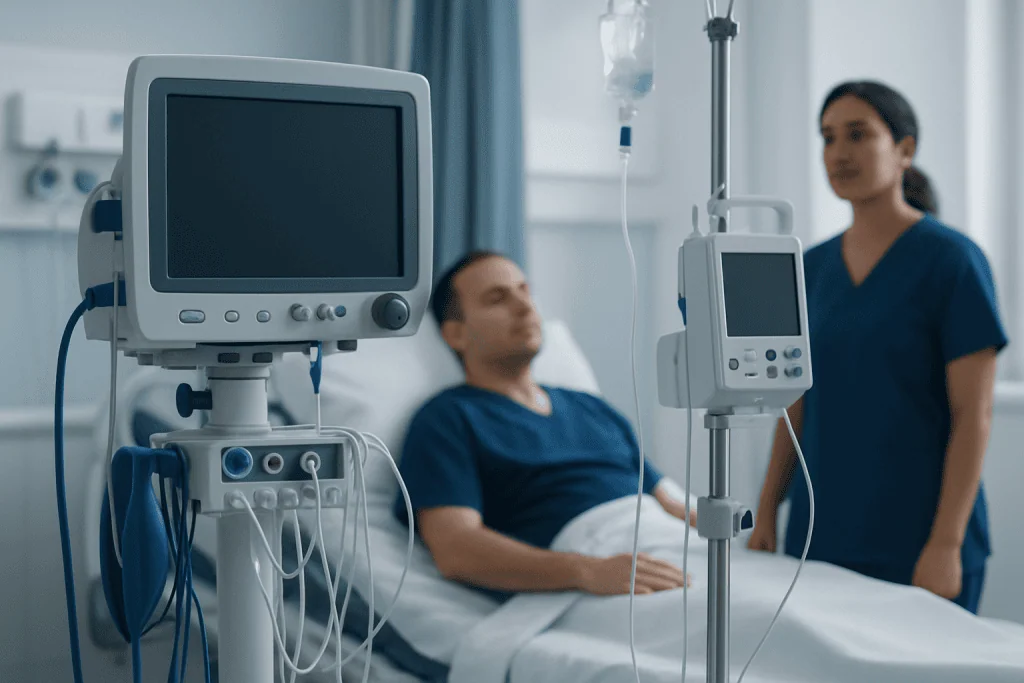
Some symptoms are more likely than others to require an emergency room rather than routine outpatient care. The key concern is whether the symptom could represent a dangerous condition that is evolving quickly. Severe intensity, sudden onset, and rapid worsening are especially important warning signs.
Common reasons to seek emergency care include:
- Chest pain, chest pressure, or pain spreading to the arm, jaw, or back
- Shortness of breath, wheezing with distress, or trouble speaking because of breathing difficulty
- Sudden weakness, facial droop, slurred speech, or confusion, which may suggest stroke
- Loss of consciousness, seizure, or fainting with injury or ongoing symptoms
- Heavy bleeding, deep wounds, burns, or significant trauma such as a car accident or fall
- Severe abdominal pain, persistent vomiting, vomiting blood, or black stools
- High fever with confusion, stiff neck, dehydration, or breathing problems
- Severe allergic reactions with swelling, hives, wheezing, or throat tightness
Children, older adults, pregnant people, and those with chronic medical conditions may need emergency evaluation sooner because symptoms can worsen more quickly or appear less typical. For example, a heart problem may feel like pressure, shortness of breath, nausea, or unusual fatigue rather than classic chest pain. If there is any doubt and symptoms seem severe or unusual, urgent assessment is appropriate.
Common Causes and Risk Factors Behind Emergency Symptoms

Emergency symptoms can arise from many different medical problems. Chest pain may be related to a heart attack, inflammation, a blood clot in the lung, severe reflux, or a musculoskeletal problem. Trouble breathing can occur with asthma, pneumonia, heart failure, severe infection, or an allergic reaction. Sudden neurologic symptoms may signal stroke, seizure, bleeding in the brain, or a severe migraine.
Abdominal pain can have causes ranging from gallbladder disease and kidney stones to appendicitis, bowel obstruction, or internal bleeding. Serious infections may lead to high fever, weakness, confusion, or dehydration. Injuries from sports, falls, workplace accidents, or road traffic incidents can cause fractures, head injuries, internal injury, or soft tissue damage.
Risk factors depend on the symptom and condition. Heart and vascular emergencies are more common in people with high blood pressure, diabetes, smoking history, high cholesterol, obesity, and older age. Stroke risk also rises with atrial fibrillation and vascular disease. Breathing emergencies may be more likely in those with asthma, chronic lung disease, infection exposure, or severe allergies. While risk factors matter, even people without known medical problems can have true emergencies, so symptoms should be taken seriously.
What Happens in the Emergency Room
Emergency care usually starts with triage. Triage means a trained clinician quickly assesses symptoms, vital signs, pain level, and immediate risk. People with life-threatening problems are seen first, while those with less urgent concerns may wait longer even if they arrived earlier. This can feel stressful, but it is designed to prioritize patient safety.
After triage, a clinician gathers a brief history and performs an examination. Depending on the symptoms, the emergency team may order blood tests, urine tests, an electrocardiogram, X-rays, ultrasound, CT, or other imaging. A patient may also receive oxygen, intravenous fluids, pain relief, medications, splinting, stitches, or monitoring while results are reviewed.
Treatment is guided by the likely cause. For example, a person with possible heart-related chest pain may need rapid cardiac testing and coronary angiography if a blocked artery is suspected. Someone with a severe allergic reaction may need immediate medications and airway support. A patient with stroke symptoms may need urgent brain imaging and specialist-led stroke rehabilitation planning after the acute phase if neurologic injury is confirmed.
At the end of the visit, the patient is generally discharged with instructions, transferred for specialist care, or admitted to the hospital. Discharge does not mean symptoms were unimportant; it means the emergency team believes the condition is stable enough for home care and follow-up. It is important to read discharge instructions carefully and return if warning signs develop.
How Doctors Diagnose the Cause of Emergency Symptoms
Diagnosis in the emergency room is often focused on answering one urgent question first: is there a dangerous cause that needs immediate treatment? This means testing is chosen to rule in or rule out the most serious possibilities quickly. For chest pain, clinicians may evaluate for heart attack, aortic problems, lung clots, or severe infection before considering less dangerous causes.
The diagnostic process usually combines several pieces of information: symptom timing, past medical history, current medications, physical examination, vital signs, and test results. Repeated assessments may be needed because some conditions become clearer over time. For example, blood markers for heart injury or imaging findings may change during the first hours of illness.
Doctors also look for related conditions that can mimic one another. Severe headache, weakness, or numbness may prompt evaluation for brain tumor in some cases, but emergency teams more often first exclude bleeding, stroke, infection, or another acute neurologic problem. If symptoms suggest internal injury or a mass, advanced imaging and referral may be arranged. In selected cases involving kidney stones, abdominal masses, or urinary blockage, further evaluation can include urology care after the emergency issue is stabilized.
Treatment Options and Immediate Care
Emergency treatment depends entirely on the cause, severity, and how quickly the condition is progressing. The first priority is stabilization. This can include protecting the airway, supporting breathing, improving circulation, controlling bleeding, treating pain, correcting dehydration, and monitoring heart rhythm or neurologic status.
Examples of emergency treatments include medications for asthma attacks, antibiotics for severe infection, clot-busting or other urgent treatment pathways for selected stroke cases, procedures to stop bleeding, wound repair, fracture immobilization, and surgery for conditions such as appendicitis or internal injury. Patients with severe heart problems may need advanced cardiac treatment, while those with major trauma may require input from surgery, orthopedics, or critical care specialists.
Not every emergency-room visit leads to a major intervention. Some people need observation, repeat testing, and reassurance that dangerous causes have been excluded. Even when symptoms turn out to have a less serious cause, prompt evaluation can still be important because the initial symptoms may closely resemble more dangerous conditions.
Near the end of the care pathway, recovery planning matters. This may involve prescriptions, hydration advice, wound care instructions, breathing treatments, activity restrictions, or follow-up with a specialist. For international patients who need coordinated evaluation and treatment, Acibadem International’s multidisciplinary specialists and JCI-accredited hospitals provide care across emergency-related conditions and follow-up services.
Prevention, Self-Care, and Preparing for Urgent Situations
Not every emergency can be prevented, but many risks can be reduced through routine medical care and healthy habits. Managing blood pressure, diabetes, asthma, heart disease, and other chronic conditions lowers the chance of sudden complications. Taking medications as prescribed, attending follow-up appointments, and knowing early warning signs can also help people seek care before symptoms become severe.
Basic self-care planning is useful for families. Keeping an updated list of medications, allergies, medical conditions, and emergency contacts can save time in urgent situations. People with conditions such as severe allergies, epilepsy, or heart disease may benefit from discussing an emergency action plan with their doctor. For children and older adults, caregivers should know what symptoms require urgent evaluation.
It also helps to know the difference between emergency care and non-emergency care. Mild cold symptoms, minor rashes, medication refill needs, and long-standing aches that have not suddenly worsened are often better suited to primary care or urgent care. However, if a symptom feels unusually severe, rapidly changes, or is accompanied by confusion, fainting, breathing trouble, or significant pain, emergency assessment is safer.
When to Seek Medical Care
Seek emergency medical care right away for chest pain, severe shortness of breath, signs of stroke, seizures, major injuries, heavy bleeding, severe allergic reactions, or sudden confusion. Immediate evaluation is also important for severe abdominal pain, persistent vomiting, a serious head injury, or any symptom that seems life-threatening. If a person cannot be safely transported by family or is unstable, calling emergency services is appropriate.
Prompt same-day medical care may also be needed for moderate symptoms that are worsening, such as fever with dehydration, painful urination with back pain, an asthma flare not improving with usual treatment, or a painful swollen limb. These may or may not require the emergency room, but they should not be ignored. When unsure, contacting a qualified clinician or urgent advice line can help guide the next step.
People should trust significant changes in how they feel. Symptoms that are sudden, intense, or different from prior episodes deserve attention, especially in those with heart disease, lung disease, cancer, pregnancy, or weakened immunity. Early treatment often improves safety, comfort, and recovery.
Frequently asked questions
What kinds of symptoms usually justify an emergency room visit?
Symptoms that may threaten life, breathing, circulation, or brain function usually justify emergency care. Examples include chest pain, severe trouble breathing, stroke-like symptoms, heavy bleeding, seizures, loss of consciousness, and major injuries.
How is an emergency room different from urgent care?
An emergency room is equipped for severe or potentially life-threatening conditions and can provide advanced monitoring, imaging, and hospital admission if needed. Urgent care is generally better for less severe problems such as minor infections, small cuts, mild sprains, or routine same-day concerns.
Why might someone wait even after arriving at the emergency room?
Emergency departments use triage, which means patients are seen according to medical urgency rather than arrival time alone. A person with life-threatening symptoms will be treated first, while others with stable conditions may wait longer.
Should a person go to the ER for chest pain even if it might be indigestion?
Chest discomfort can have many causes, and some are harmless, but it can also signal a heart or lung emergency. If the pain is severe, new, associated with shortness of breath, sweating, nausea, dizziness, or spreading pain, emergency evaluation is important.
What should a patient bring or know before going to the emergency room?
It helps to know current medications, allergies, major medical conditions, and emergency contact information. If available, bringing identification and a medication list can make assessment faster, but severe symptoms should never be delayed just to gather paperwork.
Can a person be discharged from the ER and still need follow-up care?
Yes. Discharge usually means the immediate emergency has been ruled out or stabilized, not that the symptom should be forgotten. Follow-up with a primary care doctor or specialist may still be needed to confirm the cause, adjust treatment, or monitor recovery.
References
- Centers for Disease Control and Prevention
- National Institutes of Health
- American College of Emergency Physicians
- American Heart Association
- World Health Organization
This article is for general information only and is not a substitute for professional medical advice. Please consult a qualified doctor about your individual situation.
Explore treatments in Turkey — costs, top hospitals & a free quote
JCI-accredited · board-certified surgeons · reply within 24h
Add us as a Preferred Source to see more of our trusted health content across Google Search, AI Overviews and Discover.
Check your numbers in seconds
BMI, calories, due date, blood pressure and 30+ more clinical calculators — free, instant, doctor-reviewed ranges.

More from the Health Library



Related Specialists

Prof. Dr. Metin Çakmakçı
General Surgery
Dr. Mehmet Hancıoğlu
Psychiatry
Dr. Jason Ömer Holtzclaw
Neurosurgery
Dr. Kutluhan Demirarslan
Inpatient Clinic Physicians