Propecia for Thinning Hair: What Patients Need to Know

Propecia is the brand name for finasteride, a prescription medicine commonly used for male pattern hair loss. It helps by lowering dihydrotestosterone (DHT), a hormone linked to shrinking hair follicles in androgenetic alopecia.
Key Takeaways
- Propecia is the brand name for finasteride, a prescription medicine commonly used for male pattern hair loss.
- It helps by lowering dihydrotestosterone (DHT), a hormone linked to shrinking hair follicles in androgenetic alopecia.
- Results usually take several months, and benefits are generally maintained only while the medicine is continued.
- It is not suitable for every type of hair loss, so diagnosis is important before starting treatment.
- Possible side effects can include sexual, mood, or breast-related symptoms, which should be discussed with a doctor.
- A dermatologist or hair specialist can assess whether finasteride, topical therapy, or another approach is most appropriate.
Propecia for thinning hair refers to the use of finasteride, a prescription medicine that can slow male pattern hair loss and help some men regrow hair. It works best under medical guidance, because the cause of thinning hair matters and treatment benefits, limits, and possible side effects should be reviewed carefully.
Overview: What Propecia for Thinning Hair Means
Propecia for thinning hair usually means using finasteride, a prescription medicine approved for male pattern hair loss. In the right patient, it can reduce further hair shedding and improve hair density over time. It is not a quick cosmetic fix, but a medical treatment aimed at the hormonal process that drives common hereditary hair thinning in men.
Finasteride is most often considered when thinning affects the temples, crown, or top of the scalp in a pattern typical of androgenetic alopecia. This is different from hair loss caused by stress, nutritional deficiency, scalp inflammation, recent illness, or certain medicines. Because treatment depends on the cause, an accurate diagnosis comes before choosing therapy.
One reason this topic can feel confusing is that many people use “thinning hair” as a broad term. Propecia is not a universal answer for all hair loss. It is most relevant for men with hair loss caused by male pattern baldness, and it may be less useful or inappropriate in other situations.
For patients considering treatment, the key questions are practical ones: whether finasteride is likely to help, how long it takes to work, what side effects are possible, and when to seek medical advice. A balanced discussion with a qualified doctor can help set realistic expectations and guide a safer plan.
How Propecia Works and Who May Benefit
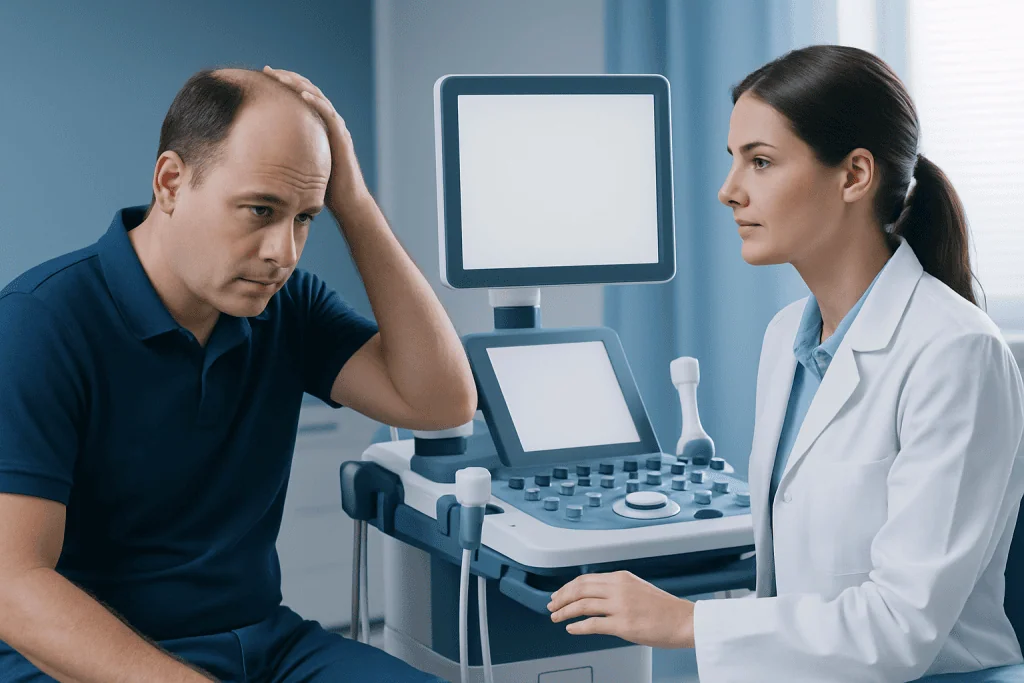
Finasteride works by blocking the conversion of testosterone to dihydrotestosterone, often called DHT. In male pattern hair loss, DHT contributes to the gradual shrinking of susceptible hair follicles. As follicles miniaturize, hairs become finer, shorter, and less visible until some stop producing noticeable hair.
By lowering DHT levels, finasteride can help protect these follicles from continued miniaturization. In many men, this means slower progression of hair loss; in some, it also means partial regrowth. The medicine tends to work best when started earlier, while follicles are still active enough to respond.
Patients most likely to benefit are adult men with clear signs of hereditary thinning on the scalp rather than patchy bald spots, sudden shedding, or scarring scalp disease. A specialist may also discuss combining finasteride with other treatments, such as hair transplant evaluation in advanced cases or medical therapies aimed at preserving existing hair.
Finasteride is generally not used as a routine first-line treatment for every person with diffuse thinning. Women, adolescents, and people trying to understand an unclear pattern of hair loss need individualized medical advice. A clinician may recommend blood tests, scalp examination, or dermatology review before deciding if finasteride is appropriate.
What Results to Expect and How Long It Takes

Propecia does not usually change hair immediately. Hair grows slowly, and visible improvement commonly takes several months. Many patients first notice that shedding seems more stable before they notice thicker coverage or fuller-looking hair.
Some men experience modest regrowth, while others mainly see slowed progression. This difference does not necessarily mean the treatment has failed. Preventing further miniaturization can itself be a meaningful result, especially in early to moderate hair loss where preserving existing hair is the main goal.
Consistency matters. Finasteride generally needs to be taken continuously to maintain its effect. If treatment is stopped, the hormonal influence on susceptible follicles returns, and hair loss often resumes gradually over time.
Expectations should remain realistic. Finasteride does not create unlimited new hair follicles, and it may not restore a youthful hairline in advanced baldness. In people with significant loss, doctors may discuss broader options that include scalp-focused care, dermatology assessment, or procedural treatments alongside medical therapy.
Side Effects, Safety, and Important Precautions
Like any prescription medicine, finasteride can cause side effects, although not everyone experiences them. The side effects patients often ask about involve sexual function, such as reduced libido, difficulty with erections, or changes in ejaculation. These concerns should be discussed openly before starting treatment so the decision is informed rather than rushed.
Some patients also ask about mood-related changes, breast tenderness or enlargement, and allergic reactions. These effects are less common, but they deserve prompt medical attention if they occur. Any new breast lump, nipple discharge, rash, swelling, or persistent emotional symptoms should be reviewed by a doctor.
Another practical issue is that finasteride is intended for carefully selected patients, and it is important to tell the prescribing clinician about other medical conditions and medicines. A doctor may also discuss how finasteride can affect interpretation of prostate-specific antigen testing in some men, which is relevant for ongoing health screening.
Finasteride should only be used under medical supervision. Patients should avoid relying on non-medical online claims that promise guaranteed regrowth or dismiss side effects. A safer approach is individualized care, follow-up, and review if symptoms appear or if the treatment does not seem to match the pattern of hair loss.
Diagnosis Before Treatment: Why the Cause of Thinning Matters
Not all thinning hair is male pattern baldness. A good consultation usually begins with a medical history, timeline of shedding, family history, scalp symptoms, and review of recent illness, stress, weight changes, or new medicines. These details can point toward common alternatives such as telogen effluvium, traction-related loss, scalp psoriasis, fungal infection, or autoimmune conditions.
The scalp examination is often the most important part of the evaluation. Doctors look for the distribution of thinning, signs of inflammation, miniaturized hairs, broken hairs, scaling, or scarring. In some cases, additional testing may be needed to rule out iron deficiency, thyroid disorders, hormonal issues, or other medical contributors.
This matters because using finasteride for the wrong diagnosis can delay effective treatment. For example, sudden diffuse shedding after stress or illness may improve with time and supportive care rather than hormone-targeting medication. Patchy hair loss may suggest an autoimmune cause that needs a different plan, including assessment for alopecia areata.
When the diagnosis is uncertain, referral to a dermatologist or hair specialist is often the best next step. In complex cases, clinicians may discuss scalp imaging, biopsy, or broader check-up evaluation to identify contributing health factors and choose treatment more precisely.
Treatment Options Beyond Propecia
Finasteride is one option within a broader hair-loss treatment plan. Another common medical approach is topical minoxidil, which works differently and may be used alone or with finasteride depending on the patient’s pattern of loss, tolerance, and goals. Some doctors also recommend supportive scalp care and treatment of dandruff or inflammation when present.
For patients with advanced thinning, non-response, or cosmetic goals beyond what medicine can provide, procedural options may be discussed. These can include hair restoration surgery, but surgery is usually considered after the cause of hair loss is clear and the pattern is stable enough for planning. Preserving existing hair medically remains important even when procedures are considered.
Nutrition, sleep, and general health also play a role in how hair looks and feels, although they do not replace proven treatment for hereditary baldness. Correcting a deficiency or managing a chronic illness can reduce added shedding and support overall hair quality. This is one reason doctors often take a whole-health approach rather than focusing only on the scalp.
Near the end of the care journey, some patients seek multidisciplinary input. Acibadem International’s specialists at JCI-accredited hospitals evaluate and treat hair and scalp conditions for international patients when diagnosis, medical management, or procedural planning is needed.
Self-care and Daily Habits That Support Hair Health
Self-care cannot reverse male pattern baldness on its own, but it can reduce avoidable stress on the hair and scalp. Gentle washing, avoiding harsh chemical processing, limiting excessive heat styling, and minimizing tight hairstyles may help protect fragile hairs from breakage. This is especially useful when the hair already looks finer because of thinning.
General health habits can also support better outcomes. A balanced diet with adequate protein, iron, zinc, and vitamins is important for normal hair growth. Crash dieting, rapid weight loss, and poor sleep can worsen shedding in some people, even if the underlying pattern is hereditary.
It is also wise to be cautious with supplements marketed for hair regrowth. “Natural” does not always mean effective or safe, and some products may interact with medicines or contain ingredients that are not well studied. Patients should discuss supplements with a doctor rather than assuming they are harmless.
Photographing the scalp in consistent lighting every few months can help track changes more accurately than day-to-day mirror checks. Hair treatment progress is often gradual, and objective comparisons can make follow-up visits more useful and less frustrating.
When to Seek Medical Care
Medical advice is important before starting Propecia for thinning hair, especially if the pattern of loss is unclear. A person should seek evaluation promptly if hair loss is sudden, patchy, accompanied by scalp pain or itching, associated with redness or scaling, or begins after a new medicine or significant illness. These features may suggest a cause other than male pattern baldness.
Patients already taking finasteride should contact a doctor if they notice troubling side effects, including sexual symptoms, mood changes, breast tenderness, breast enlargement, a lump, nipple discharge, rash, or swelling. It is also reasonable to seek review if there is no meaningful stabilization after an adequate trial, since the diagnosis or treatment plan may need to be revisited.
In general, earlier assessment gives more options. Hair follicles affected by longstanding miniaturization may become less responsive over time, while earlier treatment may help preserve existing density. A qualified dermatologist, primary care doctor, or hair specialist can guide the next steps safely.
Frequently asked questions
Does Propecia really help thinning hair?
It can help in the right situation. Propecia, or finasteride, is most effective for male pattern hair loss and may slow further thinning while helping some men regrow hair. It is less likely to help if the hair loss is due to another cause.
How long does Propecia take to work for thinning hair?
Hair changes are usually gradual, so benefits are not immediate. Many patients need several months before they can judge whether shedding has stabilized or density has improved. Ongoing follow-up with a doctor can help assess progress realistically.
Will hair fall out again if Propecia is stopped?
In many cases, yes. Finasteride helps manage the hormonal process behind male pattern hair loss, but it does not cure the condition permanently. When treatment is discontinued, hair loss often gradually returns over time.
Can women use Propecia for thinning hair?
This requires individualized medical advice. Finasteride is not a routine treatment for all women with hair thinning, and use depends on age, reproductive considerations, diagnosis, and overall health. A doctor should evaluate the cause of hair loss before recommending treatment.
What are the most important side effects to know about?
Patients commonly ask about sexual side effects, such as lower libido or erection problems. Mood changes and breast-related symptoms are also important to mention, even though they are less common. Any concerning symptom should be discussed with the prescribing doctor.
Is Propecia better than minoxidil?
They work in different ways, so one is not automatically better for every patient. Some people respond well to one treatment, while others may benefit from using both under medical guidance. The best choice depends on the pattern of loss, goals, and tolerance.
This article is for general information only and is not a substitute for professional medical advice. Please consult a qualified doctor about your individual situation.
Hair transplant in Turkey — costs, graft counts & a free assessment
JCI-accredited · board-certified surgeons · reply within 24h
Add us as a Preferred Source to see more of our trusted health content across Google Search, AI Overviews and Discover.

More from the Health Library

Reclining Chairs: What Patients Need to Know

Cognitive Distortion: A Complete Medical Overview
Inguinal Lymph Nodes — Explained by Medical Evidence, Not Myths

Psychotic Depression — Explained by Medical Evidence, Not Myths

Chicken: A Complete Medical Overview