Proptosis: Symptoms, Causes, and Treatment Options

Proptosis means one or both eyes appear pushed forward more than usual. It is often linked to thyroid eye disease, but infection, inflammation, trauma, and tumors can also cause it.
Key Takeaways
- Proptosis means one or both eyes appear pushed forward more than usual.
- It is often linked to thyroid eye disease, but infection, inflammation, trauma, and tumors can also cause it.
- New or worsening proptosis should be assessed promptly, especially if there is pain, redness, double vision, or vision loss.
- Diagnosis usually involves an eye exam, review of symptoms, and imaging such as CT or MRI.
- Treatment focuses on the cause and may include medicines, eye protection, management of thyroid disease, or surgery.
Proptosis is the forward displacement or bulging of one or both eyes. It is a sign rather than a disease itself, and treatment depends on the underlying cause, which can range from thyroid eye disease to infection, inflammation, injury, or a mass behind the eye.
Overview: What Proptosis Means
Proptosis is the medical term for an eye that bulges or protrudes forward more than normal. Some people notice a visible change in appearance, while others first become aware of symptoms such as eye dryness, pressure, or double vision. Proptosis can affect one eye or both eyes, and it may develop gradually or appear more suddenly depending on the cause.
Importantly, proptosis is a clinical sign, not a diagnosis by itself. It happens when something increases the volume of tissue within the eye socket, also called the orbit, or changes the structures that normally hold the eye in place. Because the orbit is a small, enclosed space, swelling, inflammation, bleeding, enlarged muscles, or a growth behind the eye can push the eyeball forward.
One of the most common causes in adults is thyroid eye disease, an autoimmune condition often associated with overactive thyroid disease, though it can also occur when thyroid hormone levels are normal or low. Other causes include orbital infection, inflammatory disorders, trauma, bleeding, and benign or malignant tumors. A careful evaluation helps identify the reason and guide the safest treatment.
Symptoms and How Proptosis May Feel
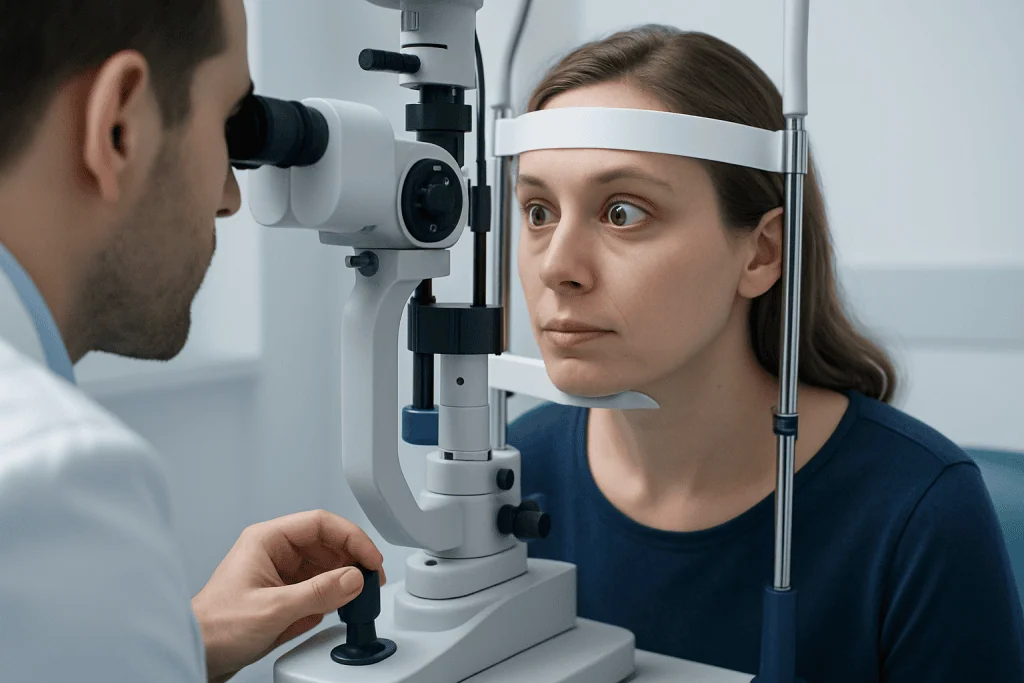
The most noticeable symptom of proptosis is an eye that looks more prominent or seems to protrude farther than the other side. In some people the change is subtle and may only be recognized in photographs or by family members. In others, the eyelids may not close fully, which can leave the eye exposed and uncomfortable.
Common symptoms can include dryness, watering, redness, a gritty sensation, eye pressure, swelling around the eyelids, and sensitivity to light. If the muscles that move the eyes become inflamed or restricted, double vision may occur. Some people also experience discomfort when looking in certain directions.
Symptoms that suggest a more urgent problem include severe pain, fever, a rapidly bulging eye, sudden loss of vision, reduced color vision, or difficulty moving the eye. These features may point to an infection, bleeding behind the eye, or pressure affecting the optic nerve. Because vision can be at risk in these situations, prompt medical care is important.
- Visible bulging of one or both eyes
- Dry, irritated, or watery eyes
- Redness or swelling around the eye
- Double vision or trouble moving the eye
- Eye pain, pressure, or headache
- Blurred vision or decreased vision
Causes and Risk Factors

The causes of proptosis vary by age and by how quickly symptoms appear. In adults, thyroid eye disease is a leading cause. In this condition, the immune system triggers inflammation and enlargement of the muscles and fatty tissue behind the eye, gradually pushing the eye forward. This may occur in people with Graves’ disease and is closely related to thyroid disorders, although proptosis itself is usually not caused by thyroid cancer.
Infections within the tissues around the eye can also lead to proptosis, especially if they spread from the sinuses. Orbital cellulitis is a serious infection that may cause swelling, pain, fever, redness, and reduced eye movement. Inflammatory conditions such as idiopathic orbital inflammation, sarcoidosis, or blood vessel disorders may have similar effects.
Other causes include trauma to the face or eye socket, bleeding behind the eye, vascular abnormalities, and masses within the orbit. These masses may be benign or malignant. In children, the list of possible causes differs and may include infection, congenital problems, or tumors. Risk factors depend on the underlying condition but may include autoimmune thyroid disease, smoking, sinus infection, recent trauma, and previous orbital or sinus disease.
How Doctors Diagnose Proptosis
Diagnosis begins with a detailed history and eye examination. A doctor asks when the change started, whether one or both eyes are affected, and whether symptoms such as pain, fever, double vision, or vision changes are present. The examination typically checks visual acuity, pupils, color vision, eye movements, eyelid position, and the appearance of the front and back of the eye.
An ophthalmologist may measure how far the eye protrudes using a device called an exophthalmometer. This helps compare the two eyes and track changes over time. The doctor also looks for clues pointing to a specific cause, such as eyelid retraction in thyroid eye disease or signs of infection and inflammation around the orbit.
Imaging is often a key part of the assessment. CT scans can show the bones, sinuses, bleeding, and many orbital problems, while MRI can provide more detail about soft tissues, inflammation, and tumors. Blood tests may be used to evaluate thyroid function, immune activity, or infection. When a mass is found, additional tests or a biopsy may be needed to determine exactly what it is.
Treatment Options for Proptosis
There is no single treatment for proptosis because care depends on the underlying cause and the severity of symptoms. Protecting the surface of the eye is often an early priority, especially if the eyelids do not close fully. Lubricating drops or ointments, moisture protection at night, and careful monitoring can help reduce dryness and corneal injury.
When proptosis is related to thyroid eye disease, treatment may include controlling thyroid dysfunction, stopping smoking, managing inflammation, and watching for signs that the optic nerve is under pressure. Some patients benefit from anti-inflammatory medicines, and selected cases may need orbital radiotherapy or surgery. If sinus-related infection is responsible, doctors may use antibiotics and sometimes sinusitis treatment to control the source of infection and relieve orbital complications.
Surgery may be considered when proptosis is severe, vision is threatened, or a structural problem needs correction. Procedures can include removal of an orbital mass, drainage of an abscess, repair after trauma, or orbital decompression surgery to create more space within the eye socket. In some cases, specialists may also discuss oculoplastic surgery to improve eyelid position or protect the eye after inflammation has settled. Treatment plans are usually coordinated between ophthalmology, endocrinology, radiology, and sometimes ENT or neurosurgery teams.
Prevention and Self-Care
Because proptosis is a sign of an underlying problem, prevention mainly focuses on lowering risk where possible and recognizing changes early. People with thyroid eye disease can reduce complications by attending regular follow-up appointments and managing thyroid disease carefully with their doctor. Smoking cessation is especially important, as smoking is linked to more severe thyroid eye disease and can reduce treatment response.
Daily self-care can help protect the eyes while the cause is being evaluated or treated. Artificial tears during the day and ointment at night may reduce dryness if the eyelids do not close completely. Sunglasses can ease light sensitivity and wind irritation, and sleeping with the head slightly elevated may help reduce swelling in some people.
It is best not to ignore a new difference in eye position, especially if it develops quickly. Early assessment can reduce the risk of complications such as exposure of the cornea, persistent double vision, or pressure-related damage to the optic nerve. General health measures, including prompt treatment of sinus infections and using seat belts and protective gear to reduce facial trauma, may also help lower risk in some situations.
When to Seek Medical Care
Anyone who notices new or progressive eye bulging should arrange a medical evaluation. Even when symptoms seem mild, the underlying cause may need treatment, and a doctor can determine whether the change is due to thyroid eye disease, inflammation, infection, trauma, or another orbital condition. Assessment is especially important if only one eye is affected or if the change is getting worse.
Urgent or emergency care is needed if proptosis is accompanied by fever, severe pain, a red swollen eye, restricted eye movement, sudden vision changes, or recent facial trauma. These symptoms may suggest orbital infection, bleeding, or dangerous pressure within the orbit. Prompt treatment can be important for protecting sight and controlling the underlying problem.
In complex cases, care may involve ophthalmologists, endocrinologists, ENT surgeons, radiologists, and other specialists. Acibadem International’s multidisciplinary specialists in JCI-accredited hospitals diagnose and treat orbital and thyroid-related eye conditions for international patients when coordinated care is needed.
Frequently asked questions
Is proptosis the same as thyroid eye disease?
No. Proptosis means the eye is protruding forward, while thyroid eye disease is one possible cause of that protrusion. Other causes include infection, inflammation, trauma, bleeding, and tumors.
Can proptosis go away on its own?
Sometimes mild changes improve if the underlying cause settles, but proptosis should not be assumed to be harmless. Because it can signal a condition that needs treatment, medical assessment is recommended. Improvement depends on the cause and how quickly it is treated.
Is proptosis an emergency?
It can be, depending on the symptoms. Sudden proptosis with pain, fever, redness, vision loss, or recent injury needs urgent medical attention. These signs may indicate infection, bleeding, or pressure on the optic nerve.
How is proptosis measured?
Doctors often use a tool called an exophthalmometer to measure how far the eye protrudes. The result is compared between both eyes and may be followed over time. Imaging such as CT or MRI is commonly used as well.
Can proptosis affect vision permanently?
Yes, in some cases it can. If the cornea becomes exposed or the optic nerve is compressed, vision may be damaged. Early diagnosis and treatment reduce the chance of lasting problems.
What kind of doctor treats proptosis?
An ophthalmologist usually leads the evaluation, especially a specialist in orbit or oculoplastics when needed. Depending on the cause, care may also involve endocrinology, ENT, infectious disease, oncology, or neurosurgery.
References
- American Academy of Ophthalmology
- National Eye Institute
- NHS
- Merck Manual Professional Edition
- American Thyroid Association
This article is for general information only and is not a substitute for professional medical advice. Please consult a qualified doctor about your individual situation.
Explore treatments in Turkey — costs, top hospitals & a free quote
JCI-accredited · board-certified surgeons · reply within 24h
Add us as a Preferred Source to see more of our trusted health content across Google Search, AI Overviews and Discover.