Purple Lips: A Complete Medical Overview
Purple lips may reflect cold exposure, reduced blood flow, or low oxygen levels in the blood. A brief color change in cold weather may improve with warming, but persistent purple lips should be assessed by a doctor.
Key Takeaways
- Purple lips may reflect cold exposure, reduced blood flow, or low oxygen levels in the blood.
- A brief color change in cold weather may improve with warming, but persistent purple lips should be assessed by a doctor.
- Warning signs include shortness of breath, chest pain, confusion, fainting, or a child who is hard to wake.
- Diagnosis focuses on oxygen levels, circulation, lung and heart function, and possible blood abnormalities.
- Treatment depends on the cause and may range from warming and hydration to oxygen therapy and treatment of heart or lung disease.
Purple lips can happen when the lips are cold, poorly perfused, or not getting enough oxygen-rich blood. Sometimes the cause is temporary and harmless, but persistent or sudden purple lips can signal a medical problem that needs prompt evaluation.
Overview: what purple lips can mean
Purple lips describe a bluish, violet, or dusky color change of the lips. This usually happens when the blood reaching the lips has less oxygen than normal, when circulation is reduced, or when blood vessels near the surface narrow in response to cold. The medical term often used for this bluish discoloration is cyanosis.
Not every case is an emergency. Lips may look temporarily purple after exposure to cold air, icy drinks, or intense exercise, especially in people with lighter skin tones or naturally cool hands and feet. However, if the color change is new, persistent, or accompanied by breathing problems or other symptoms, it should be treated as a sign that the body may not be getting enough oxygen.
The lips are useful indicators because the skin there is thin and richly supplied with blood vessels. A noticeable color change may be easier to see on the lips than on other parts of the body. In some people, purple lips occur along with a bluish tongue, nail beds, or fingertips, which can suggest a more generalized problem rather than a local one.
How to tell normal color changes from a warning sign
A short-lived color change after being in the cold can be a normal body response. In this situation, lips often return to their usual color after warming up indoors, drinking a warm beverage, or putting on dry clothes. The person otherwise feels well and has no trouble breathing.
Purple lips are more concerning when the color does not improve quickly, appears suddenly without a clear reason, or happens repeatedly. A warning sign is discoloration that occurs together with shortness of breath, noisy breathing, wheezing, fast breathing, chest discomfort, dizziness, confusion, severe fatigue, or fainting.
In infants and children, the context matters. Some babies can briefly develop a bluish color around the mouth when crying, yet the lips and tongue themselves should not stay blue or purple. If a child has purple lips, seems lethargic, is working hard to breathe, or has poor feeding, prompt medical care is important.
- More likely to be temporary: cold exposure, quick recovery, no other symptoms.
- More likely to need urgent assessment: trouble breathing, chest pain, confusion, persistent discoloration, or purple lips in a newborn.
Common causes and risk factors

The most important causes of purple lips are reduced oxygen in the blood, reduced circulation, and changes in the blood itself. Low oxygen can occur with asthma attacks, severe infections, pneumonia, chronic lung disease, airway blockage, or blood clots in the lungs. Heart conditions that affect how blood is pumped or oxygenated can also lead to cyanosis, including some congenital heart problems and advanced heart failure.
Circulatory causes include intense cold exposure, shock, severe dehydration, or disorders that narrow blood vessels. Raynaud phenomenon, for example, can reduce blood flow to fingers and sometimes other areas during stress or cold. Smoking and vaping may worsen circulation and reduce oxygen delivery over time, especially when combined with lung disease.
Blood-related causes are less common but important. Abnormal forms of hemoglobin, severe anemia in some situations, or methemoglobinemia can affect how oxygen is carried or released. Certain medications, chemicals, or toxins may contribute. At high altitude, lower oxygen in the environment can also cause lips to look blue or purple, particularly during exertion.
Risk factors depend on the cause but often include chronic lung disease, known heart disease, sleep-disordered breathing, smoking, recent respiratory infection, blood clot risk, very cold weather exposure, and use of substances that suppress breathing. People with chronic obstructive pulmonary disease or severe asthma may be more likely to notice episodes of lip discoloration during flare-ups.
Symptoms that may occur with purple lips
Purple lips are a sign rather than a diagnosis, so the associated symptoms can vary widely. Some people have only a visible color change. Others also notice cold hands and feet, numbness, tingling, shakiness, or fatigue if the cause is poor circulation or cold exposure.
When oxygen levels are affected, symptoms may include shortness of breath, rapid breathing, wheezing, coughing, chest tightness, reduced exercise tolerance, headache, restlessness, or sleepiness. In more serious cases, a person may become confused, develop severe weakness, or lose consciousness. These symptoms need urgent medical attention.
Doctors may also look for clues in other parts of the body. A bluish tongue or inside of the mouth can suggest more significant low oxygen levels. Swelling of the legs, a racing heartbeat, fever, or signs of infection may point toward a heart, lung, or systemic cause rather than a harmless reaction to cold.
How doctors diagnose the cause
Evaluation begins with a history and physical examination. A doctor will ask when the purple color started, whether it is constant or intermittent, and what makes it better or worse. They will also ask about breathing symptoms, chest pain, cold exposure, medications, smoking, recent illness, travel, and any history of heart or lung disease.
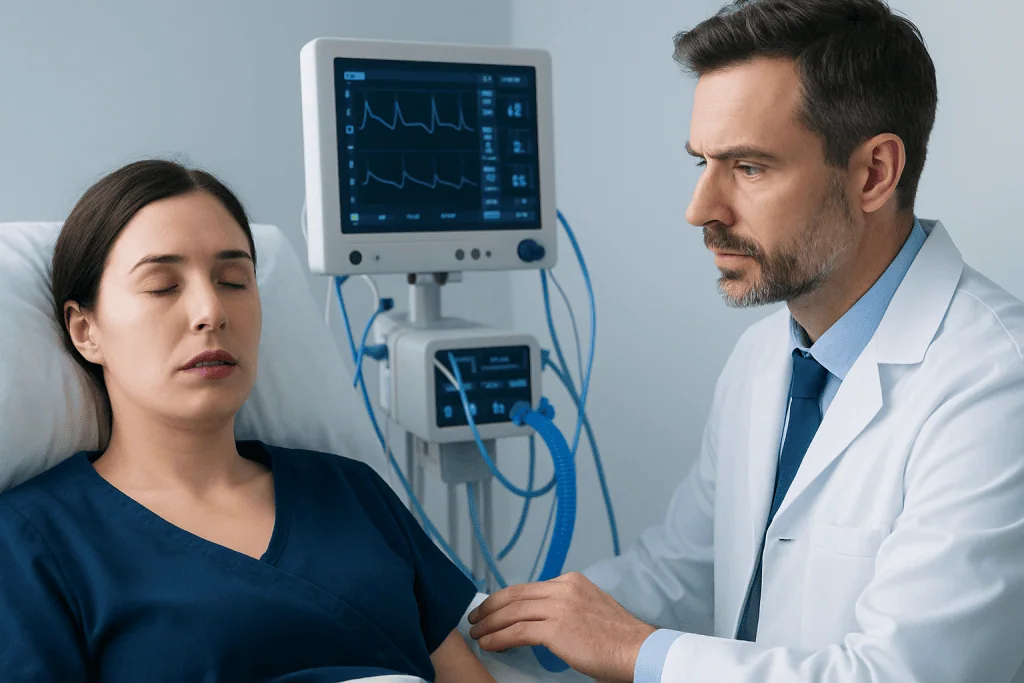
One of the first checks is oxygen saturation using a pulse oximeter. This simple fingertip device estimates how much oxygen is in the blood, although results can sometimes be less reliable in poor circulation or with certain pigments and lighting. If needed, a blood test called an arterial blood gas may be used to measure oxygen and carbon dioxide levels more precisely.
Additional testing depends on the suspected cause. Doctors may order blood tests, a chest X-ray, electrocardiogram, echocardiogram, or lung function testing. If a serious breathing or circulation problem is suspected, advanced imaging such as CT scanning may help identify pneumonia, a pulmonary embolism, or other urgent conditions. In selected cases, echocardiography helps assess heart structure and pumping function.
The goal is not only to confirm that cyanosis is present but also to identify where the problem begins: the lungs, the heart, the circulation, or the blood. This step is important because treatment can differ greatly from one cause to another.
Treatment options and self-care
Treatment for purple lips depends entirely on the underlying reason. If the cause is simple cold exposure, warming the body, changing into dry clothing, and gentle rewarming are often enough. Hydration and avoiding tobacco can also help support circulation.
If oxygen levels are low, treatment may involve supplemental oxygen and care directed at the cause. For example, doctors may use inhaled medicines during asthma or COPD flare-ups, antibiotics when a bacterial pneumonia is confirmed, or therapies for heart-related conditions. In some cases, a person may need oxygen therapy for short-term support while the underlying problem is managed.
Self-care should focus on safe, general measures rather than trying to treat the symptom alone. It helps to keep warm in cold weather, dress in layers, manage known lung or heart conditions as instructed, and take prescribed medicines consistently. People should not ignore recurring episodes, especially if they happen at rest or during sleep.
Near the end of the diagnostic and treatment journey, some patients benefit from coordinated specialist input. Acibadem International’s multidisciplinary specialists in JCI-accredited hospitals diagnose and treat heart, lung, and circulation-related causes of purple lips for international patients when more advanced evaluation is needed.
When to seek medical care
Purple lips deserve urgent medical attention if they begin suddenly or appear together with shortness of breath, chest pain, severe wheezing, confusion, fainting, a bluish tongue, or difficulty staying awake. In babies and children, immediate assessment is needed if there is trouble feeding, grunting, rib retractions, unusual sleepiness, or persistent lip discoloration.
A same-day or prompt medical visit is also appropriate for lips that remain purple after warming up, episodes that keep returning, or discoloration that occurs during mild activity. People with known lung disease, heart disease, sleep apnea, or a history of blood clots should be especially cautious because even familiar symptoms can signal a flare or complication.
If purple lips occur after exposure to a medication, chemical, smoke, or possible toxin, poison exposure and emergency causes should be considered. If in doubt, it is safer to seek urgent care rather than wait for the color to improve on its own.
Prevention and long-term outlook
Prevention depends on the cause. Many everyday episodes can be reduced by avoiding prolonged cold exposure, wearing weather-appropriate clothing, staying well hydrated, and not smoking. People who notice circulation-related color changes may benefit from minimizing sudden temperature shifts and managing stress, which can trigger blood vessel narrowing in some individuals.
For those with chronic conditions, prevention means keeping the underlying disease well controlled. This may include regular follow-up, vaccinations, taking prescribed inhalers or cardiac medicines, monitoring symptoms, and discussing warning signs with a doctor. Sleep-related breathing problems, recurrent chest infections, and exercise intolerance should not be ignored.
The outlook is usually good when the cause is temporary and corrected quickly, such as cold exposure. When purple lips are due to an underlying heart or lung condition, the outlook depends on how effectively that condition is treated and monitored. Because the symptom can be a visible clue to a more important medical issue, timely evaluation is the best way to protect long-term health.
Frequently asked questions
Are purple lips always a sign of low oxygen?
Not always. Purple lips can happen from cold exposure or reduced blood flow near the surface of the skin, even without a dangerous drop in oxygen. However, low oxygen is an important possible cause, so persistent or unexplained discoloration should be checked.
Can anxiety cause purple lips?
Anxiety itself does not usually turn the lips purple, but it can change breathing patterns and make a person more aware of normal color variation. If lips truly look purple, especially with breathlessness or dizziness, a medical cause should be considered rather than assuming anxiety is the reason.
What is the difference between blue lips and purple lips?
People often use these terms interchangeably. Both usually describe a similar color change caused by oxygen or circulation issues, although the exact shade can vary with skin tone, lighting, and the underlying cause.
Should someone go to the emergency room for purple lips?
Emergency care is appropriate if purple lips come with shortness of breath, chest pain, confusion, fainting, severe weakness, or a bluish tongue. Infants, young children, and older adults should be assessed especially quickly because serious illness can worsen faster in these groups.
Can dehydration cause purple lips?
Severe dehydration can reduce circulation and contribute to a dusky or discolored appearance. It is usually not the only clue, and other symptoms such as thirst, weakness, low urine output, or dizziness are often present.
How are purple lips treated at home?
If the person is otherwise well and the color change happened after cold exposure, warming up gradually and resting may help. Home treatment should not replace medical evaluation if the color does not improve, keeps returning, or occurs with breathing problems or other warning signs.
This article is for general information only and is not a substitute for professional medical advice. Please consult a qualified doctor about your individual situation.
Explore treatments in Turkey — costs, top hospitals & a free quote
JCI-accredited · board-certified surgeons · reply within 24h
Add us as a Preferred Source to see more of our trusted health content across Google Search, AI Overviews and Discover.

More from the Health Library

How to Choose the Right Hospital or Clinic for a General Health Check

Clammy Skin: A Complete Medical Overview

Dabda Stages — Explained by Medical Evidence, Not Myths

Active Recovery: What Patients Need to Know

Buttermilk Substitute — Explained by Medical Evidence, Not Myths