Red Patches on Scalp: A Complete Medical Overview

Red patches on scalp can result from inflammatory skin conditions, infections, allergies, or irritation. Associated symptoms such as itching, flaking, pain, hair loss, or oozing help doctors narrow the cause.
Key Takeaways
- Red patches on scalp can result from inflammatory skin conditions, infections, allergies, or irritation.
- Associated symptoms such as itching, flaking, pain, hair loss, or oozing help doctors narrow the cause.
- Diagnosis usually relies on a skin examination and sometimes swabs, scrapings, or a biopsy.
- Treatment may include medicated shampoos, anti-inflammatory creams, antifungal medicines, or avoidance of triggers.
- Persistent, painful, spreading, or infected-looking scalp changes should be assessed by a doctor.
Red patches on scalp are a symptom rather than a diagnosis. They are commonly linked to irritation, dandruff-related inflammation, eczema, psoriasis, allergies, or infection, and the best treatment depends on the underlying cause.
What red patches on the scalp can mean
Red patches on scalp most often reflect inflammation of the skin. Common causes include dandruff-related seborrheic dermatitis, eczema, psoriasis, contact allergy to hair products, fungal infection, and irritation from scratching or styling practices. Although many cases are manageable, the same symptom can appear in several different conditions, so the pattern and accompanying signs matter.
The scalp has unique features that can make skin problems look different from those on the face or body. Hair can trap scale, oil, sweat, and product residue, while frequent washing, coloring, or heat styling may irritate the skin barrier. Because of this, redness on the scalp may range from mild and flaky to sharply defined, sore, crusted, or associated with hair thinning.
For some people, red patches come and go with stress, weather changes, or product use. For others, they are part of a chronic skin disorder such as psoriasis or atopic eczema. A careful history and examination help distinguish temporary irritation from a condition that needs medical treatment.
Common signs that help identify the cause
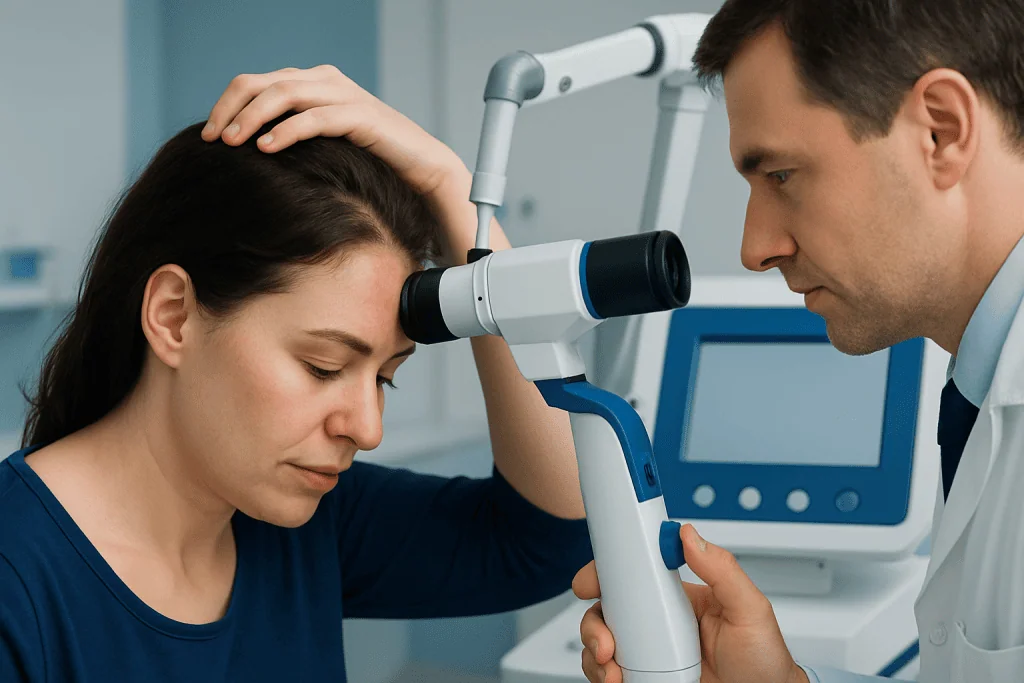
Redness alone does not tell the whole story. Doctors usually ask whether the scalp is itchy, flaky, painful, burning, swollen, crusted, or oozing. They also look at whether the patches are diffuse or well defined, whether they affect the hairline or behind the ears, and whether there are changes elsewhere on the body.
Symptoms that may accompany red patches on scalp include:
- Itching or a stinging sensation
- White, yellow, or silvery scale
- Greasy flakes or dry shedding
- Tenderness, warmth, or swelling
- Pimples, pustules, or crusting
- Hair breakage or patchy hair loss
- Rash on the face, ears, neck, elbows, or knees
Timing also offers clues. A sudden rash after a new dye, shampoo, oil, or styling product may point to contact dermatitis. Recurrent episodes with flaking can suggest seborrheic dermatitis, while thick plaques with silvery scale are more suggestive of scalp psoriasis. A tender, infected-looking area or a patch with broken hairs may raise concern for fungal or bacterial infection.
Frequent causes of red patches on scalp

Seborrheic dermatitis is one of the most common reasons for scalp redness. It often causes itchy, inflamed skin with greasy or powdery flakes and may worsen in cold weather or periods of stress. It is related to inflammation and the scalp’s response to naturally occurring yeast, rather than poor hygiene. Many people know its milder form as dandruff.
Psoriasis can also affect the scalp. It usually causes clearly demarcated red patches with thicker, silvery scale and may extend beyond the hairline. Some people also have plaques on the elbows, knees, lower back, or nails. The scalp can be especially uncomfortable because plaques may itch, crack, or shed scale onto clothing.
Eczema and contact dermatitis are other important causes. Atopic eczema can make the scalp dry, sensitive, and itchy, especially in people with a personal or family history of allergies, asthma, or eczema. Contact dermatitis happens when the skin reacts to ingredients in hair dye, fragrances, preservatives, shampoos, gels, or other products. In these cases, identifying and avoiding the trigger is an important part of care.
Infections should also be considered. Fungal infection of the scalp, sometimes called tinea capitis, can cause red scaly patches, broken hairs, and areas of hair loss, especially in children. Bacterial folliculitis may produce red bumps or pustules around hair follicles. Less commonly, conditions such as alopecia areata may coexist with scalp irritation, although alopecia areata itself more often causes smooth hair loss patches rather than red inflamed plaques.
Risk factors and triggers
Several factors can make red patches on scalp more likely or make an existing condition flare. Oily skin, a history of dandruff, chronic skin disease, allergies, and immune system changes can all play a role. Family history may be relevant in psoriasis and eczema, while close contact in shared households, schools, or sports settings can increase the spread of fungal infections.
Everyday habits may also contribute. Frequent use of harsh shampoos, hair dyes, bleaching products, tight hairstyles, or heated tools can irritate the scalp. Scratching can further damage the skin barrier and increase the risk of secondary infection. Build-up from styling products may worsen irritation in some people, especially if the scalp is already sensitive.
Triggers differ by condition. Seborrheic dermatitis may worsen with stress, illness, or seasonal changes. Psoriasis can flare after skin injury, infections, or emotional stress. Contact dermatitis usually follows exposure to a specific ingredient. Keeping track of products, timing, and associated symptoms can help clarify the pattern before a medical visit.
How doctors diagnose scalp redness
Diagnosis begins with a medical history and scalp examination. A doctor will usually ask when the red patches started, whether they itch or hurt, which products are used on the hair and scalp, and whether there is hair loss or rash elsewhere on the body. Examining the ears, face, nails, and other skin areas can provide helpful clues.
In many cases, the appearance is enough to suggest the most likely diagnosis. However, further testing may be useful if the presentation is unusual, severe, or not responding to treatment. This may include a fungal scraping, swab for infection, patch testing for allergy, or a small skin biopsy.
It is important not to self-diagnose persistent scalp redness solely from online images. Conditions can overlap, and treatments that help one disorder may irritate another. For example, repeated use of heavily fragranced products or strong over-the-counter remedies may worsen an already inflamed scalp.
Treatment options for red patches on scalp
Treatment depends on the underlying cause rather than the redness alone. For seborrheic dermatitis, doctors often recommend medicated shampoos containing ingredients that reduce yeast growth and inflammation, along with short-term anti-inflammatory scalp treatments when needed. Mild cases may improve with regular use of suitable shampoos and gentle scalp care.
When scalp psoriasis is the cause, treatment may involve medicated shampoos, topical corticosteroids, vitamin D analogs, keratolytic products to soften scale, or other dermatologist-guided therapies. Some people benefit from broader dermatology assessment if scalp disease is extensive, recurrent, or linked to symptoms on other parts of the body.
If a fungal infection is confirmed or strongly suspected, oral antifungal treatment is often needed because scalp infections usually do not clear with shampoo alone. Bacterial folliculitis may require antiseptic care or antibiotics, depending on severity. If product allergy or irritant dermatitis is responsible, the main treatment is to stop the trigger and allow the scalp barrier to recover, sometimes with prescription anti-inflammatory medication.
Hair loss, scarring, or widespread inflammation may need more specialized evaluation. In selected cases, doctors may assess related concerns through services such as hair restoration evaluation after active scalp disease has been controlled. For complex inflammatory conditions or uncertain diagnosis, a skin biopsy may help confirm the cause.
Self-care and prevention strategies
Gentle scalp care can reduce irritation and support medical treatment. Washing frequency should match the person’s scalp type and condition; very oily or flaky scalps may benefit from regular cleansing, while dry, sensitive scalps may need milder products. Lukewarm water and fragrance-free or dermatologist-recommended shampoos are often more comfortable than heavily perfumed or harsh formulas.
Helpful self-care measures include:
- Avoiding scratching, picking, or aggressively brushing the scalp
- Pausing new dyes, bleaches, or styling products if symptoms began after use
- Rinsing products thoroughly to reduce residue
- Cleaning combs, brushes, hats, and pillowcases regularly
- Not sharing combs, hats, or hair accessories if infection is possible
- Managing stress and getting enough rest, which may help some inflammatory conditions
Home care should stay within safe limits. Essential oils, strong exfoliants, or home remedies can sometimes worsen inflammation or trigger allergy. If a scalp patch is painful, spreading, draining, or causing hair loss, it is better to seek medical advice than to continue trying multiple over-the-counter products.
When to seek medical care
Medical assessment is recommended if red patches on scalp last more than a few weeks, keep returning, or do not improve with gentle care and appropriate over-the-counter products. A doctor should also evaluate scalp redness accompanied by significant itching, pain, bleeding, thick crusting, oozing, or noticeable hair loss.
Prompt care is especially important if there are signs of infection such as warmth, pus, tenderness, swollen lymph nodes, fever, or rapidly spreading rash. Children with scaly patches and broken hairs should be checked because fungal scalp infection often needs prescription treatment to prevent further spread and reduce the risk of scarring.
People with known chronic skin disease, a weakened immune system, or severe reactions after hair dye or other products should not delay evaluation. Near the end of the care pathway, it may be helpful to know that Acibadem International’s multidisciplinary specialists and JCI-accredited hospitals diagnose and treat scalp and skin conditions for international patients when more detailed assessment is needed.
Frequently asked questions
Are red patches on scalp usually serious?
Most cases are not serious and are linked to common conditions such as seborrheic dermatitis, eczema, psoriasis, or irritation from hair products. However, persistent, painful, infected-looking, or hair-loss-related patches should be assessed by a doctor.
Can dandruff cause red patches on scalp?
Yes. Dandruff and seborrheic dermatitis can cause scalp redness along with itching and flaking. In seborrheic dermatitis, the scalp may also feel greasy or irritated and symptoms may come and go.
Do red patches on the scalp mean psoriasis?
Not always. Psoriasis is one possible cause, but redness can also happen with eczema, fungal infection, contact dermatitis, folliculitis, or simple irritation. The pattern of scale, itch, and any rash elsewhere on the body helps doctors tell these apart.
Can hair dye or shampoo cause a red scalp rash?
Yes. Hair dye, shampoos, conditioners, fragrances, preservatives, and styling products can trigger irritant or allergic contact dermatitis. If symptoms start after a new product, stopping it and seeking medical advice is sensible, especially if swelling or severe itching occurs.
What if red patches on scalp come with hair loss?
Hair loss with scalp redness deserves medical attention because infection, inflammatory skin disease, and some scarring conditions can affect hair growth. Early diagnosis can help protect the scalp and guide the right treatment.
Should red patches on scalp be treated at home first?
Mild flaking and irritation may improve with gentle scalp care and suitable over-the-counter medicated shampoos. If symptoms are severe, recurrent, spreading, or not improving within a short period, a professional evaluation is the safer choice.
References
- American Academy of Dermatology
- National Eczema Association
- National Psoriasis Foundation
- Mayo Clinic
- National Health Service
This article is for general information only and is not a substitute for professional medical advice. Please consult a qualified doctor about your individual situation.
Hair transplant in Turkey — costs, graft counts & a free assessment
JCI-accredited · board-certified surgeons · reply within 24h
Add us as a Preferred Source to see more of our trusted health content across Google Search, AI Overviews and Discover.

More from the Health Library

Pravastatin: A Complete Medical Overview

Pneumonic: An Evidence-Based Guide for Patients

Twitching Fasciculation: A Complete Medical Overview

Tidal Volume: An Evidence-Based Guide for Patients

Runners Itch: An Evidence-Based Guide for Patients