Rehab for Alcohol Addiction: What Happens After Detox

Detox manages withdrawal, while rehab focuses on staying alcohol-free and rebuilding daily life. Alcohol rehabilitation may include inpatient, outpatient, individual, group, and family treatment.
Key Takeaways
- Detox manages withdrawal, while rehab focuses on staying alcohol-free and rebuilding daily life.
- Alcohol rehabilitation may include inpatient, outpatient, individual, group, and family treatment.
- Therapy, relapse prevention planning, and treatment of coexisting mental health conditions are central parts of care.
- Recovery is ongoing, and aftercare can include follow-up visits, support groups, and lifestyle changes.
- A personalized treatment plan offers the best chance of meeting medical, emotional, and social needs.
Detox is often the first step in alcohol addiction treatment, but recovery usually continues with rehabilitation. Rehab for alcohol addiction helps people address cravings, triggers, emotional health, and daily habits so they can build safer, more stable long-term recovery.
Overview: Why Rehab Matters After Detox
Detox helps the body clear alcohol and allows doctors to manage withdrawal symptoms safely. This step can be medically important, especially for people who have been drinking heavily or for a long time. However, detox alone does not usually treat the underlying patterns that drive alcohol use.
Rehab for alcohol addiction begins where detox ends. Its goal is to help a person understand the reasons behind drinking, recognize triggers, manage cravings, and develop healthier ways to cope with stress, relationships, and everyday life. In most cases, this stage is essential for reducing the risk of relapse.
Alcohol addiction, often called alcohol use disorder, is a medical condition rather than a lack of willpower. Effective rehabilitation combines medical care, psychological support, and practical recovery strategies. Depending on a person’s needs, treatment may happen in an inpatient setting, an outpatient program, or a structured step-down plan that changes over time.
What Happens in Alcohol Rehab
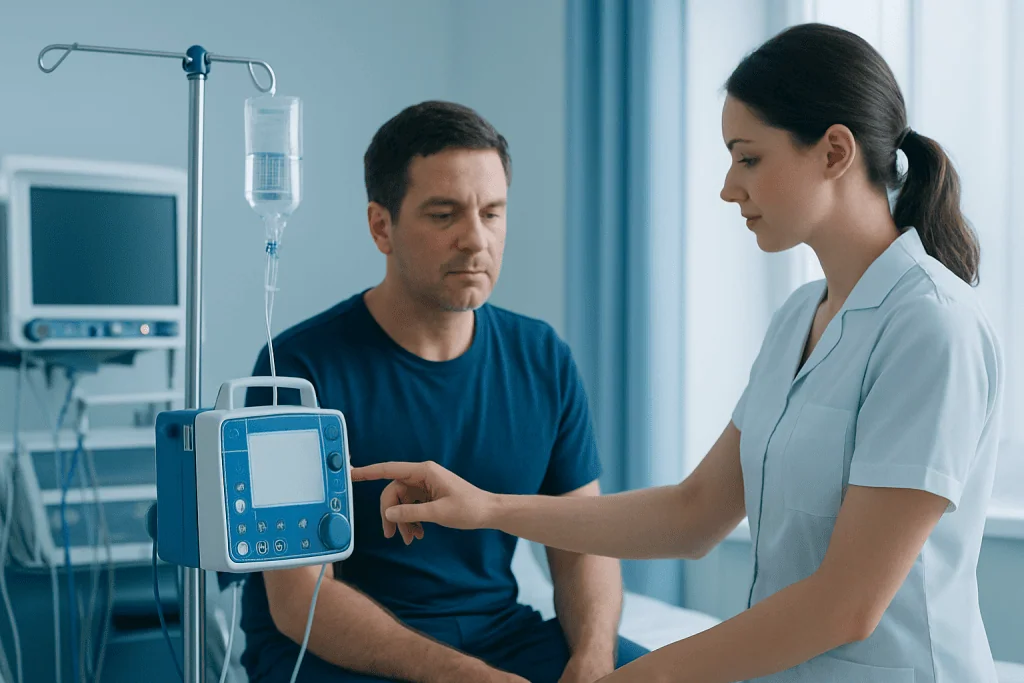
After detox, the first part of rehab is usually a detailed assessment. A treatment team may ask about drinking patterns, past attempts to stop, physical health, mental health, medications, family history, work and home life, and any use of other substances. This helps create a personalized treatment plan rather than a one-size-fits-all approach.
Many alcohol rehab programs include a structured daily or weekly schedule. This often combines medical follow-up, individual counseling, group therapy, education about addiction, and relapse prevention work. Some people also benefit from family sessions, nutritional guidance, sleep support, and help rebuilding routines that may have been disrupted by alcohol use.
Treatment commonly focuses on practical recovery skills, such as:
- Identifying personal triggers and high-risk situations
- Learning how to manage cravings without drinking
- Building communication and problem-solving skills
- Creating a plan for social events, travel, or stress
- Developing healthier routines around sleep, meals, and exercise
- Planning for setbacks and knowing when to ask for help
For some patients, rehabilitation may be part of broader care that also addresses related physical or emotional health concerns. If a person needs medically supervised addiction support, specialist alcohol and substance addiction treatment may be recommended as part of a coordinated plan.
Types of Rehab After Detox

There is no single rehab format that suits everyone. The most appropriate option depends on the severity of alcohol use disorder, the person’s physical and mental health, home support, work obligations, and risk of relapse. A doctor or addiction specialist can help determine the safest and most effective level of care.
Inpatient rehabilitation involves staying at a treatment facility for a period of time. This setting may be helpful for people with severe addiction, repeated relapses, unstable home situations, or significant mental health needs. It provides structure, close monitoring, and regular access to professionals throughout the day.
Outpatient rehabilitation allows a person to live at home while attending scheduled therapy and medical appointments. This may suit people with milder symptoms, strong family support, and a stable living environment. Some programs are more intensive than others, including partial hospitalization or intensive outpatient care.
Rehab can also include different therapeutic formats:
- Individual therapy for personal triggers, trauma, or coping skills
- Group therapy for shared learning, accountability, and support
- Family therapy to improve communication and reduce conflict
- Peer support programs that encourage ongoing recovery
Therapies Used in Alcohol Rehabilitation
Psychological therapy is one of the main pillars of alcohol rehab. Cognitive behavioral therapy is widely used to help people notice the thoughts, emotions, and situations that lead to drinking. It also teaches more helpful responses, such as delaying urges, leaving risky situations, or using a calming technique instead of alcohol.
Motivational approaches can help strengthen a person’s reasons for change, especially if they feel ambivalent about treatment. Other therapies may focus on emotional regulation, trauma, relationship difficulties, or stress management. Group therapy often provides encouragement and reduces the sense of isolation that can accompany addiction.
Medication may also play a role for some people after detox. Doctors sometimes prescribe medicines that reduce cravings or make drinking less rewarding, depending on a person’s health status and treatment goals. These medications are not suitable for everyone, so they should only be used under medical guidance as part of a broader recovery plan.
Because alcohol use disorder can occur alongside depression, anxiety, trauma-related conditions, or sleep problems, treatment may also involve mental health evaluation and care. Addressing these concerns can make recovery more stable and sustainable over time. In some cases, patients may need support that overlaps with broader psychiatry services.
Relapse Prevention and Long-Term Recovery
Relapse prevention is a central part of rehab for alcohol addiction. Recovery is rarely only about avoiding alcohol in the short term. It also involves recognizing warning signs early, responding to cravings effectively, and staying connected to support during periods of stress, grief, conflict, or major life changes.
A relapse prevention plan is usually practical and personalized. It may include a list of triggers, early signs of slipping back into risky behavior, coping tools, emergency contacts, and steps to take if a lapse occurs. Many people find it helpful to plan ahead for situations such as holidays, work events, or spending time with people who drink heavily.
Long-term recovery often continues after formal rehab ends. Ongoing support may include follow-up medical visits, individual counseling, recovery groups, family support, sober living arrangements, or digital check-ins. Rather than viewing aftercare as optional, many professionals consider it an important extension of treatment.
Some people may also need support for other substance-related patterns or emotional conditions that increase relapse risk. When appropriate, clinicians may assess for related concerns such as depression or anxiety disorder so these can be treated alongside alcohol recovery.
Self-Care, Family Support, and Daily Life After Rehab
Recovery is strengthened by healthy daily habits. Regular sleep, balanced meals, hydration, physical activity, and a structured routine can support mood, energy, and decision-making. These habits do not replace professional treatment, but they can make it easier to manage cravings and stress.
Family and close friends can also play an important role. Supportive loved ones may help by encouraging treatment attendance, reducing alcohol-related triggers at home, and communicating in a calm, respectful way. Family therapy can be especially helpful when trust has been affected or when household patterns need to change.
It is often useful for patients to build a life that supports sobriety. This may include avoiding certain environments for a time, reconnecting with hobbies, setting work-life boundaries, and finding social activities that do not revolve around alcohol. Small, realistic goals are often more sustainable than trying to change everything at once.
For individuals seeking coordinated care abroad, Acibadem International’s multidisciplinary specialists and JCI-accredited hospitals provide diagnosis, rehabilitation planning, and follow-up for international patients. Depending on need, supportive recovery care may be coordinated with services such as psychotherapy.
When to Seek Professional Help
A person should seek medical advice if they find it difficult to stop drinking, return to alcohol after detox, or notice that alcohol is affecting health, work, relationships, or safety. Professional help is also important if cravings feel overwhelming or if emotional symptoms such as anxiety, hopelessness, or irritability are becoming harder to manage.
Urgent medical attention is needed if alcohol withdrawal causes severe shaking, confusion, hallucinations, seizures, chest pain, trouble breathing, or loss of consciousness. These symptoms can be serious and should not be managed alone at home.
People should also speak with a doctor if they have other medical conditions, take regular medicines, are pregnant, or use additional substances along with alcohol. A qualified clinician can guide the safest next steps and recommend a treatment setting that matches the person’s needs.
Recovery does not have to begin only after a crisis. Early evaluation can help prevent complications and make treatment more manageable. Reaching out for support is a practical medical step, and many people benefit from help even if they are still unsure what type of program they need.
Frequently asked questions
Is detox enough to treat alcohol addiction?
Detox is usually not enough on its own. It helps the body withdraw from alcohol safely, but it does not address cravings, triggers, stress, or the habits linked to drinking. Rehab after detox is often needed for longer-term recovery.
How long does alcohol rehab last after detox?
The length of rehab varies from person to person. It depends on the severity of alcohol use disorder, mental and physical health, and the type of program chosen. Some people need a shorter structured program, while others benefit from longer treatment and ongoing aftercare.
What is the difference between inpatient and outpatient alcohol rehab?
Inpatient rehab means staying at a facility and receiving structured, daily care. Outpatient rehab allows a person to live at home while attending appointments and therapy sessions. The best choice depends on safety, relapse risk, support at home, and overall health needs.
Can medication help after alcohol detox?
Yes, medication may help some people after detox, especially if cravings remain strong or relapse risk is high. A doctor may consider medicines that support recovery, but they should be used only with medical supervision. Medication is usually most effective when combined with counseling and other rehabilitation support.
What happens if someone drinks again after rehab?
A return to drinking does not mean treatment has failed. It may be a sign that the care plan needs to be adjusted, with more support, different therapy, or closer follow-up. Early contact with a doctor or therapist can help reduce harm and get recovery back on track.
Can family members be involved in treatment?
Yes, family involvement is often helpful when the patient agrees. Family therapy or education can improve communication, reduce enabling behaviors, and help loved ones understand recovery better. It can also make the home environment more supportive after rehab.
References
- World Health Organization
- National Institute on Alcohol Abuse and Alcoholism
- Substance Abuse and Mental Health Services Administration
- National Health Service
- American Psychiatric Association
This article is for general information only and is not a substitute for professional medical advice. Please consult a qualified doctor about your individual situation.
Explore treatments in Turkey — costs, top hospitals & a free quote
JCI-accredited · board-certified surgeons · reply within 24h
Add us as a Preferred Source to see more of our trusted health content across Google Search, AI Overviews and Discover.