Respiratory System: How the Lungs and Airways Work

The respiratory system includes the nose, throat, windpipe, airways, lungs, and breathing muscles. Its main job is to bring oxygen into the body and remove carbon dioxide.
Key Takeaways
- The respiratory system includes the nose, throat, windpipe, airways, lungs, and breathing muscles.
- Its main job is to bring oxygen into the body and remove carbon dioxide.
- Tiny air sacs called alveoli are where gas exchange happens between the lungs and blood.
- The airways also warm, filter, and humidify inhaled air to help protect the lungs.
- Breathing problems such as ongoing cough, wheezing, or shortness of breath should be assessed by a doctor.
The respiratory system helps the body breathe by moving air into the lungs, delivering oxygen to the blood, and removing carbon dioxide. Understanding how the lungs and airways work can make it easier to recognize healthy breathing habits and know when symptoms need medical attention.
Overview of the Respiratory System
The respiratory system is the body’s breathing system. It is made up of the airways, lungs, blood vessels, and breathing muscles that work together to move air in and out of the body. Its main purpose is to supply oxygen, which cells need to produce energy, and to remove carbon dioxide, a waste gas made during normal body processes.
Breathing happens automatically most of the time. The brain sends signals to the breathing muscles, especially the diaphragm and muscles between the ribs, to expand and relax the chest. This creates pressure changes that pull air into the lungs and then push it out again.
The respiratory system does more than exchange gases. It also helps with speaking, smelling, and maintaining the body’s acid-base balance. In addition, the nose, mucus, and tiny hair-like structures called cilia help trap dust, germs, and other particles before they can reach the deepest parts of the lungs.
Parts of the Lungs and Airways
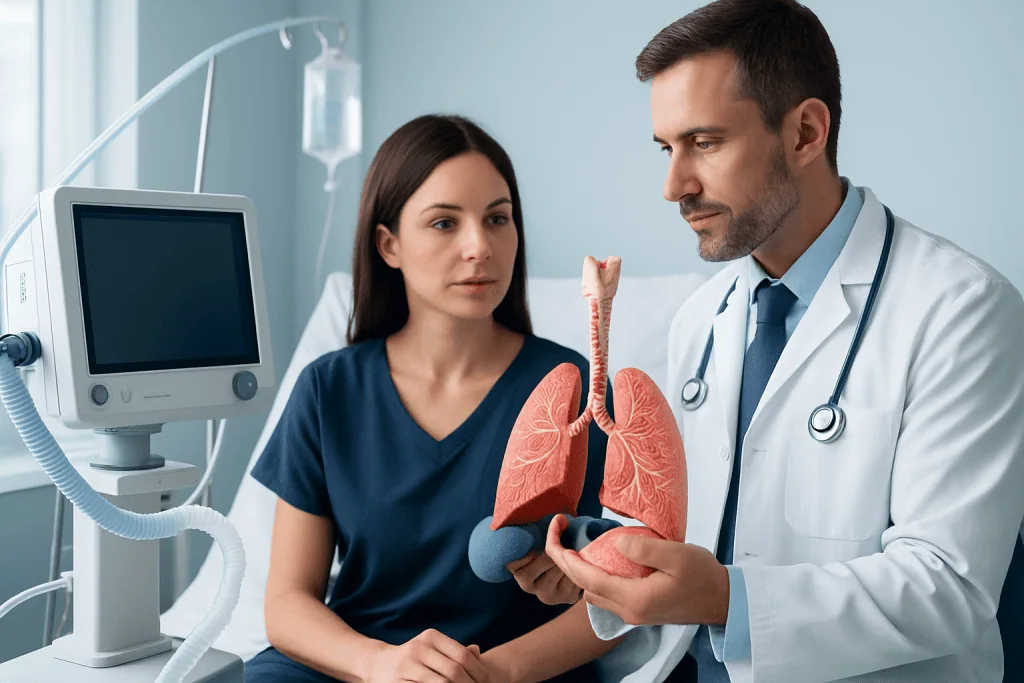
Air enters the body through the nose or mouth. From there, it passes through the throat and voice box and then into the trachea, also called the windpipe. The trachea divides into two main bronchi, one leading to each lung. These branches continue to divide into smaller bronchi and bronchioles, creating a tree-like network inside the lungs.
At the ends of the smallest airways are millions of alveoli. These tiny air sacs have very thin walls and are surrounded by small blood vessels called capillaries. This structure allows oxygen to pass into the bloodstream and carbon dioxide to move out of the blood and into the air to be exhaled.
The lungs sit inside the chest and are protected by the rib cage. The right lung has three lobes, while the left has two to make space for the heart. A thin lining called the pleura covers the lungs and helps them move smoothly during breathing.
- Nose and mouth: entry points for air
- Pharynx and larynx: passageways that help with breathing and speech
- Trachea: the main airway to the lungs
- Bronchi and bronchioles: branching airways inside the lungs
- Alveoli: tiny sacs where gas exchange occurs
- Diaphragm: the main muscle used for breathing
How Breathing and Gas Exchange Work
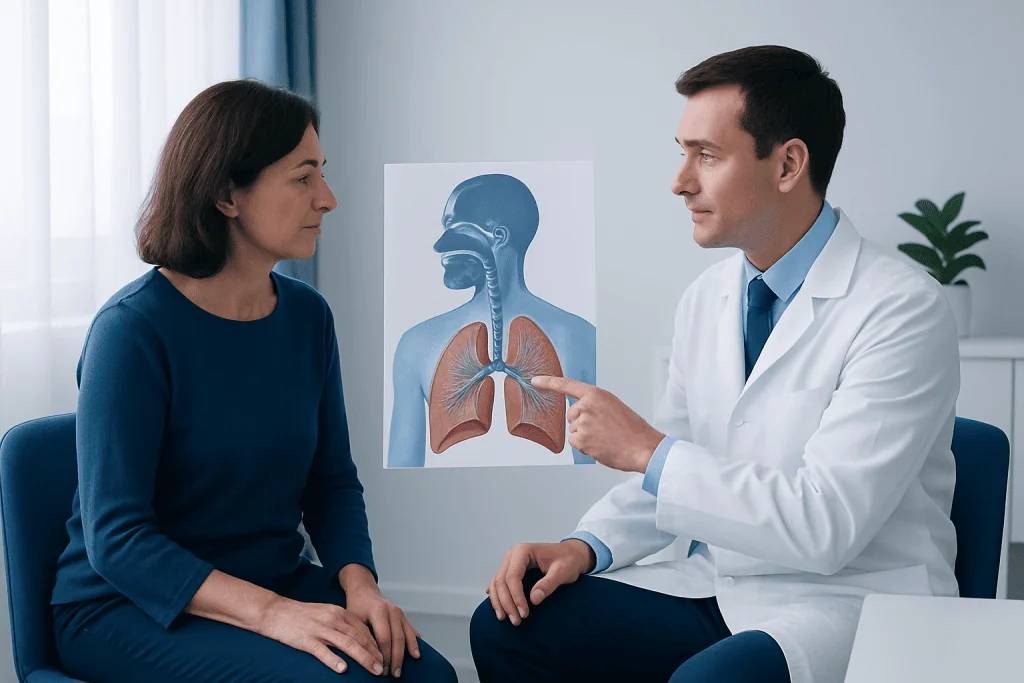
Breathing has two main phases: inhalation and exhalation. During inhalation, the diaphragm moves downward and the chest expands. This lowers pressure inside the chest, allowing air to flow into the lungs. During exhalation, the diaphragm relaxes and moves upward, helping air leave the lungs.
Once air reaches the alveoli, gas exchange begins. Oxygen moves across the thin walls of the alveoli into the capillaries, where it binds to hemoglobin in red blood cells. At the same time, carbon dioxide moves from the blood into the alveoli so it can be exhaled.
This exchange depends on healthy lung tissue, open airways, and good blood flow. Even mild swelling, mucus, or damage in the airways or alveoli can make breathing less efficient. That is why conditions such as asthma or chronic lung disease can affect energy levels, exercise tolerance, and overall wellbeing.
The brain continuously monitors oxygen, carbon dioxide, and blood acidity to adjust the breathing rate. During exercise, fever, stress, or altitude changes, breathing may become faster or deeper to meet the body’s needs.
How the Respiratory System Protects the Body
The lungs are exposed to the outside environment with every breath, so the respiratory system has several protective mechanisms. The nose helps warm and humidify air before it reaches the lungs. Mucus traps dust, allergens, and infectious particles, while cilia sweep them upward so they can be swallowed or coughed out.
Coughing and sneezing are also protective reflexes. They help clear irritants or excess mucus from the airways. Deeper inside the lungs, specialized immune cells identify and remove some harmful organisms and particles that reach the alveoli.
These defenses can become less effective with smoking, air pollution, repeated infections, or some chronic diseases. Over time, irritation may lead to inflammation, narrowing of the airways, or reduced lung elasticity. This is part of why avoiding tobacco smoke and reducing exposure to pollutants is so important for long-term respiratory health.
Common Respiratory Symptoms and What They May Mean
Many respiratory symptoms are caused by short-term infections or irritation, but persistent symptoms deserve attention. Common signs include cough, shortness of breath, wheezing, chest tightness, noisy breathing, and increased mucus production. Some people may also feel unusually tired during activity because their body is working harder to breathe.
A cough can happen with a common cold, allergies, asthma, or more persistent conditions. Wheezing often suggests narrowed airways. Shortness of breath may develop with infections, asthma, chronic obstructive pulmonary disease, heart problems, anemia, or poor physical conditioning, so the cause is not always in the lungs alone.
Symptoms that need prompt medical evaluation include difficulty breathing at rest, bluish lips, confusion, coughing up blood, chest pain, or a sudden drop in oxygen levels if these are being monitored. Ongoing symptoms may lead a doctor to evaluate for conditions such as pneumonia or other lung disorders that affect airway or alveolar function.
How Doctors Evaluate Lung and Airway Function
Doctors begin with a medical history and physical examination. They ask about symptoms, smoking, occupational exposures, allergies, prior infections, family history, and how breathing problems affect daily life. Listening to the lungs with a stethoscope can provide clues such as wheezing, crackles, or reduced airflow.
Several tests may be used depending on the concern. Pulse oximetry measures oxygen saturation in the blood. Spirometry and other pulmonary function tests show how well the lungs move air. Imaging studies such as chest X-ray or MRI may be used in selected situations, although CT scans are often more common for detailed lung imaging.
Blood tests, allergy evaluation, sputum testing, or bronchoscopy may also be recommended. In some people, sleep studies or exercise testing help explain symptoms that occur mainly at night or during exertion. The goal is to understand whether symptoms are due to airway narrowing, infection, inflammation, scarring, blood flow problems, or another cause.
Treatment, Prevention, and Everyday Lung Care
Treatment depends on the cause of respiratory symptoms. Infections may need supportive care or, when appropriate, prescribed medicines. Inflammatory airway conditions may be managed with inhaled treatments, avoidance of triggers, and monitoring. More persistent diseases sometimes benefit from pulmonary rehabilitation, oxygen therapy, or procedures guided by respiratory specialists.
Some breathing problems are linked to overall health. For example, severe obesity can make the chest wall harder to expand and may worsen sleep-related breathing issues. In selected patients, broader treatment planning may include weight management approaches or evaluation through obesity surgery. When structural or complex conditions are being assessed, advanced imaging such as computed tomography (CT) scanning may also play a role.
Everyday habits can make a meaningful difference in lung health:
- Avoid smoking and secondhand smoke.
- Stay current with recommended vaccinations.
- Wash hands regularly to reduce infections.
- Exercise regularly to support lung and heart function.
- Limit exposure to dust, fumes, and air pollution when possible.
- Manage allergies, reflux, and chronic conditions that may affect breathing.
Near the end of the care pathway, some people need multidisciplinary support, especially if symptoms are ongoing or the diagnosis is unclear. Acibadem International’s multidisciplinary specialists in JCI-accredited hospitals diagnose and treat respiratory conditions for international patients, with care tailored to the individual’s needs.
When to See a Doctor
A doctor should assess breathing symptoms that are severe, recurrent, or not improving as expected. This includes a cough lasting more than a few weeks, repeated wheezing, breathlessness with mild activity, frequent chest infections, or sleep disturbed by breathing problems. Even mild symptoms can be worth discussing if they keep returning.
Urgent medical attention is important for sudden shortness of breath, severe chest pain, confusion, blue lips or fingertips, or signs of very low oxygen. Prompt evaluation can help identify serious causes and start treatment quickly.
Regular follow-up is also important for people with known lung conditions, especially if symptoms change. Early assessment often helps prevent complications, improve symptom control, and protect long-term lung function.
Frequently asked questions
What does the respiratory system do?
The respiratory system brings oxygen into the body and removes carbon dioxide. It also helps with speaking, smelling, and protecting the lungs from dust, germs, and irritants.
Where does gas exchange happen in the lungs?
Gas exchange happens in the alveoli, which are tiny air sacs deep inside the lungs. Oxygen passes from the alveoli into the blood, while carbon dioxide moves from the blood into the alveoli to be breathed out.
Why is the nose important for breathing?
The nose helps filter, warm, and humidify incoming air before it reaches the lungs. This makes breathing more comfortable and helps protect the lower airways from irritation and infection.
What symptoms can suggest a lung or airway problem?
Common symptoms include cough, wheezing, shortness of breath, chest tightness, and excess mucus. If these symptoms are severe, keep returning, or do not improve, a doctor should evaluate them.
Can lifestyle habits affect how well the lungs work?
Yes. Smoking, air pollution, poor fitness, and repeated exposure to dust or fumes can reduce lung health over time. Regular physical activity, avoiding tobacco, and preventing infections can help support healthy breathing.
How do doctors check lung function?
Doctors may use a physical exam, pulse oximetry, spirometry, and imaging tests to understand how the lungs and airways are working. The exact tests depend on symptoms, medical history, and the suspected cause.
References
- World Health Organization
- American Lung Association
- National Heart, Lung, and Blood Institute
- Centers for Disease Control and Prevention
- European Respiratory Society
This article is for general information only and is not a substitute for professional medical advice. Please consult a qualified doctor about your individual situation.
Persistent digestive symptoms? Get evaluated in Turkey
JCI-accredited · board-certified surgeons · reply within 24h
Add us as a Preferred Source to see more of our trusted health content across Google Search, AI Overviews and Discover.

More from the Health Library



Related Specialists

Dr. Nihan Yüksel Çanakçı
Dermatology
Fzt. Elif Tokgöz Nizam
Physical Medicine & Rehabilitation
Assoc. Prof. Dr. Fahrettin Kılıç
Radiology
Prof. Dr. Murat Toprak
Otorhinolaryngology