Retrograde amnesia: Symptoms, Causes, and Treatment — Complete Patient Guide

Retrograde amnesia affects memories formed before a medical event, while the ability to make new memories may be less affected or affected separately. Common causes include head injury, stroke, infections, seizures, severe psychological stress, and some neurodegenerative conditions.
Key Takeaways
- Retrograde amnesia affects memories formed before a medical event, while the ability to make new memories may be less affected or affected separately.
- Common causes include head injury, stroke, infections, seizures, severe psychological stress, and some neurodegenerative conditions.
- Diagnosis usually involves a medical history, neurological examination, memory testing, and brain imaging when needed.
- Recovery varies widely and depends on the cause, the severity of brain dysfunction, and how quickly treatment begins.
- New or sudden memory loss should always be assessed promptly by a qualified doctor.
Retrograde amnesia is a type of memory loss that makes it hard to recall events, facts, or experiences from before an injury, illness, or other brain-related problem. Treatment focuses on finding the cause, supporting recovery, and helping the person function safely and confidently in daily life.
Overview: what retrograde amnesia means
Retrograde amnesia is a loss of memories from the period before a brain injury, illness, or other medical event. A person may have trouble remembering recent conversations, personal experiences, or facts learned before the event, while older memories may be partly preserved. In some cases, memory loss affects only a limited time period; in others, it may extend further back.
This condition is different from anterograde amnesia, which mainly affects the ability to form new memories after the event. Some people have features of both. Because memory is supported by several brain regions working together, the pattern of memory loss can vary from person to person.
Retrograde amnesia is not a diagnosis by itself but a symptom of an underlying problem. The cause may be temporary and reversible, such as inflammation, seizures, or severe stress, or it may be linked to a structural brain injury. Early medical evaluation helps clarify the reason and guide treatment.
How symptoms can appear in daily life
The main symptom of retrograde amnesia is difficulty recalling information from before the triggering event. A person may not remember family milestones, recent travel, parts of their work history, or details about relationships. Sometimes memory loss is patchy, with certain events remembered clearly and others missing.
Symptoms often follow a pattern called a temporal gradient, meaning newer memories are more vulnerable than older ones. For example, someone may remember childhood events but struggle to recall the last few months or years. This pattern is not universal, but it is common in several forms of brain-related memory loss.
Other symptoms may occur depending on the cause. These can include headache, confusion, poor concentration, personality or mood changes, dizziness, weakness, speech problems, or seizures. When memory loss appears together with neurological symptoms, urgent assessment is especially important.
- Forgetting personal experiences from before the event
- Difficulty recalling learned facts or familiar information
- Patchy memory gaps affecting certain time periods
- Disorientation about recent life events
- Anxiety or frustration related to missing memories
Causes and risk factors

Retrograde amnesia can develop when brain areas involved in memory storage and retrieval are disrupted. Common causes include traumatic brain injury, concussion, stroke, lack of oxygen to the brain, brain inflammation, encephalitis, seizures, and brain surgery. In some people, severe alcohol-related thiamine deficiency can damage memory circuits and lead to significant amnesia.
Neurodegenerative disorders such as dementia may also affect past memories over time, although the pattern is often broader than classic retrograde amnesia. Emotional trauma and severe psychological stress can sometimes cause dissociative forms of memory loss, where autobiographical memories become difficult to access without clear structural brain injury. In these situations, careful assessment helps distinguish neurological and psychological causes.
Risk factors depend on the underlying condition. They may include older age, vascular risk factors such as high blood pressure or diabetes, repeated head injuries, heavy alcohol use, infections affecting the nervous system, and a history of seizures. Conditions related to the brain and memory may overlap with other neurological problems such as stroke or Alzheimer’s disease, so the broader clinical picture matters.
How doctors diagnose retrograde amnesia
Diagnosis begins with a detailed history from the person and, when possible, family members or close contacts. The doctor asks when memory problems started, whether the onset was sudden or gradual, and whether there was a trigger such as a fall, infection, seizure, or emotional shock. Information about medications, alcohol use, sleep, mood, and previous neurological problems is also important.
A physical and neurological examination helps identify signs of brain or nerve dysfunction. Doctors may check speech, balance, strength, coordination, attention, and orientation. Standardized cognitive or neuropsychological tests can assess different types of memory and help distinguish retrograde memory loss from problems with attention, language, or the ability to store new information.
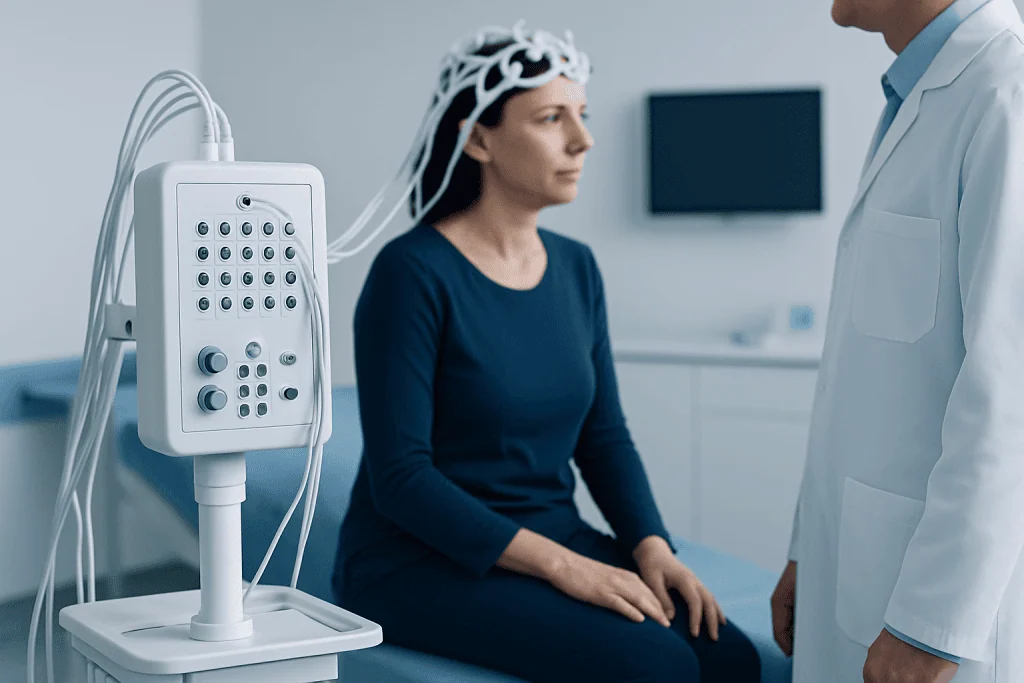
Further tests depend on the suspected cause. These may include blood tests, MRI imaging of the brain, CT scans in urgent settings, electroencephalography if seizures are suspected, or other evaluations guided by symptoms. If a stroke or another acute neurological condition is possible, urgent assessment is needed because timely treatment can affect outcome.
Treatment options and what recovery may involve
There is no single treatment that restores all lost memories in every case. Care focuses first on treating the underlying cause. This may include emergency treatment for a neurological event, management of infection or inflammation, control of seizures, correction of vitamin deficiency, or support for mental health conditions. If the problem follows head injury or a structural brain disorder, treatment is tailored to the specific findings.
Rehabilitation is often an important part of care. Cognitive rehabilitation may help people use strategies to improve function, such as memory notebooks, smartphone reminders, structured routines, and environmental cues. When communication, attention, or executive functioning are also affected, a broader rehabilitation plan may be useful and can include neurological rehabilitation.
Psychological support can also matter, especially if memory loss is distressing or related to trauma. Family education helps relatives respond calmly and consistently without pressuring the person to remember. In selected cases, multidisciplinary evaluation may include neurology and neurosurgery teams when structural brain disease, complications, or surgical causes are involved.
Recovery is highly variable. Some people regain memories gradually over days to months, especially when the cause is temporary or treatable. Others improve in daily functioning even if some memory gaps remain. Near the end of the care journey, patients seeking international evaluation may wish to know that Acibadem International’s multidisciplinary specialists and JCI-accredited hospitals diagnose and treat memory-related neurological conditions for international patients.
Living with retrograde amnesia: practical self-care and support
Daily life can feel unsettled when past memories are incomplete. Practical supports can reduce stress and improve independence. Simple tools such as calendars, labeled photographs, written timelines, medication organizers, and phone reminders may help the person reconnect with routines and important information. A calm, predictable environment often makes coping easier.
Good general brain health is also important. Adequate sleep, regular meals, hydration, physical activity suited to the person’s condition, and avoiding alcohol or recreational drugs can all support recovery. Family members should use gentle reminders rather than confrontation, because pressure can increase anxiety and make recall harder.
If work, driving, financial management, or medication use are affected, extra supervision may be needed until a clinician advises that these activities are safe. People should follow medical guidance after head injury, seizure, stroke, or infection, including rest, rehabilitation, and follow-up appointments. Emotional support from counseling or support groups may help the person and family adjust.
When to seek medical care
Any new, sudden, or unexplained memory loss should be assessed by a doctor. Memory changes can be a sign of a serious neurological problem, especially when they begin after a head injury or occur with weakness, severe headache, fever, confusion, trouble speaking, seizures, or loss of consciousness. Prompt evaluation helps identify emergencies and can improve treatment planning.
Non-urgent but persistent memory problems also deserve medical attention, particularly if they interfere with work, relationships, daily tasks, or personal safety. A person should seek follow-up care if symptoms are worsening, mood changes are significant, or family members notice disorientation or personality changes. If the person cannot provide a clear history, someone close to them should accompany them to the appointment.
Emergency care is especially important if symptoms suggest an acute neurological event such as a brain tumor complication, stroke, serious infection, or seizure disorder. When in doubt, it is safest to treat sudden memory loss as a medical concern rather than waiting for it to pass.
Frequently asked questions
Is retrograde amnesia permanent?
Not always. Some people recover part or much of their lost memory, especially when the cause is temporary or treatable. Others may continue to have lasting gaps, even if they improve in day-to-day functioning.
What is the difference between retrograde and anterograde amnesia?
Retrograde amnesia affects memories formed before an injury or illness. Anterograde amnesia mainly affects the ability to create new memories after the event. A person can have one type, or a combination of both.
Can stress cause retrograde amnesia?
In some cases, severe psychological stress or trauma can lead to dissociative memory loss, which may affect autobiographical memories. This is different from memory loss caused by stroke, head injury, or infection. A medical assessment is important to rule out neurological causes.
How do doctors test for retrograde amnesia?
Doctors usually combine a clinical interview, neurological examination, and memory or cognitive testing. They may also use brain imaging, blood tests, or seizure testing depending on the symptoms and suspected cause. Family input is often very helpful during assessment.
Can retrograde amnesia happen after a concussion?
Yes. A concussion or more serious head injury can disrupt memory and may cause loss of recall for events that happened before the injury. The duration and extent of memory loss can vary, so medical follow-up is important.
Is there a medicine that restores lost memories?
There is no single medicine that reliably brings back all lost memories. Treatment focuses on the underlying cause, such as seizures, inflammation, vitamin deficiency, or another neurological condition. Rehabilitation and supportive strategies are often just as important as medical treatment.
References
- National Institute of Neurological Disorders and Stroke
- National Institute on Aging
- Mayo Clinic
- Cleveland Clinic
- Merck Manual Consumer Version
This article is for general information only and is not a substitute for professional medical advice. Please consult a qualified doctor about your individual situation.
Explore treatments in Turkey — costs, top hospitals & a free quote
JCI-accredited · board-certified surgeons · reply within 24h
Add us as a Preferred Source to see more of our trusted health content across Google Search, AI Overviews and Discover.
Check your numbers in seconds
BMI, calories, due date, blood pressure and 30+ more clinical calculators — free, instant, doctor-reviewed ranges.