Revision After Gastric Sleeve Surgery: Why It May Be Needed

Revision after gastric sleeve surgery is not routine, but it can be appropriate for certain medical or weight-related problems. Common reasons include severe reflux, weight regain, inadequate weight loss, narrowing, and other structural complications.
Key Takeaways
- Revision after gastric sleeve surgery is not routine, but it can be appropriate for certain medical or weight-related problems.
- Common reasons include severe reflux, weight regain, inadequate weight loss, narrowing, and other structural complications.
- The best revision depends on the cause and may involve medical treatment, endoscopy, or another bariatric operation.
- A detailed assessment usually includes nutrition review, blood tests, imaging, and endoscopy.
- Long-term success after revision still depends on follow-up care, eating habits, activity, and vitamin supplementation.
Revision after gastric sleeve surgery is sometimes recommended when the original procedure does not provide the expected result or when symptoms and complications develop later. A careful evaluation helps identify the reason and guides the safest, most effective next step.
Overview
Revision after gastric sleeve surgery refers to a second procedure or intervention performed after an earlier sleeve gastrectomy. The goal is not simply to “repeat” the first surgery. Instead, revision is used to address a specific problem, such as severe acid reflux, inadequate weight loss, weight regain, narrowing of the stomach, or another complication affecting health or quality of life.
A sleeve gastrectomy reduces the size of the stomach and changes hunger-related hormones, helping many people lose significant weight. Even so, bodies and medical conditions vary. Some patients do very well for years, while others develop symptoms or find that the original operation no longer meets their needs. In these situations, a specialist may consider revisional bariatric surgery as part of a broader treatment plan.
Revision is usually more complex than a first bariatric operation, so the decision is made carefully. The care team looks at the patient’s symptoms, eating pattern, previous operative notes if available, anatomy of the stomach, and overall health. The aim is to improve safety, symptom control, and long-term weight management with a treatment tailored to the individual rather than a one-size-fits-all approach.
Why Revision May Be Needed
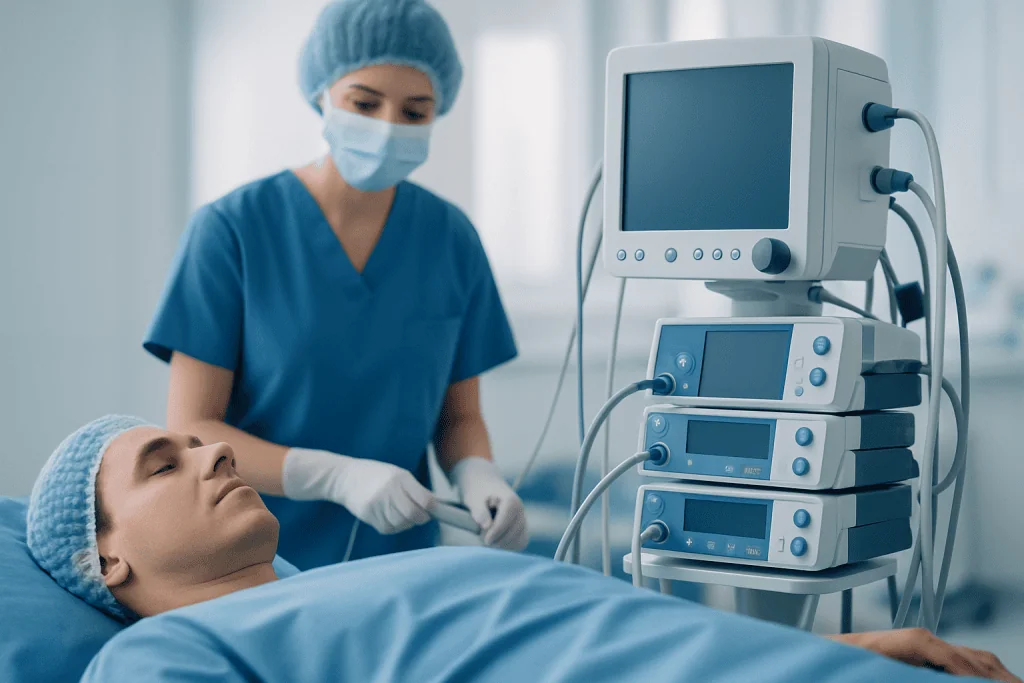
One common reason for revision after gastric sleeve surgery is persistent or severe gastroesophageal reflux disease. Some people develop troublesome heartburn, regurgitation, chest discomfort, chronic cough, or inflammation of the esophagus after a sleeve. If symptoms continue despite medication and lifestyle changes, a revision may be considered, often to change the stomach anatomy in a way that reduces reflux.
Another reason is inadequate weight loss or weight regain. This can happen for several reasons, including gradual stretching of the stomach pouch, hormonal and metabolic factors, emotional eating, reduced physical activity, or untreated medical conditions. Sometimes weight regain is related to the ongoing effects of morbid obesity and requires a more comprehensive plan than surgery alone.
Revision may also be needed for mechanical or structural problems. These can include narrowing or twisting of the sleeve, chronic nausea or vomiting, difficulty swallowing, staple line issues, or a hiatal hernia that worsens reflux symptoms. In some patients, pain or a bulge near a previous incision may suggest an incisional hernia, which needs separate assessment and may be repaired depending on the situation.
Importantly, not every problem after a sleeve requires another operation. Some concerns improve with nutrition counseling, medication, behavioral support, or endoscopic treatment. A revision is usually considered only after the cause is clearly identified and less invasive options have been reviewed.
Symptoms and Signs That Deserve Evaluation

Symptoms that may lead to evaluation for gastric sleeve revision include frequent heartburn, sour taste in the mouth, regurgitation, nausea, vomiting, pain after eating, or trouble tolerating solid foods. These symptoms do not always mean revision is necessary, but they do suggest that the stomach and esophagus should be assessed carefully.
Weight-related concerns can also be a reason to seek medical review. For example, a patient may notice that weight loss has stopped very early, significant weight has returned after an initial good result, or obesity-related conditions such as sleep apnea, high blood pressure, or type 2 diabetes are not improving as expected. These concerns may point to behavioral, metabolic, or anatomical factors.
Other signs may suggest nutritional strain or poor intake, such as fatigue, hair thinning, dizziness, weakness, or symptoms of vitamin deficiency. Blood tests can help determine whether the body is receiving enough iron, vitamin B12, folate, vitamin D, calcium, protein, and other nutrients. In some cases, nutritional problems result from eating difficulties rather than from the sleeve itself.
Any severe abdominal pain, dehydration, repeated vomiting, black stools, or difficulty swallowing should be evaluated promptly. These symptoms can have different causes, and timely medical review helps determine whether urgent treatment is needed.
How Doctors Find the Cause
Before recommending revision after gastric sleeve surgery, specialists usually perform a detailed review. This includes the patient’s weight history, current symptoms, medications, previous surgeries, mental health, sleep, eating behaviors, alcohol intake, and physical activity. Understanding the full picture is important because revision works best when the underlying cause is clearly defined.
Several tests may be used to study the anatomy and function of the upper digestive tract. An upper endoscopy can look for inflammation, ulcers, narrowing, twisting, a hiatal hernia, or changes in the shape of the sleeve. A contrast swallow study may show how food and liquid pass through the stomach. In selected cases, imaging or other functional tests may also be useful.
Laboratory testing is equally important. Blood work helps check for nutritional deficiencies, anemia, thyroid problems, glucose control, liver function, and other conditions that can affect weight or recovery. A dietitian often assesses meal structure, protein intake, liquid calories, grazing, binge eating, and supplement use. This helps distinguish anatomical problems from lifestyle or metabolic ones.
The evaluation should also clarify the patient’s goals. Some individuals mainly need relief from reflux, while others are most concerned about renewed weight loss. Because different problems may require different solutions, choosing the right strategy is often more important than choosing the most aggressive one.
Treatment Options for Revision After Gastric Sleeve Surgery
Treatment depends on the reason revision is being considered. If symptoms are mild and anatomy is acceptable, doctors may first recommend non-surgical measures such as acid-suppressing medication, structured nutrition support, behavioral therapy, exercise planning, and treatment of contributing conditions. Endoscopic options may help certain narrowing or outlet problems, especially when symptoms involve vomiting or difficulty eating.
When surgery is needed, one common option is converting the sleeve to a gastric bypass. This is often considered for severe reflux, some types of weight regain, or inadequate weight loss. Because gastric bypass changes the route of food and reduces acid exposure in the esophagus, it can be especially helpful when reflux is the main issue.
In selected cases, the surgeon may revise the sleeve itself, repair a hiatal hernia, or address another structural issue identified on testing. The approach varies depending on the original anatomy, scar tissue, and the patient’s nutritional and medical status. Many revisional procedures are performed using minimally invasive techniques such as gastric laparoscopic surgery, though this depends on surgical history and complexity.
Some patients benefit from a broader review of available gastric sleeve surgery and revision pathways before deciding on the next step. The most suitable option should balance symptom relief, expected weight outcomes, risks of reoperation, and the patient’s ability to follow long-term aftercare.
Recovery, Risks, and Long-Term Success
Recovery after revision after gastric sleeve surgery depends on the type of procedure performed, the patient’s overall health, and whether the surgery was done laparoscopically. In general, recovery may be somewhat more demanding than after the original sleeve because revisional surgery involves scar tissue and altered anatomy. Patients usually need close follow-up for hydration, pain control, diet progression, and vitamin supplementation.
As with any surgery, revision carries risks. These may include bleeding, infection, leakage, blood clots, narrowing, ulcers, or nutritional deficiencies. The exact risk varies widely according to the reason for surgery, the specific procedure, and the patient’s medical history. This is why revisions are best planned by experienced bariatric teams with input from surgeons, gastroenterologists, dietitians, and anesthesia specialists.
Long-term success depends on more than the technical result of surgery. Patients often need structured eating habits, regular protein intake, avoidance of frequent high-calorie liquids, lifelong vitamin and mineral monitoring, and gradual physical activity. Emotional support can also be essential, especially if stress, trauma, depression, or disordered eating patterns have affected weight control.
For international patients seeking complex bariatric care, Acibadem International’s multidisciplinary specialists and JCI-accredited hospitals diagnose and treat revision needs with individualized planning and follow-up.
Prevention, Self-Care, and When to See a Doctor
Not all causes of revision can be prevented, but careful long-term follow-up after the original sleeve may reduce some risks. Helpful steps include attending routine bariatric appointments, taking prescribed supplements, prioritizing protein, limiting calorie-dense liquids, staying physically active, and seeking support early if weight regain or reflux begins. Early intervention is often simpler than waiting until symptoms become severe.
Patients should also remember that weight regain is not always a sign of failure or lack of willpower. Metabolism, hormonal adaptation, stress, sleep problems, medications, and medical conditions can all contribute. A supportive clinical review can identify whether the main need is nutrition counseling, medication adjustment, psychological support, endoscopy, or surgery.
Medical advice should be sought if there is ongoing heartburn, regurgitation, vomiting, difficulty swallowing, abdominal pain, poor oral intake, or concern about significant weight regain. Prompt evaluation is also important for symptoms of deficiency such as fatigue, numbness, weakness, or dizziness.
Urgent care is needed for severe abdominal pain, repeated vomiting with inability to keep fluids down, signs of gastrointestinal bleeding, chest pain, shortness of breath, or symptoms of dehydration. These symptoms may have several causes, but timely assessment helps protect recovery and overall health.
Frequently asked questions
Is revision after gastric sleeve surgery common?
It is not routine, but it is an established option for some patients. Revision is considered when there is a clear medical or weight-related reason, such as severe reflux, a structural problem, inadequate weight loss, or significant weight regain.
Can weight regain after a gastric sleeve always be fixed with surgery?
No. Weight regain may be related to anatomy, metabolism, eating patterns, mental health, sleep, medications, or several factors together. Surgery can help in selected cases, but many patients also need nutrition, behavioral, and medical support for the best long-term result.
What is the most common revision after a sleeve gastrectomy?
A common revisional option is conversion to gastric bypass, especially when reflux is severe or the sleeve is no longer giving enough benefit. However, the best choice depends on the person’s anatomy, symptoms, and health goals.
Will reflux go away after revision surgery?
Many patients experience improvement, particularly when revision addresses the anatomical cause of reflux. Even so, outcomes vary, and some people may still need medication or ongoing follow-up after treatment.
Is revisional bariatric surgery riskier than first-time surgery?
In many cases, yes, because revision involves scar tissue and altered anatomy. That does not mean it is unsafe, but it does mean careful assessment, experienced surgeons, and structured follow-up are especially important.
How do doctors decide whether someone needs a revision?
Doctors combine symptoms, weight history, blood tests, imaging, endoscopy, and nutritional assessment to understand the cause of the problem. The decision is based on whether revision is likely to improve health more effectively than non-surgical treatment alone.
References
- American Society for Metabolic and Bariatric Surgery
- National Institute of Diabetes and Digestive and Kidney Diseases
- National Institute for Health and Care Excellence
- Society of American Gastrointestinal and Endoscopic Surgeons
- World Health Organization
This article is for general information only and is not a substitute for professional medical advice. Please consult a qualified doctor about your individual situation.
Gastric Sleeve Surgery in Turkey — costs, top hospitals & a free quote
JCI-accredited · board-certified surgeons · reply within 24h
Add us as a Preferred Source to see more of our trusted health content across Google Search, AI Overviews and Discover.
Check your numbers in seconds
BMI, calories, due date, blood pressure and 30+ more clinical calculators — free, instant, doctor-reviewed ranges.

Bariatric & Metabolic Surgery
Surgical and endoscopic treatments for obesity and metabolic conditions.