Rhinoplasty Before & After: What Realistic Results Look Like
Realistic rhinoplasty results focus on facial harmony, nasal function, and the individual’s anatomy rather than copying another person’s nose. Most visible bruising and swelling improve in the first few weeks, while subtle swelling may take many months to settle.
Key Takeaways
- Realistic rhinoplasty results focus on facial harmony, nasal function, and the individual’s anatomy rather than copying another person’s nose.
- Most visible bruising and swelling improve in the first few weeks, while subtle swelling may take many months to settle.
- A qualified surgeon assesses nasal structure, skin thickness, breathing, health history, and personal goals before recommending surgery.
- Before-and-after photographs should be viewed carefully because lighting, angle, healing stage, and individual anatomy affect appearance.
- Rhinoplasty has potential benefits and risks, so informed discussion and appropriate follow-up are important.
Rhinoplasty before and after results can show meaningful changes in nasal shape, proportion, and sometimes breathing, but the outcome should look balanced with the person’s overall facial features rather than “perfect.” Early photographs may not reflect the final result because swelling improves gradually, particularly around the nasal tip.
What Rhinoplasty Before and After Results Realistically Look Like
Rhinoplasty before and after comparisons can help people understand the possible effects of surgery, but they should be interpreted as examples rather than promises. Rhinoplasty reshapes the nose to improve proportion, correct a structural concern, restore appearance after injury, or support nasal breathing. The most natural-looking outcomes generally preserve the person’s individual facial character while addressing agreed concerns.
Immediately after surgery, the nose is swollen and may appear wider, higher, uneven, or less defined than expected. This is a normal part of healing. Bruising often settles within a few weeks, but refinement of the bridge and tip continues gradually. For many people, a more stable result becomes apparent over several months, while final subtle changes can continue for up to a year or longer.
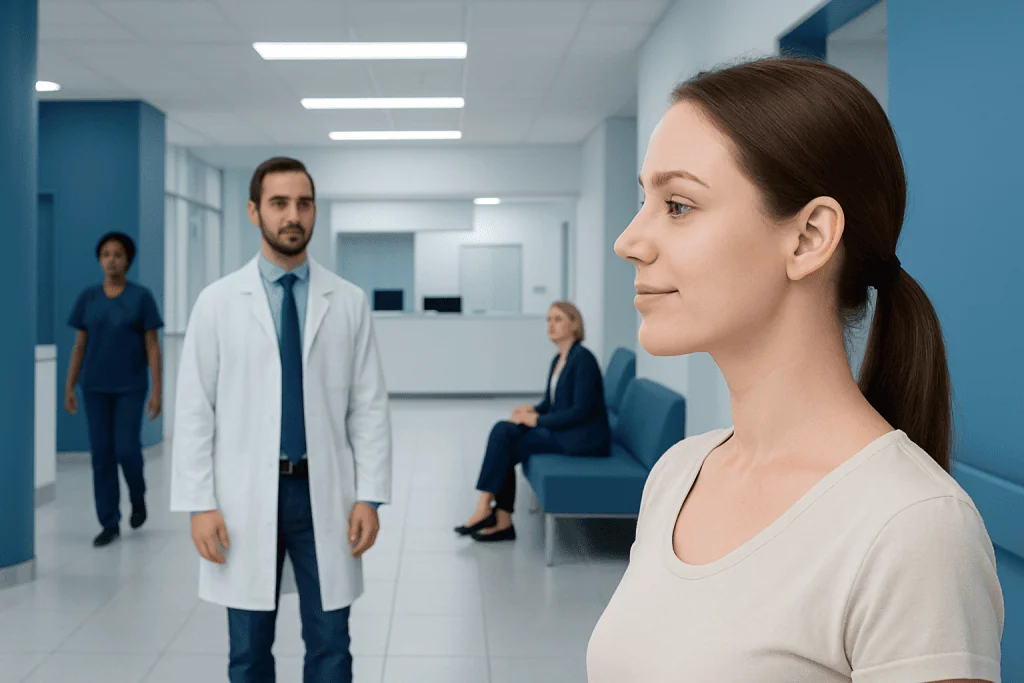
A useful before-and-after discussion considers more than front-view photographs. Surgeons assess the nose from the front, side, base, and three-quarter views, as well as how it relates to the chin, lips, cheeks, forehead, and eyes. If breathing is a concern, the internal nasal structures also need careful assessment.
What Can Affect the Final Appearance?
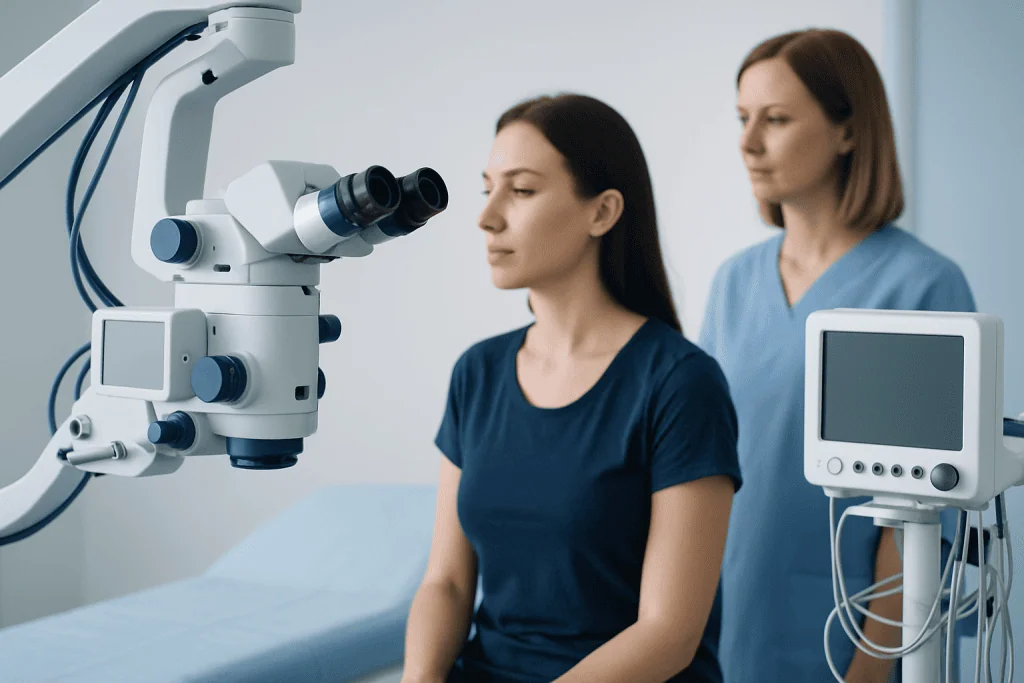
Rhinoplasty results differ from person to person because every nose has a unique framework of bone, cartilage, skin, and soft tissue. Skin thickness can influence how sharply the nasal tip and bridge become defined. A thicker skin envelope may take longer to settle, while thin skin can make small underlying irregularities more noticeable.
The starting anatomy also matters. Changes to a dorsal hump, a wide bridge, nostril shape, tip projection, or a crooked nose may each require different techniques. Previous injury, previous nasal surgery, scar tissue, and asymmetry can make treatment planning more complex. Complete symmetry is not always possible because mild facial asymmetry is common.
Healing is influenced by individual factors such as smoking or nicotine exposure, medical conditions, medications, skin quality, and following aftercare advice. A surgeon can explain which changes are achievable, which are less predictable, and whether the person’s goals are compatible with safe surgery.
How Rhinoplasty Works and Who May Be a Candidate
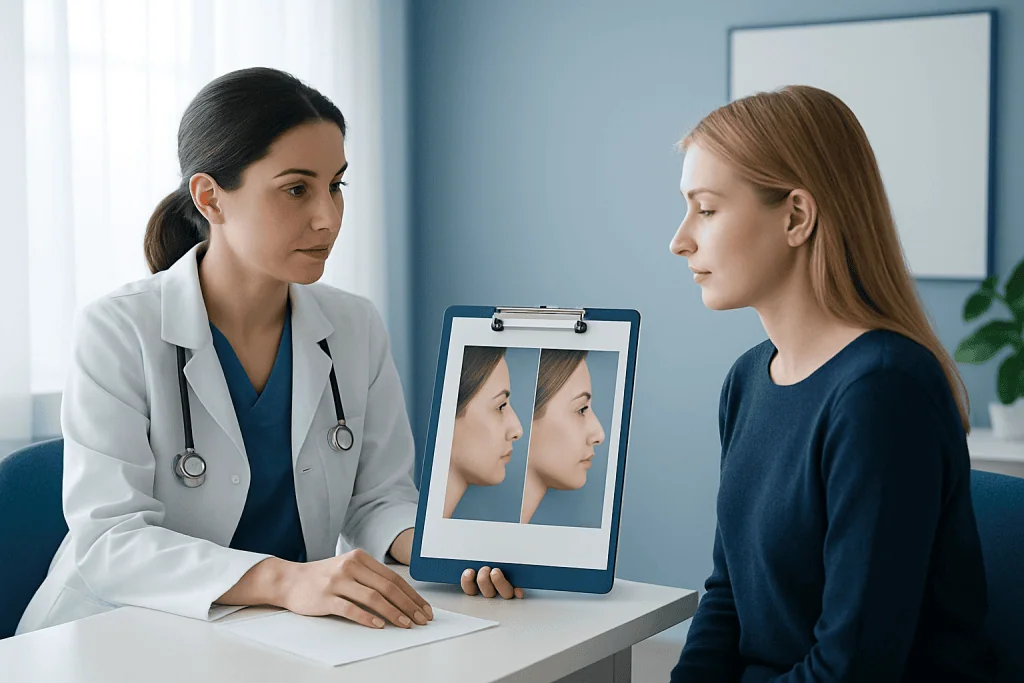
Rhinoplasty is a surgical procedure that changes the external shape of the nose, its internal support structures, or both. It may be performed for cosmetic reasons, functional reasons such as impaired airflow, or a combination of the two. For a detailed overview of planning and surgical approaches, see rhinoplasty treatment.
Potential candidates are generally adults in good overall health who have a stable nasal structure, clear goals, and an understanding that surgery can improve rather than create perfection. In younger patients, surgery is usually considered only after nasal growth is sufficiently developed, except in selected reconstructive or functional circumstances assessed by a specialist.
During consultation, the surgeon asks about previous surgery or trauma, allergies, obstruction, sleep symptoms, medicines, smoking or nicotine use, and expectations. Examination may include assessment of the septum, nasal valves, turbinates, skin, and facial proportions. If a structural problem such as a deviated septum is contributing to blockage, it may be discussed alongside rhinoplasty planning.
- Suitable goals are specific, personal, and anatomically achievable.
- Good candidates can allow adequate time for recovery and follow-up.
- People with body-image concerns or uncertain expectations may benefit from additional discussion before deciding.
What Happens During the Procedure?
Rhinoplasty is commonly performed under general anaesthesia. Depending on the planned changes, the surgeon may use a closed approach, with incisions inside the nostrils, or an open approach, which includes a small incision across the skin between the nostrils. The choice depends on the anatomy, the complexity of the procedure, and the surgeon’s assessment.
The surgeon may reshape bone or cartilage, straighten internal structures, narrow or refine selected areas, or use cartilage grafts to support the nose. Cartilage may sometimes be taken from within the nose and, in more complex cases, from another appropriate area of the body. Functional techniques may be combined with cosmetic reshaping when breathing needs to be protected or improved.
At the end of surgery, a splint may be placed on the outside of the nose, and internal support may be used in some cases. The procedure plan is individualized. Digital imaging, if used during consultation, is a communication tool and not a guarantee of an exact postoperative appearance.
Recovery Timeline: From Early Swelling to Final Refinement
Recovery is gradual. During the first days, people commonly experience nasal congestion, swelling, mild discomfort, and bruising around the eyes. The head is usually kept elevated, and strenuous activity is avoided according to the surgeon’s instructions. Any pain relief, wound care, and return-to-work advice should follow the individual clinical plan.
In many cases, the external splint is removed after about one week. Bruising often fades over the following one to two weeks, although this varies. Many people feel comfortable returning to desk-based work or social activities after this early period, but the nose can still look swollen and should be protected from accidental pressure or injury.
Over the next weeks and months, swelling continues to reduce. The bridge may settle earlier than the tip, and small day-to-day variations in swelling can occur. Contact sports, heavy exercise, eyewear pressure, sun exposure, and nose blowing may need temporary modification. The operating team provides specific guidance based on the procedure performed.
Benefits, Limitations, and Possible Risks
Potential benefits of rhinoplasty include improved balance between nasal features and the rest of the face, correction of a concern present since birth or after trauma, and improved airflow when appropriate structural causes are addressed. Some people also report greater comfort with their appearance. These benefits are personal and should be considered alongside the recovery process and limitations of surgery.
As with any operation, rhinoplasty carries risks. These can include bleeding, infection, prolonged swelling, scarring, numbness, asymmetry, changes in smell, breathing difficulties, dissatisfaction with appearance, or a need for further surgery. Rare complications may be more serious. A surgeon can explain the risks that are most relevant to the individual’s health and planned technique.
Revision rhinoplasty may be considered when healing is complete and a significant functional or cosmetic concern remains. It is typically more complex than first-time surgery because scar tissue and reduced cartilage support can affect planning. Waiting until the nose has adequately healed helps prevent premature decisions based on temporary swelling.
How to Review Before-and-After Examples Safely
Before-and-after images are most informative when they show consistent lighting, camera distance, head position, and multiple angles. It is also useful to know how long after surgery the postoperative image was taken. A photograph at two weeks shows an early healing stage, whereas a photograph at one year more closely reflects the mature result.
People considering rhinoplasty may ask to see examples of patients with similar nasal features, skin thickness, or goals. However, even closely similar cases can heal differently. A responsible consultation uses examples to explain techniques and likely directions of change, not to suggest that one person’s result can be reproduced exactly in another person.
It can help to write down priorities before a consultation, such as breathing, profile balance, tip shape, or correction after injury. Discussing which concerns are most important enables a more focused treatment plan. Acibadem International’s multidisciplinary specialists and JCI-accredited hospitals diagnose and treat nasal concerns for international patients.
When to Seek Medical Care
Anyone considering rhinoplasty should arrange an assessment with a qualified plastic surgeon or ear, nose, and throat specialist with relevant surgical experience. A medical review is particularly important for persistent nasal blockage, repeated nosebleeds, snoring or sleep-related breathing symptoms, previous nasal injury, or prior nasal surgery.
After rhinoplasty, the surgical team should be contacted promptly for worsening pain, heavy or persistent bleeding, fever, increasing redness, unusual discharge, sudden marked swelling, breathing difficulty, or concerns about the healing incision. Emergency care may be needed for severe breathing problems, symptoms of a serious allergic reaction, or uncontrolled bleeding.
Follow-up visits are an important part of care because the surgeon can monitor healing, answer questions, and advise when normal activities can be resumed. Concerns about appearance are also appropriate to discuss at follow-up, particularly because early swelling can temporarily change the perceived result.
Frequently asked questions
How long does it take to see rhinoplasty before and after results?
Early changes are visible after the initial splint is removed, but swelling means the nose is not yet in its final form. Bruising often improves within weeks, while more refined changes develop over months. The nasal tip may take the longest to settle.
Will rhinoplasty make the nose look completely symmetrical?
Rhinoplasty can improve visible asymmetry, but complete symmetry is not always achievable or necessary for a natural result. Most faces and noses have some natural asymmetry. The aim is usually a balanced appearance and, when needed, stable nasal function.
Can rhinoplasty improve breathing as well as appearance?
It can, when breathing problems are related to treatable structural issues such as septal deviation or weak nasal valves. Cosmetic changes should be planned carefully so they do not compromise airflow. A specialist examination helps determine whether functional surgery should be combined with rhinoplasty.
Are computer-generated rhinoplasty images guaranteed results?
No. Imaging can help a patient and surgeon discuss goals and possible changes, but it cannot account for every aspect of anatomy and healing. It should be used as a communication aid, not as a guarantee.
When can a person return to work after rhinoplasty?
Many people return to non-strenuous work after around one to two weeks, depending on swelling, bruising, comfort, and the nature of their job. Activities that could raise blood pressure or risk impact to the nose may need to wait longer. The surgeon’s individualized advice should guide return to work and exercise.
Can rhinoplasty be repeated if the result is not as expected?
Further surgery may be possible, but it is usually considered only after adequate healing and a careful assessment of the concern. Revision procedures can be more complex because of scar tissue and changes to cartilage support. A qualified surgeon can explain whether revision surgery is appropriate.
References
- American Society of Plastic Surgeons
- American Academy of Otolaryngology–Head and Neck Surgery
- National Health Service
- Mayo Clinic
This article is for general information only and is not a substitute for professional medical advice. Please consult a qualified doctor about your individual situation.
Rhinoplasty in Turkey — costs, top hospitals & a free quote
JCI-accredited · board-certified surgeons · reply within 24h
Add us as a Preferred Source to see more of our trusted health content across Google Search, AI Overviews and Discover.