Risk of Second Heart Attack after Stent: An Evidence-Based Patient Guide

A stent treats a narrowed or blocked section of a coronary artery but does not cure coronary artery disease. Taking antiplatelet medicines exactly as prescribed is especially important after stent placement.
Key Takeaways
- A stent treats a narrowed or blocked section of a coronary artery but does not cure coronary artery disease.
- Taking antiplatelet medicines exactly as prescribed is especially important after stent placement.
- The chance of another heart attack varies widely according to heart function, the extent of artery disease, diabetes, smoking, kidney disease, and treatment adherence.
- New chest pressure, shortness of breath, fainting, or cold sweating needs urgent medical assessment.
- Many people live for decades after a heart attack with appropriate treatment, follow-up, and risk-factor control.
The risk of a second heart attack after a stent is usually lower when the stent restores blood flow and the person takes prescribed medicines, but it is not zero because coronary artery disease can continue in other parts of the heart arteries. Long-term prevention focuses on antiplatelet treatment, cholesterol and blood-pressure management, cardiac rehabilitation, and sustainable lifestyle changes.
Risk of Second Heart Attack After Stent: The Short Answer
The risk of second heart attack after stent is lower for many people because a stent can promptly improve blood flow through a severely narrowed or blocked coronary artery. However, a stent does not remove the underlying tendency to develop fatty plaque in the heart arteries, so a future heart attack can still occur in the treated artery or elsewhere.
Individual risk cannot be predicted from the stent alone. It depends on why the stent was needed, whether the first event was a heart attack, how much coronary artery disease is present, heart pumping function, other health conditions, and how consistently preventive treatment is followed. A cardiologist can estimate personal risk using the full clinical picture rather than a single percentage.
For many patients, the most effective next steps are to take prescribed antiplatelet and cholesterol-lowering medicines, attend follow-up appointments and cardiac rehabilitation, avoid tobacco, and manage blood pressure, diabetes, weight, sleep, and physical activity. These measures help protect both the stent and the rest of the cardiovascular system.
Why a Heart Attack Can Still Happen After a Stent
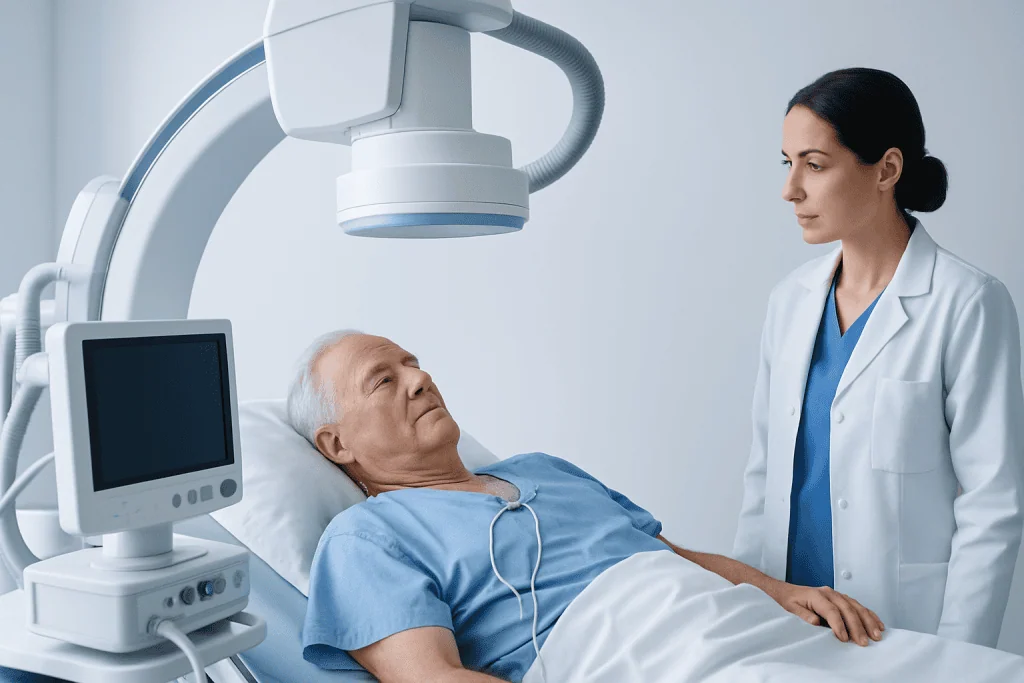
Most heart attacks occur when a cholesterol-containing plaque in a coronary artery ruptures or erodes and a blood clot suddenly limits blood flow to heart muscle. During coronary angioplasty, a small balloon is used to open a narrowed artery and a metal mesh tube called a stent is usually left in place to help keep it open. This procedure is commonly called percutaneous coronary intervention, or PCI.
Modern drug-eluting stents slowly release medicine that reduces tissue growth inside the device. They have improved outcomes substantially, but they do not prevent new plaque from developing in untreated areas. A later heart attack may result from progression of coronary artery disease in another artery, narrowing within the stent, or, less commonly, a clot forming in the stent.
Stent thrombosis is an uncommon but serious complication that can cause a heart attack, often with sudden symptoms. The risk is greatest when antiplatelet medicines are stopped too early or taken inconsistently, although a clinician may need to adjust these medicines if bleeding or another procedure creates a concern. Patients should never stop aspirin, a second antiplatelet medicine, or other heart medicines without discussing it with the prescribing clinician.
Coronary artery disease is a long-term condition. Understanding coronary artery disease as a whole-body vascular problem, rather than viewing a stent as a permanent cure, supports realistic expectations and sustained prevention.
What Is the Likelihood of Having a Second Heart Attack After Having a Stent?
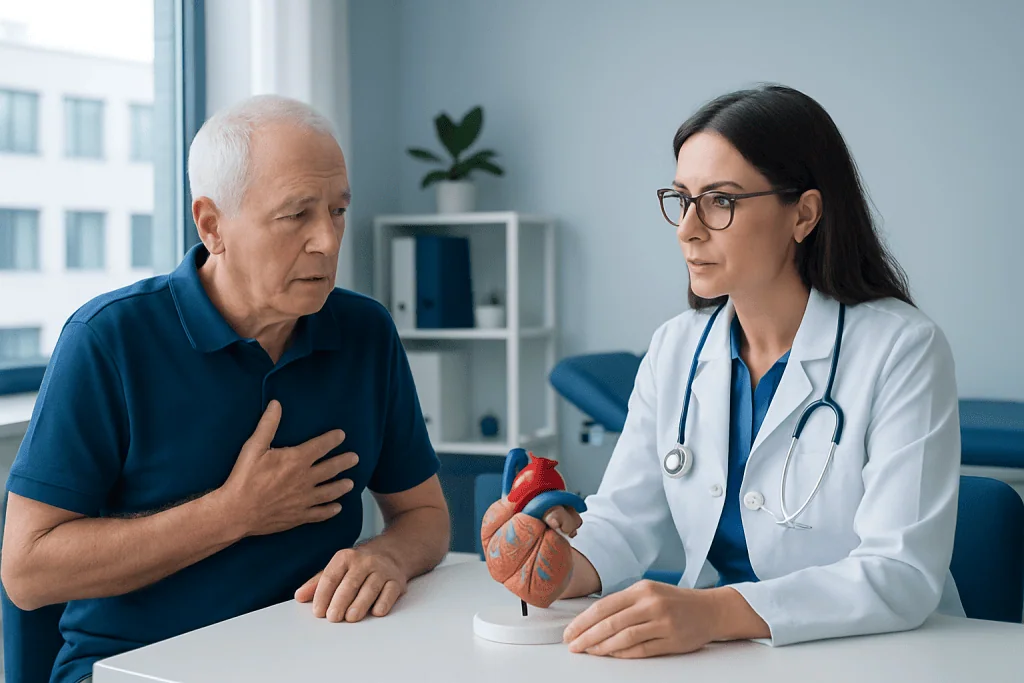
There is no single likelihood that applies to everyone after stent placement. Outcomes vary according to whether PCI was performed during an acute heart attack or for stable angina, the number and complexity of narrowed arteries, the amount of heart muscle affected, age, and conditions such as diabetes, chronic kidney disease, high blood pressure, and high cholesterol.
Risk also changes over time. In the early period after the procedure, correct use of antiplatelet therapy and follow-up are especially important for preventing clotting in or near the stent. Over the longer term, risk is influenced more by the ongoing progression of atherosclerosis and by control of risk factors throughout the body.
Smoking or nicotine use, uncontrolled LDL cholesterol, untreated high blood pressure, diabetes that is difficult to manage, inactivity, and not taking prescribed medicine can all increase the chance of future cardiovascular events. In contrast, participating in a structured cardiac rehabilitation program can help patients safely rebuild activity, understand medicines, and maintain heart-healthy habits.
Follow-up testing is not identical for every patient. Clinicians generally assess symptoms, blood pressure, cholesterol, blood sugar when relevant, kidney function, medication tolerance, and exercise capacity. Additional imaging or stress testing may be appropriate when symptoms recur or clinical findings suggest reduced blood flow to the heart.
How Likely Is a Heart Attack After Stents?
A heart attack after stents is possible but is not expected simply because a stent has been placed. In many cases, PCI is performed precisely to restore blood flow during a heart attack or to reduce symptoms from a severe narrowing. Its benefit is greatest when it is combined with long-term medical treatment and risk-factor management.
The procedure may be recommended for a person with an acute coronary syndrome, a heart attack caused by a blocked coronary artery, or angina symptoms that persist despite medicines. The decision is based on symptoms, electrocardiogram findings, blood tests, coronary imaging, the pattern of artery disease, overall health, and the expected benefit compared with other options such as medication alone or bypass surgery.
During the procedure, a cardiologist inserts a thin catheter through an artery, commonly in the wrist or groin, and guides it to the heart. Contrast dye and X-ray imaging identify the narrowed area. A balloon is expanded to open the artery, and a stent may be deployed; blood flow is checked before the catheter is removed. People are usually awake with local anesthetic and may receive medicine to help them relax.
Potential benefits include restored blood flow and relief of angina. Possible risks include bleeding or bruising at the access site, contrast-related kidney effects, artery injury, abnormal heart rhythm, allergic reaction, repeat narrowing, blood clot formation, stroke, heart attack, or rarely death. The care team discusses these risks in the context of the individual procedure and clinical situation.
Recovery After a Stent and Long-Term Prevention
Recovery depends on whether the stent was placed urgently during a heart attack or as a planned procedure. After an uncomplicated planned PCI, many people return home within a day, while recovery after a heart attack may take longer and include monitoring of heart rhythm and heart function. Bruising or tenderness at the wrist or groin can occur, but worsening pain, swelling, numbness, bleeding, or color change in the limb should be reported promptly.
In the first days, patients are commonly advised to protect the catheter access site, gradually resume walking and daily activities, and follow instructions about driving, work, bathing, and lifting. The care team provides individualized guidance because recovery varies with the access site, other procedures, the reason for PCI, and overall health.
Long-term treatment often includes antiplatelet medicine, cholesterol-lowering therapy, and medicines for blood pressure, angina, diabetes, or heart function when needed. The exact combination and duration should be decided by the treating cardiologist. Medication review is important because side effects, planned dental work, surgery, or other illnesses may require coordinated care.
Practical prevention includes a dietary pattern rich in vegetables, fruit, whole grains, legumes, nuts, and lean protein; regular physical activity approved by the care team; adequate sleep; stress management; and avoiding tobacco. If alcohol is used, it should be discussed with a clinician, particularly when medicines or other health conditions are involved.
- Take medicines at the same time each day and request refills before supplies run out.
- Keep a current medicine list and share it with every healthcare professional.
- Attend cardiac rehabilitation when offered and maintain scheduled cardiology follow-up.
- Seek support for smoking cessation, nutrition changes, emotional recovery, or return to work.
What Are the Odds of Surviving a Second Heart Attack?
The odds of surviving a second heart attack cannot be estimated accurately without knowing the person’s age, overall health, the size and location of the heart attack, how quickly emergency treatment begins, and whether dangerous rhythm disturbances or heart failure develop. A second event can be serious, but prompt emergency care and modern treatments can make an important difference.
Calling emergency services quickly is safer than waiting to see whether symptoms settle or driving oneself to hospital. Emergency teams can assess heart rhythm, provide immediate care, and alert the receiving hospital. Earlier restoration of blood flow can limit heart-muscle damage in eligible patients.
Symptoms may not always feel identical to a previous heart attack. Pressure, tightness, heaviness, burning, or discomfort in the chest may spread to the arm, shoulder, jaw, neck, back, or upper abdomen. Shortness of breath, cold sweating, nausea, sudden unusual fatigue, dizziness, or fainting can also occur, particularly in older adults, women, and people with diabetes.
Survival is not the only outcome that matters. Early treatment and ongoing follow-up also aim to preserve heart function, reduce the chance of further events, and support quality of life. Anyone who has had a heart attack should have a personalized plan for symptoms, medicines, appointments, and emergency contact procedures.
Can You Live 30 Years After a Heart Attack?
Yes. Many people live for decades after a heart attack, including 30 years or more, particularly when heart damage is limited and risk factors are managed consistently. Life expectancy after a heart attack is highly individual and should not be inferred from another person’s experience or from a general online estimate.
Important influences include heart pumping strength, the degree of remaining coronary artery disease, successful treatment of cholesterol and blood pressure, diabetes management, kidney function, smoking status, physical fitness, and attendance at follow-up care. Emotional health matters as well: anxiety, depression, sleep problems, and fear of exercise can affect recovery and are treatable concerns.
Cardiac rehabilitation is often one of the most useful parts of recovery. It combines supervised activity where appropriate, education about nutrition and medicines, and support for lasting behavior change. Gradual progress is safer and more sustainable than trying to make abrupt, unsupported changes.
Acibadem International’s multidisciplinary specialists and JCI-accredited hospitals diagnose and treat coronary artery disease for international patients, with care plans guided by each person’s symptoms, test results, and overall health.
When to Seek Medical Care
Emergency medical care is needed for chest pressure, squeezing, heaviness, or pain lasting more than a few minutes; discomfort that comes and goes; unexplained shortness of breath; cold sweating; nausea; fainting; or sudden marked weakness. These symptoms may signal a heart attack even if they are milder or different from symptoms experienced before.
Patients should call local emergency services immediately rather than waiting, driving themselves, or relying on a routine clinic appointment. If a clinician has previously provided an emergency plan, it should be followed while waiting for help. A person should not take extra medicines unless specifically instructed by a healthcare professional.
A non-emergency but prompt cardiology review is appropriate for recurring exertional chest discomfort, reduced exercise tolerance, new palpitations, swelling of the legs, unexplained breathlessness, medication side effects, or concerns about missed antiplatelet doses. Early assessment can help distinguish heart-related symptoms from other causes and adjust treatment safely.
Regular review remains important even when a person feels well. Coronary artery disease may progress without obvious symptoms, and preventive treatment works best when it is maintained over time.
Frequently asked questions
Does a stent prevent another heart attack completely?
No. A stent opens a specific narrowed or blocked coronary artery, but it does not cure the underlying coronary artery disease that can affect other arteries. Taking prescribed medicines and managing cardiovascular risk factors helps reduce the chance of another event.
Can a stent become blocked again?
A treated artery can narrow again over time, and a clot can rarely form in a stent. Modern drug-eluting stents reduce the chance of repeat narrowing, while antiplatelet medicines help reduce clotting risk. New chest symptoms should always be assessed urgently.
How long should antiplatelet medicine be taken after a stent?
The duration depends on the type of stent, why it was placed, bleeding risk, and other medical conditions. A cardiologist determines the safest plan and may adjust it over time. Antiplatelet medicine should not be stopped or changed without medical advice.
What is the likelihood of having a second heart attack after having a stent?
There is no single figure because risk differs greatly between individuals. It is affected by the extent of coronary artery disease, heart function, diabetes, smoking, cholesterol, blood pressure, kidney health, and adherence to treatment. A cardiologist can give a more meaningful estimate based on personal medical information.
What are the odds of surviving a second heart attack?
Survival depends on the type and size of the heart attack, how quickly treatment begins, heart rhythm, heart function, and other health conditions. Emergency care as soon as symptoms begin can improve the chance of survival and reduce heart damage. Anyone with possible heart attack symptoms should call emergency services immediately.
Can you live 30 years after a heart attack?
Yes, many people live for decades after a heart attack. Long-term outlook is influenced by the amount of heart damage, treatment of coronary artery disease, healthy lifestyle changes, and regular follow-up. Cardiac rehabilitation and consistent medication use can support recovery and future heart health.
References
- American Heart Association
- American College of Cardiology
- European Society of Cardiology
- National Heart, Lung, and Blood Institute
- Mayo Clinic
This article is for general information only and is not a substitute for professional medical advice. Please consult a qualified doctor about your individual situation.
Heart care in Turkey — expert evaluation and treatment
JCI-accredited · board-certified surgeons · reply within 24h
Add us as a Preferred Source to see more of our trusted health content across Google Search, AI Overviews and Discover.
Check your numbers in seconds
BMI, calories, due date, blood pressure and 30+ more clinical calculators — free, instant, doctor-reviewed ranges.