Rotator Cuff Tear: Shoulder Pain, Imaging, and Repair Options

A rotator cuff tear may develop gradually from tendon wear or suddenly after a fall, lifting injury or shoulder trauma. Typical symptoms include shoulder pain, night pain, weakness, reduced range of motion and difficulty reaching overhead or behind the back.
Key Takeaways
- A rotator cuff tear may develop gradually from tendon wear or suddenly after a fall, lifting injury or shoulder trauma.
- Typical symptoms include shoulder pain, night pain, weakness, reduced range of motion and difficulty reaching overhead or behind the back.
- Ultrasound and MRI are commonly used to confirm the tear, assess its size and guide treatment planning.
- Many partial tears and degenerative tears improve with non-surgical treatment, including activity modification, physiotherapy and pain control.
- Surgery may be considered for significant weakness, traumatic tears, full-thickness tears or symptoms that continue despite structured conservative care.
- Recovery after repair is gradual and usually includes a sling period followed by supervised rehabilitation to restore motion, strength and function.
A rotator cuff tear is a common cause of shoulder pain, weakness and difficulty lifting the arm, especially in adults and active people. Accurate diagnosis with examination and imaging helps guide treatment, from physiotherapy and injections to arthroscopic repair when needed.
Overview
The rotator cuff is a group of four muscles and tendons that surround the shoulder joint. These tendons help keep the ball of the upper arm bone centered in the shoulder socket and allow the arm to lift, rotate and reach. A rotator cuff tear occurs when one or more of these tendons is partially or completely torn.
Rotator cuff tears are among the most common shoulder problems. They can happen suddenly after an injury, such as a fall onto an outstretched arm, or develop slowly over time due to tendon wear, repetitive overhead activity or age-related changes. Some tears cause significant pain and weakness, while others may be found on imaging even when symptoms are mild.
The best treatment depends on several factors, including the person’s age, activity level, symptoms, tear size, tendon quality, shoulder stiffness and overall health. Many people improve without surgery, but some tears require repair to restore strength and reduce the risk of worsening tendon retraction.
Symptoms of a Rotator Cuff Tear
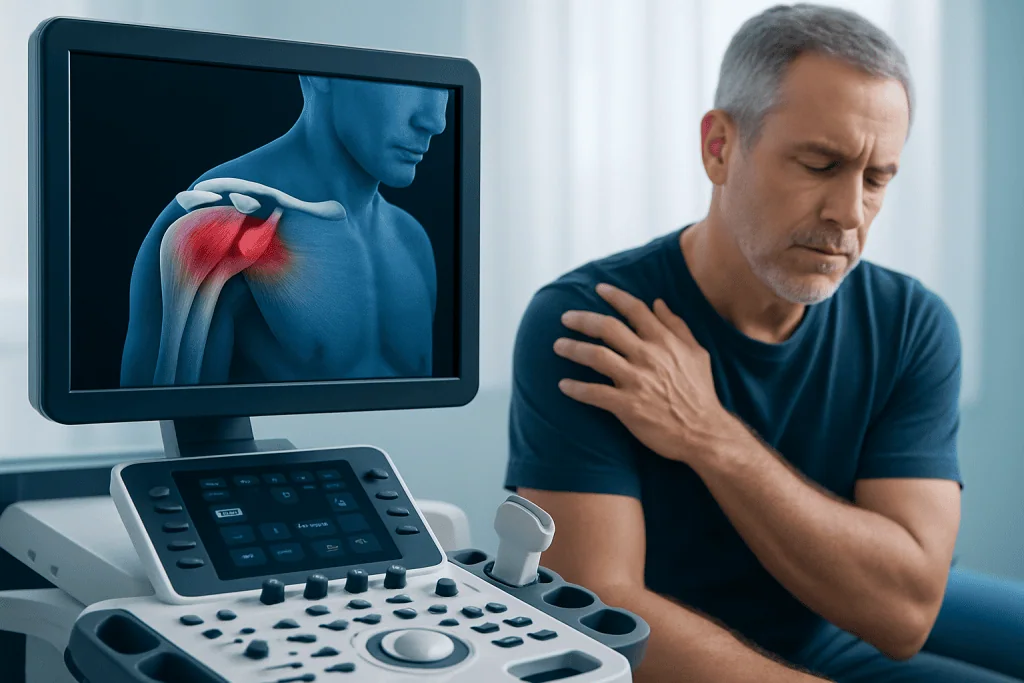
Symptoms can vary from mild discomfort to marked shoulder disability. Pain is often felt on the outer part of the shoulder or upper arm, and it may become worse when lifting the arm, reaching overhead, reaching behind the back or lying on the affected side. Night pain is common and may disturb sleep.
Weakness is an important sign, especially when the person has difficulty lifting objects, combing hair, dressing, fastening a bra or placing items on a high shelf. Some people describe a catching, clicking or grinding feeling. Others notice that the shoulder tires quickly or that they avoid using the arm because of discomfort.
Common symptoms include:
- Shoulder pain during activity or at rest
- Pain that radiates down the upper arm but usually not past the elbow
- Weakness with lifting or rotating the arm
- Difficulty sleeping on the painful side
- Reduced range of motion or shoulder stiffness
- Popping, clicking or a sense of shoulder fatigue
Sudden severe weakness after a fall or injury can suggest an acute tear and should be assessed promptly. However, symptoms alone do not always reveal the size or type of tear, so a clinical examination and imaging may be needed.
Causes and Risk Factors
Rotator cuff tears are usually described as traumatic or degenerative. Traumatic tears occur after a clear injury, such as a fall, sudden pull, lifting a heavy object or shoulder dislocation. Degenerative tears develop more gradually as the tendon becomes thinner and less resilient over time.
Age is one of the strongest risk factors because tendon tissue naturally changes with time. Repeated overhead movement can also contribute, especially in jobs or sports that involve frequent lifting, throwing, painting, construction work, swimming, tennis or weight training. Reduced blood supply to the tendon and bone spurs under the acromion may also play a role in some people.
Risk factors include:
- Age-related tendon degeneration
- Repetitive overhead work or sport
- Previous shoulder injury or dislocation
- Smoking, which can affect tendon healing
- Diabetes and some metabolic conditions
- Poor posture and shoulder blade mechanics
- Family tendency toward tendon problems
A tear may be partial-thickness, meaning the tendon is damaged but not completely detached, or full-thickness, meaning the tear extends through the tendon. Full-thickness tears may be small, medium, large or massive. The tear pattern, tendon retraction and muscle condition help determine the most suitable treatment.
Diagnosis and Imaging
Diagnosis begins with a medical history and physical examination. The doctor asks about the onset of pain, injury history, work or sports activity, night pain and functional limitations. During the examination, shoulder range of motion, strength, tenderness and specific rotator cuff tests are assessed. The neck may also be examined because cervical spine problems can sometimes mimic shoulder pain.
X-rays do not show the rotator cuff tendons directly, but they are often useful. They can identify arthritis, bone spurs, fracture, shoulder alignment problems or changes suggesting a long-standing tear. If a tendon tear is suspected, ultrasound or magnetic resonance imaging may be recommended.
Ultrasound is a dynamic, accessible test that can show partial and full-thickness tears when performed by an experienced clinician. MRI provides detailed images of the tendons, muscles, cartilage, bone and other soft tissues. It helps assess tear size, tendon retraction, muscle atrophy and fatty degeneration, all of which are important for surgical planning. In some situations, MR arthrography or CT arthrography may be used, particularly if there are complex labral or postoperative concerns.
Imaging results must be interpreted together with symptoms and examination findings. Some people have rotator cuff changes on MRI without major pain, while others have significant symptoms from smaller tears. A personalized approach helps avoid both undertreatment and unnecessary procedures.
Treatment Options Without Surgery
Non-surgical treatment is often the first step for many partial tears, chronic degenerative tears and people without major weakness. The goal is to reduce pain, restore motion, improve shoulder mechanics and strengthen the remaining healthy tendons and shoulder blade muscles. A structured plan is more effective than simply resting for a long period.
Common conservative treatments include activity modification, avoiding painful overhead loading for a time, applying ice or heat as advised, and using pain-relieving or anti-inflammatory medicines when appropriate. Medicines should be used under medical guidance, especially for people with stomach, kidney, heart, blood pressure or bleeding concerns.
Physiotherapy is central to recovery. Exercises usually progress from gentle range-of-motion work to stretching, posture correction, shoulder blade control and rotator cuff strengthening. The program should be individualized because forcing painful movements or strengthening too early can worsen symptoms in some cases.
Corticosteroid injections may be considered for selected patients with persistent inflammation and pain that limits rehabilitation. They can provide short-term pain relief but are not a cure for the tendon tear. Repeated injections should be approached cautiously because they may affect tendon quality, particularly if surgery may be needed later.
Surgical Repair Options
Surgery may be considered when a tear causes significant weakness, when symptoms persist despite a well-supervised non-surgical program, or when an acute traumatic full-thickness tear is diagnosed in an active person. The decision also depends on tear size, tendon mobility, tissue quality, patient goals and medical fitness for surgery.
Most rotator cuff repairs today are performed arthroscopically, using small incisions and a camera to view the shoulder joint. The surgeon prepares the bone and tendon, then uses anchors and sutures to attach the tendon back to its footprint on the upper arm bone. Arthroscopy can also address related problems such as inflamed bursa, bone spurs, biceps tendon disease or stiffness when appropriate.
Some tears may require mini-open or open repair, especially in complex cases. Very large or long-standing tears may not be fully repairable if the tendon has retracted and the muscle has significantly changed. In these situations, options may include partial repair, tendon transfer, superior capsular reconstruction or, in selected older patients with cuff tear arthritis, reverse shoulder replacement.
Rotator cuff surgery is intended to reduce pain and improve function, but tendon healing takes time and outcomes vary. Factors such as tear size, tissue quality, smoking, diabetes control, adherence to rehabilitation and avoiding early overload can influence healing. A careful discussion with an orthopedic shoulder specialist helps clarify the expected benefits and limitations.
Recovery, Rehabilitation and Self-Care
Recovery after rotator cuff repair is gradual. Many patients wear a sling for several weeks to protect the repair, although the exact timing depends on the surgeon’s protocol and the tear characteristics. During the early stage, the priority is protecting the tendon while preventing unnecessary stiffness.
Rehabilitation usually progresses in phases. Passive motion may begin first, followed by active movement, then strengthening exercises once healing is more advanced. Return to desk work may be possible earlier than return to manual labor, heavy lifting or overhead sports. Patients should follow their surgeon and physiotherapist’s instructions closely because doing too much too soon can compromise healing.
For both surgical and non-surgical care, daily habits can support shoulder recovery. Maintaining good posture, avoiding sudden heavy overhead loads, pacing repetitive tasks and continuing prescribed strengthening exercises are helpful. General health measures, including not smoking, managing diabetes and staying active within safe limits, can also support tendon and muscle function.
Prevention is not always possible, especially for age-related tendon changes, but shoulder conditioning may reduce risk. Balanced exercises for the rotator cuff, shoulder blade stabilizers and upper back are particularly useful for people who work or play sports overhead.
When to See a Doctor
A medical evaluation is recommended if shoulder pain lasts more than a few days after an injury, interferes with sleep, limits daily activities or is associated with weakness. Prompt assessment is especially important after a fall or sudden pulling injury if the person cannot lift the arm normally.
Urgent care is needed if shoulder pain occurs with obvious deformity, suspected dislocation, numbness, loss of circulation, fever, severe swelling or a major traumatic injury. Although these symptoms are not typical of a simple rotator cuff tear, they may indicate other problems that need immediate attention.
People considering treatment abroad should seek a center that can provide coordinated orthopedic assessment, imaging, physiotherapy and postoperative follow-up planning. Acibadem International’s multidisciplinary specialists and JCI-accredited hospitals diagnose and treat rotator cuff injuries for international patients, including imaging evaluation, arthroscopic repair when indicated and rehabilitation guidance.
Medical information is most useful when it is adapted to the individual. A qualified doctor can review the person’s symptoms, imaging findings, lifestyle and goals to recommend the safest and most appropriate treatment plan.
Frequently asked questions
Can a rotator cuff tear heal without surgery?
Some partial-thickness tears and small degenerative tears can improve with non-surgical care, even if the tendon itself does not fully return to normal on imaging. Pain relief and better function are often achieved through physiotherapy, activity modification and appropriate pain control. Full-thickness tears are less likely to heal completely on their own, so treatment decisions depend on symptoms, weakness, tear size and patient goals.
How is a rotator cuff tear different from shoulder impingement?
Shoulder impingement describes irritation or compression of the rotator cuff tendons and bursa during shoulder movement. A rotator cuff tear means the tendon tissue is actually damaged or torn. The two conditions can overlap, and imaging may be needed if symptoms persist or weakness is present.
Is MRI always needed for shoulder pain?
MRI is not always necessary at the first visit. Many shoulder problems can be evaluated with medical history, examination and sometimes X-rays or ultrasound. MRI is most useful when a tear is suspected, symptoms do not improve with initial treatment, surgery is being considered or the diagnosis is unclear.
When is surgery recommended for a rotator cuff tear?
Surgery may be recommended for acute traumatic full-thickness tears, significant weakness, large tears, active individuals with high functional demands or symptoms that continue despite structured non-surgical care. The decision is individualized. A shoulder specialist considers the imaging findings, tendon quality, age, health status and the person’s daily needs.
How long does recovery take after rotator cuff repair?
Recovery usually takes several months and occurs in stages. Early recovery focuses on protecting the repair and regaining gentle motion, while strengthening begins later under supervision. Return to heavy lifting, manual work or overhead sports may take longer and should be guided by the surgeon and physiotherapist.
Can exercise make a rotator cuff tear worse?
The right exercises can reduce pain and improve shoulder function, but the wrong exercises or heavy loading too early may aggravate symptoms. It is best to begin with a clinician-guided program, especially if there is a known tear, night pain or weakness. Exercises should be progressed gradually and should not cause sharp or worsening pain.
References
- American Academy of Orthopaedic Surgeons
- Mayo Clinic
- National Institute of Arthritis and Musculoskeletal and Skin Diseases
- British Elbow and Shoulder Society
- Radiological Society of North America
This article is for general information only and is not a substitute for professional medical advice. Please consult a qualified doctor about your individual situation.
Rotator Cuff in Turkey — costs, top hospitals & a free quote
JCI-accredited · board-certified surgeons · reply within 24h
Add us as a Preferred Source to see more of our trusted health content across Google Search, AI Overviews and Discover.

Orthopedics & Spine
Care for bones, joints and the musculoskeletal system, including joint replacement, sports injuries and trauma.
125 specialists in this unitMore from the Health Library



Related Specialists

Dr. Tolga Hüner
General Surgery
Assoc. Prof. Dr. Ayça Erşen Danyeli
Pathology
Dt. İpek Mehmetoğlu Torun
Oral & Dental Health
Assoc. Prof. Dr. Ahmet Küçükçelebi
Aesthetic Plastic & Reconstructive Surgery