

Scoliosis Surgery in Adolescents and Adults: When Is It Considered?
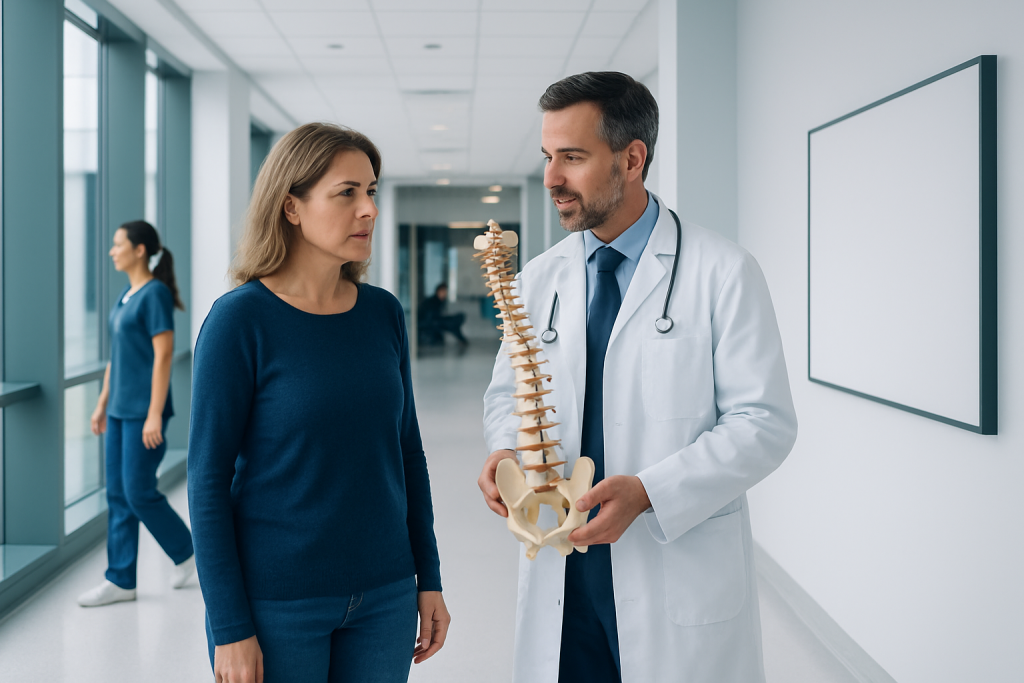
Many people with scoliosis are treated with observation, exercise, or bracing rather than surgery. Surgery may be considered if a curve progresses, becomes large, or causes pain, imbalance, or reduced function.
Key Takeaways
- Many people with scoliosis are treated with observation, exercise, or bracing rather than surgery.
- Surgery may be considered if a curve progresses, becomes large, or causes pain, imbalance, or reduced function.
- Decision-making differs between adolescents and adults because goals and risks are not exactly the same.
- Imaging, physical examination, symptoms, and overall health all help guide treatment planning.
- A spine specialist can explain whether surgery, continued monitoring, or non-surgical care is most appropriate.
Scoliosis surgery is not needed for everyone with a curved spine. It is usually considered when the curve is severe, continues to worsen, causes pain or imbalance, or begins to affect daily life, mobility, or breathing.
Overview: Understanding When Scoliosis Surgery Is Considered
Scoliosis is a sideways curvature of the spine that can develop in childhood, adolescence, or adulthood. Some curves are mild and remain stable for years, while others progress over time. Because scoliosis varies widely from person to person, treatment decisions are individualized rather than based on a single rule.
For many adolescents and adults, surgery is not the first step. Doctors often begin with observation, physical therapy, pain management, or bracing in selected younger patients. Scoliosis surgery is usually considered when the curve is significant, continues to worsen, causes symptoms, or starts to interfere with posture, balance, daily activities, or quality of life.
The main goals of surgery are to improve spinal alignment, reduce progression of the curve, and support function. In adolescents, surgery is often aimed at preventing further deformity during growth. In adults, treatment planning may focus more on pain, nerve symptoms, spinal imbalance, and the effects of wear-and-tear changes in the spine.
Symptoms and Signs That May Prompt Surgical Evaluation
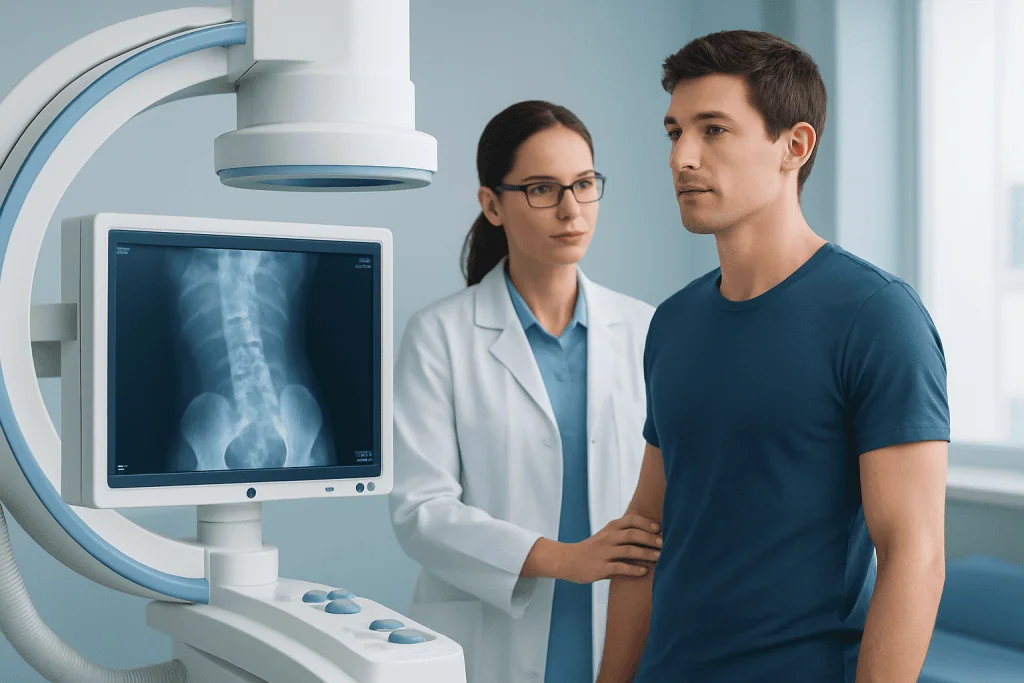
Scoliosis can sometimes be noticed because of visible body changes rather than pain. One shoulder may sit higher than the other, the ribs may look more prominent on one side, the waist may appear uneven, or the body may lean slightly. In adolescents especially, curves are often found during growth spurts or routine examinations.
Adults may have a different symptom pattern. In addition to spinal asymmetry, they may experience back pain, fatigue when standing upright, stiffness, or pain that travels into the hips or legs if nerves are affected. Some people also notice a forward-leaning posture or a sense that they are losing balance as they walk.
A surgical assessment may become more relevant when symptoms are persistent or worsening. Signs that deserve closer review can include:
- Noticeable progression of spinal curvature
- Ongoing back pain that limits activity
- Numbness, tingling, or weakness in the legs
- Difficulty standing upright or walking comfortably
- Changes in posture that affect self-image or clothing fit
- Breathing limitation in severe thoracic curves
These findings do not automatically mean surgery is needed, but they do suggest that a spine specialist should evaluate the person more carefully.
Causes and Risk Factors in Adolescents and Adults
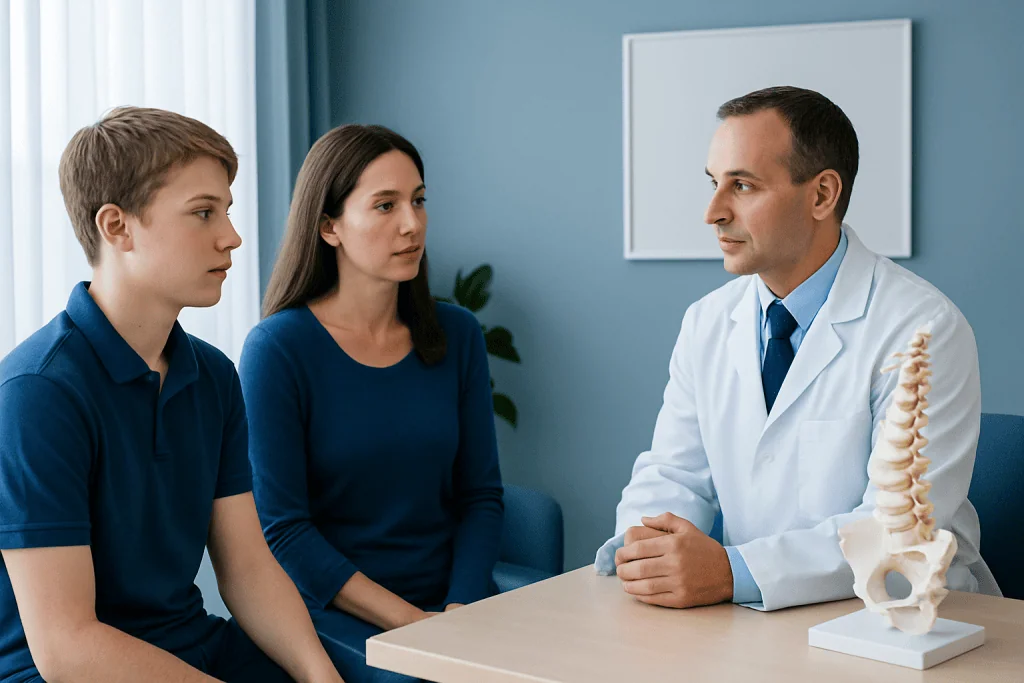
In adolescents, the most common form is adolescent idiopathic scoliosis, meaning the exact cause is not fully known. It often appears during growth and may progress more quickly during rapid height changes. A family history can increase the likelihood, and the amount of growth remaining is one of the key factors doctors consider when predicting progression.
In adults, scoliosis may be a continuation of a curve that began earlier in life, or it may develop later because of age-related spinal changes. Disc degeneration, arthritis of the spine, bone loss, and gradual collapse or rotation of spinal segments can all contribute. This is often called degenerative scoliosis.
Certain features can make surgery more likely to enter the discussion over time. These include larger curves, documented progression on imaging, significant trunk imbalance, persistent pain, and nerve compression. Adults with osteoporosis or other medical conditions may need more detailed planning because overall bone quality and general health influence both treatment choices and recovery.
People who want to better understand the condition itself may benefit from reading about scoliosis as a broader spinal disorder, including how it is monitored before surgery is considered.
How Doctors Decide: Diagnosis and Assessment Before Surgery
A careful diagnosis starts with a medical history and physical examination. The doctor asks about symptoms, growth history in younger patients, previous treatments, walking tolerance, nerve-related complaints, and how much the spinal curve affects daily life. Posture, shoulder and hip alignment, flexibility, and neurologic function are also assessed.
Imaging is essential. Standing X-rays help measure the curve and evaluate overall balance of the spine from the front and side. In some cases, additional tests such as MRI or CT scans are used to look for nerve compression, spinal canal narrowing, or details that may affect surgical planning. These studies help clarify whether the problem is mostly deformity, degeneration, nerve pressure, or a combination.
Doctors do not base surgery on an X-ray number alone. They consider several factors together:
- Curve size and whether it is progressing
- Age and remaining growth in adolescents
- Pain severity and effect on daily activities
- Postural imbalance and walking tolerance
- Nerve symptoms such as weakness or radiating pain
- Overall health, bone quality, and treatment goals
Shared decision-making is especially important. Patients and families should understand the expected benefits, the limits of surgery, the recovery process, and the possible risks before deciding on an operation.
Treatment Options and What Surgery Involves
Before discussing surgery, doctors usually review non-surgical care when appropriate. In adolescents, mild or moderate curves may be monitored regularly, and bracing may be recommended for selected patients who are still growing. In adults, treatment often begins with exercise-based therapy, pain management, activity modification, and rehabilitation aimed at maintaining mobility and function.
When surgery is advised, the exact procedure depends on the person’s age, spinal alignment, symptoms, and the reason for surgery. A common approach is spinal fusion, which uses implants and bone graft material to stabilize the spine and correct part of the curve. In adults, surgeons may also need to relieve nerve pressure if spinal stenosis or narrowing is contributing to symptoms. Some patients may be referred for spine surgery evaluation to review these options in detail.
Surgical goals differ somewhat by age group. In adolescents, treatment often aims to prevent further curve progression and improve alignment during a time of continued growth. In adults, goals may include reducing pain, improving standing balance, easing nerve-related symptoms, and helping the person function more comfortably. If nerve compression is a major part of the problem, related procedures discussed within neurosurgery planning may sometimes be relevant as part of comprehensive care.
Recovery takes time and varies from person to person. The care team typically discusses hospital stay, pain control, movement restrictions, rehabilitation, and follow-up imaging. When symptoms overlap with other spinal conditions, specialists may also consider whether concerns such as spinal stenosis are influencing the treatment plan.
Prevention, Monitoring, and Self-care
Scoliosis cannot always be prevented, especially when it is idiopathic. However, early detection can make a meaningful difference. In growing children and teenagers, regular checkups may help identify a curve before it becomes larger. Timely monitoring allows doctors to decide whether observation or bracing might reduce the chance of further progression during growth.
For adults, self-care is often centered on protecting spinal health and staying as functional as possible. A doctor or physiotherapist may recommend exercises to support posture, flexibility, and core strength. Maintaining a healthy weight, avoiding smoking, and supporting bone health can also be helpful as part of overall spine care.
It is important to remember that exercise does not straighten every curve, and scoliosis-specific care should be guided by a qualified professional. Self-management works best when it complements medical follow-up rather than replacing it. People with increasing pain, worsening posture, or new neurologic symptoms should not rely on home measures alone.
In selected patients, supportive rehabilitation programs and individualized care plans can be an important part of treatment before or after surgery. This may naturally include coordinated follow-up with physical therapy and rehabilitation teams to improve movement confidence and recovery.
When to See a Doctor and Questions to Ask
A medical review is advisable if a child or teenager develops uneven shoulders, a visible rib hump, or a waist that looks asymmetrical. Adults should also seek evaluation if they notice increasing spinal curvature, one-sided trunk shift, persistent back pain, leg symptoms, or reduced walking endurance. Early assessment helps clarify whether the curve is stable or changing.
Urgent medical attention is especially important if scoliosis is accompanied by rapidly worsening weakness, loss of bowel or bladder control, severe numbness, or sudden major changes in walking ability. These symptoms are not typical of uncomplicated scoliosis and need prompt assessment.
During the consultation, patients and families may find it helpful to ask:
- Is the curve likely to progress?
- What are the goals of treatment in this specific case?
- Are non-surgical options still reasonable?
- What benefits and risks should be expected from surgery?
- How long is recovery, and what kind of rehabilitation may be needed?
For international patients seeking expert assessment, Acibadem International’s multidisciplinary specialists and JCI-accredited hospitals diagnose and treat scoliosis with individualized planning based on age, symptoms, imaging, and overall spinal health.
Frequently asked questions
Does every person with scoliosis need surgery?
No. Many people with scoliosis are managed with observation, bracing in selected younger patients, exercise-based care, or symptom-focused treatment. Surgery is usually considered only when the curve is severe, progressing, or causing meaningful symptoms or functional problems.
At what point is scoliosis surgery usually considered?
There is no single cutoff that applies to everyone. Doctors look at the size of the curve, whether it is worsening, the person's age and growth stage, symptoms, posture, balance, and how much scoliosis affects daily life. The decision is individualized after full evaluation.
Is scoliosis surgery different for adolescents and adults?
Yes, often it is. In adolescents, surgery is commonly aimed at preventing progression during growth and improving alignment. In adults, treatment planning may focus more on pain, spinal imbalance, degeneration, and relief of nerve-related symptoms.
Can exercise or bracing avoid surgery?
Sometimes, depending on the situation. Bracing may help some growing children and teenagers reduce the risk of curve progression, while exercise and rehabilitation can support posture, comfort, and function. However, these measures may not stop every curve from worsening, especially if it is already large or progressive.
What are the main goals of scoliosis surgery?
The goals are usually to limit further progression of the curve, improve spinal alignment, and support function. In adults, surgery may also aim to relieve nerve pressure and improve standing or walking balance. The exact goals depend on the individual's symptoms and spinal anatomy.
How do doctors know whether a scoliosis curve is getting worse?
Doctors track progression with physical examinations and standing spinal X-rays taken over time. In children and adolescents, growth stage is especially important because curves can change more quickly during growth spurts. In adults, symptoms, balance changes, and degenerative findings also help guide interpretation.
References
- Scoliosis Research Society
- American Academy of Orthopaedic Surgeons
- National Institute of Arthritis and Musculoskeletal and Skin Diseases
- National Health Service
- U.S. National Library of Medicine
This article is for general information only and is not a substitute for professional medical advice. Please consult a qualified doctor about your individual situation.
Scoliosis Surgery in Turkey — costs, top hospitals & a free quote
JCI-accredited · board-certified surgeons · reply within 24h
Add us as a Preferred Source to see more of our trusted health content across Google Search, AI Overviews and Discover.

More from the Health Library


Related Specialists

Assoc. Prof. Dr. Ayşenur Özderya
Endocrinology
Assoc. Prof. Dr. Ender Cesur
Psychiatry
Dr. Nevin Sarıgüzel
Infectious Diseases & Clinical Microbiology
Dt. Barış Konuk
Oral Dental & Maxillofacial Surgery