Shock Wave Therapy for Erectile Dysfunction: Who May Benefit and What Results to Expect

Shock wave therapy uses low-intensity acoustic waves and is different from surgery or medication. It may be most helpful for men with mild to moderate erectile dysfunction linked to reduced penile blood flow.
Key Takeaways
- Shock wave therapy uses low-intensity acoustic waves and is different from surgery or medication.
- It may be most helpful for men with mild to moderate erectile dysfunction linked to reduced penile blood flow.
- Results are not immediate, and some men improve while others notice little change.
- A full assessment is important because erectile dysfunction can be related to heart, hormone, nerve, or psychological factors.
- Treatment plans may still include lifestyle changes, oral medications, counseling, or other therapies.
Shock wave therapy for erectile dysfunction is a non-surgical treatment that may improve erections in selected men, particularly when blood flow problems are a major cause. It is not suitable for everyone, so a careful medical evaluation helps clarify who may benefit and what results are realistic.
Overview: What Shock Wave Therapy for Erectile Dysfunction Is
Shock wave therapy for erectile dysfunction is a treatment that uses low-intensity acoustic waves applied to the penis from outside the body. The goal is to stimulate tissue repair and support better blood flow, which can help improve erection quality in some men. It is often described as low-intensity extracorporeal shock wave therapy.
This approach is different from medicines that create a temporary effect for a single sexual encounter. Instead, shock wave therapy aims to improve the underlying vascular function that contributes to erections. Because of this, it is sometimes considered for men whose erectile dysfunction is related mainly to circulation problems.
Although interest in this treatment has grown, it is not a universal solution. Response can vary depending on the cause and severity of erectile dysfunction, overall health, and whether other treatments are used alongside it. Men who are considering this option usually benefit from first learning more about erectile dysfunction itself and the factors that may be driving their symptoms.
Who May Benefit Most
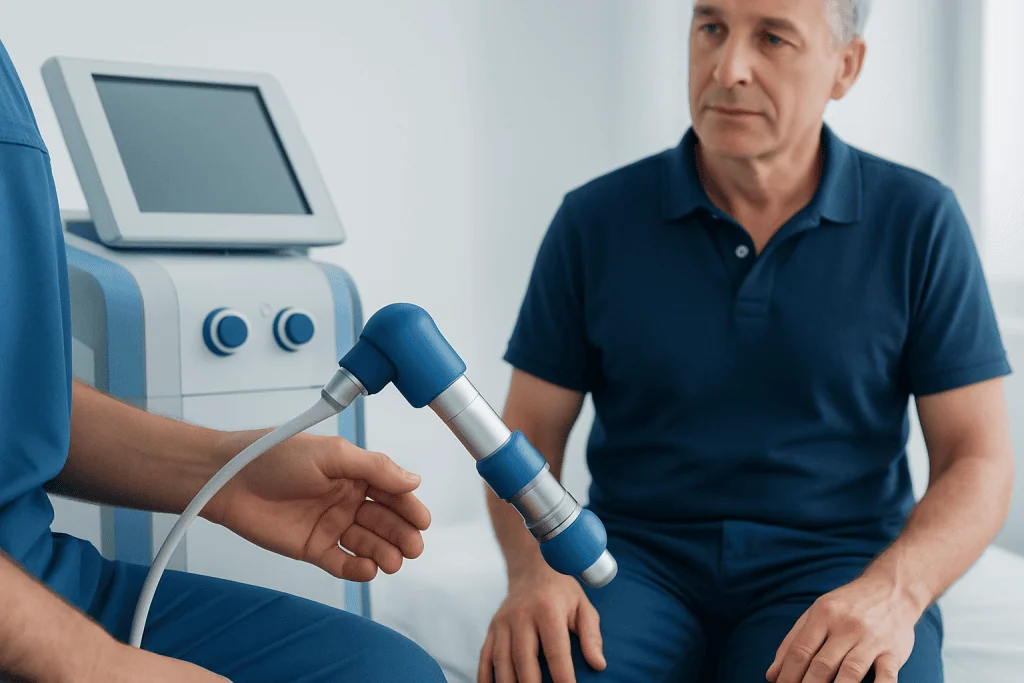
Current evidence suggests that shock wave therapy may be most helpful for men with mild to moderate erectile dysfunction caused by reduced blood flow, sometimes called vasculogenic erectile dysfunction. These men may still have some natural erectile function, but erections may be weaker, less reliable, or harder to maintain.
It may also be considered for men who do not respond well enough to oral erectile dysfunction medicines, or who want to explore a non-surgical option that does not require taking medication before sexual activity. In some cases, doctors use it as part of a broader treatment plan rather than as a stand-alone therapy.
Men are less likely to benefit if erectile dysfunction is mainly caused by severe nerve damage, advanced diabetes-related complications, major hormonal disorders, extensive pelvic surgery, or significant penile scarring. It may also be less effective in very severe erectile dysfunction. A specialist in minimally invasive urology can help assess whether this treatment matches the person’s underlying condition.
What to Expect During Treatment and Afterward
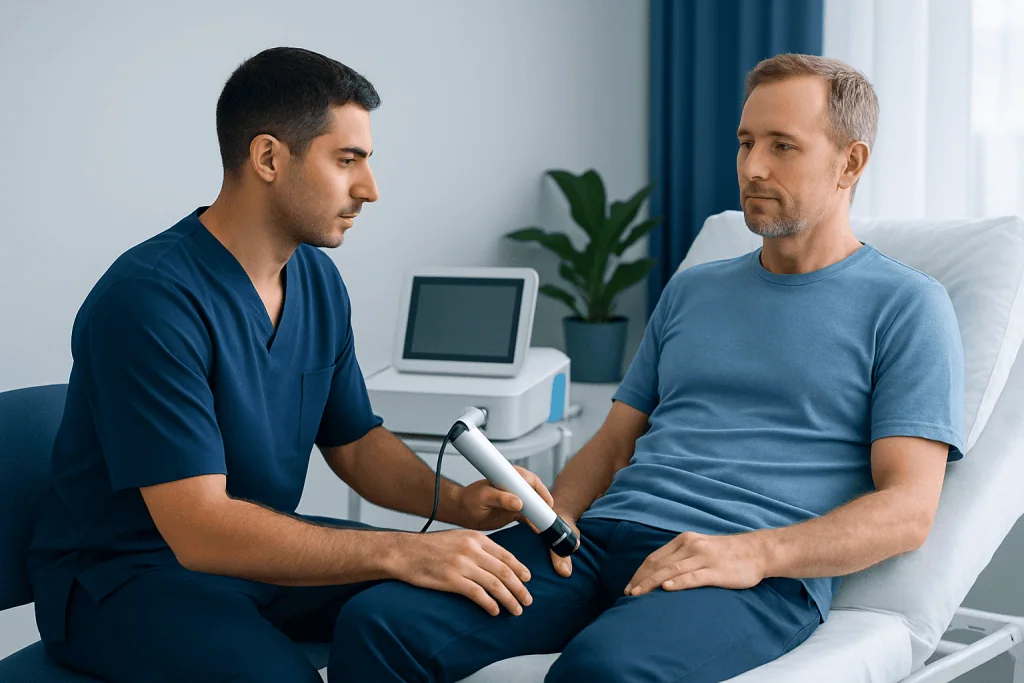
Shock wave therapy is usually performed in an outpatient setting. A handheld device is placed against several areas of the penis, and low-intensity pulses are delivered over a short session. Anesthesia is generally not needed, and most men describe the treatment as tolerable, though individual comfort levels differ.
Several treatment schedules are used in practice, often involving multiple sessions spread over a few weeks. The exact protocol can vary by clinic and the device being used. Because there is no single universal schedule, patients should ask what plan is being recommended and why.
Results are usually not immediate. Some men notice improvement gradually over weeks to months as tissue healing and vascular changes develop. Follow-up is important to evaluate whether erections are improving enough for satisfactory sexual activity and whether additional treatment options should be considered.
Many men continue with general erectile dysfunction care at the same time, such as exercise, management of diabetes or blood pressure, stopping smoking, and use of medication when appropriate. For some, shock wave therapy is part of a combined treatment pathway that may also include specialist erectile dysfunction treatment.
What Results Are Realistic
The main question many patients ask is what results to expect. In general, shock wave therapy may improve erection firmness, consistency, or responsiveness in selected men, but it does not guarantee a complete return to previous sexual function. The degree of improvement can range from noticeable benefit to little or no change.
Men with vascular erectile dysfunction and milder symptoms tend to be the most promising candidates. Some men find that they respond better to oral medications after treatment, while others may need less support than before. Still, some men continue to need medication, devices, or other therapies even if there is partial improvement.
Another important point is durability. In some patients, benefits may last for a period of time, but long-term outcomes can differ from person to person. Because treatment response is variable, doctors usually recommend a realistic, stepwise view rather than expecting a cure.
- Possible outcome: improved erection quality
- Possible outcome: better response to oral medication
- Possible outcome: no meaningful change
- Possible need: repeat assessment or other ED treatments
How Doctors Evaluate Candidacy
Before recommending shock wave therapy, doctors usually review medical history, sexual symptoms, current medications, and lifestyle factors. This matters because erectile dysfunction can be an early sign of broader health issues, especially cardiovascular disease, diabetes, high blood pressure, obesity, or low testosterone.
The evaluation may include a physical examination and targeted tests when needed. Depending on the situation, a doctor may check blood sugar, cholesterol, testosterone, and other hormone levels. Assessment may also explore sleep problems, stress, anxiety, depression, relationship concerns, or symptoms suggesting a neurological cause.
It is especially important to identify conditions that need treatment in their own right. For example, poor vascular health can affect both erections and overall wellbeing. A careful workup helps avoid focusing on one procedure while missing a treatable underlying problem. In some men, the best results come from combining medical treatment with lifestyle changes and counseling rather than relying on one intervention alone.
Benefits, Limits, and Safety Considerations
One reason men ask about shock wave therapy is that it is non-surgical and generally well tolerated. It does not involve incisions, and recovery time is minimal. For suitable candidates, this can make it an appealing option to discuss with a urologist.
Even so, there are important limitations. Research is encouraging but still evolving, and treatment protocols are not completely standardized. Different devices and session schedules are used, which can make results less predictable. This is one reason experienced specialist evaluation matters.
Side effects are usually mild when they occur, such as temporary discomfort, redness, or minor skin sensitivity. Serious complications are considered uncommon, but any treatment should be guided by a qualified clinician who can explain expected benefits, uncertainties, and alternatives. Men should be cautious about centers that present this therapy as a guaranteed cure.
For comprehensive care, a urologist may compare shock wave therapy with oral medicines, vacuum erection devices, injectable therapies, and other established options. If symptoms are linked to infection, pain, or inflammation in the genital or urinary tract, those problems may need separate attention first, such as assessment for conditions like epididymitis.
Other Treatment Options and Self-Care
Shock wave therapy is only one part of erectile dysfunction care. Many men benefit from a broader plan that addresses both sexual function and general health. Depending on the cause, treatment may include oral medications, hormone treatment when deficiency is confirmed, counseling, vacuum devices, injectable medicines, or implanted devices in selected cases.
Self-care plays a meaningful role. Regular physical activity, maintaining a healthy weight, stopping smoking, limiting excess alcohol, sleeping well, and controlling blood pressure, cholesterol, and diabetes can all support erectile health. Because erections depend heavily on blood vessel function, these measures may improve both sexual and cardiovascular health.
Psychological wellbeing also matters. Stress, performance anxiety, depression, and relationship strain can worsen erectile symptoms even when there is a physical cause. Support from a doctor, mental health professional, or sex therapist can be valuable and may improve treatment outcomes.
Near the end of the evaluation process, men who are considering treatment abroad may wish to know that Acibadem International’s multidisciplinary specialists in JCI-accredited hospitals diagnose and treat erectile dysfunction for international patients, using personalized plans based on the individual cause and severity of symptoms.
When to See a Doctor
A man should consider seeing a doctor if erection problems are frequent, persistent, or causing distress. Medical advice is also important if erectile dysfunction starts suddenly, becomes progressively worse, or occurs together with reduced sexual desire, pain, urinary symptoms, or changes in penile shape.
Prompt evaluation can also be helpful because erectile dysfunction may be an early warning sign of conditions such as diabetes or cardiovascular disease. Addressing these issues can improve overall health, not only sexual function. Men should seek urgent care if they have chest pain, severe penile pain, or symptoms suggesting a medical emergency.
During the consultation, it can help to describe when symptoms began, whether erections are ever normal, what medications are being used, and whether stress or relationship concerns may be contributing. This information helps the doctor decide whether shock wave therapy is appropriate or whether another treatment path is more likely to help.
Frequently asked questions
Is shock wave therapy for erectile dysfunction painful?
Most men tolerate the treatment well, and it is generally described as mildly uncomfortable rather than painful. Sessions are usually short and do not typically require anesthesia. Comfort can still vary from person to person.
How long does it take to see results from shock wave therapy?
Results are usually gradual rather than immediate. Some men notice changes over several weeks, while others may need a few months to judge whether treatment helped. Follow-up with the treating doctor is important to assess progress.
Does shock wave therapy cure erectile dysfunction?
It is better viewed as a possible treatment option than a guaranteed cure. Some men experience meaningful improvement, especially when blood flow problems are the main cause, but others may have only partial benefit or no benefit. Ongoing treatment or lifestyle changes may still be needed.
Who is the best candidate for shock wave therapy?
Men with mild to moderate erectile dysfunction related mainly to reduced penile blood flow are often considered the best candidates. A doctor will also look at age, overall health, medication use, and whether nerve, hormone, or psychological factors are involved.
Can shock wave therapy be combined with ED medication?
Yes, in many cases it can be part of a combined treatment plan. Some men continue oral medications during or after treatment, and a doctor may adjust the plan based on response. Combination care is common because erectile dysfunction often has more than one contributing factor.
Are there men who should not rely on shock wave therapy alone?
Yes. Men with severe erectile dysfunction, major nerve injury, advanced diabetes-related complications, significant penile scarring, or untreated hormonal problems may need other treatments or a broader plan. A proper evaluation helps identify when another approach is more suitable.
References
- European Association of Urology
- American Urological Association
- National Institute of Diabetes and Digestive and Kidney Diseases
- Mayo Clinic
- Cleveland Clinic
This article is for general information only and is not a substitute for professional medical advice. Please consult a qualified doctor about your individual situation.
Erectile Dysfunction in Turkey — costs, top hospitals & a free quote
JCI-accredited · board-certified surgeons · reply within 24h
Add us as a Preferred Source to see more of our trusted health content across Google Search, AI Overviews and Discover.
Check your numbers in seconds
BMI, calories, due date, blood pressure and 30+ more clinical calculators — free, instant, doctor-reviewed ranges.

Urology
Treatment of the urinary system and male reproductive health, including robotic and laser procedures.
60 specialists in this unit