Shoulder Orthopedic Surgery: Procedure, Recovery and Results
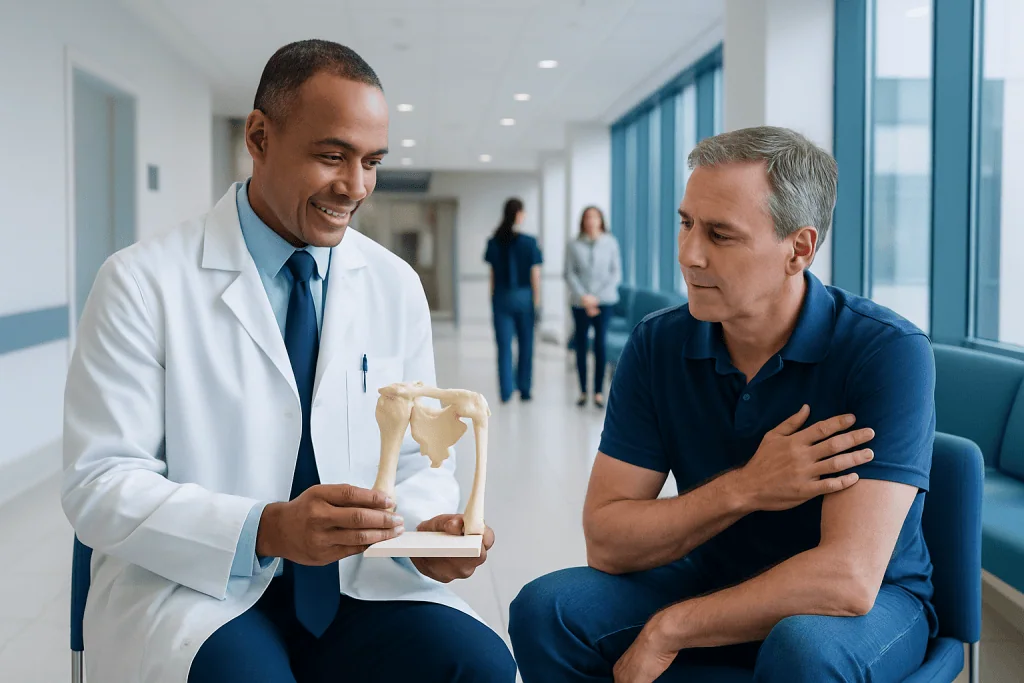
Shoulder surgery may be arthroscopic, open, or joint-replacement surgery, depending on the condition being treated. Most people need a structured rehabilitation program to regain safe movement, strength, and shoulder function.
Key Takeaways
- Shoulder surgery may be arthroscopic, open, or joint-replacement surgery, depending on the condition being treated.
- Most people need a structured rehabilitation program to regain safe movement, strength, and shoulder function.
- Pain and swelling are usually most noticeable in the first few days, then gradually improve with prescribed care and activity adjustments.
- Recovery time varies widely: some procedures allow earlier use of the arm, while tendon repairs and shoulder replacements may require months of rehabilitation.
- Urgent medical advice is important for fever, worsening redness, drainage, severe unrelieved pain, new numbness, chest pain, or shortness of breath.
Shoulder orthopedic surgery includes procedures that repair, stabilize, replace, or decompress parts of the shoulder when pain, weakness, instability, or limited movement does not improve with appropriate nonsurgical care. The best procedure and recovery plan depend on the underlying problem, the person’s health, activity goals, and commitment to rehabilitation.
Overview: What Is Shoulder Orthopedic Surgery?
Shoulder orthopedic surgery is a broad term for operations used to treat structural problems of the shoulder joint, tendons, muscles, cartilage, bones, or surrounding tissues. It may be recommended when symptoms continue despite rest, activity changes, medicines, physiotherapy, injections, or other conservative treatments. Its goals may include easing pain, improving stability, restoring movement, repairing damaged tissue, or replacing a severely worn joint.
The shoulder is designed for a wide range of motion, but this mobility also makes it vulnerable to injury and instability. The ball-and-socket joint includes the upper arm bone, shoulder blade, collarbone, rotator cuff tendons, labrum, cartilage, bursae, and ligaments. Damage in any of these structures can affect daily activities such as reaching, lifting, dressing, sleeping, working, or playing sports.
Common procedures include arthroscopic rotator cuff repair, labral repair for instability, treatment of shoulder impingement, fracture fixation, and partial or total shoulder replacement. Many operations are performed through small arthroscopic incisions using a camera and fine instruments, while others require an open incision for direct access. Shoulder surgery treatment options are selected after an individualized assessment rather than by symptoms alone.
How It Works and Who May Be a Candidate
A surgeon considers shoulder orthopedic surgery when there is a clear diagnosis that matches a person’s symptoms and functional limitations. Candidates may have a full-thickness rotator cuff tear, recurring dislocations, a labral injury, severe arthritis, a complex fracture, painful tendon damage, or a condition that has not responded adequately to nonsurgical treatment. Surgery is not always necessary, even when imaging shows changes, because some findings may not be the main cause of pain.
The decision is based on the type and duration of symptoms, examination findings, imaging results, age, overall health, work and activity requirements, and rehabilitation goals. For example, a traumatic tendon tear with marked weakness may be treated differently from gradual shoulder pain caused by age-related tendon changes. In arthritis, replacement may be considered when pain and stiffness substantially affect quality of life despite appropriate nonoperative care.
Before surgery, the orthopedic team reviews medicines, allergies, previous procedures, medical conditions, smoking status, and anesthesia considerations. Managing diabetes, stopping smoking when possible, optimizing nutrition, and arranging help at home can support healing. The clinician also explains what the procedure can reasonably improve and what symptoms or limitations may persist.
Shoulder Surgery Step by Step
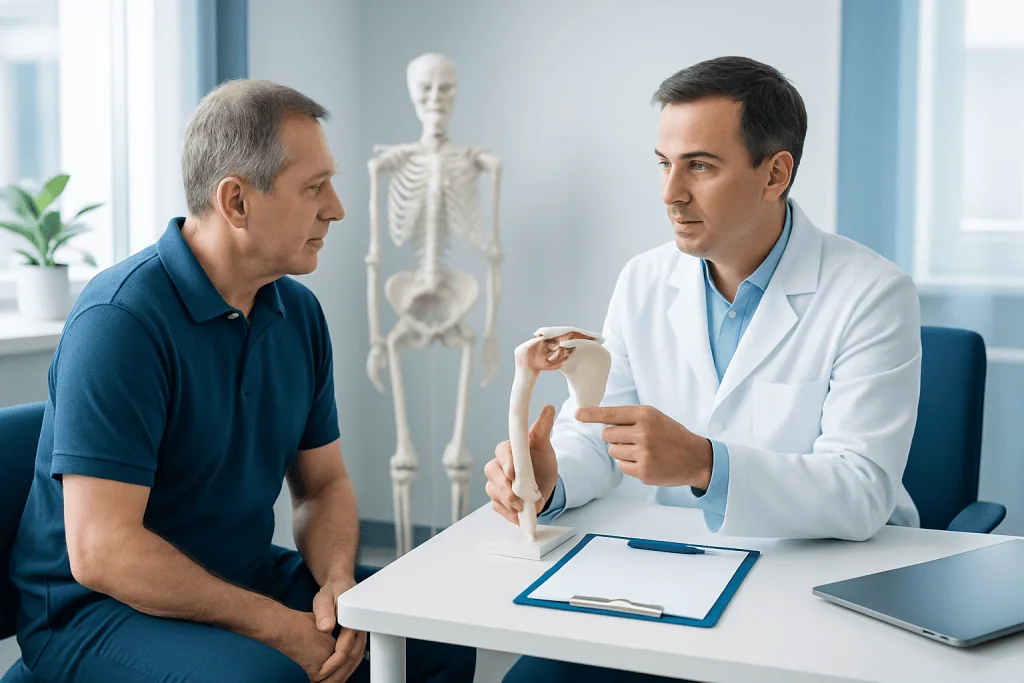
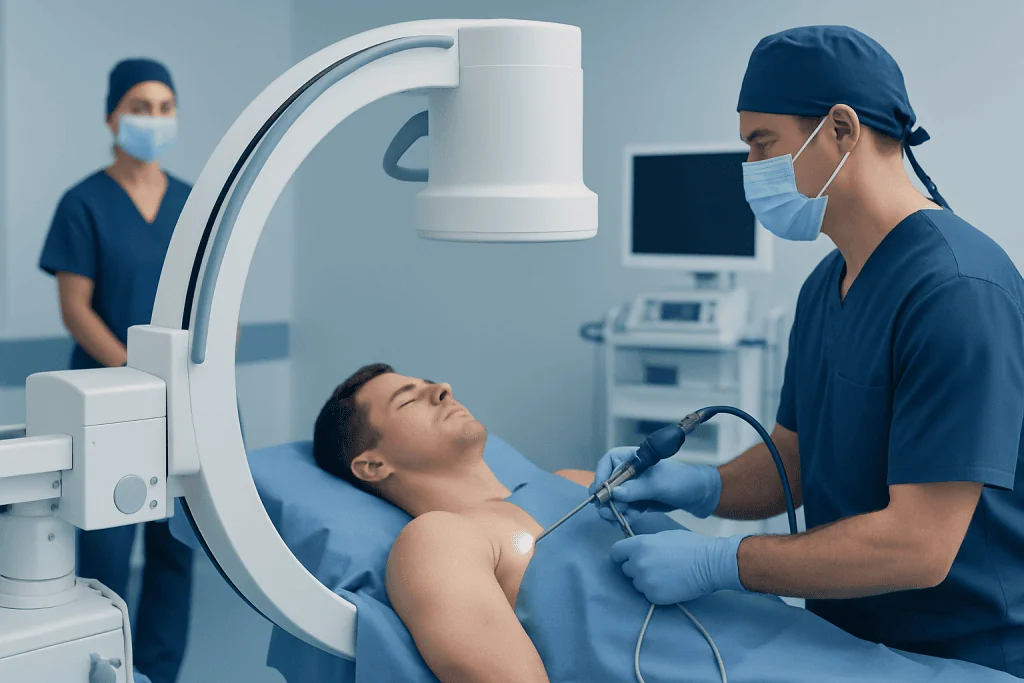
The exact steps differ by procedure, but most shoulder operations follow a similar pathway. Before the operation, the patient has a final assessment, confirms the planned procedure, and meets the anesthesia team. General anesthesia is common, and a regional nerve block may also be offered to reduce pain shortly after surgery. The arm is positioned securely so the surgeon can access the joint safely.
For arthroscopy, the surgeon makes several small incisions and inserts a narrow camera into the shoulder. Sterile fluid may be used to improve visibility. Small instruments can then remove inflamed tissue, smooth certain surfaces, repair tendons with anchors, or repair a torn labrum. In open surgery, the surgeon makes a larger incision to reach the area directly, which may be necessary for some repairs, fractures, or replacements.
During shoulder replacement, damaged joint surfaces are removed and replaced with prosthetic components. The type of replacement may be anatomic or reverse, depending on the joint condition and rotator cuff function. After the procedure, the incisions are closed and dressed, and the arm is usually supported in a sling. Most patients are monitored in a recovery area before going home or, for some operations and health situations, staying in hospital.
Benefits, Limitations and Possible Risks
The expected benefits of shoulder surgery depend on the diagnosis and procedure. Many people experience less pain, better stability, improved range of motion, or improved ability to perform essential tasks after healing and rehabilitation. Surgery can also help protect function in selected injuries, such as certain acute tendon tears or unstable shoulders that repeatedly dislocate.
Results are not immediate because repaired tissues need time to heal and the shoulder needs gradual retraining. Stiffness, weakness, altered movement patterns, and discomfort can remain for a period even when the operation has gone as planned. A successful outcome relies not only on the operation but also on following restrictions, attending rehabilitation, and progressing activity at a safe pace.
All surgery has risks. These can include bleeding, infection, blood clots, anesthesia reactions, nerve or blood vessel injury, stiffness, persistent pain, delayed healing, failure or re-tearing of a repair, recurrent instability, and a need for further treatment. Joint replacement also has longer-term risks such as loosening, dislocation, or wear of components. The surgeon can explain the risks most relevant to the individual procedure and health profile.
Shoulder Surgery Recovery Stages and Rehabilitation
A shoulder surgery recovery process is tailored to the operation performed. After minor arthroscopic procedures, gentle motion may begin relatively early. After rotator cuff or labral repair, the sling and activity restrictions are often more protective because the repaired tissue must heal before it can safely tolerate force. After shoulder replacement, rehabilitation focuses on protecting the joint while steadily restoring comfortable movement and function.
A typical shoulder surgery recovery protocol progresses through several stages: protecting the operated area, restoring passive movement with assistance, gradually introducing active movement, then building strength, endurance, coordination, and task-specific function. Physiotherapy may begin soon after surgery or after a short protected period, depending on the procedure. The care team provides individual guidance on sling use, wound care, bathing, driving, work, sleep positions, and exercises.
In the first days and weeks, swelling control, prescribed pain relief, safe hand and elbow movement, and avoiding prohibited lifting or reaching are important shoulder surgery recovery steps. Over subsequent weeks, motion and strength are advanced under professional guidance. Full recovery may take weeks to months, and more complex repairs or replacements can take longer. Returning to demanding work, overhead sport, or heavy lifting should occur only when the surgeon and rehabilitation team consider it safe.
A clear shoulder surgery recovery plan also includes practical support. Preparing meals, arranging transport, placing frequently used items within easy reach, and asking for help with dressing or household tasks can make early recovery more manageable. Progress is individual; comparing recovery with another person’s timeline can be misleading.
What’s the Worst Day After Shoulder Surgery?
For many people, the first one to three days after shoulder surgery are the most uncomfortable. This is often when the effects of anesthesia or a nerve block lessen, swelling is more noticeable, and finding a comfortable sleeping position is difficult. The exact experience varies by procedure, pain-control plan, and individual health factors.
Pain should generally become more manageable over time rather than progressively worsen. Following the prescribed medication plan, using cold therapy if advised, supporting the arm properly, and resting can help. It is important not to exceed recommended medicine use or combine medicines without checking with the surgical team.
Severe pain that is not relieved by the prescribed plan, rapidly increasing swelling, a cold or discolored hand, or new loss of sensation should be discussed urgently with a clinician. These symptoms do not always indicate a complication, but prompt assessment is the safest approach.
How Long Should I Stay Home After Shoulder Surgery? Is Recovery Hard?
Time away from work and usual responsibilities depends on the surgery, which arm is affected, the person’s occupation, and the pace of recovery. Some people with desk-based work may return with adjustments after a short period, especially if they can avoid driving and limit arm use. Jobs involving lifting, repetitive movement, overhead work, machinery, or physical labor generally require a longer absence or modified duties.
Shoulder surgery recovery can feel challenging because the arm is needed for many everyday tasks and sleep may be disrupted at first. A sling can make dressing, bathing, meal preparation, and personal care less convenient. However, a staged rehabilitation approach, realistic expectations, and support from family, friends, and clinicians can make the process more manageable.
Recovery is not only about pain reduction. Regaining confidence with reaching, lifting, and using the arm often takes time. The surgeon and physiotherapist can provide a personalized estimate of when it may be reasonable to return to work, driving, exercise, and other activities. People should not rush milestones simply because their incision looks healed.
How Painful Is Shoulder Surgery and When to Seek Medical Care
Shoulder surgery commonly causes pain and soreness, especially during the early recovery period, but pain management is an important part of surgical care. The team may use a combination of regional anesthesia, prescribed medicines, cold therapy, positioning advice, and gradual activity. Pain levels vary widely, and procedures involving tendon repair, fracture treatment, or replacement may require more prolonged pain management than smaller arthroscopic procedures.
Patients should contact the surgical team promptly for increasing redness, warmth, swelling, wound drainage, fever, persistent vomiting, worsening pain that is not responding to the care plan, or concerns about medication side effects. New numbness or weakness in the hand, marked color changes in the fingers, or an arm that feels unusually cold also requires timely medical advice.
Emergency care is needed for chest pain, shortness of breath, fainting, severe allergic symptoms, or symptoms suggesting a serious circulation problem. For ongoing shoulder pain, recurrent dislocation, significant weakness after an injury, or loss of shoulder function, a medical assessment can identify whether specialist care is needed. Acibadem International’s multidisciplinary specialists and JCI-accredited hospitals evaluate and treat shoulder conditions for international patients.
Frequently asked questions
What is shoulder orthopedic surgery?
Shoulder orthopedic surgery refers to procedures that treat injuries and disorders affecting the shoulder joint and its surrounding tissues. It may repair tendons or cartilage, improve stability, fix fractures, remove damaged tissue, or replace a severely arthritic joint. The procedure is selected according to the specific diagnosis and the person’s functional needs.
How long does shoulder surgery take?
The duration depends on the procedure and complexity of the problem. Some arthroscopic operations may take a relatively short time, while complex tendon repairs, fracture surgery, or shoulder replacements may take longer. The surgical team can provide a more accurate estimate after reviewing imaging and the planned approach.
Do I need physiotherapy after shoulder surgery?
Physiotherapy is commonly an important part of recovery after shoulder surgery. It helps restore movement, strength, coordination, and confidence while protecting healing tissues. The timing and intensity of exercises should follow the surgeon’s specific instructions.
When can I drive after shoulder surgery?
Driving should wait until the person is no longer taking sedating pain medicines, can safely control the vehicle, and has sufficient movement and strength for an emergency maneuver. Wearing a sling may also prevent safe driving. The surgeon should confirm when driving is appropriate.
Can a rotator cuff tear heal without surgery?
Some rotator cuff tears can be managed without surgery, particularly when symptoms improve with physiotherapy, activity modification, and pain management. However, a large tear, a recent traumatic tear, marked weakness, or symptoms that persist despite treatment may lead to a surgical discussion. Imaging and clinical examination help guide the decision.
What should I avoid after shoulder surgery?
People should avoid lifting, pushing, pulling, reaching, or active shoulder movement beyond the limits set by their surgeon. The restrictions depend on the procedure, particularly if a tendon or labrum has been repaired. Smoking and missed rehabilitation appointments can also interfere with healing and should be addressed with the care team.
References
- American Academy of Orthopaedic Surgeons
- National Institute of Arthritis and Musculoskeletal and Skin Diseases
- American Shoulder and Elbow Surgeons
- National Health Service
This article is for general information only and is not a substitute for professional medical advice. Please consult a qualified doctor about your individual situation.
Joint and spine care in Turkey — expert assessment & treatment
JCI-accredited · board-certified surgeons · reply within 24h
Add us as a Preferred Source to see more of our trusted health content across Google Search, AI Overviews and Discover.