Sight Love: A Complete Medical Overview

Sight love is not a medical diagnosis; it commonly refers to attraction based on visual impression. Healthy vision supports social interaction, reading facial cues, and everyday confidence.
Key Takeaways
- Sight love is not a medical diagnosis; it commonly refers to attraction based on visual impression.
- Healthy vision supports social interaction, reading facial cues, and everyday confidence.
- Blurred vision, eye strain, dryness, or headaches can interfere with comfort and visual attention.
- Many vision concerns are treatable with eye exams, glasses, medication, or specialist care.
- Sudden vision loss, severe eye pain, flashes, or a curtain-like shadow need urgent medical assessment.
Sight love usually describes attraction that begins with seeing someone, but the phrase also raises practical questions about how vision and eye comfort shape daily life. In health terms, clear and comfortable sight supports social connection, while eye strain or vision changes may affect confidence, focus, and well-being.
What “Sight Love” Means in a Health Context
Sight love usually means attraction that begins with what a person sees. It is not a medical condition. However, because vision plays a central role in first impressions, nonverbal communication, reading expressions, and navigating social settings, people often use the phrase while also wondering whether eye health influences how they connect with others and the world around them.
From a medical perspective, the more useful question is how sight affects daily function and quality of life. Clear, comfortable vision helps with eye contact, facial recognition, reading, driving, work, and screen use. When vision is blurred, strained, or uncomfortable, it may lead to fatigue, headaches, reduced concentration, or less confidence in social situations.
This article looks at sight love through that practical lens. It explains how healthy vision supports everyday experiences, which symptoms may suggest an eye problem, what common causes are, and when it is sensible to seek professional care.
How Vision Shapes Everyday Connection and Well-Being
Vision is closely tied to how people interpret the world. Facial expressions, posture, gestures, and eye contact all carry emotional information. Good visual function makes it easier to notice these cues and respond naturally in conversation, relationships, and group settings. This is one reason sight can feel so important in attraction and connection.
Visual comfort matters as much as visual sharpness. A person may technically see well enough to read a chart, yet still struggle with dry eyes, sensitivity to light, fluctuating focus, or screen-related fatigue. These symptoms can make social events, reading, driving at night, or time on digital devices much less comfortable.
Emotional well-being can also be affected when vision changes. People may become frustrated if they need to hold text farther away, avoid night driving, or feel self-conscious about frequent squinting. In some cases, untreated vision problems contribute to reduced participation in work, school, hobbies, or social activities.
If concerns involve persistent blurring or trouble focusing, an eye specialist may evaluate whether a structural eye problem or a refractive issue is present. Depending on the findings, treatment may range from simple correction to more advanced care such as laser vision correction or assessment for cataract.
Symptoms That May Affect Sight and Visual Comfort

Many eye-related symptoms are mild and temporary, especially after long periods of reading or screen use. Even so, recurring symptoms should not be ignored. Common complaints include blurred vision, trouble focusing, eye strain, dryness, burning, redness, watery eyes, headaches, and increased sensitivity to light.
Some people notice practical changes rather than obvious eye discomfort. They may need brighter light for reading, hold devices closer or farther away, blink more often, or struggle with night vision. Others experience double vision, halos around lights, or difficulty shifting focus between near and far objects.
Symptoms that deserve prompt attention include sudden loss of vision, a rapid increase in floaters, flashes of light, severe eye pain, sudden distortion, or the feeling of a curtain or shadow over part of the visual field. These can signal urgent eye conditions and should be assessed without delay.
- Blurred or fluctuating vision
- Eye strain during reading or screen use
- Dryness, burning, or a gritty feeling
- Headaches related to visual tasks
- Poor night vision or glare sensitivity
- Double vision or sudden visual changes
Common Causes and Risk Factors
The most common reasons for visual discomfort are refractive errors and lifestyle-related eye strain. Nearsightedness, farsightedness, astigmatism, and age-related difficulty focusing up close can all make vision less clear. Long hours on phones, tablets, and computers may reduce blinking and worsen dryness and fatigue.
Dry eye disease is another frequent cause of irritation, fluctuating vision, and tired eyes. It may be more likely with aging, air-conditioned environments, contact lens wear, some medications, hormonal changes, or prolonged screen time. Allergies and eyelid inflammation can produce similar irritation.
Structural eye conditions also become more common with age. Cataract can gradually blur vision and increase glare. Glaucoma may damage the optic nerve, sometimes with few early symptoms. Retinal disorders can affect central or peripheral vision. People with diabetes or high blood pressure also need regular eye checks because these conditions can harm the small blood vessels of the eye.
Risk tends to be higher in those with a family history of eye disease, chronic medical conditions, smoking exposure, previous eye injury, or inadequate eye protection. If symptoms suggest a deeper problem, an ophthalmologist may investigate conditions such as glaucoma or recommend a detailed retinal and lens evaluation.
How Eye Concerns Are Diagnosed
Diagnosis starts with a careful description of symptoms. A doctor may ask when the problem began, whether it affects one or both eyes, if it is constant or intermittent, and whether it is linked to screens, reading, contact lenses, headaches, or other health conditions. Medication use and family history are also important.
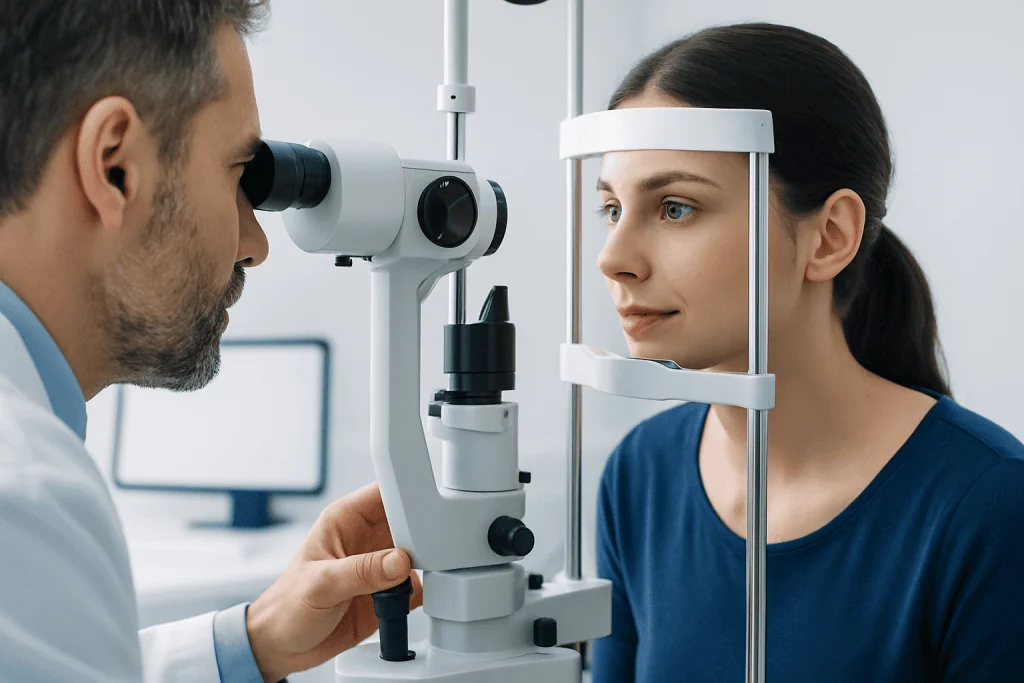
A routine eye assessment often includes visual acuity testing, refraction to check if glasses are needed, examination of the front of the eye, and measurement of eye pressure. The clinician may also evaluate tear film, eye movements, pupil responses, and the health of the retina and optic nerve, often after dilating the pupils.
Additional tests depend on the suspected cause. Imaging of the retina, corneal measurements, visual field testing, or tear assessment may help guide treatment. If blurred vision is due to a cataract, corneal shape issue, or retinal disease, diagnosis allows the care team to explain suitable next steps clearly and safely.
Because symptoms can overlap, self-diagnosis is not always reliable. For example, eye strain may come from uncorrected vision, dry eye, or a medical condition affecting the eye surface. A professional examination is the best way to understand the cause and avoid unnecessary delay.
Treatment Options and Everyday Management
Treatment depends on the underlying cause. For many people, the solution is straightforward: updated glasses, contact lens adjustment, improved lighting, more frequent breaks from screens, or treatment for dry eye. Lubricating drops, lid hygiene, allergy management, and reducing environmental triggers can improve comfort significantly.
When a structural eye condition is found, care may involve medication, laser treatment, or surgery. Cataract surgery can help when the eye’s natural lens becomes cloudy enough to interfere with daily activities. Some people with refractive errors may be candidates for smart lenses or cataract surgery, depending on age, lens status, and the overall health of the eye.
Chronic conditions such as glaucoma or diabetic eye disease usually require regular monitoring, even when symptoms are mild. Following the treatment plan consistently is important because some eye diseases progress slowly and silently. Vision can often be protected more effectively when treatment begins early.
Near the end of the care journey, patients may benefit from coordinated support across ophthalmology, imaging, and systemic disease management. Acibadem International’s multidisciplinary specialists and JCI-accredited hospitals diagnose and treat eye conditions for international patients when advanced evaluation or treatment is needed.
Protecting Vision: Prevention and Self-Care
Although not every eye condition can be prevented, healthy habits can reduce strain and support long-term vision. Routine eye examinations are important, especially for children, adults over 40, people with diabetes or hypertension, and anyone with a family history of eye disease. Correcting vision problems early can improve comfort, safety, and productivity.
Simple daily measures can also help. Taking regular screen breaks, blinking more often, adjusting brightness, keeping an appropriate reading distance, and using proper lighting may ease visual fatigue. Sunglasses with UV protection and protective eyewear for sports or hazardous work can reduce preventable damage.
General health matters too. Not smoking, managing blood sugar and blood pressure, staying physically active, and eating a balanced diet that includes leafy greens, fruits, and sources of omega-3 fats may support eye health. Contact lenses should always be used exactly as advised to lower the risk of infection.
- Schedule regular eye exams
- Use the correct glasses or contact lenses
- Take breaks during prolonged screen time
- Protect eyes from UV light and injury
- Manage diabetes, blood pressure, and other chronic conditions
- Seek advice early if symptoms persist
When to Seek Medical Care
Medical care should be sought if visual symptoms are persistent, getting worse, or interfering with daily life. Examples include repeated headaches with reading, ongoing blurred vision, increasing glare while driving, or eye dryness that does not improve with simple measures. These issues are often manageable, but they need proper evaluation.
Urgent assessment is important for sudden vision loss, severe eye pain, chemical exposure, eye injury, flashes of light, a sudden shower of floaters, or a dark shadow across vision. These symptoms can point to serious eye problems that benefit from rapid diagnosis and treatment.
Children should also be assessed if they squint often, sit too close to screens, rub their eyes frequently, complain of headaches, or appear to have one eye drifting. Early care supports learning and development as well as visual comfort.
In short, sight love may begin as a phrase about attraction, but healthy sight is also a practical part of communication, independence, and well-being. If changes in vision are affecting comfort or confidence, an eye doctor can help identify the cause and discuss safe treatment options.
Frequently asked questions
Is sight love a medical condition?
No. Sight love is a common phrase rather than a medical diagnosis. It usually refers to attraction based on visual impression, but discussions around it may naturally lead to questions about eye health and visual comfort.
Can poor vision affect confidence or social interaction?
Yes, it can. Blurred vision, glare, and eye strain may make reading facial expressions, maintaining eye contact, driving, or using screens less comfortable, which can affect confidence and participation in daily life.
What are the most common reasons for eye strain?
Common causes include uncorrected vision problems, prolonged screen use, dry eye, poor lighting, and contact lens discomfort. A routine eye exam can usually clarify the reason and guide treatment.
When is blurred vision an emergency?
Blurred vision needs urgent care if it begins suddenly, is accompanied by severe eye pain, flashes, many new floaters, or a shadow over vision. These symptoms may signal a serious condition that should be assessed quickly.
Can screen time permanently damage vision?
Screen time does not usually cause permanent eye damage in healthy eyes, but it can lead to dryness, fatigue, headaches, and temporary blur. Regular breaks, blinking, proper lighting, and updated vision correction can help.
How often should someone have an eye exam?
The right schedule depends on age, symptoms, and medical history. Children, older adults, people with diabetes or high blood pressure, and anyone with vision changes usually need regular exams based on a clinician’s advice.
This article is for general information only and is not a substitute for professional medical advice. Please consult a qualified doctor about your individual situation.
Explore treatments in Turkey — costs, top hospitals & a free quote
JCI-accredited · board-certified surgeons · reply within 24h
Add us as a Preferred Source to see more of our trusted health content across Google Search, AI Overviews and Discover.

More from the Health Library

Axillary: What Patients Need to Know

Scalp Scrubber: A Complete Medical Overview

Acute Intoxication: What Patients Need to Know

Stendahls Syndrom — Explained by Medical Evidence, Not Myths
Sphincter: An Evidence-Based Guide for Patients