Sleep Apnea Treatment: Early Signs, Risk Factors, and How It Is Treated
Sleep apnea is treatable, and early care can reduce daytime sleepiness and other health risks. Loud snoring, pauses in breathing, gasping during sleep, and waking unrefreshed are common warning signs.
Key Takeaways
- Sleep apnea is treatable, and early care can reduce daytime sleepiness and other health risks.
- Loud snoring, pauses in breathing, gasping during sleep, and waking unrefreshed are common warning signs.
- Diagnosis usually involves a medical evaluation and a sleep study performed at home or in a sleep lab.
- CPAP is a common and effective treatment, but oral appliances, weight management, and procedures may also help.
- Anyone with significant daytime drowsiness, observed breathing pauses, or high-risk medical conditions should seek medical advice.
Sleep apnea treatment aims to keep the airway open during sleep so breathing remains steady and restful. Depending on the cause and severity, treatment may include lifestyle measures, CPAP, oral appliances, positional strategies, or selected procedures.
Overview: What Sleep Apnea Treatment Involves
Sleep apnea treatment focuses on restoring normal breathing during sleep. In most cases, this means preventing repeated airway blockage, improving oxygen flow, and reducing sleep disruption. The best approach depends on the type of sleep apnea, how severe it is, and whether factors such as weight, nasal blockage, jaw structure, or other medical conditions are contributing.
There are different forms of sleep apnea. Obstructive sleep apnea is the most common and happens when the throat muscles and soft tissues narrow or block the airway during sleep. Central sleep apnea is less common and involves a problem with the brain’s breathing signals. Some people have mixed patterns. Because treatment differs by type, an accurate diagnosis is important before starting care.
For many patients, treatment does more than reduce snoring. It can improve sleep quality, daytime alertness, concentration, mood, and overall quality of life. It may also support better management of related conditions such as high blood pressure and heart disease. A tailored plan often combines more than one strategy rather than relying on a single solution.
Early Signs and Symptoms to Watch For
Sleep apnea often develops gradually, and the first signs may be easy to overlook. Many people know about loud snoring, but snoring alone does not confirm sleep apnea. More suggestive signs include pauses in breathing noticed by a partner, gasping or choking during sleep, restless sleep, and waking with a dry mouth or morning headache.
Daytime symptoms are also important. A person with sleep apnea may feel unusually tired despite spending enough time in bed. They may struggle with concentration, memory, mood, or staying alert while working, reading, or driving. Some people report irritability, reduced exercise tolerance, or a sense that their sleep is never refreshing.
Symptoms can vary by age and individual. Not everyone snores loudly, and some people mainly notice fatigue, poor focus, or insomnia-like complaints. In children, sleep apnea may show up as mouth breathing, restless sleep, snoring, bedwetting, daytime behavioral changes, or school difficulties. Because the symptoms can overlap with other conditions, medical evaluation helps clarify the cause.
- Loud, frequent snoring
- Observed pauses in breathing during sleep
- Gasping, choking, or sudden awakenings
- Morning headaches or dry mouth
- Excessive daytime sleepiness
- Poor concentration, memory problems, or mood changes
Causes and Risk Factors

Obstructive sleep apnea usually results from repeated collapse or narrowing of the upper airway during sleep. The airway can become blocked by the tongue, soft palate, tonsils, or surrounding throat tissues. This is more likely when muscle tone naturally decreases during sleep. Factors such as body weight, sleeping position, and alcohol or sedative use can make airway collapse more likely.
Several risk factors increase the chance of sleep apnea. These include excess weight, a larger neck circumference, nasal obstruction, enlarged tonsils, certain jaw or facial structures, and a family history of sleep apnea. Age can also play a role, although sleep apnea can affect younger adults and children as well. In some people, symptoms are worse when sleeping on the back.
Sleep apnea is also linked with other health conditions. High blood pressure, atrial fibrillation, type 2 diabetes, stroke, and heart failure may coexist with sleep-disordered breathing. In central sleep apnea, causes can include neurologic disease, heart failure, opioid medications, or complex changes in breathing control during sleep. A careful evaluation helps identify which risks matter most in each case, especially when symptoms suggest sleep apnea or a related sleep-breathing disorder.
How Sleep Apnea Is Diagnosed
Diagnosis starts with a detailed medical history and physical examination. A clinician will usually ask about snoring, witnessed breathing pauses, daytime sleepiness, sleep habits, medications, alcohol use, nasal symptoms, and other health conditions. Bed partners can often provide helpful observations. The examination may assess the nose, throat, jaw, tongue, neck, and weight-related factors that may affect airflow.
The main test for diagnosis is a sleep study. This may be done as a home sleep apnea test in selected adults or as a full overnight study in a sleep laboratory, called polysomnography. These tests measure breathing patterns, oxygen levels, heart rate, and other sleep-related signals. The results help confirm whether sleep apnea is present and how severe it is.
Further testing is sometimes needed when the picture is unclear or when central sleep apnea is suspected. Doctors may also evaluate related issues such as nasal blockage, enlarged tonsils, or heart and lung conditions. An accurate diagnosis is important because treatment should match the underlying problem, not just the symptom of snoring. In some cases, specialists may also assess whether snoring reflects a simple vibration problem or a more significant airway disorder.
Sleep Apnea Treatment Options
Sleep apnea treatment is individualized. Mild cases may improve with lifestyle changes and positional therapy, while moderate to severe obstructive sleep apnea often requires a device-based approach. The goals are to keep the airway open, prevent oxygen drops, improve sleep quality, and reduce symptoms and long-term strain on the body.
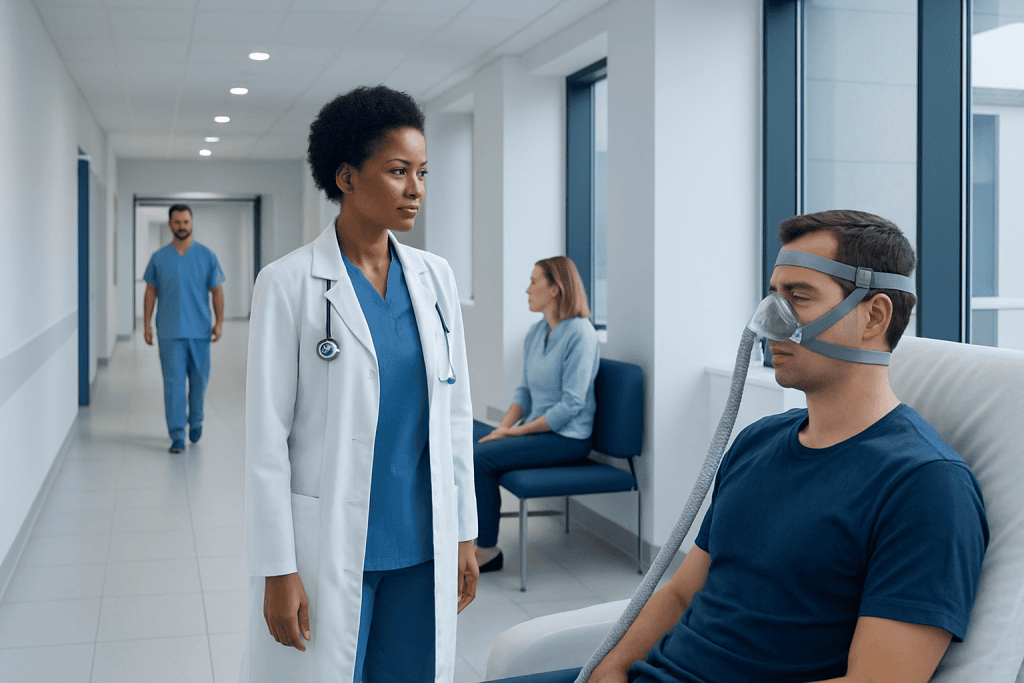
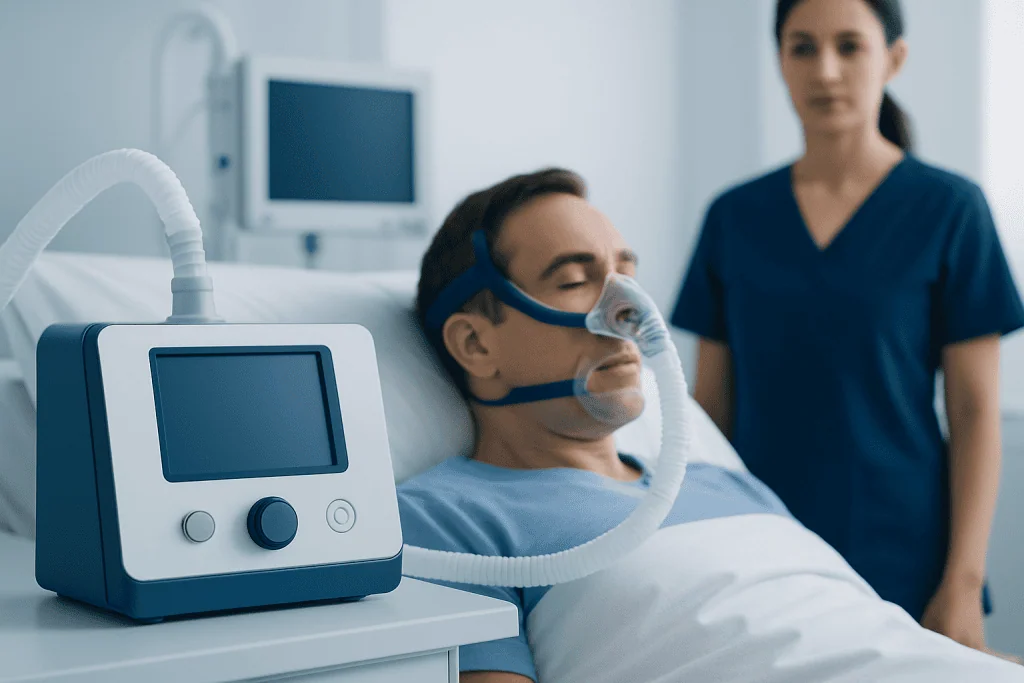
Continuous positive airway pressure, or CPAP, is one of the most established treatments for obstructive sleep apnea. It works by delivering gentle air pressure through a mask to prevent the airway from collapsing during sleep. Although adjusting to CPAP can take time, many patients experience meaningful improvement when the mask fit and pressure settings are optimized. Related options such as bilevel positive airway pressure may be used in selected situations; this is generally discussed as part of sleep apnea treatment.
For some patients, a custom oral appliance made by a trained dental professional can help. These devices usually reposition the lower jaw or tongue to improve airflow, and they may be suitable for certain mild to moderate cases or for people who cannot tolerate CPAP. Positional therapy, which aims to reduce sleeping on the back, may also help in position-dependent sleep apnea.
Procedures or surgery may be considered when there is a clear structural blockage or when conservative treatment has not worked well enough. Options vary and can include treatment for enlarged tonsils, nasal obstruction, or selected throat or jaw-related problems. If nasal blockage is making breathing or CPAP use difficult, evaluation by an ENT team may be useful, and care can sometimes include septoplasty or treatment for chronic sinus problems when clinically appropriate. In carefully selected patients with severe obesity, weight-focused approaches may also be part of long-term management, including discussion of obesity surgery if recommended by specialists.
Prevention, Self-care, and Living Well With Treatment
Not every case of sleep apnea can be prevented, but some measures can lower risk or improve control. Weight management is often important because excess tissue around the airway can worsen obstruction. Even modest weight loss may reduce symptoms in some people, though it does not replace medical evaluation. Regular physical activity, good sleep habits, and limiting alcohol close to bedtime may also help.
Managing nasal congestion can make nighttime breathing easier and may improve comfort with CPAP or oral appliances. Side-sleeping may benefit people whose symptoms worsen on their back. It is also helpful to review medications with a doctor, especially if sedatives or other drugs may affect breathing during sleep.
Successful treatment often depends on follow-up and adjustment. CPAP masks may need refitting, pressure settings may require review, and oral appliances need monitoring for comfort and effectiveness. People who continue to feel sleepy despite treatment should tell their doctor, because poor mask fit, insufficient use, central events, or another sleep disorder may be involved. Near the end of the care pathway, some patients choose centers with coordinated expertise; Acibadem International’s multidisciplinary specialists and JCI-accredited hospitals evaluate and treat sleep-related breathing disorders for international patients.
When to Seek Medical Care
Medical care is recommended if a person snores loudly and regularly, has witnessed pauses in breathing, gasps during sleep, or feels persistently tired during the day. Evaluation is especially important when sleepiness affects driving, work, or daily safety. These symptoms should not be dismissed as a normal part of aging or stress.
Prompt assessment is also wise for people with high blood pressure, heart disease, stroke history, diabetes, obesity, or atrial fibrillation, because sleep apnea may make these conditions harder to manage. Children with habitual snoring, mouth breathing, restless sleep, or behavioral changes should also be assessed by a qualified clinician.
Urgent medical attention may be needed if breathing problems during sleep are accompanied by severe daytime drowsiness, near-miss accidents from sleepiness, chest pain, or concerning heart or neurological symptoms. A doctor can decide whether sleep testing, specialist referral, or another evaluation is needed.
Frequently asked questions
What is the most effective sleep apnea treatment?
The most effective treatment depends on the type and severity of sleep apnea and the person's anatomy and health. For many adults with obstructive sleep apnea, CPAP is highly effective when used consistently. Other people may do well with an oral appliance, positional therapy, weight management, or selected procedures.
Can sleep apnea go away with weight loss?
Weight loss can reduce the severity of obstructive sleep apnea in some people, especially when excess weight is a major factor. However, it does not guarantee a cure, and some people continue to have sleep apnea even after losing weight. Follow-up testing is often needed to know whether treatment should continue or change.
Is snoring always a sign of sleep apnea?
No. Snoring is common and can happen without sleep apnea. Sleep apnea becomes more likely when snoring is combined with witnessed pauses in breathing, gasping, morning headaches, or excessive daytime sleepiness.
How is sleep apnea diagnosed at home?
Some adults can be evaluated with a home sleep apnea test prescribed by a clinician. The device usually records breathing effort, airflow, oxygen levels, and sometimes body position. If the result is unclear or another sleep disorder is suspected, a full sleep lab study may still be needed.
What happens if sleep apnea is left untreated?
Untreated sleep apnea can lead to ongoing poor-quality sleep and daytime fatigue. Over time, it may also contribute to problems such as difficulty concentrating and may complicate conditions like high blood pressure or heart disease. This is why persistent symptoms deserve medical attention.
Are sleep apnea machines the only treatment option?
No. CPAP and similar machines are common and effective, but they are not the only option. Depending on the situation, treatment may include oral appliances, lifestyle changes, positional therapy, treatment of nasal blockage, or surgery for selected structural causes.
References
- American Academy of Sleep Medicine
- National Heart, Lung, and Blood Institute
- Centers for Disease Control and Prevention
- National Institute of Neurological Disorders and Stroke
- American Thoracic Society
This article is for general information only and is not a substitute for professional medical advice. Please consult a qualified doctor about your individual situation.
Sleep Apnea in Turkey — costs, top hospitals & a free quote
JCI-accredited · board-certified surgeons · reply within 24h
Add us as a Preferred Source to see more of our trusted health content across Google Search, AI Overviews and Discover.
Check your numbers in seconds
BMI, calories, due date, blood pressure and 30+ more clinical calculators — free, instant, doctor-reviewed ranges.

Otorhinolaryngology (ENT)
Care for ear, nose, throat and head-and-neck conditions, including hearing and balance disorders.
126 specialists in this unit