

Sleeve Gastrectomy for BMI 30 to 35: When Lower-BMI Patients May Qualify

A BMI of 30 to 35 does not automatically qualify someone for sleeve gastrectomy, but selected patients may be candidates. Doctors usually consider surgery when obesity-related conditions such as type 2 diabetes, sleep apnea, or high blood pressure are present.
Key Takeaways
- A BMI of 30 to 35 does not automatically qualify someone for sleeve gastrectomy, but selected patients may be candidates.
- Doctors usually consider surgery when obesity-related conditions such as type 2 diabetes, sleep apnea, or high blood pressure are present.
- A full assessment includes medical history, eating patterns, mental health, previous weight-loss attempts, and surgical risk.
- Sleeve gastrectomy can support meaningful weight loss and metabolic improvement, but it still requires lifelong nutrition and lifestyle changes.
- Non-surgical treatments may be appropriate for some lower-BMI patients and should be reviewed alongside surgical options.
Sleeve gastrectomy is sometimes considered for people with a BMI of 30 to 35, especially when weight-related medical conditions are present and non-surgical treatment has not led to lasting improvement. Careful evaluation is essential because eligibility depends on overall health, risks, and realistic expectations rather than BMI alone.
Overview
Sleeve gastrectomy is a type of weight-loss surgery that reduces the size of the stomach. During the procedure, a large portion of the stomach is removed, leaving a narrow “sleeve” or tube-shaped stomach. This smaller stomach helps people feel full sooner and may also affect hormones involved in hunger, appetite, and blood sugar regulation.
Traditionally, bariatric surgery was offered mainly to people with higher body mass index (BMI) levels. However, medical thinking has evolved. Some adults with a BMI of 30 to 35 may be considered for surgery if they have obesity-related conditions that are affecting health and quality of life, especially when structured diet, exercise, behavioral support, and medication have not produced enough lasting benefit.
This approach is sometimes called metabolic surgery because the goal is not only weight loss but also improvement in conditions such as type 2 diabetes. Even so, surgery at a lower BMI is not routine for everyone. Specialists carefully weigh the potential benefits against the risks and discuss whether sleeve gastrectomy or another option is the most appropriate path.
Who May Qualify at a BMI of 30 to 35
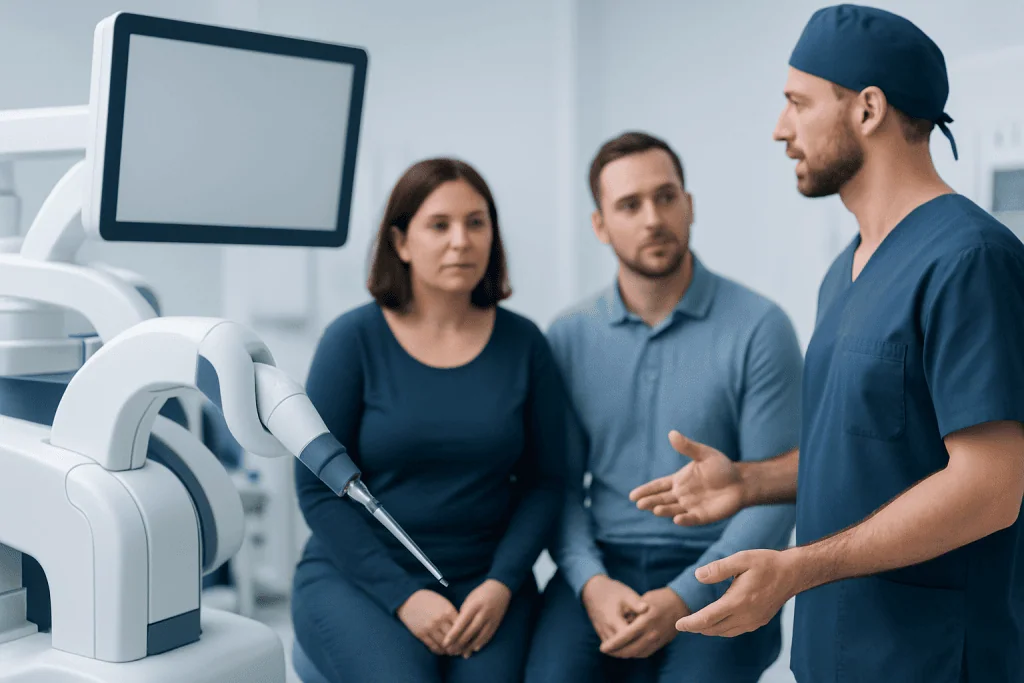
Qualification for sleeve gastrectomy at a BMI of 30 to 35 depends on more than a number. In many cases, doctors consider surgery when a person has obesity-related health problems, such as type 2 diabetes, high blood pressure, fatty liver disease, obstructive sleep apnea, high cholesterol, joint strain, or reduced mobility. The severity of these conditions and how much they interfere with daily life are important factors.
Another key consideration is whether the person has already tried comprehensive non-surgical treatment. Most teams want to see a serious effort with medically supervised nutrition changes, physical activity, behavioral therapy, and sometimes anti-obesity medication. Surgery is generally discussed when these measures have not led to durable weight loss or adequate control of metabolic disease.
Suitability also depends on age, general medical fitness, understanding of the procedure, and willingness to commit to long-term follow-up. People who are considering surgery should know that BMI is only a screening tool. A person with a BMI in this range may still not be a good candidate, while another person with the same BMI and significant complications from obesity-related disease may benefit from surgical treatment.
- Adults with a BMI of 30 to 35 and type 2 diabetes that is difficult to control may be considered.
- Those with multiple weight-related conditions may qualify after specialist evaluation.
- Candidates should be able to participate in lifelong nutrition, vitamin monitoring, and follow-up care.
- Active substance misuse, untreated eating disorders, or uncontrolled psychiatric illness may delay surgery until properly managed.
How Sleeve Gastrectomy Works
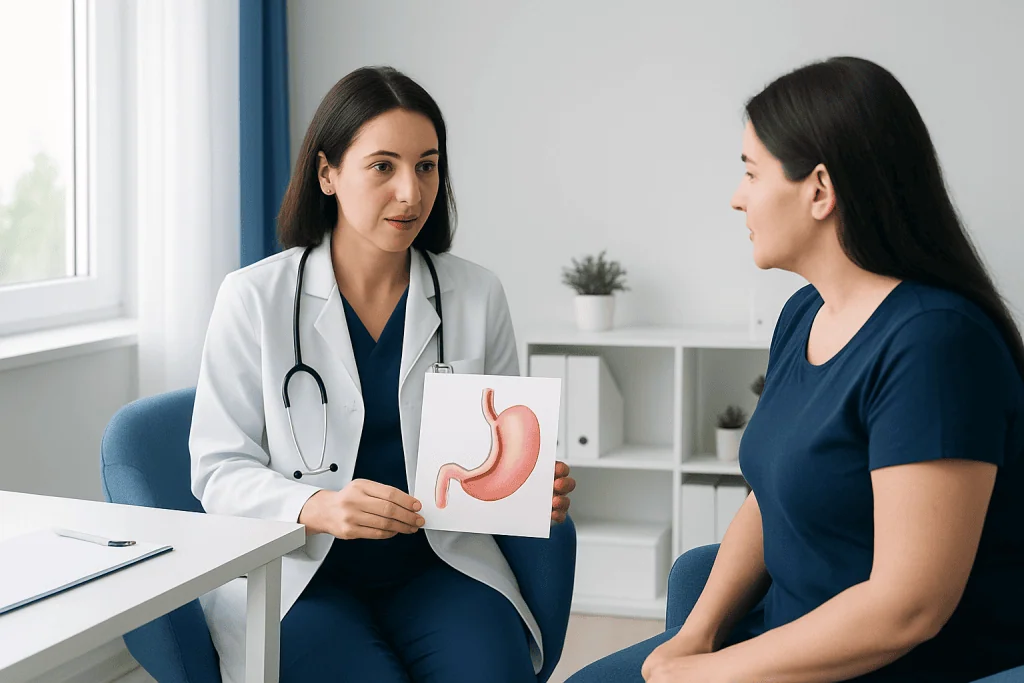
Sleeve gastrectomy works in several ways. First, the smaller stomach holds much less food than before, so portion sizes decrease. Second, the operation changes gut hormones that influence appetite and satiety, which can help reduce hunger. In some patients, these hormonal effects also improve insulin sensitivity and blood sugar control.
The procedure is usually performed using minimally invasive techniques through small incisions, often as part of laparoscopic surgery. Compared with some other bariatric operations, sleeve gastrectomy does not reroute the intestines. That makes the anatomy simpler, though it is still major surgery and requires careful preparation and recovery.
For lower-BMI patients, the expected benefits may include moderate to substantial weight loss, improved metabolic health, and better control of obesity-related conditions. However, the amount of benefit varies from person to person. Some people may be better suited to a broader bariatric surgery discussion that compares sleeve gastrectomy with other procedures or non-surgical options.
Benefits, Limits, and Risks
In the right patient, sleeve gastrectomy can lead to meaningful health improvement. Many people experience better blood sugar control, lower blood pressure, easier movement, and better sleep. Some also notice reduced hunger and improved confidence in following healthy habits. For patients with early or moderately severe metabolic disease, these changes may be especially valuable.
Still, sleeve gastrectomy is not a quick fix. It does not remove the need for healthy eating, regular activity, emotional support, and long-term follow-up. Weight regain can happen if eating habits drift over time or if important psychological factors are not addressed. Surgery should be seen as a tool within a lifelong treatment plan.
Like any operation, sleeve gastrectomy has risks. These can include bleeding, infection, blood clots, anesthesia-related complications, leakage from the staple line, narrowing of the stomach, reflux symptoms, dehydration, and vitamin or mineral deficiencies. The risk level depends on the patient’s health, surgical experience, and post-operative care. A specialist team explains these issues in detail so the decision is informed and balanced.
Some lower-BMI patients may also discover that a non-surgical approach is more suitable, such as intensive lifestyle treatment, medication, or an endoscopic option. In selected cases, doctors may discuss alternatives like gastric balloon treatment or other procedures depending on goals, medical history, and personal preferences.
Evaluation and Diagnosis Before Surgery
Before sleeve gastrectomy is approved, the patient usually undergoes a comprehensive evaluation. This starts with confirming height, weight, BMI, waist measurements, and obesity-related medical conditions. Doctors review previous weight-loss efforts, current medications, family history, and any conditions that may increase surgical risk.
Laboratory tests are commonly used to check blood sugar, cholesterol, liver and kidney function, thyroid status, nutritional markers, and blood counts. Depending on symptoms and medical history, a patient may also need a sleep study for suspected obstructive sleep apnea, heart evaluation, gastrointestinal assessment, or imaging. If there are digestive symptoms, specialists may rule out problems such as reflux, gallstones, or abdominal wall conditions like incisional hernia that could affect planning.
Nutrition and mental health assessments are equally important. A dietitian helps identify meal patterns, protein intake, emotional eating, and readiness for post-surgery changes. A psychologist or psychiatrist may evaluate mood disorders, binge eating, stress, trauma history, or unrealistic expectations. This is not meant to exclude people unfairly; it helps improve safety and long-term success.
Treatment Options and Decision-Making
For a person with a BMI of 30 to 35, treatment decisions should be individualized. Some patients do very well with structured medical weight management, especially when newer anti-obesity medications, a dietitian-led program, and regular follow-up are available. Others continue to struggle with weight-related disease despite these efforts and may benefit more from surgery.
When sleeve gastrectomy is being considered, doctors compare it with other options based on the patient’s health profile. If severe reflux is present, another operation such as gastric bypass may sometimes be discussed. If the patient prefers a less invasive or reversible option, temporary treatments may be reviewed, though these may not offer the same metabolic effects as surgery.
Shared decision-making is central. The care team explains likely benefits, possible complications, expected lifestyle changes, and the level of follow-up required. The patient’s goals also matter: one person may prioritize diabetes improvement, while another may focus on mobility, fertility planning, or reducing medication burden. The best treatment is the one that matches medical needs, safety, and readiness for long-term change.
Recovery, Nutrition, and Long-Term Self-Care
Recovery after sleeve gastrectomy usually involves a staged return to eating. Patients begin with liquids, then progress to pureed and soft foods before moving to long-term balanced meals. Small portions, slow eating, good hydration, and adequate protein are essential. Follow-up visits help monitor healing, food tolerance, and early weight changes.
Because the stomach is smaller, long-term nutrition habits become very important. Patients are often advised to take prescribed vitamin and mineral supplements and to have periodic blood tests to check for deficiencies. Ongoing support from a dietitian can make it easier to meet protein, fluid, and micronutrient needs without overeating.
Physical activity, sleep, stress management, and mental health care all play a role in maintaining results. People who attend follow-up appointments and address emotional or behavioral challenges early often do better over time. Near the end of the care pathway, some international patients choose evaluation at centers such as Acibadem International, where multidisciplinary specialists in JCI-accredited hospitals diagnose and treat obesity and offer options including gastric sleeve surgery when appropriate.
When to See a Doctor
A person should speak with a doctor about weight-loss surgery if a BMI of 30 to 35 is accompanied by obesity-related health problems that are difficult to control. This is especially important if structured lifestyle treatment has not produced lasting improvement, or if conditions such as diabetes, sleep apnea, or fatty liver disease are progressing.
Medical advice is also important when weight is affecting daily function, mental wellbeing, fertility, or the ability to exercise safely. A doctor can help determine whether symptoms are related mainly to excess weight or whether other conditions need attention. In many cases, referral to a bariatric or metabolic specialist provides the clearest picture of available options.
Anyone who has already had bariatric surgery and develops severe abdominal pain, persistent vomiting, signs of dehydration, fever, chest pain, shortness of breath, or trouble swallowing should seek urgent medical care. These symptoms do not always mean a serious complication, but prompt evaluation is important for safety.
Frequently asked questions
Can someone with a BMI of 30 to 35 get sleeve gastrectomy?
Yes, some people in this BMI range may qualify, but not automatically. Doctors usually consider surgery when obesity-related conditions are present and non-surgical treatment has not worked well enough. Eligibility depends on a full medical assessment, not BMI alone.
What health conditions may support eligibility for surgery at a lower BMI?
Common examples include type 2 diabetes, sleep apnea, high blood pressure, fatty liver disease, and high cholesterol. Joint pain, mobility problems, and other weight-related complications may also be relevant. The overall impact of these conditions on health is part of the decision.
Is sleeve gastrectomy safe for lower-BMI patients?
It can be safe when performed in appropriate candidates by an experienced bariatric team. However, it is still major surgery and carries risks such as bleeding, infection, reflux, leaks, and nutritional deficiencies. Careful pre-operative assessment and long-term follow-up are important.
Will surgery cure diabetes if BMI is between 30 and 35?
Surgery may significantly improve blood sugar control, and some patients need fewer diabetes medications afterward. However, results vary, and not everyone achieves remission. Ongoing monitoring and healthy lifestyle habits remain important even when diabetes improves.
Do patients need to try diet and exercise before sleeve gastrectomy?
In most cases, yes. Doctors generally want to see that the patient has made serious, structured efforts with lifestyle treatment and, when appropriate, medication. This helps confirm that surgery is being chosen for the right reasons and with realistic expectations.
Are there alternatives to sleeve gastrectomy for BMI 30 to 35?
Yes. Depending on the person’s health and goals, options may include medically supervised weight management, anti-obesity medications, endoscopic treatments, or other bariatric procedures. A specialist can explain which option is most suitable and why.
References
- American Society for Metabolic and Bariatric Surgery
- International Federation for the Surgery of Obesity and Metabolic Disorders
- National Institute of Diabetes and Digestive and Kidney Diseases
- National Institute for Health and Care Excellence
- World Health Organization
This article is for general information only and is not a substitute for professional medical advice. Please consult a qualified doctor about your individual situation.
Sleeve Gastrectomy in Turkey — costs, top hospitals & a free quote
JCI-accredited · board-certified surgeons · reply within 24h
Add us as a Preferred Source to see more of our trusted health content across Google Search, AI Overviews and Discover.
Check your numbers in seconds
BMI, calories, due date, blood pressure and 30+ more clinical calculators — free, instant, doctor-reviewed ranges.

Bariatric & Metabolic Surgery
Surgical and endoscopic treatments for obesity and metabolic conditions.
Related Treatments
Related Conditions
More from the Health Library



Related Specialists

Prof. Dr. Tayfun Karahasanoğlu
General Surgery
Prof. Dr. Güralp Onur Ceyhan
General Surgery
Prof. Dr. Volkan Özben
General Surgery
Assoc. Prof. Dr. Halil Kara
General Surgery