Small Cell Lung Carcinoma: Symptoms and Treatment

Small cell lung carcinoma is a fast-growing lung cancer strongly linked to smoking. Common symptoms include a persistent cough, chest pain, shortness of breath, and unexplained weight loss.
Key Takeaways
- Small cell lung carcinoma is a fast-growing lung cancer strongly linked to smoking.
- Common symptoms include a persistent cough, chest pain, shortness of breath, and unexplained weight loss.
- Diagnosis usually involves imaging tests, biopsy, and staging to see whether the cancer has spread.
- Treatment often includes chemotherapy, radiation therapy, immunotherapy, and supportive care.
- Stopping smoking and seeking medical advice early can improve overall health and treatment planning.
Small cell lung carcinoma is an aggressive type of lung cancer that tends to grow and spread quickly. Early evaluation of symptoms and prompt treatment can help control the disease, relieve symptoms, and support quality of life.
Overview
Small cell lung carcinoma is a type of lung cancer that begins in neuroendocrine cells in the lungs. It is less common than non-small cell lung cancer, but it usually grows more quickly and can spread to other parts of the body at an earlier stage. Because of this behavior, timely diagnosis and treatment are especially important.
This cancer is often grouped into two stages for treatment planning: limited-stage disease, when cancer is mainly confined to one side of the chest and can be treated within a single radiation field, and extensive-stage disease, when it has spread more widely. This simpler staging system helps doctors choose the most appropriate treatment approach.
Although small cell lung carcinoma can be challenging, many people benefit from a combination of treatments that may shrink the cancer, improve breathing and comfort, and extend survival. Care is usually provided by a multidisciplinary team that may include chest physicians, oncologists, radiation oncologists, radiologists, pathologists, and supportive care specialists.
Symptoms
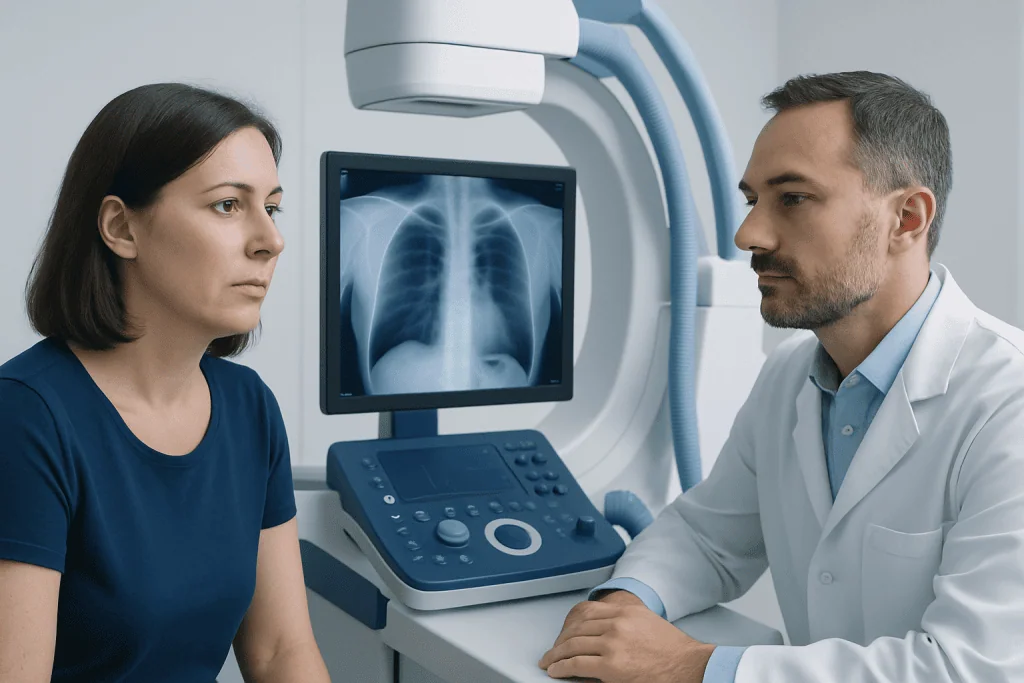
Symptoms of small cell lung carcinoma can vary depending on where the tumor is located and whether it has spread. In the early stages, some people may have very mild symptoms or no symptoms at all. Others may notice signs that are similar to other lung conditions, which is why medical assessment is important if symptoms persist.
Common symptoms may include a cough that does not go away, coughing up blood, chest pain, wheezing, shortness of breath, fatigue, hoarseness, and repeated chest infections such as bronchitis or pneumonia. General symptoms such as loss of appetite and unexplained weight loss are also common in many cancers, including lung cancer.
If the cancer spreads, it can cause additional symptoms depending on the affected area. For example, spread to the brain may lead to headaches, dizziness, weakness, or confusion, while spread to the bones may cause pain. Some people also develop paraneoplastic syndromes, which are symptoms caused by substances released by the tumor rather than by the tumor itself.
- Persistent cough or change in a chronic cough
- Chest discomfort or pain
- Shortness of breath or wheezing
- Coughing up blood
- Unexplained weight loss and fatigue
- Headaches, bone pain, or neurological symptoms if spread has occurred
Causes and Risk Factors
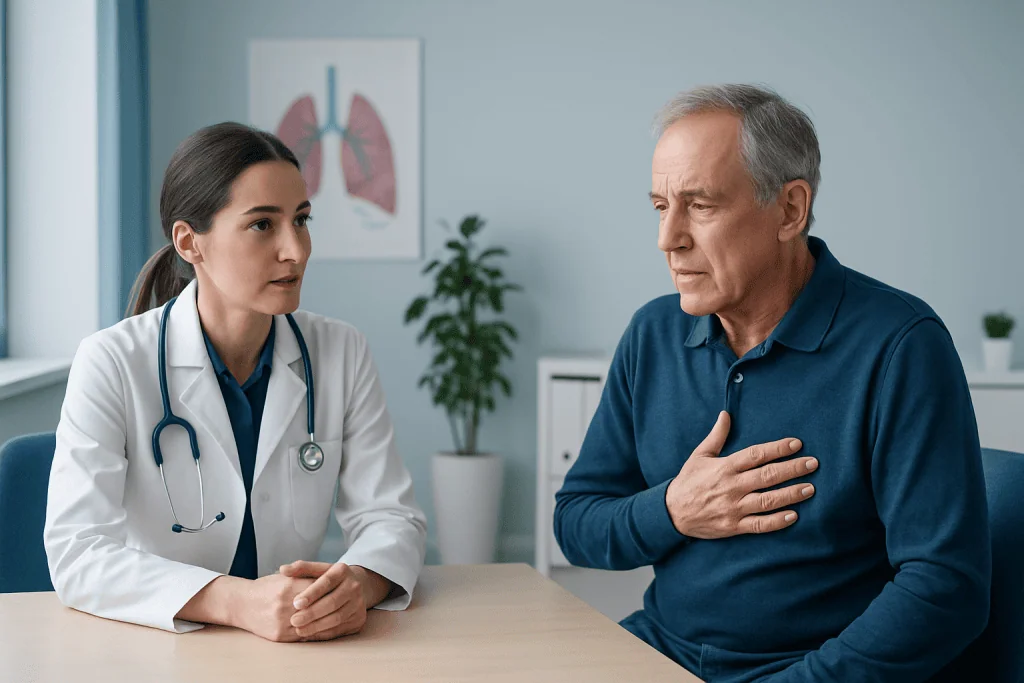
The strongest risk factor for small cell lung carcinoma is tobacco smoking. Most cases occur in people who currently smoke or have smoked in the past. The harmful chemicals in tobacco smoke can damage lung cells over time, increasing the chance that cancer will develop.
Secondhand smoke may also raise risk, although to a lesser degree than direct smoking. Other possible contributors include exposure to radon gas, asbestos, air pollution, and certain workplace chemicals. A personal or family history of lung cancer may also play a role, though smoking remains the most significant factor in most patients.
It is important to remember that having risk factors does not mean a person will definitely develop cancer, and some people with lung cancer may not have obvious risk factors other than smoking history. A doctor may ask about smoking, occupational exposures, previous lung disease, and general health to better understand an individual’s risk profile.
Diagnosis and Staging
Diagnosis usually begins with a medical history, physical examination, and imaging tests. A chest X-ray may first suggest a lung problem, but more detailed imaging such as a CT scan is commonly used to look at the lungs and nearby lymph nodes. PET-CT and MRI may also be recommended to see whether the cancer has spread to other organs, especially the brain.
A biopsy is needed to confirm small cell lung carcinoma. This may be done through bronchoscopy, a needle biopsy guided by imaging, or sampling of lymph nodes in the chest. A pathologist examines the tissue under a microscope to identify the cancer type, which is essential because treatment differs between small cell and non-small cell lung cancer.
After diagnosis, doctors determine the stage of the disease and assess the person’s overall health, including lung function and fitness for treatment. Blood tests and other evaluations may help with treatment planning. Accurate staging guides decisions about whether treatment should focus on controlling cancer in the chest, treating cancer throughout the body, relieving symptoms, or combining these goals.
Treatment Options
Treatment for small cell lung carcinoma depends on the stage, how far the cancer has spread, the person’s general health, and personal preferences. Because this cancer often grows quickly, systemic treatment is commonly needed. Chemotherapy is a main treatment, and it may be used alone or together with other therapies. In some patients, immunotherapy may be added, especially in extensive-stage disease.
Radiation therapy is often used along with chemotherapy for limited-stage disease or to relieve symptoms in other stages. It may also be used to treat areas where the cancer has spread, such as the brain or bones. Depending on the individual situation, the care team may recommend chemotherapy, radiation therapy, or immunotherapy as part of a personalized plan.
Surgery is less common in small cell lung carcinoma than in other lung cancers because the disease often has already spread by the time it is found. However, in a small number of carefully selected patients with very early-stage disease, surgery may be considered, usually followed by additional treatment. Supportive and palliative care is also an important part of treatment, helping manage pain, breathlessness, fatigue, nausea, and emotional stress at every stage of care.
Treatment response is monitored with follow-up visits and imaging. If the cancer returns or stops responding to initial therapy, the doctor may discuss further systemic therapy, clinical trials, symptom-focused treatment, or a different combination of therapies. The aim is to balance cancer control with quality of life and the patient’s goals.
Prevention and Self-care
The most effective way to lower the risk of small cell lung carcinoma is to avoid smoking or stop smoking as early as possible. Quitting can be beneficial at any age, even after many years of smoking, because it may reduce the risk of further lung damage and improve general health. Avoiding secondhand smoke and reducing exposure to harmful workplace substances are also helpful.
For people already diagnosed with small cell lung carcinoma, self-care focuses on supporting the body during treatment and recovery. This may include eating regular nourishing meals, staying as active as energy levels allow, keeping vaccinations up to date when advised by a doctor, and reporting side effects early so they can be managed. Emotional support from family, counseling, or patient support groups can also be valuable.
Patients should follow the treatment schedule carefully and attend all recommended scans and checkups. It is also important to ask about pulmonary rehabilitation, pain control, sleep support, and symptom management if breathing problems or fatigue interfere with daily life. Good communication with the care team often helps people feel more informed and supported.
When to See a Doctor
A person should seek medical advice if they have a cough lasting more than a few weeks, cough up blood, notice unexplained weight loss, feel ongoing shortness of breath, or develop persistent chest pain. These symptoms do not always mean cancer, but they should not be ignored, especially in someone with a smoking history or other risk factors.
People already diagnosed with small cell lung carcinoma should contact their doctor promptly if they develop worsening breathlessness, severe pain, confusion, fever, dehydration, or side effects that make it hard to eat, drink, or function normally. Early attention to these problems can prevent complications and improve comfort.
At specialized centers, diagnosis and treatment are planned by teams with expertise in thoracic cancers. Acibadem International’s multidisciplinary specialists and JCI-accredited hospitals care for international patients with lung cancers, including small cell lung carcinoma, with coordinated evaluation and treatment planning that may include lung cancer treatment.
Frequently asked questions
What is small cell lung carcinoma?
Small cell lung carcinoma is a fast-growing type of lung cancer that usually starts in the central airways of the lungs. It is strongly associated with smoking and often spreads earlier than some other lung cancers.
What are the first symptoms of small cell lung carcinoma?
Early symptoms may include a persistent cough, shortness of breath, chest pain, fatigue, or unexplained weight loss. Some people also cough up blood or develop repeated chest infections.
How is small cell lung carcinoma diagnosed?
Doctors usually use imaging tests such as CT scans and may also order PET-CT or MRI to check for spread. A biopsy is needed to confirm the diagnosis and identify the exact cancer type.
Can small cell lung carcinoma be cured?
In some people with very early or limited-stage disease, treatment can lead to long periods of control and sometimes potential cure. However, because this cancer often spreads early, many treatments are aimed at controlling the disease, relieving symptoms, and prolonging life.
What treatments are used for small cell lung carcinoma?
Treatment often includes chemotherapy and may also include radiation therapy and immunotherapy. Surgery is used less often, but it may be considered in selected early-stage cases.
Is small cell lung carcinoma always caused by smoking?
Smoking is the main risk factor and is linked to most cases, but not every person with the disease has the same exposure history. Other factors such as secondhand smoke, radon, and workplace exposures may also contribute.
What should patients ask their doctor after diagnosis?
Helpful questions include the stage of the cancer, the goals of treatment, possible side effects, and whether additional tests are needed. Patients may also ask about supportive care, smoking cessation support, and follow-up planning.
References
- World Health Organization
- National Cancer Institute
- American Cancer Society
- National Comprehensive Cancer Network
- European Society for Medical Oncology
This article is for general information only and is not a substitute for professional medical advice. Please consult a qualified doctor about your individual situation.
Oncology care in Turkey — second opinion and treatment plan
JCI-accredited · board-certified surgeons · reply within 24h
Add us as a Preferred Source to see more of our trusted health content across Google Search, AI Overviews and Discover.