

Smoking, Vaping, and Lung Damage: What the Evidence Really Shows

Cigarette smoking is a major proven cause of chronic lung disease, lung cancer, and reduced lung function. Vaping exposes the lungs to aerosols and chemicals that may irritate and damage airways, even if it does not involve burning tobacco.
Key Takeaways
- Cigarette smoking is a major proven cause of chronic lung disease, lung cancer, and reduced lung function.
- Vaping exposes the lungs to aerosols and chemicals that may irritate and damage airways, even if it does not involve burning tobacco.
- The long-term effects of vaping are still being studied, so lack of decades-long data does not mean lack of risk.
- People with asthma, COPD, heart disease, or a history of smoking may be especially vulnerable to respiratory harm.
- Stopping smoking and avoiding vaping can improve symptoms, slow further lung damage, and support overall health.
Smoking and vaping can both affect lung health, but the strength of evidence is not identical. Cigarette smoking has decades of strong evidence linking it to serious lung disease, while vaping appears less studied over the long term but is not harmless and may still injure the airways and lungs.
Overview
When people compare smoking and vaping, a common question is whether vaping is safer for the lungs than cigarettes. The clearest answer is that cigarette smoking is far more thoroughly proven to cause major lung harm, including chronic obstructive pulmonary disease (COPD), emphysema, chronic bronchitis, lung cancer, and worsening asthma. This evidence comes from many decades of research across large populations.
Vaping is newer, so long-term evidence is still developing. However, newer does not mean harmless. E-cigarettes heat liquids into an aerosol that can contain nicotine, ultrafine particles, flavoring chemicals, solvents, and other substances that may irritate or inflame the airways. Research suggests that vaping can affect breathing, trigger cough or wheeze, and may contribute to lung injury in some people.
It is also important to separate different questions. One question is whether vaping is risk-free; the answer is no. Another is whether a person who already smokes cigarettes may reduce exposure to some harmful combustion products by switching completely from smoking to vaping. That may lower exposure to certain toxins, but it does not remove health risk, and dual use of both products can still be harmful.
How Smoking Damages the Lungs
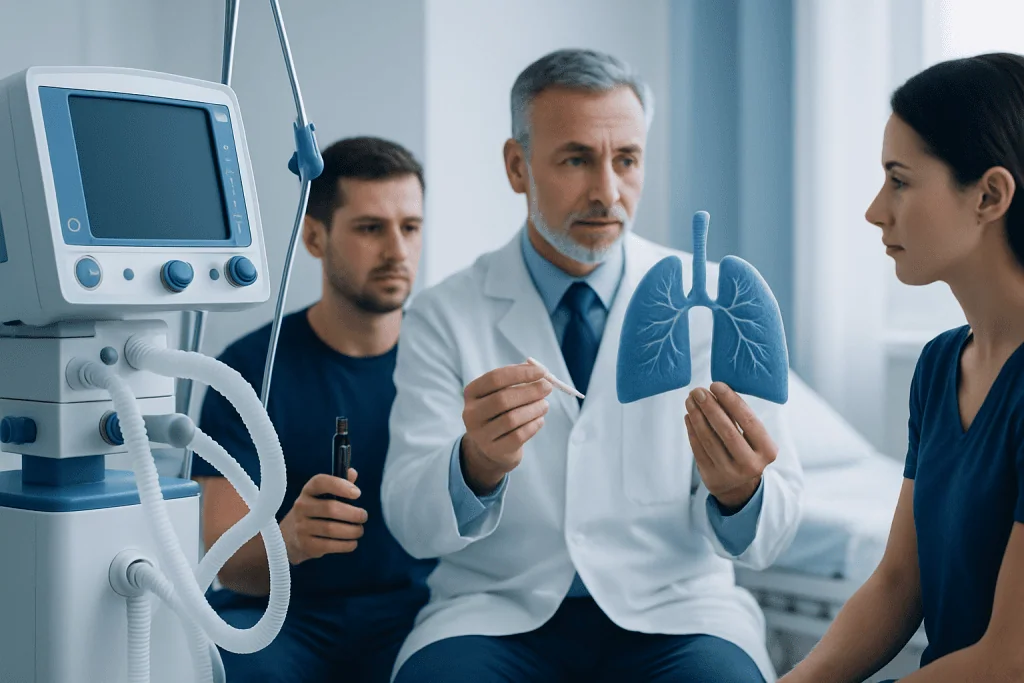
Cigarette smoke contains thousands of chemicals, including many known toxic and cancer-causing substances. Because tobacco burns, smoke carries tar, carbon monoxide, oxidants, and fine particles deep into the lungs. Over time, these substances injure the lining of the airways, increase inflammation, and impair the lungs’ natural cleaning system.
One key effect is damage to the tiny hair-like structures called cilia, which help clear mucus, germs, and debris. When cilia stop working well, mucus can build up, infections may become more likely, and a long-term cough can develop. Smoking also promotes narrowing of the airways and destruction of the air sacs where oxygen exchange happens, contributing to conditions such as chronic bronchitis and emphysema.
The link between smoking and serious disease is well established. Smoking is a leading cause of lung cancer and a major driver of COPD. In many people, lung function declines faster with continued smoking, which can lead to breathlessness during everyday activities such as walking, climbing stairs, or sleeping comfortably.
What the Evidence Shows About Vaping
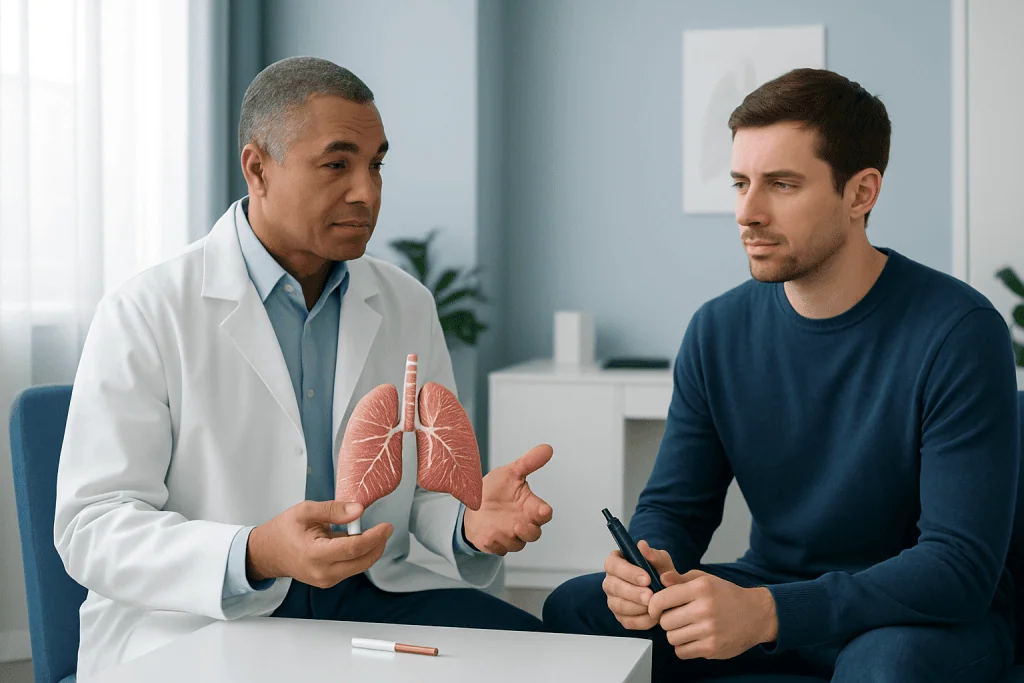
Vaping does not burn tobacco, and that difference matters. Without combustion, users may be exposed to fewer of some toxins found in cigarette smoke. Even so, vaping aerosols are not simply harmless water vapor. They may contain nicotine, propylene glycol, vegetable glycerin, flavoring agents, metals from heating coils, and other compounds formed during heating.
Studies suggest that vaping can irritate the airways, increase inflammation, and affect immune defenses in the respiratory tract. Some users report cough, chest tightness, throat irritation, wheezing, or shortness of breath. People with asthma may notice more symptoms, and vaping may increase sensitivity of the airways in some individuals.
There have also been cases of severe acute lung injury linked to some vaping products, especially contaminated or modified products. While these cases do not mean every e-cigarette causes sudden severe illness, they do show that inhaled aerosol products can cause real and sometimes serious harm. The most accurate evidence-based view is that vaping is likely less studied and possibly less harmful than cigarette smoking in some respects, but it is clearly not safe for the lungs.
Symptoms and Signs of Possible Lung Damage
Lung irritation or damage from smoking or vaping can appear gradually or, less commonly, more suddenly. Symptoms are not always specific, which means they can overlap with asthma, infections, allergies, or other lung conditions. Persistent symptoms should not be ignored, especially in someone who smokes, vapes, or has a past tobacco history.
Common warning signs include a chronic cough, increased mucus or phlegm, wheezing, chest tightness, shortness of breath, reduced exercise tolerance, and frequent chest infections. Some people notice sore throat, hoarseness, or discomfort when taking a deep breath. In more advanced disease, fatigue and poor stamina may become more noticeable.
- Cough that lasts for weeks
- Breathlessness during routine activity
- Wheezing or noisy breathing
- Chest pain or tightness
- Coughing up blood
- Repeated bronchitis or pneumonia
If severe symptoms occur, such as significant trouble breathing, bluish lips, confusion, or chest pain, urgent medical evaluation is important. A doctor can help determine whether symptoms are related to smoking, vaping, infection, asthma, or another cause.
Who May Be at Higher Risk
Not everyone responds to inhaled products in the same way. Some people may experience stronger irritation or faster decline in lung health because of age, genetics, existing disease, or duration of exposure. The overall burden of risk also increases when smoking and vaping are both used together.
People with asthma, COPD, allergies, or prior lung injury may be more sensitive to inhaled aerosols and smoke. Children, teenagers, and young adults are also a concern because the lungs and brain are still developing, and nicotine can be highly addictive. In older adults, reduced reserve in lung and heart function can make symptoms more noticeable.
Secondhand exposure matters as well. Breathing other people’s tobacco smoke is clearly harmful, and secondhand aerosol exposure is also not ideal, especially for babies, children, pregnant women, and people with chronic lung disease. Risk may rise further with frequent use, high-nicotine products, deep inhalation, or use of unregulated products.
How Doctors Evaluate Lung Damage
Assessment usually begins with a careful history. A doctor may ask what products the person uses, how often, for how long, and whether symptoms started after changing products or increasing use. They will also ask about asthma, allergies, work exposures, infections, and family history of lung disease.
Tests depend on the symptoms. A physical exam and oxygen level check are common first steps. Lung function testing can help measure how well air moves in and out of the lungs, and imaging such as a chest X-ray or CT scan may be used when symptoms are persistent, severe, or unexplained. Blood tests or infection testing may be needed in some cases.
When ongoing cough, wheezing, or breathlessness raises concern for chronic disease, doctors may evaluate for conditions such as asthma or COPD. In selected cases, a person may also be referred for pulmonary function testing or specialist respiratory care. The goal is to identify treatable causes, assess severity, and guide the best next steps.
Treatment, Quitting Support, and Lung Recovery
The most effective step for protecting the lungs is to stop smoking and avoid vaping if possible. For someone who currently smokes, quitting can slow further damage and lower the risk of future disease, even after many years of use. Symptoms such as cough and mucus production may improve over time, although recovery depends on how much injury has already occurred.
Treatment also depends on the specific problem. If a person has asthma or COPD, inhaled medicines, respiratory follow-up, vaccines, and action plans may help control symptoms and reduce flare-ups. If an acute lung injury or infection is suspected, prompt medical treatment is important. Pulmonary rehabilitation and supervised breathing strategies may also help selected patients.
Quitting often requires support, not just willpower. Counseling, behavioral strategies, and approved stop-smoking medications may improve the chance of success. A doctor can help create a personalized plan, especially for people who are using both cigarettes and e-cigarettes. Near the end of the care pathway, international patients may also seek evaluation at Acibadem International, where multidisciplinary specialists in JCI-accredited hospitals diagnose and treat respiratory conditions, including support through comprehensive health check-up programs when appropriate.
Prevention and When to See a Doctor
The best prevention is simple in principle: avoid starting smoking or vaping, and seek help early if trying to quit feels difficult. People who do not use nicotine products should not begin. Those who currently smoke should be encouraged to stop completely rather than combine cigarettes with vaping for long periods, since dual use can continue exposure to harmful substances.
General lung-protective habits also matter. Staying physically active, keeping vaccinations up to date, reducing exposure to dust and chemical fumes, and managing asthma or allergies can all support respiratory health. Choosing smoke-free and vape-free indoor environments may also protect family members and coworkers from secondhand exposure.
A doctor should be consulted if there is ongoing cough, wheezing, chest tightness, repeated chest infections, or breathlessness that is new or worsening. Medical advice is especially important if symptoms interfere with sleep, exercise, work, or daily activities. Early assessment can help identify reversible problems and reduce the chance of more serious long-term harm.
Frequently asked questions
Is vaping safer than smoking for the lungs?
Vaping may expose users to fewer combustion-related toxins than cigarette smoking, but that does not make it safe. Cigarette smoking has stronger and longer-term evidence of severe lung harm, while vaping still carries real risks and its full long-term effects are not yet completely known.
Can vaping cause permanent lung damage?
It can contribute to airway irritation and, in some cases, more serious lung injury. Whether damage becomes permanent depends on the type of injury, how long exposure continues, and whether the person has underlying lung disease. A doctor can help evaluate symptoms and discuss the likely outlook.
Do lungs heal after quitting smoking or vaping?
The lungs can recover to some extent after stopping exposure, especially in the earlier stages of irritation and inflammation. Cough, mucus production, and breathing symptoms may improve over time, but some structural damage from long-term smoking may not fully reverse. Quitting still provides meaningful health benefits at any stage.
Is secondhand vapor harmful?
Secondhand aerosol is generally considered less harmful than secondhand cigarette smoke, but it is not harmless. It may contain nicotine, particles, and other chemicals that can irritate the airways, especially in children, pregnant women, and people with asthma or chronic lung disease.
Should someone use vaping to quit smoking?
Some people use e-cigarettes in an attempt to move away from cigarettes, but this approach is not risk-free and should ideally be discussed with a doctor. Evidence-based quitting support such as counseling and approved stop-smoking medicines remains important. The main goal should be complete nicotine and tobacco cessation whenever possible.
When should a cough from smoking or vaping be checked?
A cough should be evaluated if it lasts more than a few weeks, worsens, interrupts sleep, or comes with wheezing, chest pain, fever, shortness of breath, or blood. Persistent respiratory symptoms deserve medical attention because they can reflect treatable conditions as well as more serious lung disease.
References
- World Health Organization
- Centers for Disease Control and Prevention
- American Lung Association
- National Heart, Lung, and Blood Institute
- European Respiratory Society
This article is for general information only and is not a substitute for professional medical advice. Please consult a qualified doctor about your individual situation.
Explore treatments in Turkey — costs, top hospitals & a free quote
JCI-accredited · board-certified surgeons · reply within 24h
Add us as a Preferred Source to see more of our trusted health content across Google Search, AI Overviews and Discover.

More from the Health Library



Related Specialists

Assoc. Prof. Dr. Emrullah Hayta
Physical Medicine & Rehabilitation
Dr. Aysun Işıklar
Internal Medicine
Dt. Yiğitcan Candaner
Oral & Dental Health
Dr. Banu Taybilli
Psychiatry