Spinal Cord Stimulator: An Evidence-Based Guide for Patients
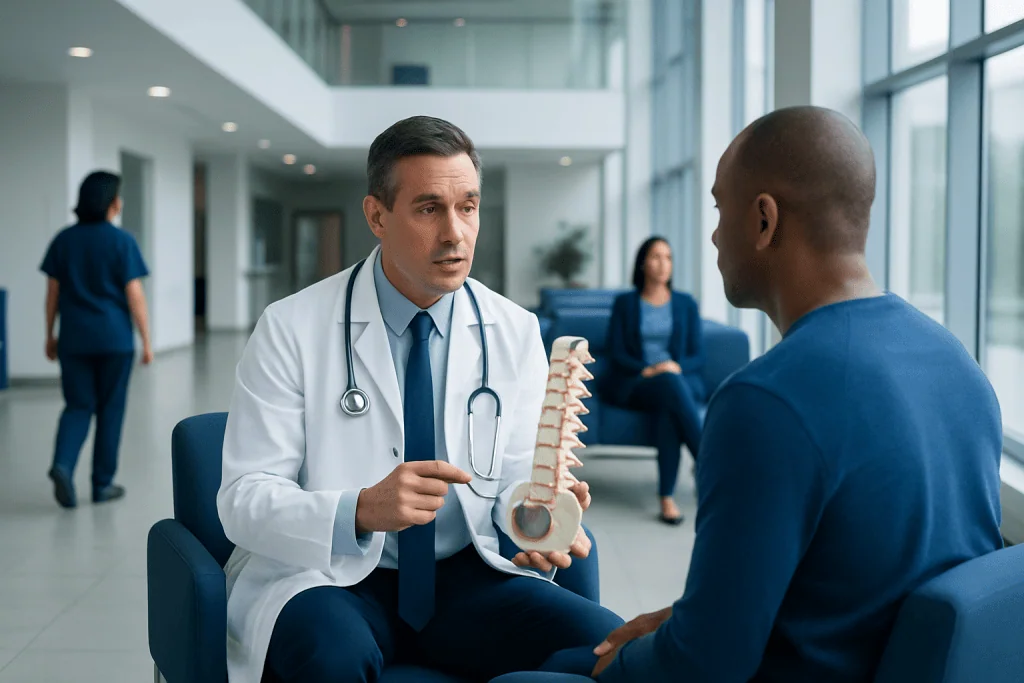
A spinal cord stimulator does not cure the cause of pain, but it may reduce how strongly pain is felt. It is most often used for chronic nerve-related pain, including persistent pain after spine surgery and some pain syndromes affecting the limbs.
Key Takeaways
- A spinal cord stimulator does not cure the cause of pain, but it may reduce how strongly pain is felt.
- It is most often used for chronic nerve-related pain, including persistent pain after spine surgery and some pain syndromes affecting the limbs.
- Most patients first have a temporary trial to see whether the therapy improves pain and daily function before a permanent implant is placed.
- Careful evaluation is important because not every type of back or leg pain responds well to spinal cord stimulation.
- Possible risks include infection, lead movement, discomfort at the implant site, and the need for reprogramming or revision.
A spinal cord stimulator is an implanted device that helps manage certain types of chronic pain by changing how pain signals travel to the brain. It is usually considered after medicines, physical therapy, injections, or surgery have not provided enough relief.
Overview: what a spinal cord stimulator does
A spinal cord stimulator is a small implanted device used to help control chronic pain, especially nerve-related pain that has lasted for months and has not improved enough with standard treatment. It works by sending mild electrical impulses to the spinal cord through thin wires called leads. These signals change the way pain messages are processed, which may make pain feel less intense.
For many people, the goal is not to eliminate pain completely. Instead, the aim is to reduce pain to a more manageable level, improve sleep, support movement, and help with daily activities. Some people are also able to reduce their use of pain medicines under medical guidance after successful treatment.
Spinal cord stimulation belongs to a broader group of treatments called neuromodulation. Modern systems can be programmed in different ways, and some create a tingling sensation while others are designed to work without noticeable stimulation. A pain specialist or spine team adjusts the settings to match the person’s symptoms and response.
Who may benefit from spinal cord stimulation
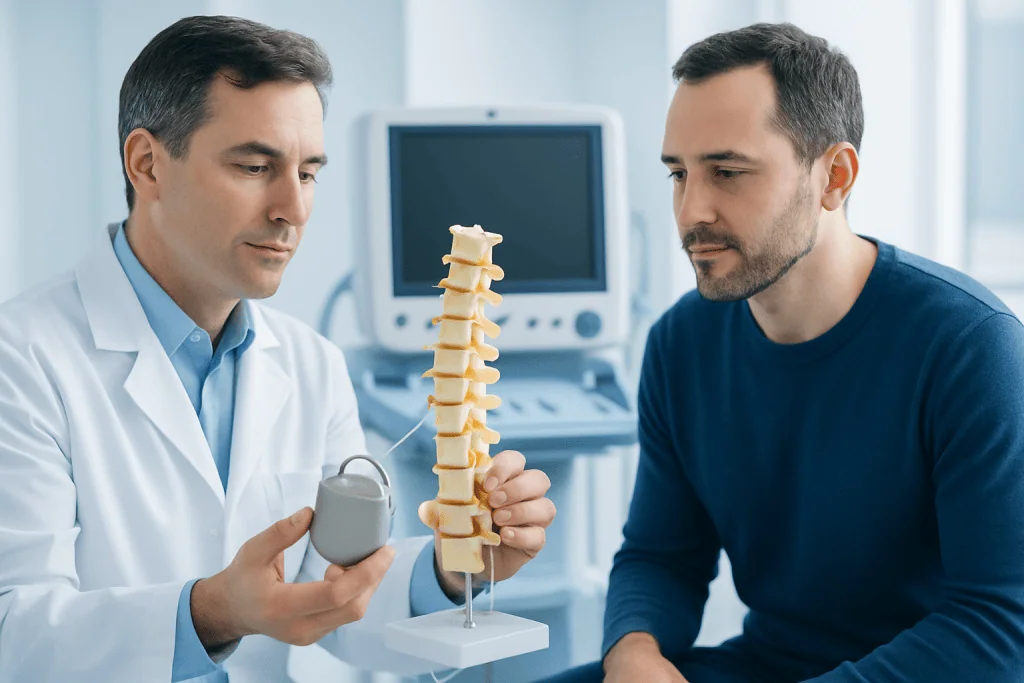
This treatment is usually considered for people with chronic pain that continues despite appropriate non-surgical care or after surgery. It is most commonly used for neuropathic pain, meaning pain linked to irritated or damaged nerves. Examples include ongoing leg pain after lumbar spine surgery, complex regional pain syndrome, and some forms of peripheral nerve pain.
A spinal cord stimulator may be discussed when pain is persistent, affects quality of life, and has not responded well enough to options such as medication, physical therapy, rehabilitation, or image-guided injections. It may be particularly helpful when pain radiates into the arms or legs rather than being only mechanical low back pain.
Not everyone with back pain is a good candidate. People with untreated infections, certain bleeding risks, or pain that is unlikely to respond to neuromodulation may need a different plan. The clinical team also considers emotional well-being, expectations, daily function, and whether the patient is likely to participate in follow-up care and device programming.
Some people being assessed for a stimulator have conditions such as a herniated disc or ongoing symptoms after prior spine procedures. In selected cases, spinal cord stimulation is considered alongside other spine and pain strategies, including spine surgery or pain management when appropriate.
How the device is placed and why a trial comes first
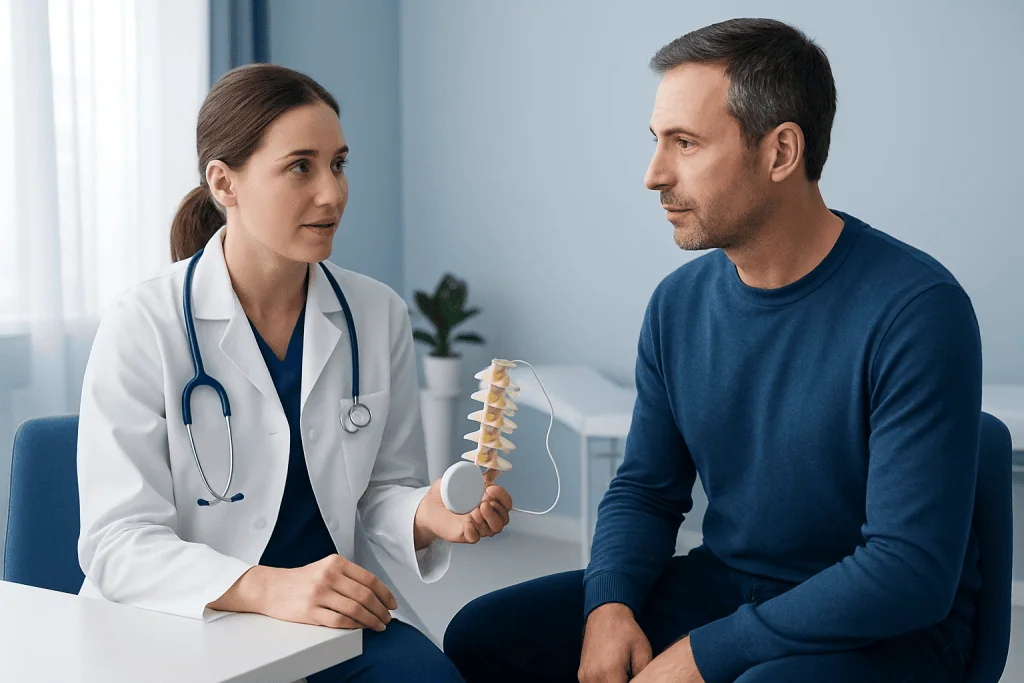
One practical difference between spinal cord stimulation and many other pain treatments is the use of a trial phase before permanent implantation. During the trial, temporary leads are placed near the spinal cord, usually through a needle and with imaging guidance. The leads are connected to an external generator worn outside the body for several days.
This trial helps answer a patient-centered question: does the therapy meaningfully improve pain and function in real life? Doctors usually ask about pain intensity, walking, sleeping, sitting tolerance, and daily tasks rather than focusing only on one number. If the trial provides clear benefit, a permanent device may be recommended.
Permanent implantation places the leads under the skin and connects them to a small battery-powered pulse generator, usually positioned in the lower back or buttock area. Depending on the system, the battery may be rechargeable or non-rechargeable. The procedure is commonly performed by specialists in neurosurgery, anesthesia pain medicine, or other experienced neuromodulation teams.
Imaging and planning are important because the exact placement of leads influences results. In some cases, a broader evaluation may include neurosurgery or review by a multidisciplinary spine team to make sure the pain source has been assessed carefully before implantation.
Symptoms and pain patterns it may help
Spinal cord stimulation is generally used for chronic pain that has a strong nerve-related component. Patients often describe burning, shooting, electric, stabbing, or radiating pain. The pain may travel down one leg, both legs, an arm, or affect a hand or foot. Numbness and tingling can occur too, although the device is intended to treat pain rather than restore nerve function.
It may also be considered when pain continues after technically successful spine surgery, sometimes called failed back surgery syndrome or persistent spinal pain syndrome. In this situation, the main problem is not always a new structural injury. Instead, pain may continue because of nerve sensitivity, scar-related irritation, or complex changes in the pain pathways.
By contrast, pain caused mainly by spinal instability, severe compression of the spinal cord, active infection, or a new emergency condition usually needs a different approach. The device is not a substitute for urgent treatment when there is progressive weakness, bowel or bladder dysfunction, or signs of a serious spinal disorder.
Evaluation, diagnosis, and deciding if it is suitable
Before recommending a spinal cord stimulator, doctors first confirm the likely cause of pain and review what treatments have already been tried. This may include a physical examination, imaging such as MRI or CT, medication history, and details about prior procedures or operations. The team usually looks for a pattern suggesting neuropathic pain rather than pain driven mainly by movement, joint wear, or untreated compression.
Functional goals are an important part of the evaluation. A patient may want to walk farther, sleep better, sit through work meetings, or return to light exercise. These goals help the team judge whether the trial is successful and whether long-term implantation is likely to offer meaningful benefit.
Psychological screening is often included, not because pain is “all in the mind,” but because chronic pain affects mood, sleep, coping, and treatment success. Depression, anxiety, trauma, and high stress can influence how pain is experienced and how well a person manages an implanted device. Addressing these factors is part of good care.
In some patients, the assessment also involves checking for other conditions that may contribute to symptoms, such as spinal stenosis. A careful diagnosis helps avoid placing a stimulator when another treatment would be more effective.
Benefits, limits, and possible risks
The main potential benefit of a spinal cord stimulator is improved pain control without major destruction of tissue and with the advantage of a reversible trial. Many people value the possibility of better function, better sleep, and reduced reliance on some pain medicines. The device settings can also be adjusted over time to match changing symptoms.
At the same time, it is important to understand the limits. Results vary from person to person, and no device works equally well for everyone. A stimulator does not fix the original structural cause of pain, reverse nerve damage, or guarantee complete relief. Some people experience only partial improvement, and some do not benefit enough to continue.
Potential complications include infection, bleeding, headache after lead placement, discomfort around the battery site, and lead migration, which means the lead moves from its original position and the stimulation no longer covers the painful area as intended. Device malfunction or battery issues can also occur, and some patients need reprogramming or additional procedures.
There are also practical considerations. Patients need to learn how to use the controller, attend follow-up visits, and discuss MRI compatibility and future procedures with their clinicians. Anyone considering implantation should review the expected benefits and risks carefully with an experienced specialist.
Recovery, daily life, and self-care after implantation
Recovery after the trial is usually brief, but patients are often asked to limit bending, twisting, stretching, and heavy lifting for a short period so the leads stay in place. Similar precautions are commonly recommended after permanent implantation. The exact advice depends on the type of system used, the placement technique, and the physician’s protocol.
Programming is an important part of recovery. It may take several visits to find the most helpful settings, and adjustments may be needed as healing progresses. Patients should keep a simple record of pain levels, activity tolerance, sleep, and any uncomfortable sensations to help guide reprogramming.
Self-care also includes protecting the incision sites, watching for redness, drainage, fever, or increasing pain, and following instructions about showering and wound care. Regular movement, a gradual return to activity, physical therapy when advised, and healthy sleep habits can support better outcomes.
For international patients seeking coordinated care, Acibadem International’s multidisciplinary specialists and JCI-accredited hospitals diagnose and treat chronic pain conditions using individualized plans that may include advanced neuromodulation and rehabilitation.
When to seek medical care
Medical review is important when chronic pain lasts for months, interferes with daily activities, or is not improving with standard care. A clinician can check whether the pain pattern suggests nerve involvement and whether a spinal cord stimulator is a reasonable option after other treatments have been tried.
Urgent medical attention is needed for warning signs such as new or worsening weakness, loss of bowel or bladder control, fever with severe back pain, major trauma, or rapidly worsening numbness. After a stimulator procedure, patients should contact their doctor promptly if they notice signs of infection, sudden loss of pain relief, severe positional headache, or new neurological symptoms.
Even when symptoms are not urgent, it is sensible to seek professional advice if pain medicines are causing side effects, sleep is poor, mood is affected, or movement is becoming increasingly limited. Early reassessment can help identify whether rehabilitation, another diagnosis, or a different treatment plan is needed.
Frequently asked questions
Is a spinal cord stimulator a cure for chronic pain?
No. A spinal cord stimulator is designed to reduce pain and improve function, not to cure the underlying cause of pain. Many patients aim for better sleep, mobility, and quality of life rather than complete pain elimination.
What kinds of pain respond best to a spinal cord stimulator?
It tends to work best for certain types of chronic nerve-related pain, especially pain radiating into the arms or legs and pain that persists after spine surgery. It is usually less effective for pain caused mainly by mechanical strain or untreated structural compression.
Why is there a trial before permanent implantation?
The trial helps show whether the therapy provides meaningful real-world benefit before a permanent device is implanted. It allows the patient and doctor to assess pain relief, daily function, sleep, and comfort with the stimulation.
Can a spinal cord stimulator be removed if it does not help?
Yes, in many cases the system can be turned off or removed if it does not provide enough benefit or if complications occur. Removal decisions should always be made with the treating specialist after reviewing symptoms and alternatives.
Will the device be noticeable in daily life?
Most people can feel the battery under the skin, but many adjust to it over time. Depending on the system and settings, some patients notice a tingling sensation while others do not feel stimulation at all.
Are there activity restrictions after implantation?
Yes, there are usually short-term restrictions on bending, twisting, stretching, and heavy lifting while the leads heal into place. The doctor will explain when normal activities, work, travel, and exercise can be resumed.
This article is for general information only and is not a substitute for professional medical advice. Please consult a qualified doctor about your individual situation.
Joint and spine care in Turkey — expert assessment & treatment
JCI-accredited · board-certified surgeons · reply within 24h
Add us as a Preferred Source to see more of our trusted health content across Google Search, AI Overviews and Discover.

More from the Health Library

Lucency: Symptoms, Causes, and Treatment — Complete Patient Guide

Pinched Nerve in Upper Back: An Evidence-Based Guide for Patients

Psoriasis in Black: What Patients Need to Know

Lorazepam: A Complete Medical Overview

When General Symptoms Need Medical Attention: Fatigue, Weight Change, Fever, and More

Chia Water: An Evidence-Based Guide for Patients
Orthopedic Surgery & Traumatology Specialists at Acibadem

Fzt. Çağlar Dal
Physical Medicine & Rehabilitation
Assoc. Prof. Dr. Çağrı Örs
Orthopedic Surgery & Traumatology
Fzt. Canberk Altan
Physical Medicine & Rehabilitation
Dr. Cem Tangay
Orthopedic Surgery & Traumatology