Spinal Fusion Surgery: Who Is a Candidate and What to Expect
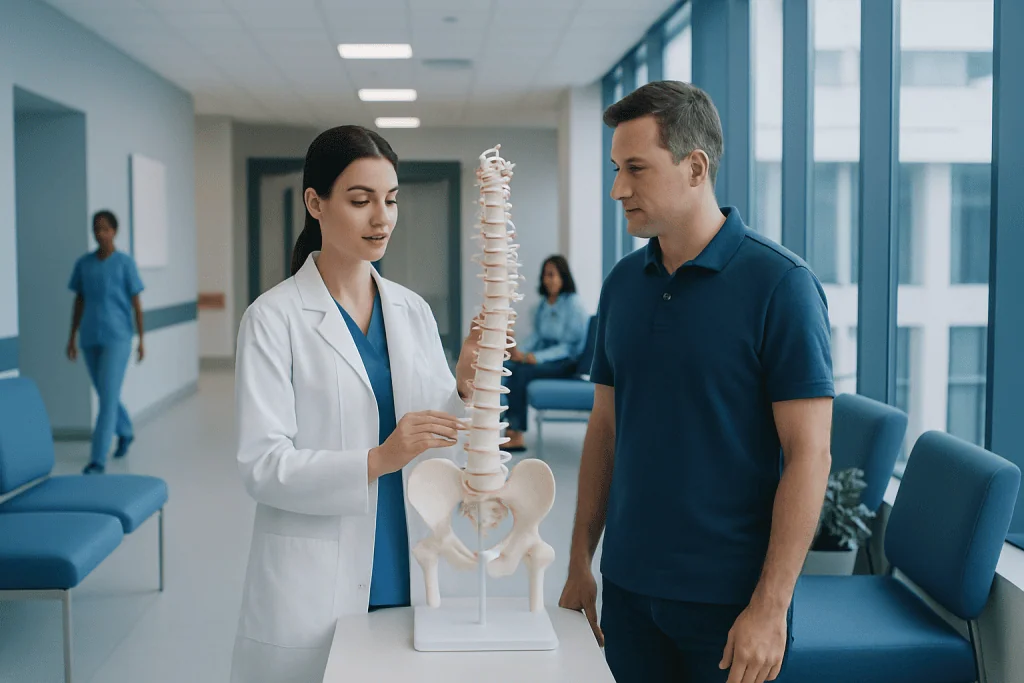
Spinal fusion surgery is designed to stabilize part of the spine, not simply to treat every type of back pain. Good candidates often have a clear structural spine problem such as instability, deformity, fracture, or nerve compression linked to symptoms.
Key Takeaways
- Spinal fusion surgery is designed to stabilize part of the spine, not simply to treat every type of back pain.
- Good candidates often have a clear structural spine problem such as instability, deformity, fracture, or nerve compression linked to symptoms.
- Doctors usually recommend non-surgical care first, including medication, physical therapy, and activity modification.
- Recovery takes time and may include a hospital stay, movement restrictions, physical therapy, and gradual return to normal activities.
- The expected benefits, risks, and long-term results depend on the reason for surgery, the area of the spine involved, and overall health.
Spinal fusion surgery is a procedure that permanently joins two or more vertebrae to improve stability and reduce pain caused by specific spine problems. It is usually considered when symptoms are significant, daily function is affected, and non-surgical treatments have not provided enough relief.
Overview of Spinal Fusion Surgery
Spinal fusion surgery is an operation that joins two or more bones of the spine, called vertebrae, so they heal into one solid section. The goal is to reduce abnormal motion, improve spinal stability, and help relieve pain or nerve-related symptoms caused by a specific structural problem. Surgeons may use bone graft material along with metal screws, rods, plates, or cages to support the fusion while the bones heal.
This procedure can be performed in the neck, upper back, or lower back, depending on the condition being treated. It may be recommended for problems such as spinal instability, certain fractures, deformities like scoliosis, spondylolisthesis, or pressure on nerves associated with degenerative changes. In some cases, spinal fusion is done together with decompression surgery, which removes tissue pressing on the spinal cord or nerves.
Spinal fusion surgery does not restore a spine to its original condition, and it is not the first treatment for most back or neck pain. Many people improve with non-surgical care alone. When surgery is advised, the decision is usually based on a combination of symptoms, physical examination findings, imaging results, and how much the condition interferes with everyday life.
Who May Be a Candidate
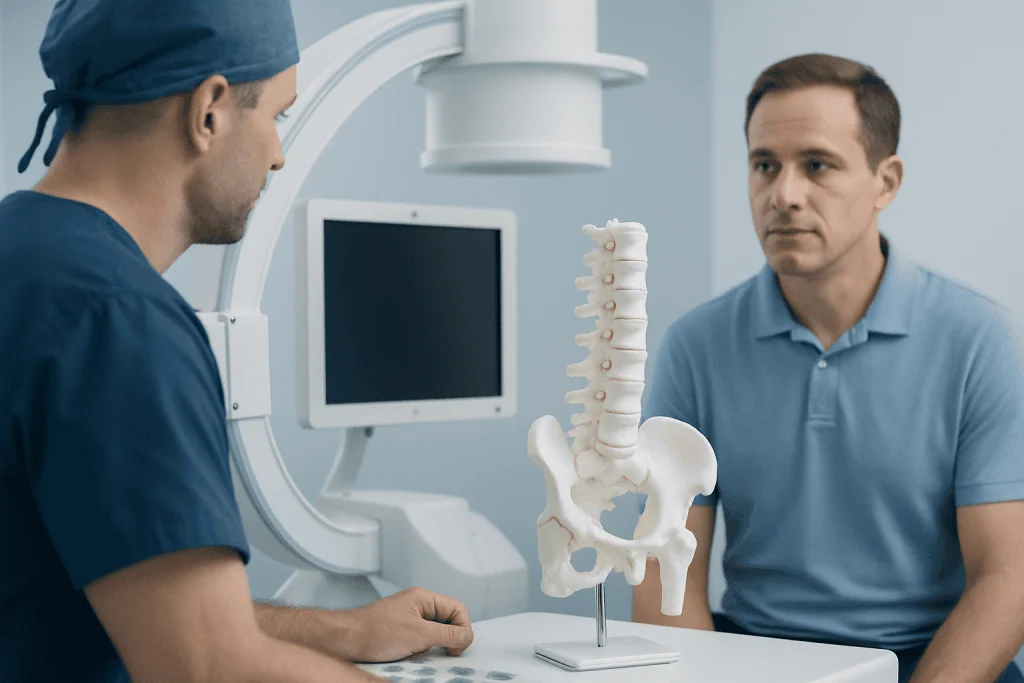
A person may be a candidate for spinal fusion surgery when there is a well-defined spinal problem that is unlikely to improve enough with conservative treatment. Common examples include vertebrae that move too much, spine deformities, some spinal fractures, recurring disc problems, or degenerative conditions causing painful instability. The operation may also be considered when nerve compression causes ongoing leg or arm pain, weakness, or numbness and stabilization is needed after decompression.
Doctors usually consider surgery after a period of non-surgical treatment, unless the problem is urgent. These non-surgical options often include pain-relieving medicines, physical therapy, posture and movement adjustments, weight management, and sometimes injections. Surgery becomes more likely when pain remains severe, sleep is disrupted, walking or daily activities become difficult, or neurologic symptoms are worsening.
Not everyone with chronic back pain is a good candidate. Spinal fusion tends to work best when the pain source can be linked to a specific mechanical or structural issue seen on imaging and confirmed by the clinical picture. A thorough assessment is especially important because other spine procedures, such as herniated disc surgery or non-fusion decompression, may be more suitable in some situations.
General health also matters. Smoking, uncontrolled diabetes, osteoporosis, obesity, poor nutrition, and some inflammatory or medical conditions can affect healing and increase the risk of complications. Before surgery, the care team often works to improve these factors so the chance of a successful fusion is as high as possible.
Symptoms and Conditions That May Lead to Surgery

The symptoms that lead to spinal fusion surgery depend on the underlying condition and the level of the spine involved. Many people have persistent back or neck pain that becomes worse with movement, standing, walking, or lifting. Others have pain that travels into an arm or leg because a nerve root is irritated or compressed. Numbness, tingling, muscle weakness, poor balance, or reduced walking tolerance may also be present.
Several spinal conditions can make fusion appropriate in selected cases. These include scoliosis, spinal stenosis with instability, degenerative disc disease in carefully chosen patients, spondylolisthesis, some tumors, spinal infections, and traumatic fractures. Fusion may also be recommended after removing part of the spine that was supporting stability, such as during a decompression procedure for nerve pressure.
Warning signs that need prompt medical review include new or worsening weakness, loss of coordination, changes in bladder or bowel control, severe pain after trauma, or unexplained fever with back pain. These symptoms do not always mean surgery is needed, but they can indicate a more urgent spinal problem that should not be ignored.
How Doctors Diagnose the Problem
Deciding whether spinal fusion surgery is appropriate begins with a careful medical history and physical examination. The doctor asks about the location of pain, when it started, what makes it worse or better, and whether symptoms radiate into the arms or legs. The examination looks at posture, range of motion, muscle strength, reflexes, sensation, and walking pattern.
Imaging tests help identify the structural cause of symptoms. X-rays can show alignment problems, fractures, and instability, including movement seen on flexion-extension views. MRI is useful for evaluating discs, nerves, the spinal cord, and soft tissues. CT scans may provide more detail about bone anatomy, especially when planning surgery or assessing prior operations.
Additional tests may sometimes be used, such as bone density scans, blood tests, or nerve studies. These can help identify osteoporosis, infection, inflammatory disease, or nerve dysfunction. The final decision is based on whether the findings on examination and imaging match the patient’s actual symptoms, rather than imaging changes alone.
When the diagnosis is complex, second opinions can be valuable. For some patients, a spine team that includes orthopedic surgeons, neurosurgeons, pain specialists, physiatrists, and rehabilitation professionals helps clarify whether fusion is the best option or whether another path would be safer and more effective.
What Happens During the Procedure
Spinal fusion surgery is performed under general anesthesia. The surgeon reaches the spine through an incision from the front, back, side, or a combination of approaches, depending on the spinal level and the reason for surgery. Damaged disc material, unstable joints, or tissue compressing nerves may be removed first. Bone graft is then placed between or around the vertebrae to encourage them to grow together.
To hold the spine in the correct position while fusion occurs, the surgeon may use screws, rods, plates, or cages. These implants are usually made of materials designed to remain in the body. In selected cases, minimally invasive techniques may be possible, using smaller incisions and specialized instruments. However, not every condition can be treated this way.
The operation may involve the cervical, thoracic, or lumbar spine. Some people need a single-level fusion, while others need treatment across multiple levels. The exact technique depends on factors such as the diagnosis, spinal alignment, bone quality, previous surgery, and whether a decompression or correction of deformity is also required. For people with combined nerve compression and instability, related procedures such as spinal decompression may be part of the same operation.
Recovery, Rehabilitation, and Expected Results
Recovery after spinal fusion surgery is gradual. Many people are encouraged to sit up, stand, and walk soon after the procedure because early movement can support circulation and reduce some complications. The length of hospital stay varies depending on the type of surgery, the area of the spine treated, overall health, and how well pain is controlled.
At home, activity usually increases step by step. The surgeon may advise limits on bending, twisting, heavy lifting, and prolonged sitting for a period of time. Some patients wear a brace, although this is not necessary for everyone. Physical therapy may begin early or later in recovery, focusing on safe movement, posture, strengthening, and restoring function.
Bone fusion itself takes time, often several months or longer. During this period, smoking avoidance, good nutrition, blood sugar control, and following activity instructions are especially important because they influence bone healing. Pain often improves before the fusion is fully mature, but full recovery can still be a long process.
Results vary. Many patients experience reduced pain, better stability, and improved ability to walk, stand, or perform daily activities. However, spinal fusion surgery does not guarantee complete symptom relief, and some stiffness in the fused part of the spine is expected. For some patients with complex conditions, related procedures such as scoliosis surgery or treatment for spinal stenosis may shape the recovery plan.
Risks, Prevention, and When to See a Doctor
Like any major operation, spinal fusion surgery has potential risks. These may include infection, bleeding, blood clots, nerve injury, pain that does not improve as expected, implant problems, and failure of the bones to fuse completely. Over time, nearby parts of the spine may also develop increased stress, which can contribute to future degeneration in some people.
Not all spine problems can be prevented, but some habits help lower risk and support spinal health. Regular exercise, core strengthening, safe lifting techniques, weight management, and avoiding tobacco can reduce strain on the spine. Treating osteoporosis, managing chronic diseases, and seeking timely evaluation for persistent neurologic symptoms may also help prevent progression of some conditions.
A doctor should be consulted for back or neck pain that lasts for weeks, pain with arm or leg numbness, weakness, walking difficulty, or symptoms that interfere with work, sleep, or daily activities. Urgent care is needed after trauma or when symptoms include sudden weakness, severe unrelenting pain, fever with back pain, or loss of bladder or bowel control.
Care is most effective when the treatment plan is individualized. Near the end of the decision-making process, some patients benefit from evaluation in a multidisciplinary spine center. Acibadem International’s multidisciplinary specialists in JCI-accredited hospitals diagnose and treat spinal conditions for international patients, helping coordinate assessment, surgery when needed, and rehabilitation planning.
Frequently asked questions
Is spinal fusion surgery only for severe back pain?
No. Spinal fusion surgery is usually considered for a specific structural spine problem, not simply for pain intensity alone. Doctors look for a clear cause such as instability, deformity, fracture, or nerve compression that matches the symptoms.
How long does it take to recover from spinal fusion surgery?
Initial recovery may take weeks, but bone healing usually takes several months or longer. The exact timeline depends on the location of the fusion, the number of levels treated, overall health, and whether rehabilitation is needed.
Will spinal fusion completely stop back or neck pain?
Not always. Many people improve, but results vary and some discomfort or stiffness may remain. The main goal is usually better stability, reduced nerve-related symptoms, and improved day-to-day function.
Can a person walk after spinal fusion surgery?
Yes, many patients are encouraged to walk soon after surgery under medical guidance. Walking is often an important part of recovery because it supports circulation, mobility, and gradual return to activity.
What are the main risks of spinal fusion surgery?
Possible risks include infection, bleeding, blood clots, nerve injury, ongoing pain, implant-related issues, and incomplete bone fusion. The care team reviews these risks carefully because they differ from person to person.
Does spinal fusion limit movement?
Yes, the fused section no longer moves normally because the vertebrae are intended to heal together. Many people still function well because nearby parts of the spine and the rest of the body can compensate, but the amount of stiffness depends on the location and extent of the fusion.
References
- National Institute of Arthritis and Musculoskeletal and Skin Diseases
- American Academy of Orthopaedic Surgeons
- National Institute of Neurological Disorders and Stroke
- North American Spine Society
- MedlinePlus
This article is for general information only and is not a substitute for professional medical advice. Please consult a qualified doctor about your individual situation.
Spinal Fusion in Turkey — costs, top hospitals & a free quote
JCI-accredited · board-certified surgeons · reply within 24h
Add us as a Preferred Source to see more of our trusted health content across Google Search, AI Overviews and Discover.